Empowering Nature: Insights from the Fourth Annual AUA Ecotourism Conference

Introduction: A Strategic Pivot for Armenia’s Natural Heritage

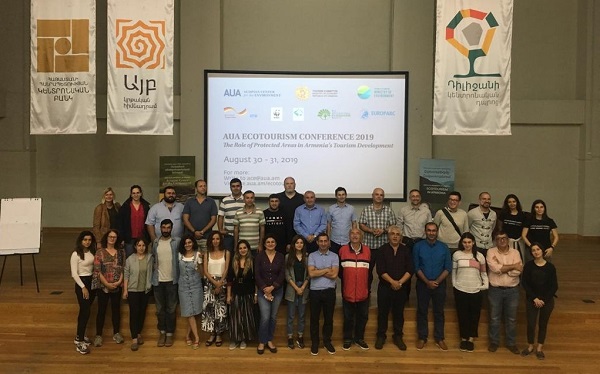
On August 30-31, the academic and environmental heart of Armenia, the American University of Armenia (AUA), became the epicenter of a critical global dialogue. The fourth annual AUA Ecotourism Conference, hosted by the AUA Acopian Center for the Environment, brought together a diverse cohort of policymakers, international conservationists, and tourism industry leaders to chart a sustainable future for Armenia’s natural assets.

In partnership with the RA Ministry of Economy’s Tourism Committee, the RA Ministry of Environment, WWF Armenia, and the Transboundary Joint Secretariat (supported by the German KfW development bank) and The International Ecotourism Society (TIES), the event served as a clarion call for integrating economic prosperity with environmental stewardship. As global tourism patterns shift toward sustainability, Armenia stands at a crossroads: the nation possesses immense biodiversity and rugged landscapes that, if managed correctly, could serve as the bedrock of a robust, green national economy.


The Economics of Preservation: Beyond Entrance Fees

A central theme of the conference was the dismantling of the "budgetary trap" that often prevents governments from investing in protected areas. Dr. Thiago Souza, representing the IUCN Commission on Protected Areas’ Tourism Specialists Group, presented a sobering reality check for policymakers: the traditional way of accounting for protected areas—simply comparing entrance fee revenue against operational budgets—is fundamentally flawed.

Challenging the Accounting Myth

"Politically, the value of investing in protected areas is often lost because we typically don’t make an adequate economic analysis," Dr. Souza argued. He noted that in many nations, including Brazil, operational budgets can dwarf the revenue generated by gate receipts by a factor of nine. By these narrow metrics, conservation looks like a fiscal drain.

However, Dr. Souza urged the audience to adopt a macroeconomic perspective. When the multiplier effect of visitor spending—including local hospitality, transportation, and regional supply chains—is factored in, the narrative changes entirely. In Brazil, for every dollar invested in protected area infrastructure, the national economy realizes a 15-dollar return. Similar trends are observed across Europe, where every euro of public investment yields between 7 and 10 euros in GDP activity.

This data aligns with global findings from a seminal 2015 study by Balmford et al., which estimated that protected areas attract roughly 8 billion visits annually, generating approximately $600 billion in direct in-country expenditures. The takeaway for the Armenian delegation was clear: investing in the upkeep and infrastructure of national parks is not a cost—it is a high-yield economic stimulus.


A Global Perspective: The Rise of Sustainable Tourism

Jon Bruno, Executive Director of The International Ecotourism Society (TIES), provided a panoramic view of how quickly this sector has moved from a niche market to a fundamental component of the global economy.
Fourth annual Armenia Ecotourism Conference: Key Stakeholders Gather to Discuss the Future of Ecotourism connected with Protected Areas - The International Ecotourism Society The fourth annual AUA Ecotourism Conference was held on August 30-31. The event was organized by the AUA Acopian Center for the Environment. in partnership with the Tourism Committee of the Ministry of Economy of the Republic of Armenia (RA), RA Ministry of Environment, WWF Armenia and Transboundary Joint Secretariat funded by the KfW German state-owned development bank and The International Ecotourism Society (TIES). Experts from The International Ecotourism Society, EUROPARC Federation, and the International Union for Conservation of Nature (IUCN) were among the key speakers. The invited participants included tour operators, policy makers, and protected area managers and experts. This year’s Conference focused on the role of protected areas in ecotourism and sustainable tourism development, which ensure protecting the environment and enabling nearby communities to benefit from growth in tourism. Protected Areas and the National/Regional Economy Dr. Thiago Souza, from the IUCN Commission on Protected Areas’ Tourism Specialists Group, talked about the global experience with investing in protected areas and the returns to the national and regional economies. “Politically, the value of investing in protected areas is often lost because we typically don’t make an adequate economic analysis,” points out Dr. Souza. He explains that in most places officials simply make an accounting or financial analysis. That is, they look at the budget of the protected area and the revenues generated from the entrance fees. “For most protected areas, the fees would be substantially smaller than the budgets of the protected areas,” he says. “In Brazil, for instance, budgets can be 9 times greater than fees collected.” But when an economic analysis is conducted, which considers more broadly the visitor spending and the tax and multiplier effects of this spending, a very different picture appears. “In Brazil, we’ve been able to show that for every dollar budgeted amount spent on protected areas, the national economy gains 15 dollars. The returns on investment are staggering,” says Dr. Souza. Europe shows smaller but still impressive numbers. Once adequate investments are made in the protected areas and the needed infrastructure, every euro spent on protected areas see 7 to 10 euros in GDP activity. A 2015 study shows that there are an estimated 8 billion visits per year to protected areas worldwide. This generates about US $600 billion per year in direct in-country expenditures. (Balmford et al, 2015). Growing Market of Ecotourism and Visiting Protected Areas Jon Bruno, the executive director of The International Ecotourism Society, offered a global perspective on the growth of the ecotourism sector. “Over 90 nations now have an ecotourism or sustainable tourism initiative nationally or at a regional level. This has happened in the last 30 years; there is no other form of tourism or industry that has become so fundamental to the global economy so quickly.” Mr. Bruno believes that this is a growing trend. And the travelers are developing greater sensitivity toward sustainable tourism. He says, “Travelers have greatly increased both their awareness of ecotourism and their willingness to increase payment to ensure a sustainable travel experience. Seventy percent of people under 30 say sustainable travel is a priority.” This is a market for which countries like Armenia have to be prepared as part of their efforts aimed at sustainable development. “Ecotourism and sustainable tourism can help local communities economically and create engagement for protecting their natural assets. Ecotourism provides the strongest community revenue and the best return on investment,” emphasizes Mr. Bruno. The fourth annual AUA Ecotourism Conference was held on August 30-31. The event was organized by the AUA Acopian Center for the Environment. in partnership with the Tourism Committee of the Ministry of Economy of the Republic of Armenia (RA), RA Ministry of Environment, WWF Armenia and Transboundary Joint Secretariat funded by the KfW German state-owned development bank and The International Ecotourism Society (TIES). Experts from The International Ecotourism Society, EUROPARC Federation, and the International Union for Conservation of Nature (IUCN) were among the key speakers. The invited participants included tour operators, policy makers, and protected area managers and experts. This year’s Conference focused on the role of protected areas in ecotourism and sustainable tourism development, which ensure protecting the environment and enabling nearby communities to benefit from growth in tourism. Protected Areas and the National/Regional Economy Dr. Thiago Souza, from the IUCN Commission on Protected Areas’ Tourism Specialists Group, talked about the global experience with investing in protected areas and the returns to the national and regional economies. “Politically, the value of investing in protected areas is often lost because we typically don’t make an adequate economic analysis,” points out Dr. Souza. He explains that in most places officials simply make an accounting or financial analysis. That is, they look at the budget of the protected area and the revenues generated from the entrance fees. “For most protected areas, the fees would be substantially smaller than the budgets of the protected areas,” he says. “In Brazil, for instance, budgets can be 9 times greater than fees collected.” But when an economic analysis is conducted, which considers more broadly the visitor spending and the tax and multiplier effects of this spending, a very different picture appears. “In Brazil, we’ve been able to show that for every dollar budgeted amount spent on protected areas, the national economy gains 15 dollars. The returns on investment are staggering,” says Dr. Souza. Europe shows smaller but still impressive numbers. Once adequate investments are made in the protected areas and the needed infrastructure, every euro spent on protected areas see 7 to 10 euros in GDP activity. A 2015 study shows that there are an estimated 8 billion visits per year to protected areas worldwide. This generates about US $600 billion per year in direct in-country expenditures. (Balmford et al, 2015). Growing Market of Ecotourism and Visiting Protected Areas Jon Bruno, the executive director of The International Ecotourism Society, offered a global perspective on the growth of the ecotourism sector. “Over 90 nations now have an ecotourism or sustainable tourism initiative nationally or at a regional level. This has happened in the last 30 years; there is no other form of tourism or industry that has become so fundamental to the global economy so quickly.” Mr. Bruno believes that this is a growing trend. And the travelers are developing greater sensitivity toward sustainable tourism. He says, “Travelers have greatly increased both their awareness of ecotourism and their willingness to increase payment to ensure a sustainable travel experience. Seventy percent of people under 30 say sustainable travel is a priority.” This is a market for which countries like Armenia have to be prepared as part of their efforts aimed at sustainable development. “Ecotourism and sustainable tourism can help local communities economically and create engagement for protecting their natural assets. Ecotourism provides the strongest community revenue and the best return on investment,” emphasizes Mr. Bruno. The fourth annual AUA Ecotourism Conference was held on August 30-31. The event was organized by the AUA Acopian Center for the Environment. in partnership with the Tourism Committee of the Ministry of Economy of the Republic of Armenia (RA), RA Ministry of Environment, WWF Armenia and Transboundary Joint Secretariat funded by the KfW German state-owned development bank and The International Ecotourism Society (TIES). Experts from The International Ecotourism Society, EUROPARC Federation, and the International Union for Conservation of Nature (IUCN) were among the key speakers. The invited participants included tour operators, policy makers, and protected area managers and experts. This year’s Conference focused on the role of protected areas in ecotourism and sustainable tourism development, which ensure protecting the environment and enabling nearby communities to benefit from growth in tourism. Protected Areas and the National/Regional Economy Dr. Thiago Souza, from the IUCN Commission on Protected Areas’ Tourism Specialists Group, talked about the global experience with investing in protected areas and the returns to the national and regional economies. “Politically, the value of investing in protected areas is often lost because we typically don’t make an adequate economic analysis,” points out Dr. Souza. He explains that in most places officials simply make an accounting or financial analysis. That is, they look at the budget of the protected area and the revenues generated from the entrance fees. “For most protected areas, the fees would be substantially smaller than the budgets of the protected areas,” he says. “In Brazil, for instance, budgets can be 9 times greater than fees collected.” But when an economic analysis is conducted, which considers more broadly the visitor spending and the tax and multiplier effects of this spending, a very different picture appears. “In Brazil, we’ve been able to show that for every dollar budgeted amount spent on protected areas, the national economy gains 15 dollars. The returns on investment are staggering,” says Dr. Souza. Europe shows smaller but still impressive numbers. Once adequate investments are made in the protected areas and the needed infrastructure, every euro spent on protected areas see 7 to 10 euros in GDP activity. A 2015 study shows that there are an estimated 8 billion visits per year to protected areas worldwide. This generates about US $600 billion per year in direct in-country expenditures. (Balmford et al, 2015). Growing Market of Ecotourism and Visiting Protected Areas Jon Bruno, the executive director of The International Ecotourism Society, offered a global perspective on the growth of the ecotourism sector. “Over 90 nations now have an ecotourism or sustainable tourism initiative nationally or at a regional level. This has happened in the last 30 years; there is no other form of tourism or industry that has become so fundamental to the global economy so quickly.” Mr. Bruno believes that this is a growing trend. And the travelers are developing greater sensitivity toward sustainable tourism. He says, “Travelers have greatly increased both their awareness of ecotourism and their willingness to increase payment to ensure a sustainable travel experience. Seventy percent of people under 30 say sustainable travel is a priority.” This is a market for which countries like Armenia have to be prepared as part of their efforts aimed at sustainable development. “Ecotourism and sustainable tourism can help local communities economically and create engagement for protecting their natural assets. Ecotourism provides the strongest community revenue and the best return on investment,” emphasizes Mr. Bruno.

The 30-Year Transformation

According to Mr. Bruno, over 90 nations have implemented dedicated ecotourism initiatives within the last three decades. "There is no other form of tourism or industry that has become so fundamental to the global economy so quickly," he noted.

The driver of this change is a fundamental shift in the traveler’s psyche. Modern tourists, particularly the younger demographic, are increasingly values-driven. "Seventy percent of people under 30 say sustainable travel is a priority," Bruno stated. This generation is not only more aware of their environmental footprint but is also willing to pay a premium for experiences that ensure the preservation of the landscapes they visit. For Armenia, which is currently cultivating its tourism brand, this presents a unique window of opportunity to align its national development strategy with the demands of the modern global traveler.


Establishing Standards: The EUROPARC Model

For ecotourism to be effective, it requires more than just goodwill; it requires rigorous management standards and collaborative networks. Representatives from the EUROPARC Federation—the premier network for Europe’s natural and cultural heritage—outlined a path for Armenia to gain international standing in the conservation community.

The European Charter for Sustainable Tourism

Carol Richie, Executive Director of EUROPARC, warned against the dangers of "laissez-faire" tourism development. "Poorly managed tourism allows societal tensions to persist, weakens local communities’ connection to their heritage, and causes irreparable damage to nature," she cautioned.

To mitigate these risks, the Federation offers the European Charter for Sustainable Tourism in Protected Areas. This framework is not merely a label but a long-term commitment. Paulo Castro, a council member at EUROPARC, emphasized that the process of obtaining the charter is a marathon, not a sprint. It requires:

  1. Multi-stakeholder Forums: The establishment of a permanent body where local communities, business owners, and government officials meet to deliberate.
  2. Coordinated Administration: Seamless integration between environmental ministries and tourism boards to ensure policy alignment.
  3. Product Development: The creation of tourism products that are explicitly rooted in local resources, thereby ensuring that the economic benefits remain within the region.

Armenia’s protected areas are eligible for membership in this network, which would open doors to shared expertise and international best practices, effectively "professionalizing" the country’s approach to wilderness management.


Chronology and Scope: The Two-Day Summit

The conference was structured to balance theoretical discourse with practical field observation, ensuring that the insights shared by international experts were grounded in the Armenian context.
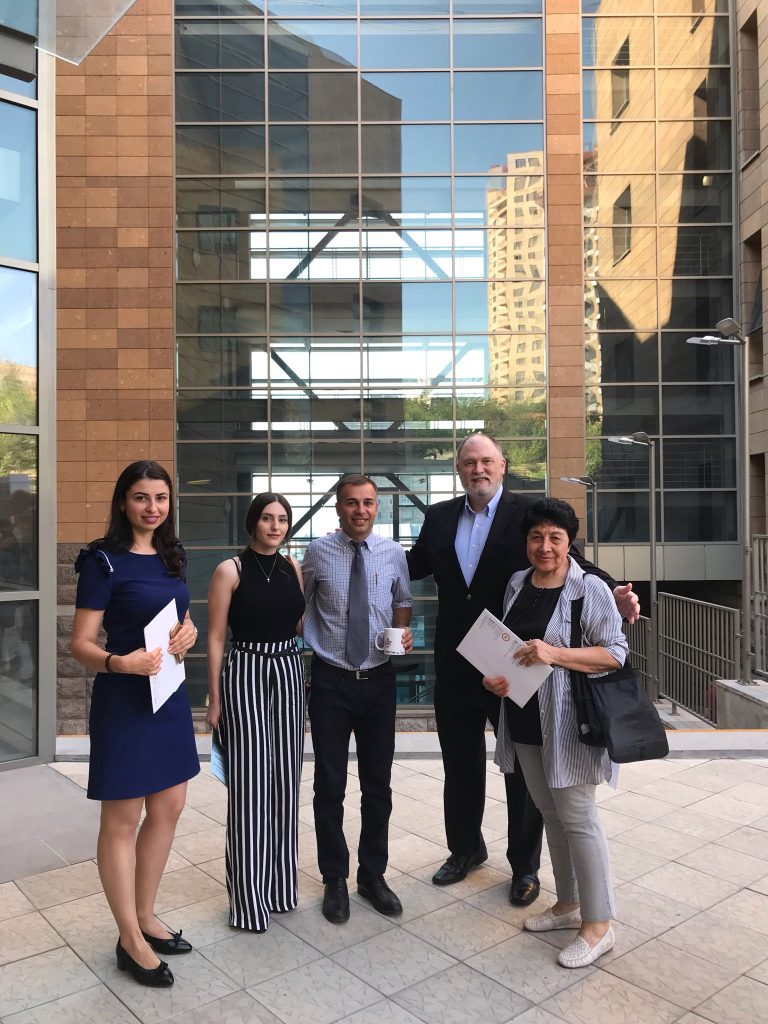
Fourth annual Armenia Ecotourism Conference: Key Stakeholders Gather to Discuss the Future of Ecotourism connected with Protected Areas - The International Ecotourism Society The fourth annual AUA Ecotourism Conference was held on August 30-31. The event was organized by the AUA Acopian Center for the Environment. in partnership with the Tourism Committee of the Ministry of Economy of the Republic of Armenia (RA), RA Ministry of Environment, WWF Armenia and Transboundary Joint Secretariat funded by the KfW German state-owned development bank and The International Ecotourism Society (TIES). Experts from The International Ecotourism Society, EUROPARC Federation, and the International Union for Conservation of Nature (IUCN) were among the key speakers. The invited participants included tour operators, policy makers, and protected area managers and experts. This year’s Conference focused on the role of protected areas in ecotourism and sustainable tourism development, which ensure protecting the environment and enabling nearby communities to benefit from growth in tourism. Protected Areas and the National/Regional Economy Dr. Thiago Souza, from the IUCN Commission on Protected Areas’ Tourism Specialists Group, talked about the global experience with investing in protected areas and the returns to the national and regional economies. “Politically, the value of investing in protected areas is often lost because we typically don’t make an adequate economic analysis,” points out Dr. Souza. He explains that in most places officials simply make an accounting or financial analysis. That is, they look at the budget of the protected area and the revenues generated from the entrance fees. “For most protected areas, the fees would be substantially smaller than the budgets of the protected areas,” he says. “In Brazil, for instance, budgets can be 9 times greater than fees collected.” But when an economic analysis is conducted, which considers more broadly the visitor spending and the tax and multiplier effects of this spending, a very different picture appears. “In Brazil, we’ve been able to show that for every dollar budgeted amount spent on protected areas, the national economy gains 15 dollars. The returns on investment are staggering,” says Dr. Souza. Europe shows smaller but still impressive numbers. Once adequate investments are made in the protected areas and the needed infrastructure, every euro spent on protected areas see 7 to 10 euros in GDP activity. A 2015 study shows that there are an estimated 8 billion visits per year to protected areas worldwide. This generates about US $600 billion per year in direct in-country expenditures. (Balmford et al, 2015). Growing Market of Ecotourism and Visiting Protected Areas Jon Bruno, the executive director of The International Ecotourism Society, offered a global perspective on the growth of the ecotourism sector. “Over 90 nations now have an ecotourism or sustainable tourism initiative nationally or at a regional level. This has happened in the last 30 years; there is no other form of tourism or industry that has become so fundamental to the global economy so quickly.” Mr. Bruno believes that this is a growing trend. And the travelers are developing greater sensitivity toward sustainable tourism. He says, “Travelers have greatly increased both their awareness of ecotourism and their willingness to increase payment to ensure a sustainable travel experience. Seventy percent of people under 30 say sustainable travel is a priority.” This is a market for which countries like Armenia have to be prepared as part of their efforts aimed at sustainable development. “Ecotourism and sustainable tourism can help local communities economically and create engagement for protecting their natural assets. Ecotourism provides the strongest community revenue and the best return on investment,” emphasizes Mr. Bruno. The fourth annual AUA Ecotourism Conference was held on August 30-31. The event was organized by the AUA Acopian Center for the Environment. in partnership with the Tourism Committee of the Ministry of Economy of the Republic of Armenia (RA), RA Ministry of Environment, WWF Armenia and Transboundary Joint Secretariat funded by the KfW German state-owned development bank and The International Ecotourism Society (TIES). Experts from The International Ecotourism Society, EUROPARC Federation, and the International Union for Conservation of Nature (IUCN) were among the key speakers. The invited participants included tour operators, policy makers, and protected area managers and experts. This year’s Conference focused on the role of protected areas in ecotourism and sustainable tourism development, which ensure protecting the environment and enabling nearby communities to benefit from growth in tourism. Protected Areas and the National/Regional Economy Dr. Thiago Souza, from the IUCN Commission on Protected Areas’ Tourism Specialists Group, talked about the global experience with investing in protected areas and the returns to the national and regional economies. “Politically, the value of investing in protected areas is often lost because we typically don’t make an adequate economic analysis,” points out Dr. Souza. He explains that in most places officials simply make an accounting or financial analysis. That is, they look at the budget of the protected area and the revenues generated from the entrance fees. “For most protected areas, the fees would be substantially smaller than the budgets of the protected areas,” he says. “In Brazil, for instance, budgets can be 9 times greater than fees collected.” But when an economic analysis is conducted, which considers more broadly the visitor spending and the tax and multiplier effects of this spending, a very different picture appears. “In Brazil, we’ve been able to show that for every dollar budgeted amount spent on protected areas, the national economy gains 15 dollars. The returns on investment are staggering,” says Dr. Souza. Europe shows smaller but still impressive numbers. Once adequate investments are made in the protected areas and the needed infrastructure, every euro spent on protected areas see 7 to 10 euros in GDP activity. A 2015 study shows that there are an estimated 8 billion visits per year to protected areas worldwide. This generates about US $600 billion per year in direct in-country expenditures. (Balmford et al, 2015). Growing Market of Ecotourism and Visiting Protected Areas Jon Bruno, the executive director of The International Ecotourism Society, offered a global perspective on the growth of the ecotourism sector. “Over 90 nations now have an ecotourism or sustainable tourism initiative nationally or at a regional level. This has happened in the last 30 years; there is no other form of tourism or industry that has become so fundamental to the global economy so quickly.” Mr. Bruno believes that this is a growing trend. And the travelers are developing greater sensitivity toward sustainable tourism. He says, “Travelers have greatly increased both their awareness of ecotourism and their willingness to increase payment to ensure a sustainable travel experience. Seventy percent of people under 30 say sustainable travel is a priority.” This is a market for which countries like Armenia have to be prepared as part of their efforts aimed at sustainable development. “Ecotourism and sustainable tourism can help local communities economically and create engagement for protecting their natural assets. Ecotourism provides the strongest community revenue and the best return on investment,” emphasizes Mr. Bruno. The fourth annual AUA Ecotourism Conference was held on August 30-31. The event was organized by the AUA Acopian Center for the Environment. in partnership with the Tourism Committee of the Ministry of Economy of the Republic of Armenia (RA), RA Ministry of Environment, WWF Armenia and Transboundary Joint Secretariat funded by the KfW German state-owned development bank and The International Ecotourism Society (TIES). Experts from The International Ecotourism Society, EUROPARC Federation, and the International Union for Conservation of Nature (IUCN) were among the key speakers. The invited participants included tour operators, policy makers, and protected area managers and experts. This year’s Conference focused on the role of protected areas in ecotourism and sustainable tourism development, which ensure protecting the environment and enabling nearby communities to benefit from growth in tourism. Protected Areas and the National/Regional Economy Dr. Thiago Souza, from the IUCN Commission on Protected Areas’ Tourism Specialists Group, talked about the global experience with investing in protected areas and the returns to the national and regional economies. “Politically, the value of investing in protected areas is often lost because we typically don’t make an adequate economic analysis,” points out Dr. Souza. He explains that in most places officials simply make an accounting or financial analysis. That is, they look at the budget of the protected area and the revenues generated from the entrance fees. “For most protected areas, the fees would be substantially smaller than the budgets of the protected areas,” he says. “In Brazil, for instance, budgets can be 9 times greater than fees collected.” But when an economic analysis is conducted, which considers more broadly the visitor spending and the tax and multiplier effects of this spending, a very different picture appears. “In Brazil, we’ve been able to show that for every dollar budgeted amount spent on protected areas, the national economy gains 15 dollars. The returns on investment are staggering,” says Dr. Souza. Europe shows smaller but still impressive numbers. Once adequate investments are made in the protected areas and the needed infrastructure, every euro spent on protected areas see 7 to 10 euros in GDP activity. A 2015 study shows that there are an estimated 8 billion visits per year to protected areas worldwide. This generates about US $600 billion per year in direct in-country expenditures. (Balmford et al, 2015). Growing Market of Ecotourism and Visiting Protected Areas Jon Bruno, the executive director of The International Ecotourism Society, offered a global perspective on the growth of the ecotourism sector. “Over 90 nations now have an ecotourism or sustainable tourism initiative nationally or at a regional level. This has happened in the last 30 years; there is no other form of tourism or industry that has become so fundamental to the global economy so quickly.” Mr. Bruno believes that this is a growing trend. And the travelers are developing greater sensitivity toward sustainable tourism. He says, “Travelers have greatly increased both their awareness of ecotourism and their willingness to increase payment to ensure a sustainable travel experience. Seventy percent of people under 30 say sustainable travel is a priority.” This is a market for which countries like Armenia have to be prepared as part of their efforts aimed at sustainable development. “Ecotourism and sustainable tourism can help local communities economically and create engagement for protecting their natural assets. Ecotourism provides the strongest community revenue and the best return on investment,” emphasizes Mr. Bruno.
  • Day One: The Macro-Economic Framework. The initial sessions focused on high-level strategy, with international speakers presenting case studies on the economic impact of protected areas and the global shift in consumer behavior.
  • Day Two: Governance and Implementation. The second day was dedicated to the "how-to" of sustainable management. Panel discussions explored the gaps in Armenia’s current legislative framework and identified specific opportunities for policy reform.
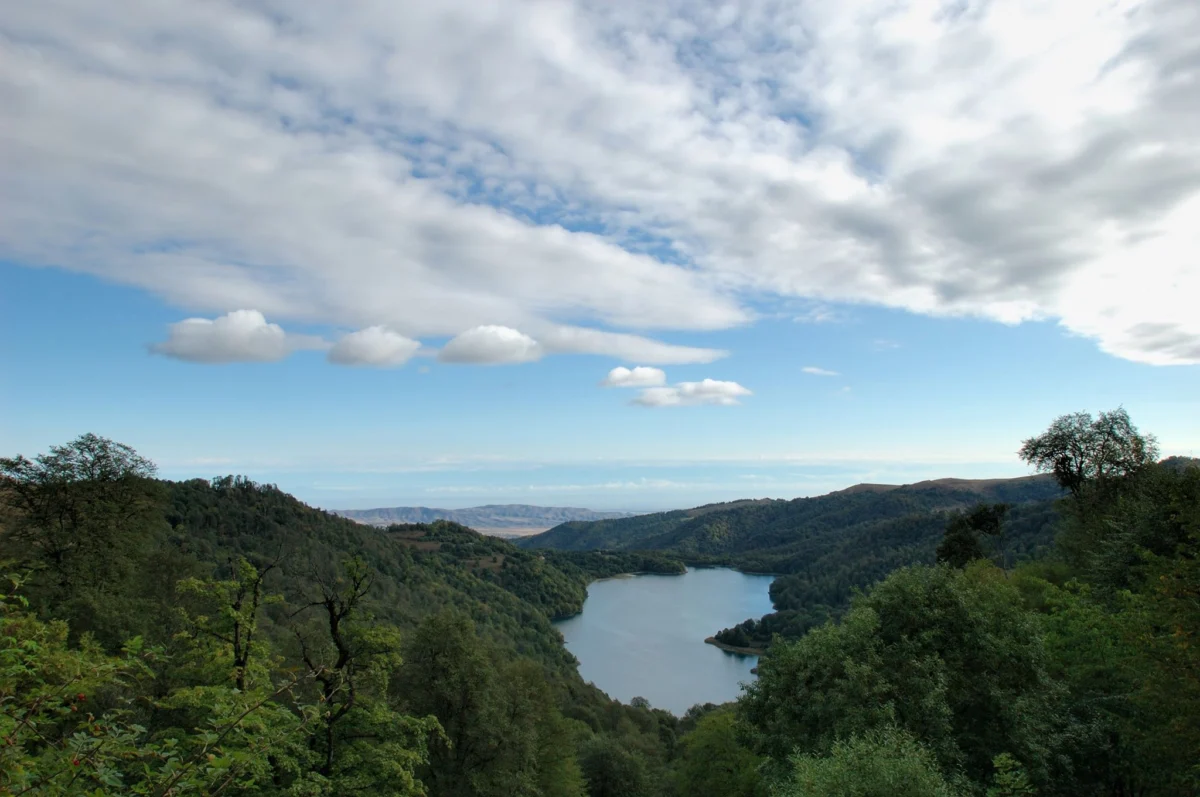
  • Site Visits: The conference concluded with field trips to the Dilijan Tourism Information Center, the Dilijan National Park Tourism Visitor Center, and the Caucasian Red Deer Reintroduction Center. These visits allowed attendees to observe existing infrastructure and discuss the logistical challenges of managing a national park that serves as both a biological sanctuary and a public-facing tourism destination.

Official Responses and Future Implications

The Ministry of the Environment of the Republic of Armenia viewed the conference as a transformative success. By fostering a direct line of communication between international experts and local stakeholders, the event bridged a critical gap in knowledge.

Strategic Growth Moving Forward

The immediate aftermath of the conference has seen a surge in initiatives aimed at developing a "positive growth strategy." The government is currently exploring how to replicate the successful community-engagement models seen in Europe. The goal is to ensure that the protected areas of Armenia become centers of local economic vitality rather than isolated zones of regulation.

The implications for the Armenian tourism sector are profound. If the nation can successfully integrate the standards suggested by the EUROPARC Federation and adopt the economic modeling proposed by the IUCN, Armenia is poised to become a premier destination for high-value, sustainable tourism. This, in turn, will provide the financial incentives necessary to protect the nation’s rare flora and fauna for generations to come.


Conclusion: A Collaborative Future

The fourth annual AUA Ecotourism Conference served as a catalyst for a more sophisticated, evidence-based approach to the environment. By moving away from viewing conservation as a cost and toward viewing it as a catalyst for sustainable economic growth, Armenia is positioning itself to lead in a competitive global market.

The International Ecotourism Society (TIES) continues to play a pivotal role in this transformation. As an organization dedicated to the synergy of travel and conservation, TIES remains available to assist nations like Armenia in hosting seminars, workshops, and further development projects. Those interested in partnering with TIES to advance these global standards are encouraged to contact their offices, as the work of protecting the planet—and the communities that inhabit it—requires constant, collective action.

Through such international collaboration, the dream of "green" growth is not just a policy aspiration—it is an achievable reality for the protected landscapes of Armenia.