Main Facts: The Critical Necessity of Decontamination in Aquatic Spills
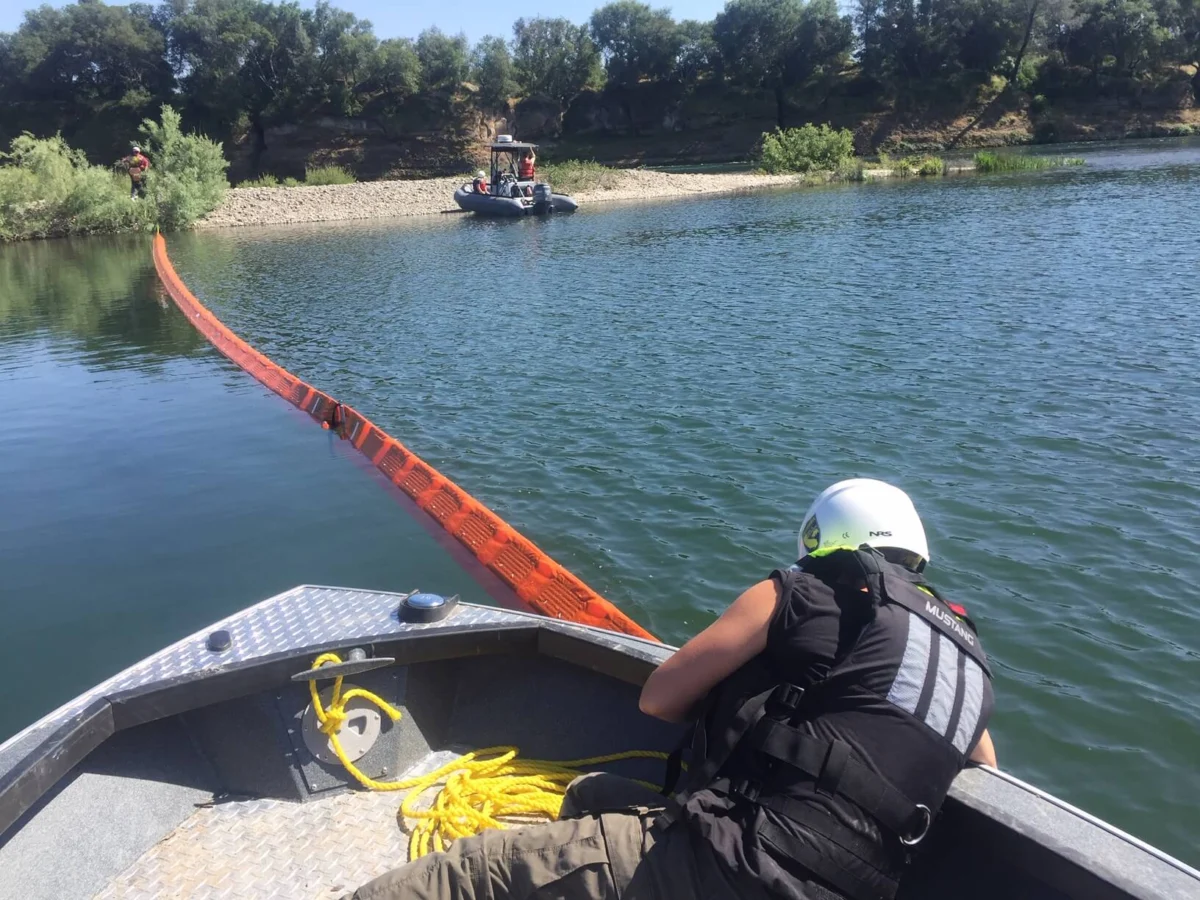
Inland oil spill response, particularly in fast-moving water environments, presents a unique set of challenges that distinguish it from traditional open-ocean or static-body remediation. The primary objective is to contain the hydrocarbon release before it impacts critical downstream ecosystems, municipal water intakes, or sensitive riparian habitats. However, a frequently overlooked pillar of this operation—often sidelined in the frantic initial hours of a spill—is the rigorous decontamination (decon) of personnel and equipment.
Decontamination is not merely a safety measure; it is an operational imperative. Failure to establish and maintain strict work zones results in the cross-contamination of clean areas, the unnecessary exposure of workers to volatile organic compounds (VOCs), and the potential for public health risks. Responders must be proactive and assertive about decontamination from the onset. By creating clearly defined Exclusion, Contamination Reduction, and Support zones (frequently categorized as Hot, Warm, and Cold, respectively), incident commanders can ensure that the transition of resources from the source of the spill to the support areas does not compromise the integrity of the entire response effort.
Chronology: Establishing the Decon Chain of Command
The establishment of a decontamination corridor is a phased approach that must be integrated into the Incident Action Plan (IAP) within the first operational period.
Phase 1: Pre-Deployment Site Mapping
Before a single responder enters the water, a site map must be generated. This map acts as the blueprint for the entire response. It must be granular enough to identify specific site features—such as river bends, access points, and boat launch areas—in relation to the established zones. The Exclusion Zone (EZ) is the area of highest hazard, where active recovery of oil is taking place. The Contamination Reduction Zone (CRZ) serves as the buffer, and the Support Zone (SZ) is the clean area where command and logistics reside.
Phase 2: The Initial Entry Protocol
As crews mobilize for their first shift, they must be briefed on the specific decon protocols for the day. Responders wearing Modified Level D or Level C protective equipment in the Hot Zone are strictly prohibited from entering the Cold Zone without first passing through the mandated decon stations.
Phase 3: The Decon Sequence
As the shift concludes or when personnel need to rotate out of the EZ, they must move through the stations in a specific order to prevent the migration of contaminants.
- Station 1: The focus is on the removal of gross contamination. Before any PPE is removed, the outer clothing and boots are scrubbed to dislodge heavy, viscous oil.
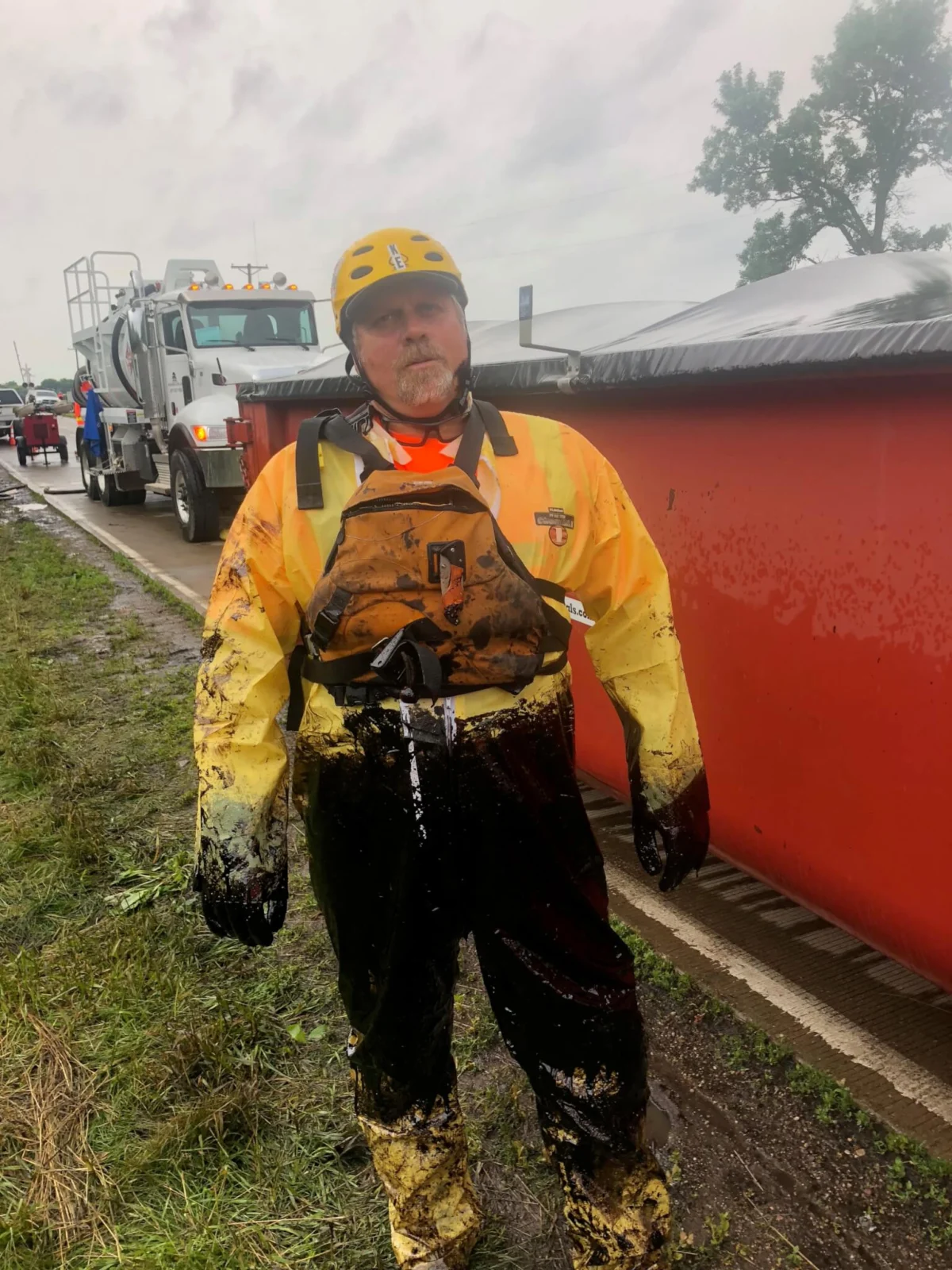
- Station 2: Responders remove outer garments and gloves, which are immediately sequestered in properly labeled, hazardous waste-compliant containers. Hard hats and boots are then treated with an aqueous solution of detergent or a specialized cleaning agent to break down the hydrocarbon bond. These items are then carried, not worn, to the next phase.
- Station 3: Personnel perform a final wash of their hands and face. If respirators were utilized, they are sanitized at this stage and secured in clean, airtight plastic bags to prevent off-gassing or re-contamination during transport.
Supporting Data: PPE and Equipment Integrity
Effective decontamination is heavily dependent on the quality and nature of the protective equipment used. In fastwater environments, the wear and tear on materials is accelerated by the physical demands of wading, boat operations, and the abrasive nature of river sediment combined with oil.
Single-Use vs. Reusable PPE
Industry best practices dictate that whenever possible, single-use, external protective clothing should be the standard for work within the EZ or CRZ. The cost-benefit analysis of disposal versus decontamination consistently favors disposables for outer layers, as they eliminate the risk of residual contaminants remaining in fabric pores.
However, when reusable protective clothing is required, it must be rinsed on-site using a managed system. The rinsate—the liquid runoff from the cleaning process—cannot be allowed to enter the waterway. It must be collected in bladders or tanks for off-site disposal in accordance with state and federal regulations.

Vehicle and Mechanical Decontamination
Vehicles represent the largest potential for "leakage" of contamination from the Hot Zone into the public sphere. All vehicles entering the EZ must undergo a documented cleaning process at a designated decontamination pad before leaving the site.
- Low-level contamination: For vehicles that have only skirted the edges of the zone, a focused rinse of tires and wheel wells is often sufficient.
- High-level contamination: If a vehicle has been exposed to significant spray or direct contact with the slick, steam cleaning or high-pressure washing is required. This requires a dedicated pad equipped with an oil-water separator to ensure that the water used for cleaning does not inadvertently contribute to the secondary pollution of the site.
Official Responses and Safety Standards
Regulatory bodies, including the EPA and the Occupational Safety and Health Administration (OSHA), emphasize that the "decon" process is the most dangerous time for a responder. It is the moment when they are at their most vulnerable, as they are removing protective layers.
Professional response organizations note that incident commanders who prioritize speed over decon protocols are prone to "site creep." This occurs when contamination spreads from the riverbanks to support vehicles, then to staging areas, and eventually into the surrounding community. Official safety bulletins reiterate that the decon process must be "assertive." If a responder is observed rushing through the stations, the Site Safety Officer (SSO) has the authority to halt the process and re-educate the responder. In the context of inland spills, where the public is often in close proximity to the work, there is zero tolerance for the tracking of contaminants.
Implications: The Long-Term Impact of Decontamination
The implications of a robust decon program extend far beyond the immediate safety of the responder.
Environmental Integrity
By containing the oil within the decon pads and the labeled waste containers, the response team avoids the irony of polluting the environment they are trying to save. Every liter of oil that is properly sequestered in a drum is a liter that will not wash back into the watershed during the next rain event.
Public Relations and Community Trust
When a spill occurs near a community, the public watches the response teams closely. If local residents see vehicles leaving the site covered in oil and tracking sludge onto public roads, trust in the response effort collapses. A professional decon process is a highly visible sign that the responsible parties and the response contractors are taking their commitment to the community seriously.
Responder Health and Morale
Finally, the mental and physical health of the responders is the highest priority. Chronic exposure to oil, even through dermal contact with "clean" looking equipment, can lead to long-term health complications. By treating the decon protocol with the same seriousness as the recovery effort itself, agencies demonstrate that they value the human element of the operation.
In conclusion, the Fastwater Spill Response model is a holistic system. The actual recovery of oil from the water is only one half of the equation; the protection of the people and the containment of the waste through rigorous decontamination is the other. As inland spills become a more frequent concern for emergency planners, the standardization of these decon protocols will serve as the benchmark for successful, responsible, and safe environmental remediation. A failure to decontaminate is, in the eyes of modern safety standards, a failure of the response itself.