By Samuli Haapasalo | August 11, 2026
The northern hemisphere’s vast, icy expanses are home to some of the most specialized avian species on the planet. Among these, the loons (Gaviidae) stand out as icons of the wild. Their vocalizations—haunting, powerful, and at times unnervingly primal—echo across the tundra and through the fjords of the high north. While the smaller red-throated loon is known for being among the most vocal creatures in the northern regions, the true titan of this family is the yellow-billed loon (Gavia adamsii), a bird that embodies the raw, untamed spirit of the Arctic.
Main Facts: The King of the North
The loon family consists of five distinct species, ranked by size from largest to smallest: the yellow-billed loon, the common loon (often referred to as the Great Northern Diver), the black-throated loon, the arctic loon (formerly considered a subspecies of the black-throated, but now recognized as a distinct species), and the red-throated loon.
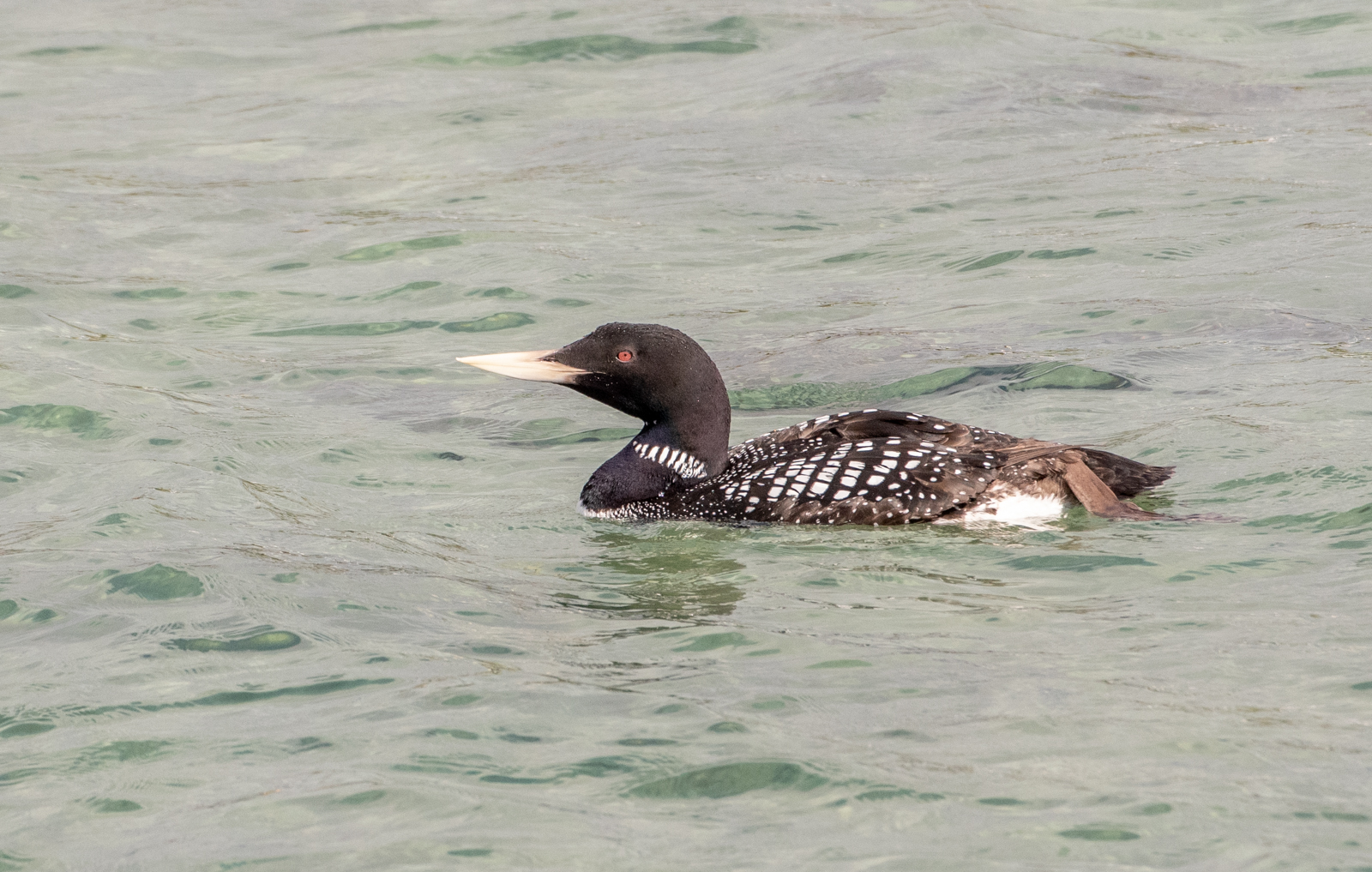
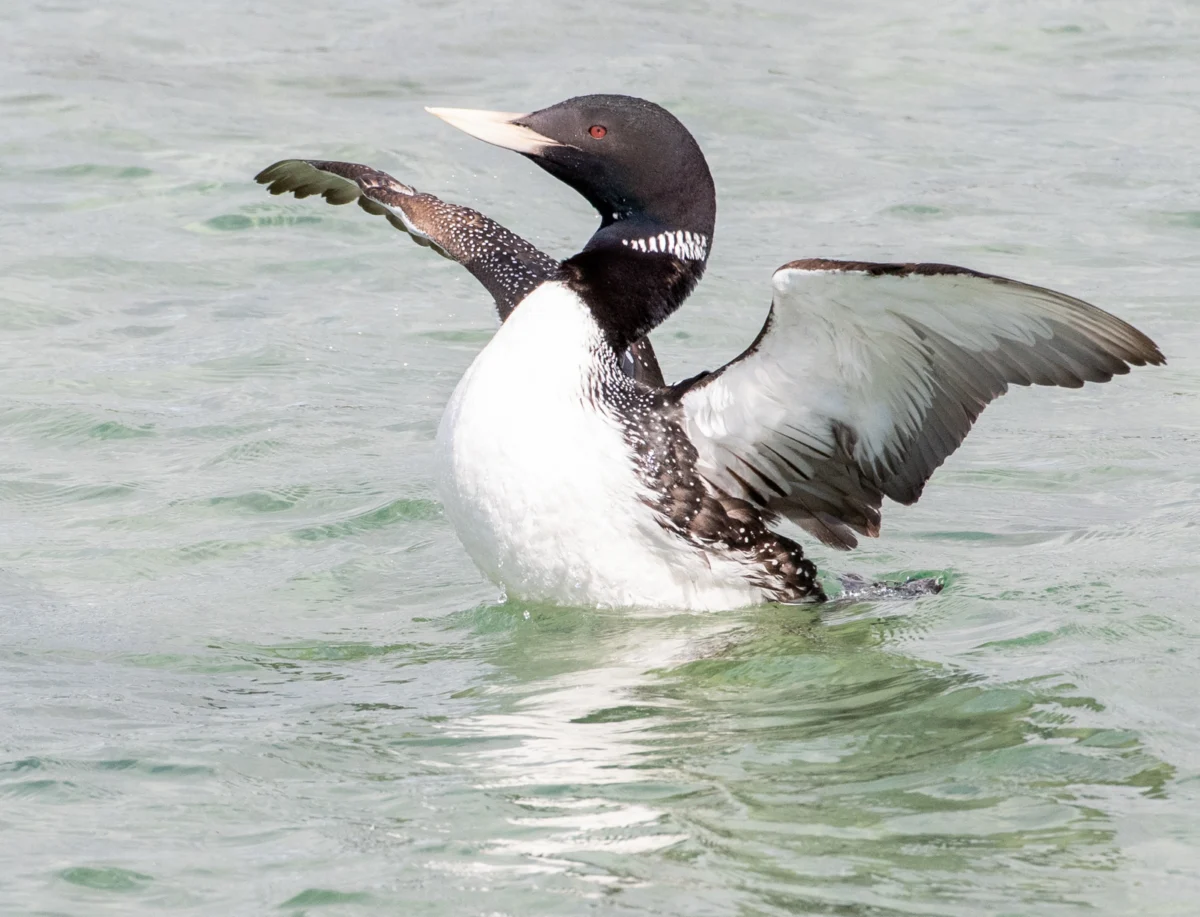
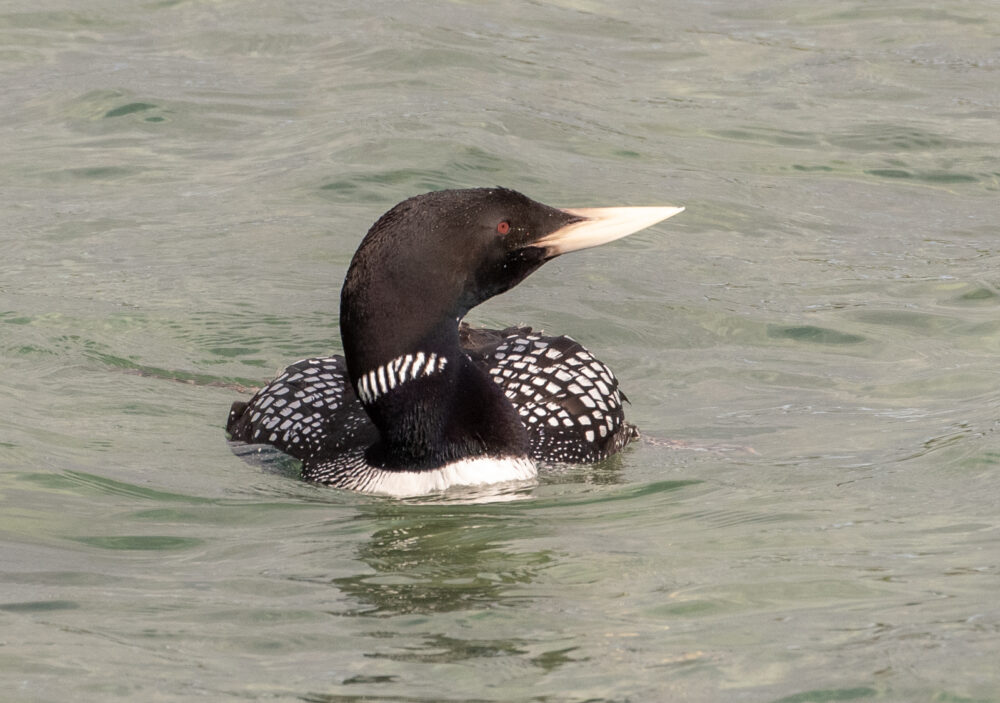
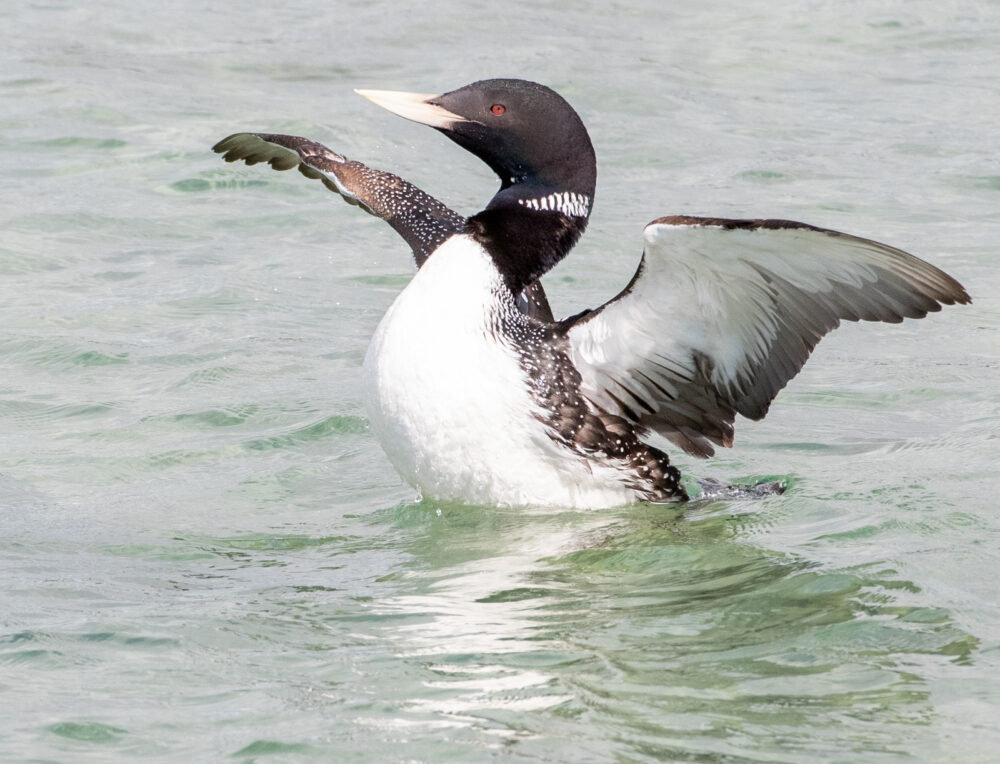
The yellow-billed loon, known in older literature as the "white-billed diver," is a creature of imposing stature. Its most defining physical characteristic—and the source of its name—is its massive, pale-yellow, slightly upturned bill. During the breeding season, the bird is a masterpiece of evolutionary design. Its head and neck are clad in deep, iridescent black, accented by intricate, jewelry-like white spots that shimmer against the dark plumage. Its back and wings display a bold, contrasting pattern, while its underbelly remains a stark, brilliant white.
These birds are not merely survivors; they are specialized masters of their environment. They are migratory, shifting between remote, freshwater Arctic breeding grounds and coastal, marine wintering habitats. They are as much at home in the turbulent, salt-heavy waters of the Barents Sea as they are on the tranquil, isolated lakes of the high-latitude tundra.
Chronology of a Northern Encounter: Ekkerøy, July 2026
My recent expedition to the Varanger Peninsula in Northern Norway provided a rare window into the life of this elusive species. On July 30, 2026, near the historic fishing village of Ekkerøy, I spent several hours observing a yellow-billed loon as it navigated the cold waters of the Varanger Fjord.
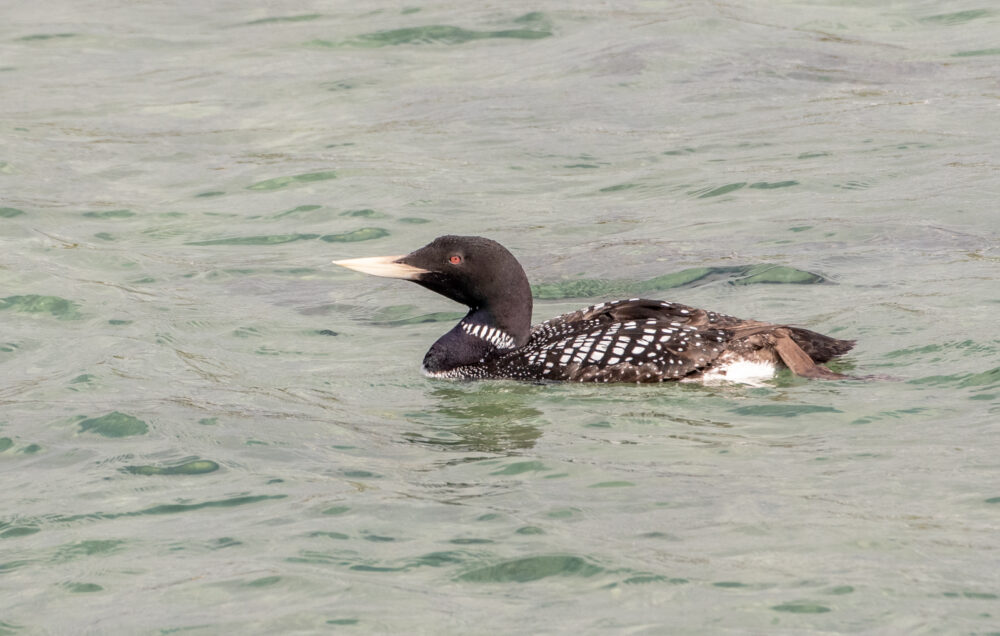
Ekkerøy is a quintessential location for those seeking a glimpse into the Arctic’s biodiversity. With its historic harbor, bird cliffs, and proximity to major migratory corridors, it serves as a vital waypoint. For my observation, I took cover behind the remnants of a wooden fishing boat—a "sea-souter"—abandoned in the old harbor. This makeshift blind allowed me to remain undetected as the loon went about its business.
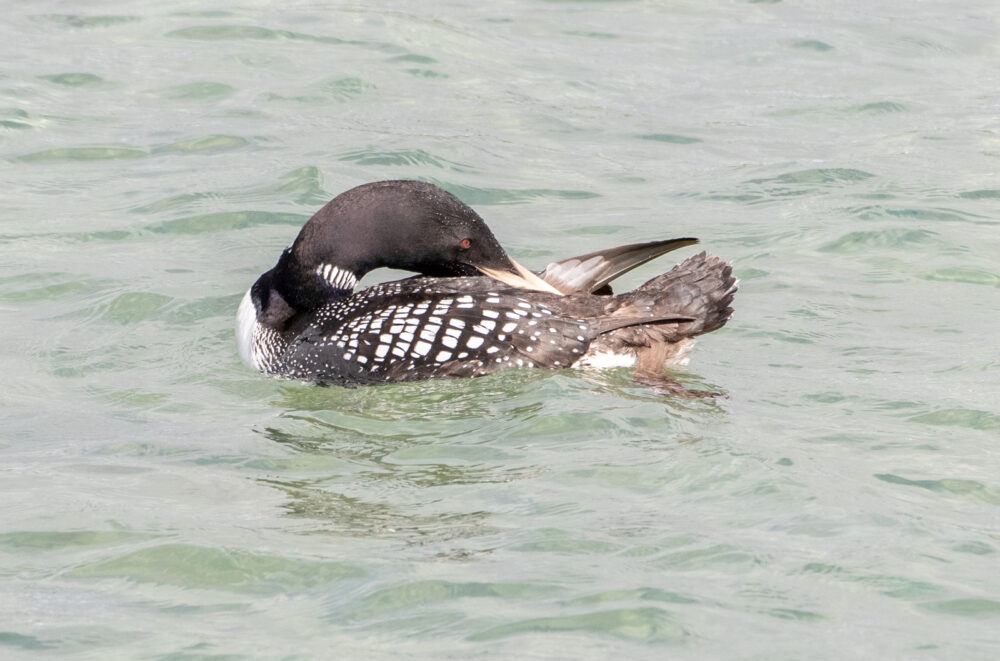
The bird was remarkably close, providing an intimate look at its preening behavior. It spent significant periods tending to its feathers, shaking off the salt of the ocean, and periodically tucking its head into its back to sleep—a behavior common among loons that allows them to conserve energy in the frigid water.
This observation was not an isolated incident. Throughout the late summer of 2026, several yellow-billed loons were sighted in the region, drawing birders from across Europe. The area near Hamningberg, looking out toward both the Syltefjord and the Varanger Fjord, remains one of the most reliable locations for spotting these birds in their wintering plumage, particularly for those willing to brave the harsh, windswept coastline.
Supporting Data and Global Distribution
The global population of the yellow-billed loon is sobering in its scarcity. Estimates provided by ornithologists, including those cited by Koskimies in Suomen Linnut, place the total world population at approximately 8,000 to 16,000 breeding pairs. Their range is vast but fragmented, stretching from the remote reaches of Novaya Zemlya and the Chukchi Peninsula in Russia to the northern expanses of Alaska and Canada’s Hudson Bay.
Historically, the species was even closer to the Nordic countries. Records from the renowned ornithologist Merikallio indicate that yellow-billed loons once nested as far west as the Pechenga region (Petsamo). Today, however, they are classified as a species of conservation concern. While they can occasionally be seen in the Gulf of Finland during the "Arktika" migration—a massive movement of birds across the region—they are rare visitors. Most sightings are restricted to their primary wintering grounds in the Barents Sea, where the nutrient-rich, deep-water fjords provide the necessary sustenance for these heavy-bodied divers.
Implications of Environmental Change
The yellow-billed loon is a sentinel species. As an apex predator in the aquatic ecosystems of the Arctic and sub-Arctic, its health is inextricably linked to the integrity of its environment. Unfortunately, that environment is undergoing unprecedented transformation.
1. The Fragility of the Breeding Grounds
Loons are highly sensitive to hydrological changes. The drainage of wetlands and the alteration of permafrost-fed ponds directly impact their ability to raise chicks. Industrial expansion, particularly the development of Arctic oil and gas fields, brings with it the risk of habitat fragmentation and toxic runoff.
2. The Dangers of the Deep
During the winter months, these birds congregate in the open sea. This leaves them vulnerable to marine pollution. Oil spills in the Barents Sea or along the North American coastlines could be catastrophic for such a small, slow-breeding population. Furthermore, the increase in commercial fishing has led to higher rates of accidental mortality, with loons frequently drowning after becoming entangled in stationary fishing nets.
3. Human-Nature Conflict
The relationship between humanity and the Arctic is currently characterized by a level of recklessness that threatens to unravel the delicate tapestry of northern biodiversity. From the degradation of spawning grounds to the warming of the oceans, the cumulative impact of human activity is forcing these birds into smaller, less hospitable corners of the world.
Conclusion: A Call for Vigilance
As I watched the yellow-billed loon drift through the waters of the Varanger Fjord, I was struck by the contrast between its elegance and the precariousness of its existence. It is a creature of the ice, a living relic of the northern wild that demands our respect and, more importantly, our protection.
The yellow-billed loon does not ask for much—only the silence of a tundra lake and the relative safety of an undisturbed, fish-rich coastline. To lose these birds would be to lose a voice of the north, a haunting reminder that we are merely guests in their pristine, unforgiving realm. As we look toward the future, the survival of the yellow-billed loon depends on our ability to value the Arctic not as a resource to be exploited, but as a sanctuary to be preserved.
The "white-billed diver" is waiting. It is up to us to ensure that its call continues to echo across the fjords for generations to come.