The landscape of Finnish youth sports is undergoing a profound metamorphosis. At the heart of this change lies a bold, experimental approach to football development: the Huuhkaja- ja Helmaripolku (Eagle-Owl and Helmari Path) development event for 10-year-olds. Now in its third year, this collaborative initiative between the Football Association of Finland (Palloliitto) and the Eerikkilä Sports Institute is challenging traditional notions of how children should learn, play, and compete.
By discarding the rigid constraints of traditional match-day structures, organizers are aiming to foster a culture of autonomy, creativity, and sustained joy for the game. This year’s event, spanning two days, brings together 50 teams from across the country, serving as a laboratory for a new pedagogical philosophy in Finnish athletics.
The Evolution of the Development Path
The development path for children aged 10–17 is not merely a tournament; it is a strategic effort to align coaching practices with the developmental realities of childhood. The program, developed in close cooperation between the Football Association, Eerikkilä, and local clubs, is a response to a growing concern: that the professionalization of youth sports has, in some ways, stifled the very "play" that makes the sport enjoyable.
Antti Kekkonen, Service Manager for football services at the Eerikkilä Sports Institute, acknowledges that the transition away from traditional structures was initially met with skepticism. "We are all very accustomed to certain frames and rules," he explains. "Letting go of those can initially feel difficult." However, the results suggest that the "difficult" path is the one leading to more engaged, competent, and motivated young athletes.
Chronology of a Paradigm Shift
The journey toward this current format began with a deep analysis of childhood development processes in team sports. Over the past three years, the organizers have systematically removed barriers to player-led decision-making.
- Year 1 (The Pilot Phase): Initial introduction of mixed-format play, focusing on increasing the number of touches on the ball and reducing time spent on the bench.
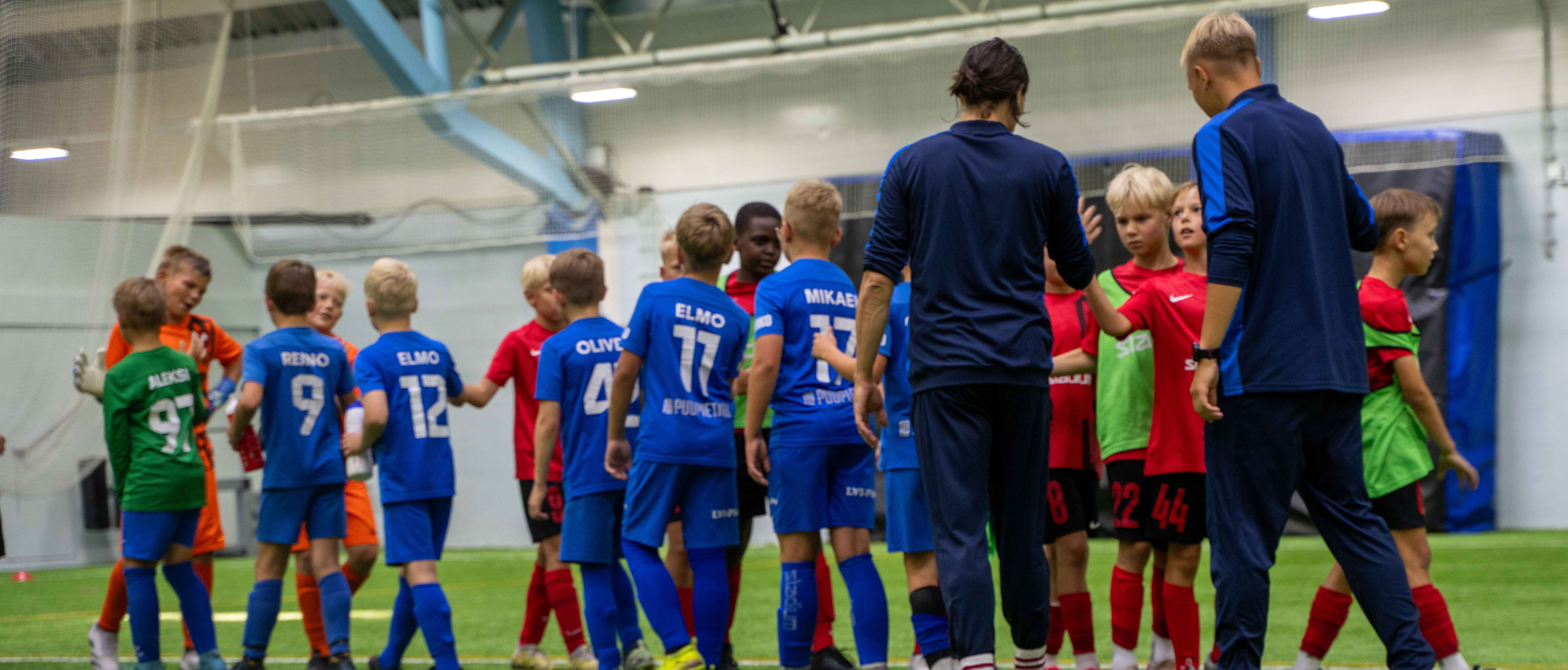
- Year 2 (The Refinement Phase): The introduction of referee-less matches. The goal was to see if 10-year-olds could manage the social and rule-based demands of a game without adult intervention.
- Year 3 (The Expansion Phase): The current event, which has fully integrated diverse pitch sizes and simultaneous match formats, proving that children do not require a constant adult "whistle" to understand the game’s flow and social dynamics.
Supporting Data: The Mechanics of the New Format
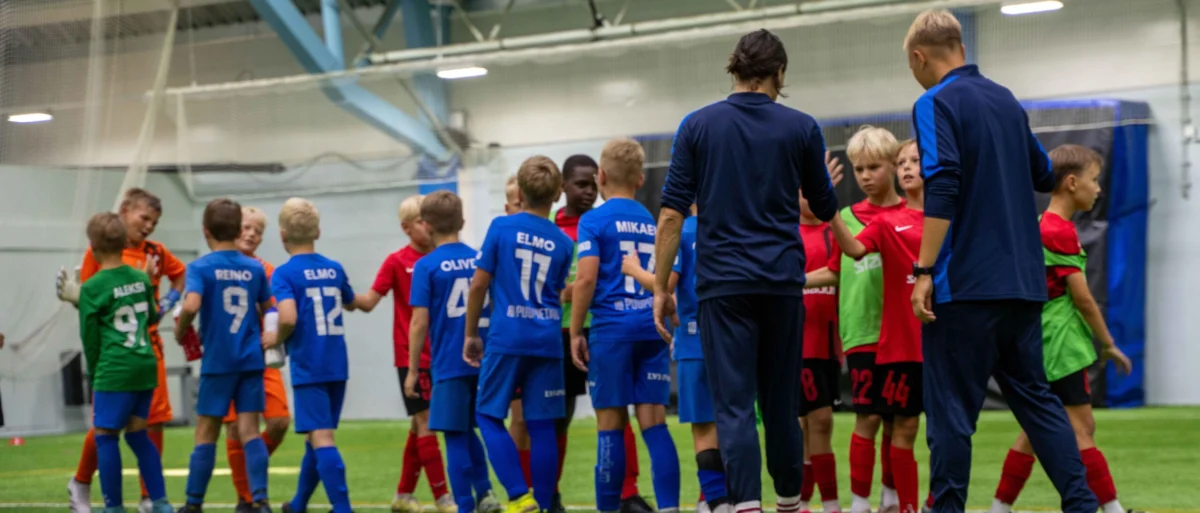
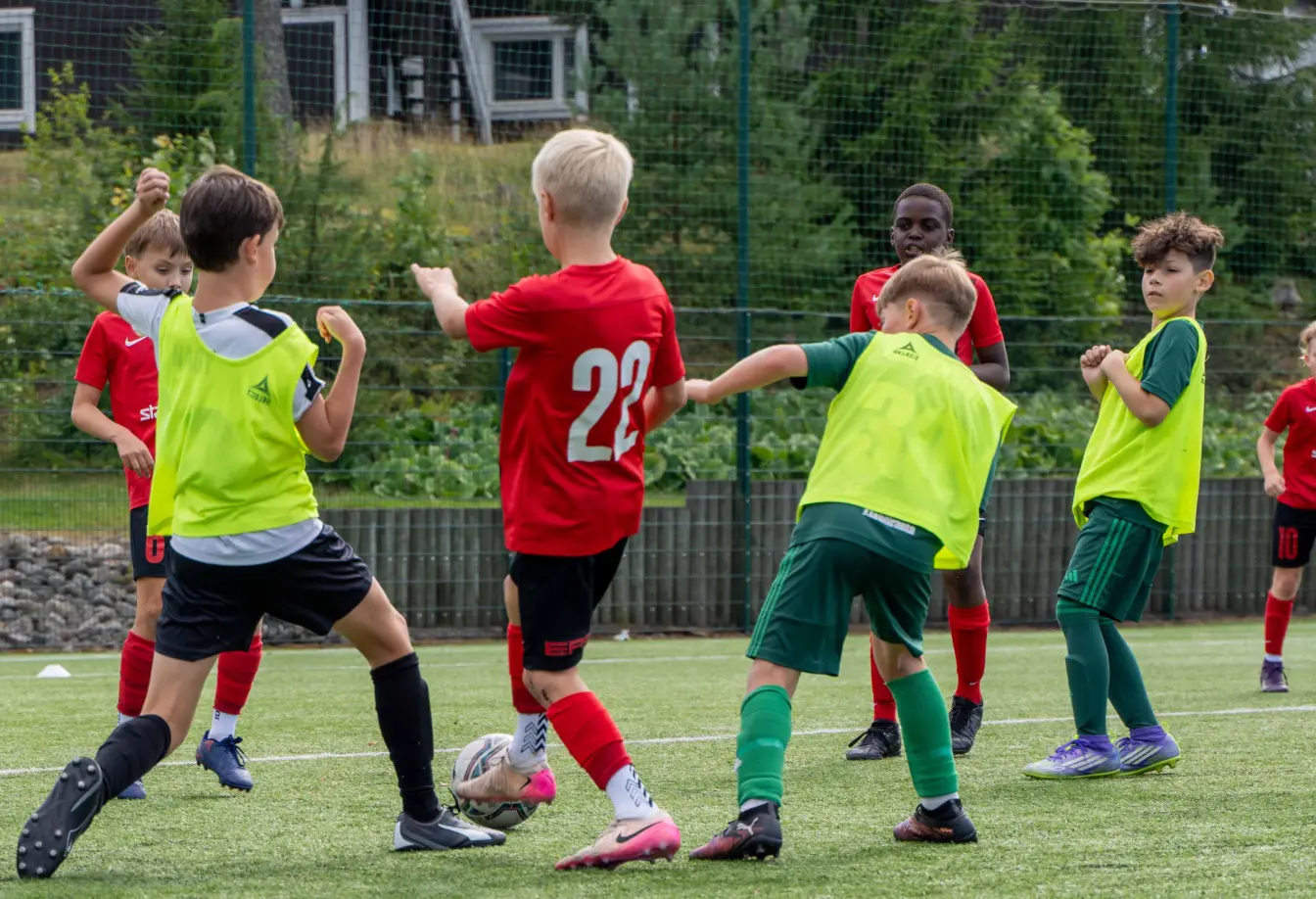
The core innovation of the event lies in its flexibility. By alternating between 7 vs. 7 matches on varying pitch sizes and 4 vs. 4 games, the program forces players to constantly adapt their cognitive and physical strategies.
"A team might play its first game on a larger pitch and then move to a smaller green for the next," Kekkonen notes. "4 vs. 4 games are played in parallel. One team essentially plays on two fields simultaneously. Meanwhile, those on the sidelines are not idle; they are engaged in structured 1 vs. 1 drills."
This structure serves a dual purpose: it maximizes physical "toistoja" (repetitions) and forces players to solve tactical problems in real-time. Without a referee, the children have learned to resolve disagreements—a skill that is arguably more valuable for their long-term development than learning to rely on an authority figure to halt play for every minor infraction.
Young participant Aaro reflected on this, noting: "I haven’t seen many free kicks. In fact, I don’t think I’ve seen any. So, there are no free kicks." This observation captures the success of the format—the game flows, the children remain focused on play rather than penalties, and the social friction is handled internally by the players themselves.
Official Responses and Pedagogical Intent
Jani Tulehmo, the Football Association’s Development Manager for children’s coaching, emphasizes that the goal is to create a holistic environment where families are involved and coaches are continuously educated.
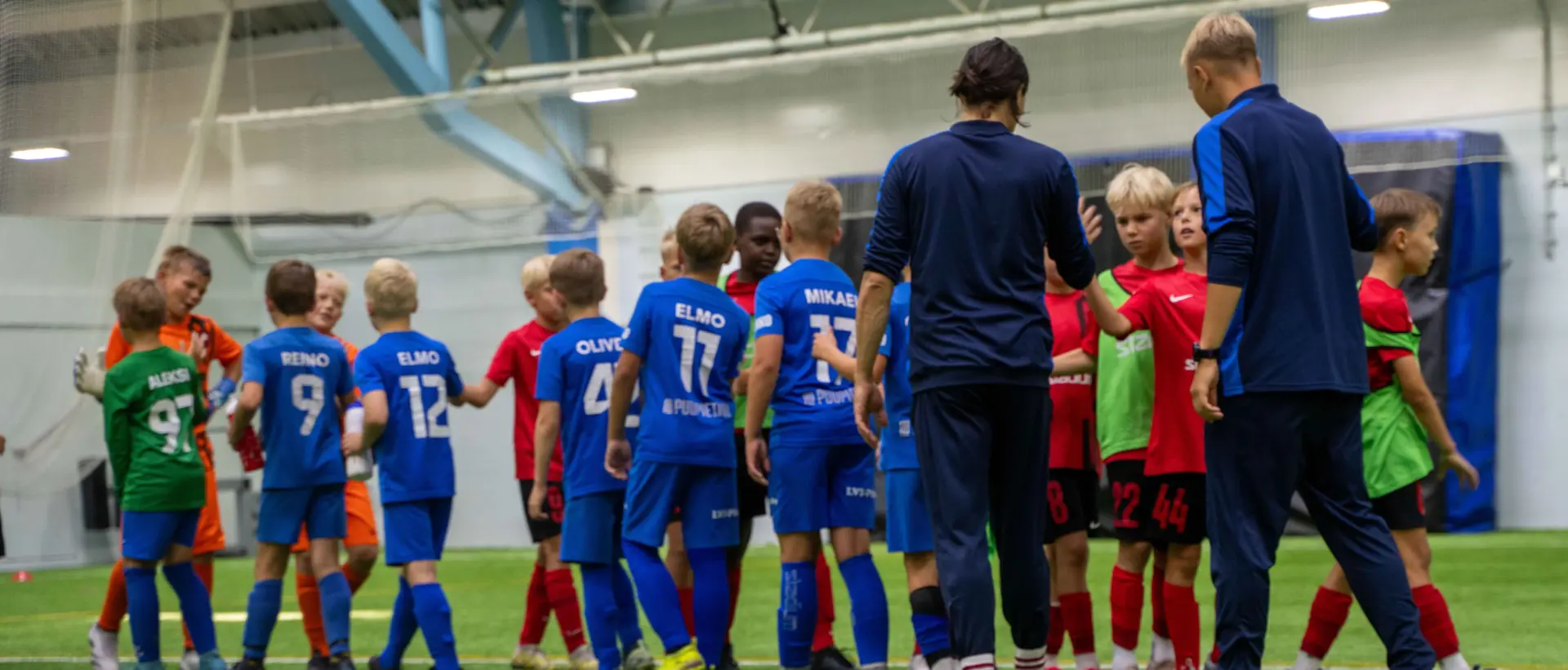
"If we think about 10-year-old children, rules do have their place, but they must be applied in a way that suits their world and supports the ‘throwing oneself into the game’ theme," Tulehmo explains. "The playing must be insightful and inspiring. It is important to strengthen the child’s own sense of self-efficacy."
Tulehmo highlights that the emphasis is firmly on development over standings. "In every game, there is competition, and we play to win, but we do not play for final rankings. Developing the player is what matters most." This philosophy is a deliberate move to curb the "trophy-hunting" culture that often leads to burnout and early dropouts.
The Role of the Family: Beyond the Sidelines
A critical component of this initiative is the engagement of parents. Often, parents of young athletes are the loudest voices on the sideline, sometimes putting undue pressure on the child. The Eerikkilä event includes sessions for parents focused on the realities of growing into an athlete.
Discussions cover topics such as:
- The total volume of movement: Why is unstructured play as important as organized training?
- Lifestyle choices: How do diet, sleep, and screen time affect athletic performance?
- The balance of time: How much should a child practice on their own versus within a club?
By educating parents, the program aims to create a support system that lasts long after the two-day event concludes, ensuring that the child’s passion for football is nurtured at home as well as on the pitch.
Implications for the Future of Finnish Sports
The initiative comes at a time when Finnish youth sports are facing a "moment of truth." Research consistently shows that children are moving less, dropping out of organized sports at an earlier age, and showing a decline in fundamental motor skills. The age at which children enter organized sports is decreasing, but ironically, the duration of their participation is shrinking.
The Finnish Olympic Committee and 40 national sports federations have recognized that these trends are unsustainable. "None of these trends are positive in light of research," the committee notes. The effort currently being championed by the Football Association is part of a broader, nationwide strategy to reclaim the joy of sports.
The implications are clear: if the sport does not provide a sense of belonging, autonomy, and the ability to dream, the child will simply walk away. By allowing children to take ownership of the game—by letting them play on varied surfaces, manage their own match-play, and focus on skill acquisition rather than league tables—the Football Association is attempting to build a sustainable model for the next generation of "Huuhkajat" (Eagle-Owls) and "Helmarit" (Stalwarts).
Conclusion: A Blueprint for Joy
The feedback from coaches, parents, and the children themselves has been overwhelmingly positive. The children, when asked, focus on the sheer volume of play. They enjoy the pace, the movement, and the lack of interruptions. For the coaches, the format offers a unique window into a player’s true ability. Seeing a player perform in multiple contexts—from the expansive space of a 7 vs. 7 pitch to the tight, high-intensity environment of a 4 vs. 4 game—reveals strengths and developmental needs that a standard, static match could never illuminate.
As Finland looks to the future of its athletic culture, the lessons from Eerikkilä are a beacon of hope. By trusting children to be the architects of their own play, the organizers are doing more than just teaching them to kick a ball; they are teaching them to be active, engaged, and resilient individuals. It is a bold, necessary experiment that proves, when you remove the barriers, what remains is the pure, unadulterated joy of the game.