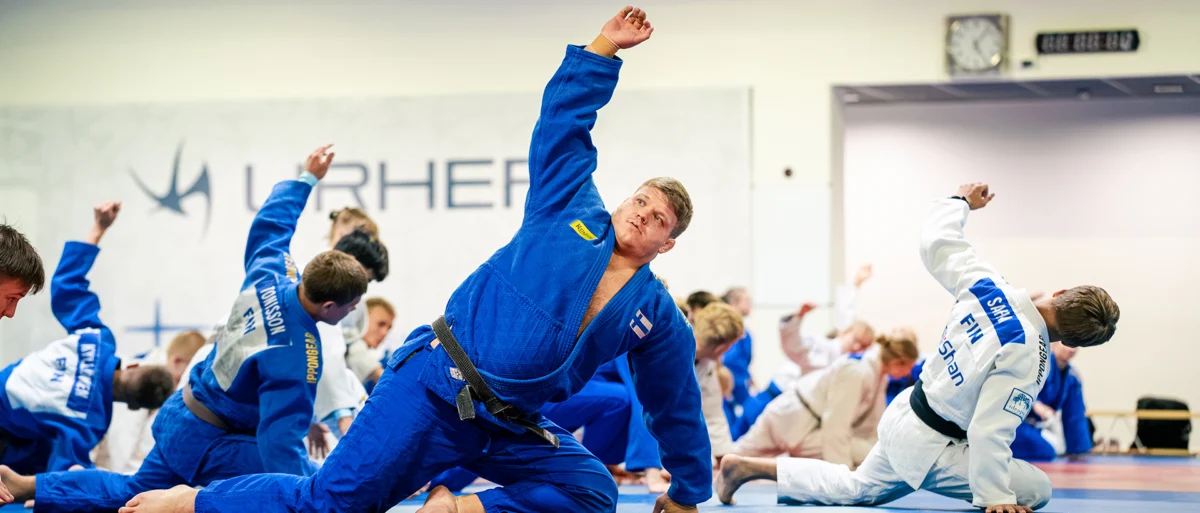
In the quiet, focused intensity of the Urhea sports campus in Helsinki, a transformation has taken place that has sent ripples through the international judo community. Once a sport where Finnish athletes were regarded as respectful participants, Finnish judo has metamorphosed into a powerhouse of podium contenders. With a series of historic breakthroughs—ranging from European titles to long-awaited World Championship medals—Finland has proven that a small nation can dismantle the traditional hierarchies of global combat sports through systemic precision and an unyielding commitment to excellence.
The Catalyst for Change: Breaking a 43-Year Drought
The narrative of Finnish judo’s resurgence is anchored by a few landmark performances that shifted the national mindset. In 2023, Martti Puumalainen stunned the world by clinching the European Championship gold in the over-100kg category, a feat that signaled the arrival of a new Finnish era. His success was not an isolated incident; it served as a catalyst.
A year later, Luukas Saha broke a 43-year silence, securing a bronze medal at the World Championships—a tournament where Finnish representation had long been absent from the podium. Saha’s momentum did not stop there; he has since solidified his status as a world-class athlete by consistently medaling in European Championships, claiming both bronze and silver honors.
This momentum has filtered down to the next generation. The year 2025 served as a coronation for young talents: Louna-Lumia Seikkula captured the U23 European title, while Sofia Pekki ascended to the top of the podium at the U18 European Championships. These are not merely individual achievements; they are the fruits of a deliberate, long-term strategic shift in how Finland approaches elite sport.
The Blueprint: Centralization and Professionalization
The success of the past three years was not a matter of luck, nor was it the result of "magic tricks." Instead, the Finnish Judo Association embarked on a comprehensive restructuring of its high-performance model.
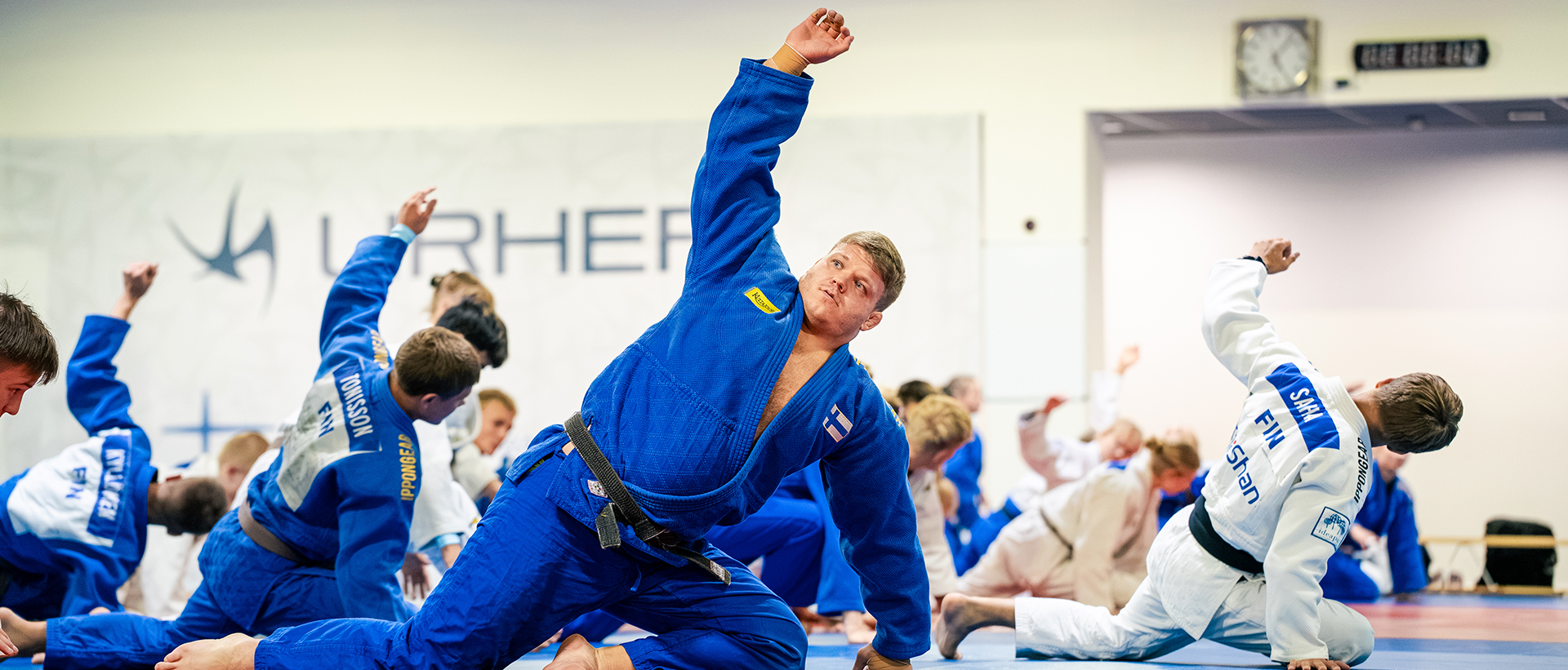
Previously, the national training ecosystem was fragmented, with operations split between Pajulahti, Tampere, and the capital region. Otto Favén, the Association’s organization and coaching director, admits that this decentralized approach was unsustainable. "Our resources were spread too thin," he explains. "We weren’t effectively supporting the athletes across three distinct locations."
The construction of the Urhea campus provided the perfect opportunity for a pivot. The decision was made to centralize all elite operations in Helsinki, bringing athletes, world-class coaching staff, and state-of-the-art training facilities under one roof. To lead this transformation, the federation recruited Slovenian expert Rok Draksic.
"Centralization wasn’t an end in itself," says Favén. "It was our mechanism to force an elevation in standards."
Building a Winning Culture: The Draksic Philosophy
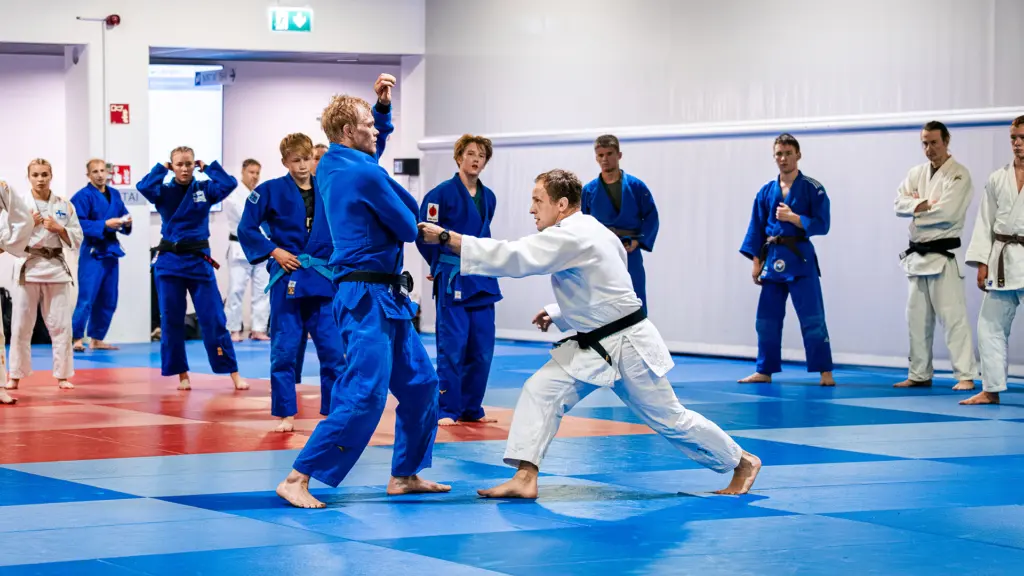
When head coach Rok Draksic arrived, he identified a psychological barrier that transcended physical ability. "There was no ‘winning culture’ in Finland," Draksic observes. "The athletes didn’t know how to win. They lacked the intrinsic belief that they belonged on the podium."
Draksic began a systematic recalibration of the athletes’ mindsets. He insisted that his judokas look their international opponents in the eye and approach every bout with the conviction that victory was not only possible but expected. This shift in attitude was supported by a radical increase in daily operational standards.
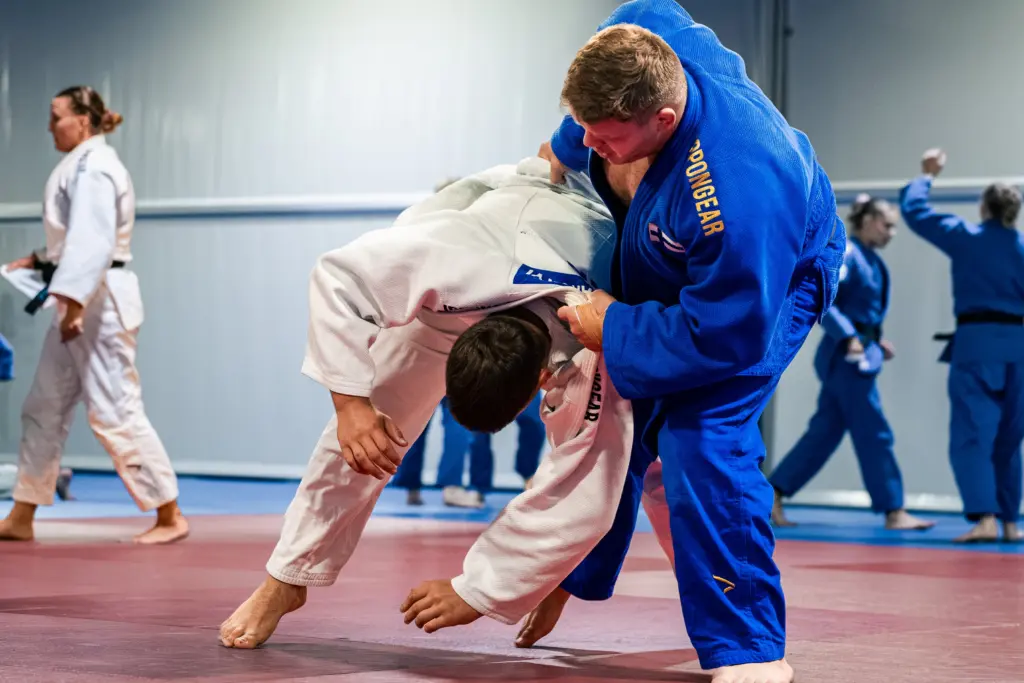
"It started with the basics," says Favén. "Punctuality, professional conduct on the tatami, and absolute commitment to training protocols. We made high standards a non-negotiable part of daily life."
The "More and Harder" Methodology
Draksic’s training philosophy is demanding, built on the principle that to compete with nations like France—which possesses massive talent pools and resources—Finland must be more efficient and more rigorous.
- High-Intensity Repetition: Every session is treated as a competition. There is no room for cutting corners; every movement is performed with maximum intensity.
- Strategic Sparring: Athletes are required to seek out training partners who are superior to them. "If you only train with people you can beat, you stop growing," the coaching staff emphasizes.
- Data-Driven Recovery: Increased physical demand requires sophisticated monitoring. The team now uses weekly load tracking, adjusting training volumes based on physiological test results to ensure peak performance during competition cycles.
A Clear Path from Junior to Elite
One of the most significant structural changes has been the creation of a definitive, transparent pathway for young athletes. While elite training is concentrated in Helsinki, the federation has worked to integrate the national system with regional club activities.
"In the past, we had a system, but it wasn’t connected to a long-term vision," Favén notes. "Now, a young judoka in a regional club understands exactly what they need to do to progress. There is a clear roadmap to the adult elite level, and they can see the milestones they need to hit."
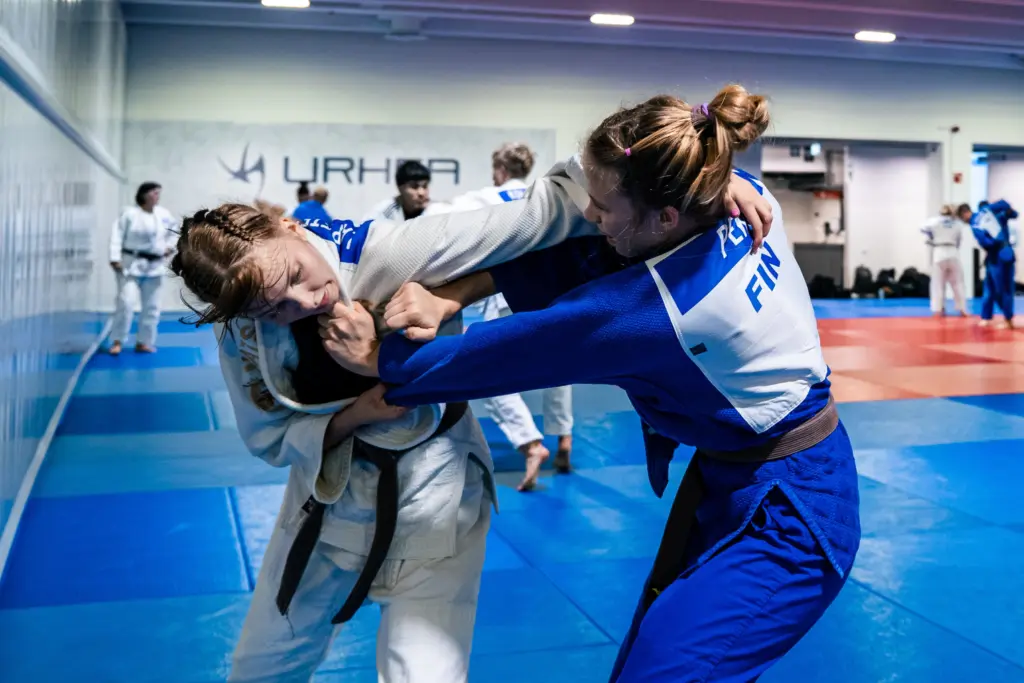
This clarity has made the dream of being a professional athlete tangible for the next generation. When young judokas like Sofia Pekki train alongside established stars like Martti Puumalainen, the "impossible" becomes an observable reality.
Implications for the Future: Sustainability and the 2028 Horizon
The rapid transformation over the last three years has created a new challenge: how to make this success permanent. The Finnish Judo Association is now looking toward the 2028 Los Angeles Olympics as the ultimate test of their new system.
"In the Paris cycle, we didn’t dare to publicly state that a medal was the goal," Favén admits. "Now, we say it out loud because we know it is genuinely achievable."
However, longevity requires constant evolution. Jaana Jokinen, the Finnish Olympic Committee’s elite sports manager, emphasizes that the sport cannot afford to become stagnant. "We cannot keep repeating what we did yesterday," she says. "Success requires continuous renewal and the ongoing development of coaching expertise."
Maintaining the Grassroots Pipeline
While the Urhea campus is the engine room of elite performance, the foundation remains the local club system. The challenge lies in ensuring that these clubs remain vibrant and capable of producing the next wave of talent.
"Our new huiput (elite athletes) will always start in local clubs," Jokinen adds. "Our goal is to ensure that the knowledge and standards we’ve built in Helsinki filter down to every corner of the country. When a child in a small town sees a Finnish athlete winning a World Championship, they need to know that the path from their local dojo to the Olympic stage is open and well-mapped."
Conclusion: A New Standard of Excellence
The Finnish judo story is a testament to the power of strategic focus. By identifying their limitations and aggressively pursuing a model of centralized excellence, they have redefined the boundaries of their potential.
The transition from a nation of participants to a nation of contenders was not achieved by importing talent, but by exporting a new philosophy of self-belief and rigor. As the eyes of the sporting world turn toward Los Angeles 2028, the Finnish judo team stands as a case study in how to build a world-class system from the ground up. They have moved past the phase of proving they belong; now, they are playing for the gold.