As the global energy transition accelerates, hydropower stands at a pivotal crossroads in Asia. Once considered the bedrock of baseload, renewable power, the sector is currently navigating a "perfect storm" of challenges: surging electricity demands, aging infrastructure, and a rapidly shifting hydrological landscape. From the arid plains of Central Asia to the mighty Mekong River Basin, nations are increasingly realizing that water is no longer just a utility—it is a strategic geopolitical asset that requires unprecedented levels of cross-border cooperation and technological innovation.
The Fragility of a Renewable Giant: Main Facts and Challenges
Hydropower remains the backbone of the energy mix for several Asian nations, particularly in Central Asia, where it provides nearly 90% of the electricity for countries like Tajikistan and Kyrgyzstan. However, the reliance on this singular source has become a liability. Climate change is manifesting as extreme, unpredictable weather patterns, leading to reduced glacial mass and significantly lower precipitation.
In 2025, Central Asia experienced one of its driest years on record, with rainfall plummeting to 80% of the long-term average. This climatic stress test brought major facilities, such as Kyrgyzstan’s Toktogul plant and Tajikistan’s Nurek dam, to historically low water levels. The consequence was immediate: government-mandated electricity rationing to prevent total grid collapse.
This crisis highlights a fundamental tension: while hydropower is essential for decarbonization, its dependency on stable water cycles makes it increasingly vulnerable to the very climate change it is intended to mitigate. The region’s energy security is now inextricably linked to its ability to manage shared water resources in an era of scarcity.
Chronology of a Shifting Landscape: From Soviet Legacy to AI Integration
The historical trajectory of Central Asian water management is rooted in the Soviet era. Before 1991, the region operated under a centralized, top-down resource management system. Following the dissolution of the Soviet Union, the newly independent states were forced to navigate energy and water security without their traditional coordination mechanisms.
- 1950s–1990: Centralized Soviet management prioritizes regional energy distribution regardless of national borders.
- 1991: The collapse of the USSR creates a vacuum in transboundary water management, leading to competitive resource dynamics between upstream and downstream nations.
- 2025: A record-breaking drought forces a regional reckoning. Kazakhstan, Kyrgyzstan, and Uzbekistan initiate emergency high-level meetings to coordinate reservoir management.
- 2026: A new wave of bilateral and multilateral agreements, including the Memorandum of Understanding (MoU) between the Mekong River Commission and Singapore, marks a pivot toward technology-driven, collaborative governance.
- Present Day: Deployment of AI-optimized dam designs and satellite-based climate monitoring begins to replace outdated, manual management strategies.
Data-Driven Perspectives: The Regional Breakdown
Research led by Keyser et al. has provided the first comprehensive, open-source geodatabase of the region’s hydroelectric infrastructure—the HP:CA. The data reveals a highly uneven landscape:
- Regional Totals: 249 plants currently generate 47.2 TWh annually with a total capacity of 13.4 GW.
- Tajikistan: The regional leader, with 5.2 GW across 31 plants. The Nurek plant remains the crown jewel, boasting 3 GW of installed capacity.
- Kyrgyzstan: Operates 32 plants with a 3.2 GW capacity, providing 85.9% of its domestic electricity.
- Kazakhstan and Uzbekistan: Despite having 49 and 53 plants respectively, their reliance on hydropower remains below 10%, highlighting a massive disparity in energy strategies across the region.
While small-scale plants (≤10MW) make up two-thirds of the region’s fleet, they contribute only 2% of total capacity. This underscores a critical need: the focus must shift from merely building new capacity to modernizing the few large-scale assets that account for nearly 30% of the region’s entire hydroelectric output.
Official Responses and Strategic Collaboration
The realization that water transcends national borders has sparked a new era of diplomacy. In the Mekong region, the Mekong River Commission (MRC) is actively partnering with international entities like the US Army Corps of Engineers and the Singaporean government to share expertise in flood modeling, drone-based surveying, and climate resilience.
"The challenges we face today in the Mekong are transboundary," says Busadee Santipitaks, CEO of the MRC Secretariat. "The future of the river is not shaped by riparian countries alone. By bringing in advanced technical strengths from partners like Singapore, we are building more resilient water systems."
Similarly, India has undergone a massive shift in its hydropower policy. Having overtaken Russia in 2025 to become the world’s fifth-largest hydropower producer, India is betting heavily on pumped storage. With a goal of 100 GW of pumped storage capacity by 2035, the government is slashing approval times and incentivizing private investment. This is framed as a "low-risk pathway" to modernizing a fleet where one-third of assets are over 30 years old.
Technological Implications: The AI Revolution
Perhaps the most promising development in the global water crisis is the intersection of artificial intelligence and civil engineering. In Iran, which faced a 40% deficit in rainfall in 2025, researchers are using AI to optimize the design of storage dams.
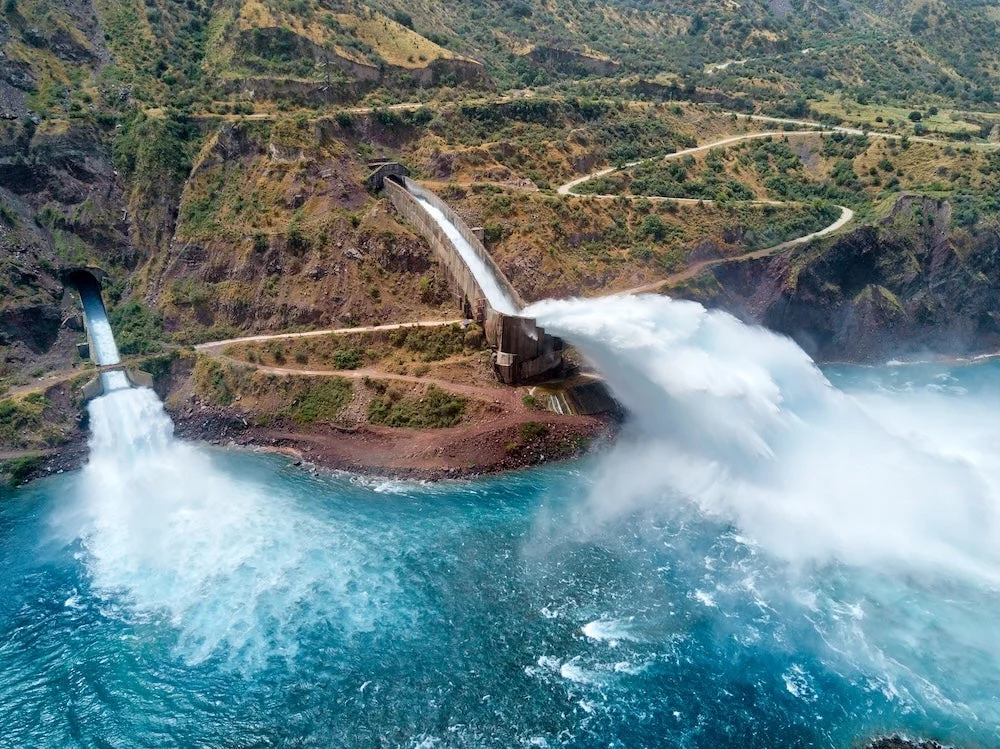
John P. Abraham, a professor of thermal sciences, notes that AI allows engineers to simulate thousands of design iterations for spillways—the critical safety structures of dams—in a fraction of the time it would take manually. This allows for designs that are not only more economical but also more capable of dissipating energy during extreme flood events.
"We are in a race against a changing climate," Abraham explains. "The good news is that we have a ‘jet power’ in the form of AI. By training our computers to solve these complex fluid dynamics problems, we are providing the next generation of engineers with tools that can build stronger, more sustainable infrastructure faster than the climate is evolving."
The Future Outlook: A Nexus-Based Approach
The road ahead for Asian hydropower is paved with both peril and opportunity. The "nexus-based" approach—which recognizes the inseparable links between water, energy, and food security—is now the standard for sustainable planning.
- Modernization over Expansion: For nations like India, the priority is upgrading aging turbines and civil works to unlock hidden capacity without the environmental footprint of new megaprojects.
- Regional Integration: As seen in Central Asia’s recent commitments to mutual electricity support, energy grids must become as interconnected as the river basins they rely upon.
- Digital Resilience: Satellite tracking, AI-driven simulations, and real-time data sharing are no longer optional. They are the essential tools for early warning systems in an era of volatile weather.
China continues to dominate the global scale, with 300 GW of projects under construction, including massive pumped storage facilities. Yet, the smaller-scale collaborative efforts—such as the Mekong-Singapore partnership or the US-Iran academic exchanges—prove that the solution to the water crisis is not just engineering, but the willingness to share data and strategy across political divides.
In conclusion, the Asian hydropower sector is undergoing a profound metamorphosis. The era of "build and forget" is over. It is being replaced by an era of "monitor, optimize, and cooperate." Whether this transformation happens quickly enough to stay ahead of the escalating climate crisis remains the defining question for the region’s energy planners. However, with the integration of AI and a renewed focus on regional diplomacy, there is a clear, albeit narrow, path toward a stable and sustainable water-energy future.