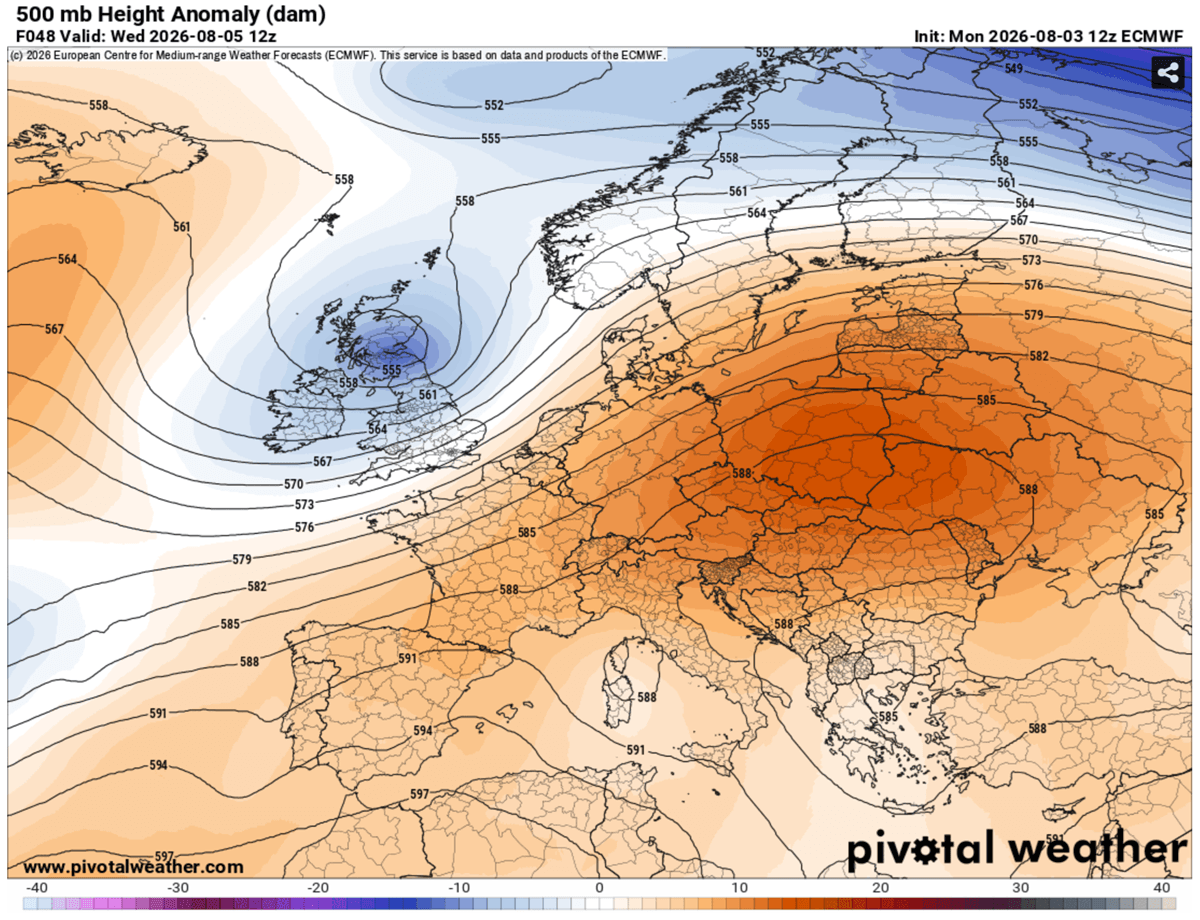
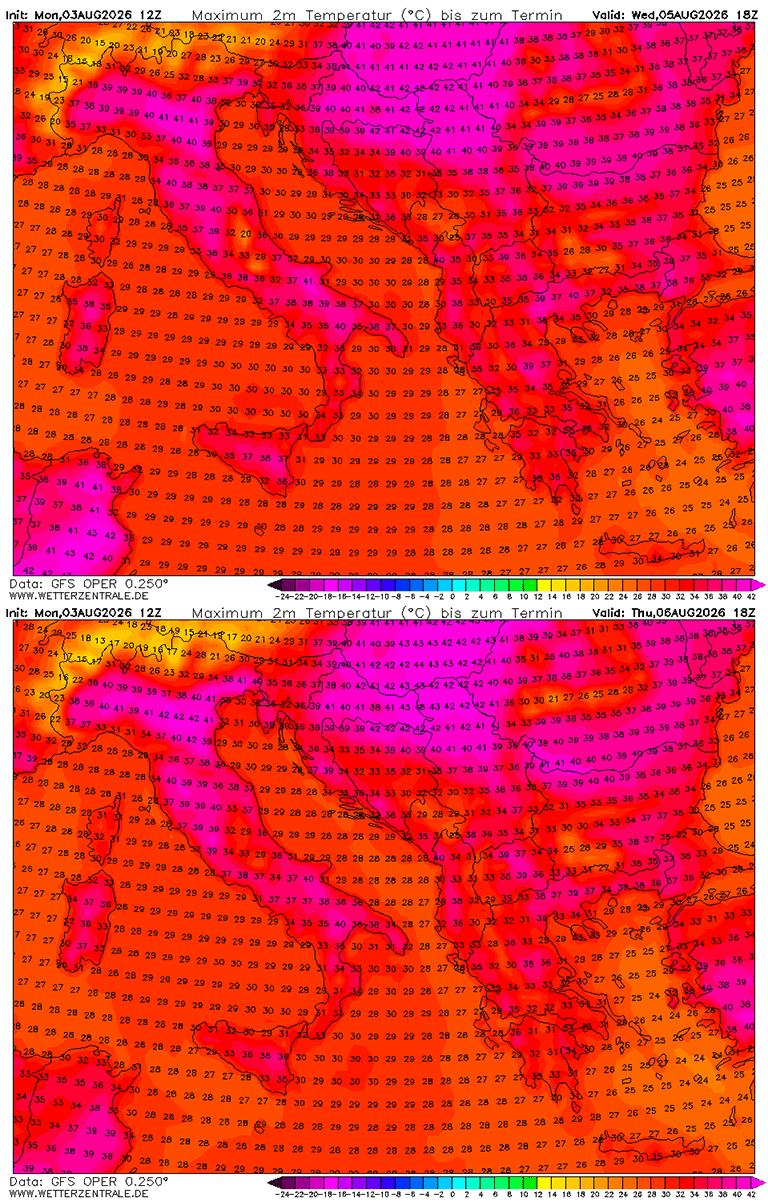
As the first week of August 2026 unfolds, a formidable and persistent meteorological phenomenon has locked Central Europe and the Balkan Peninsula into a state of extreme thermal distress. An exceptionally high-amplitude upper-level ridge, fueled by an Omega block pattern, has established a "Heat Dome" that is driving temperatures into the 99th percentile of historical records. Millions of residents across Italy, Hungary, Croatia, Serbia, and neighboring nations are grappling with daytime highs consistently surging between 40°C and 43°C, with no immediate sign of a significant cool-down.

The Atmospheric Engine: Anatomy of a Heat Dome
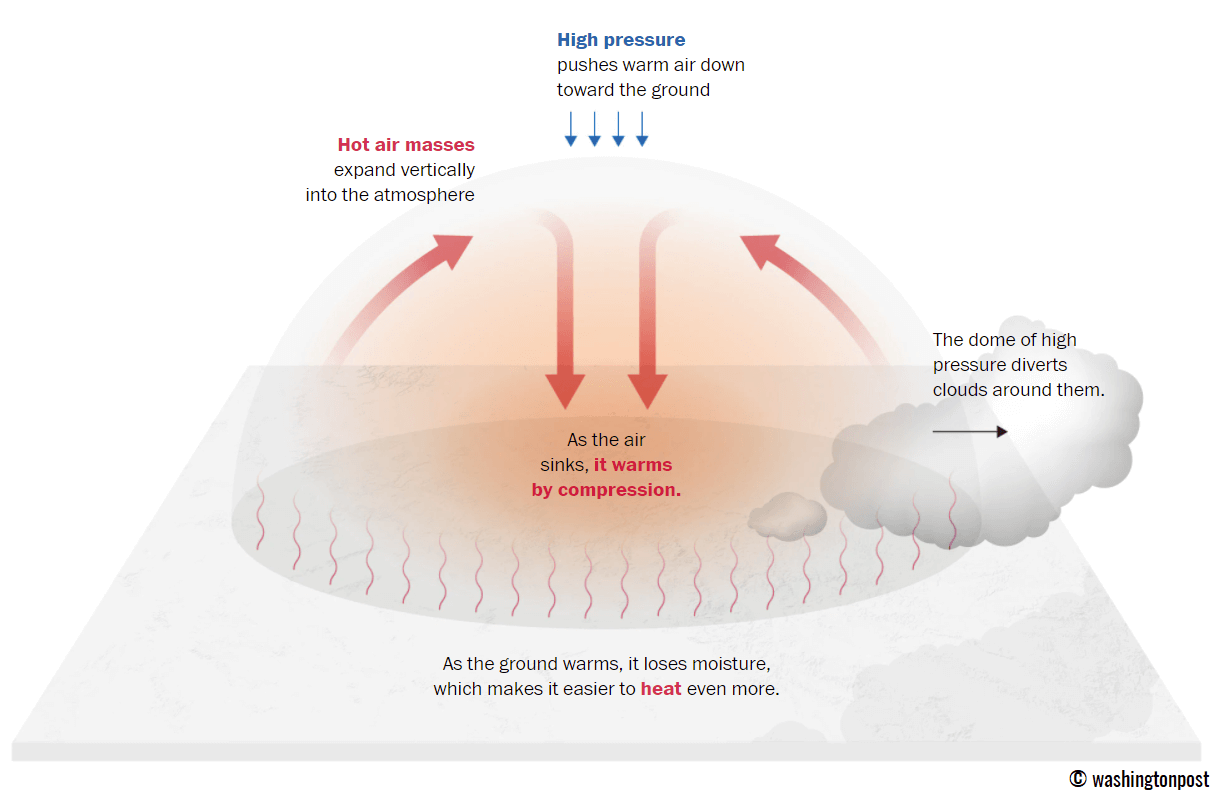
The primary driver of this multi-week event is a stubborn, high-pressure system parked firmly over the heart of the European continent. In meteorological terms, this acts as a massive atmospheric "lid." The system works by compressing air as it sinks toward the troposphere; as the air descends, it warms adiabatically, trapping heat at lower altitudes.
The "Omega block"—a pattern named for its resemblance to the Greek letter Ω—is effectively stalling the eastward progression of cooler, maritime air masses. This creates a stagnant environment where the trapped air continues to heat up daily, turning low-lying river basins, such as the Po Valley and the Pannonian Basin, into literal pressure cookers. With continental dry winds sweeping across the region, soil moisture is being depleted at an accelerated rate, which in turn prevents evaporative cooling and allows surface temperatures to climb to lethal levels.
A Chronology of the Thermal Surge
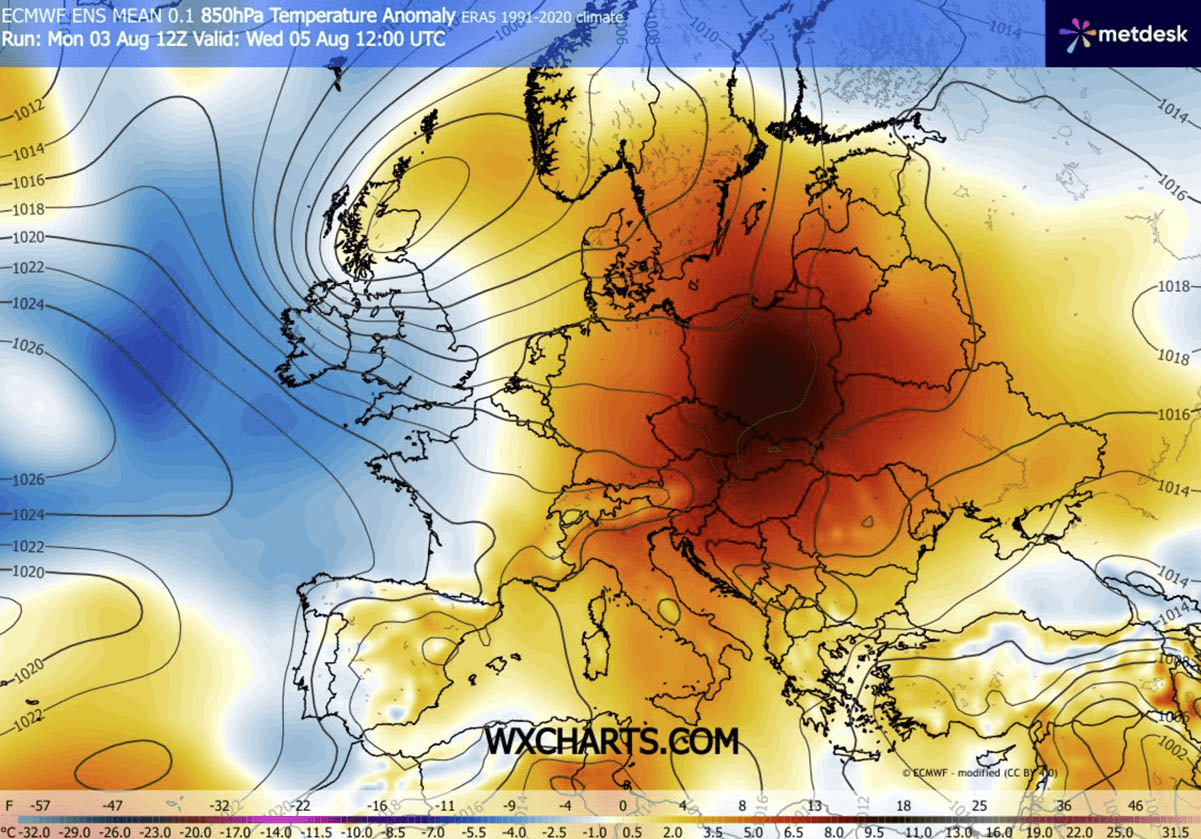
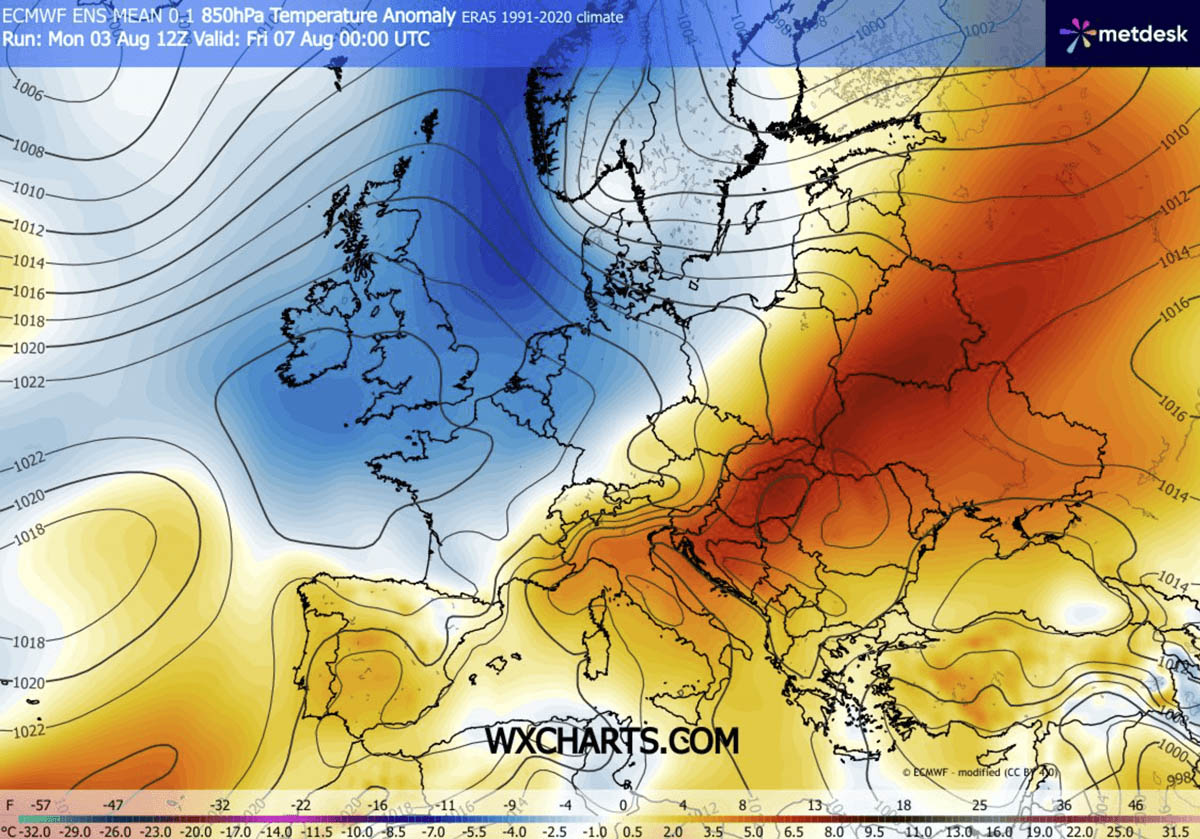
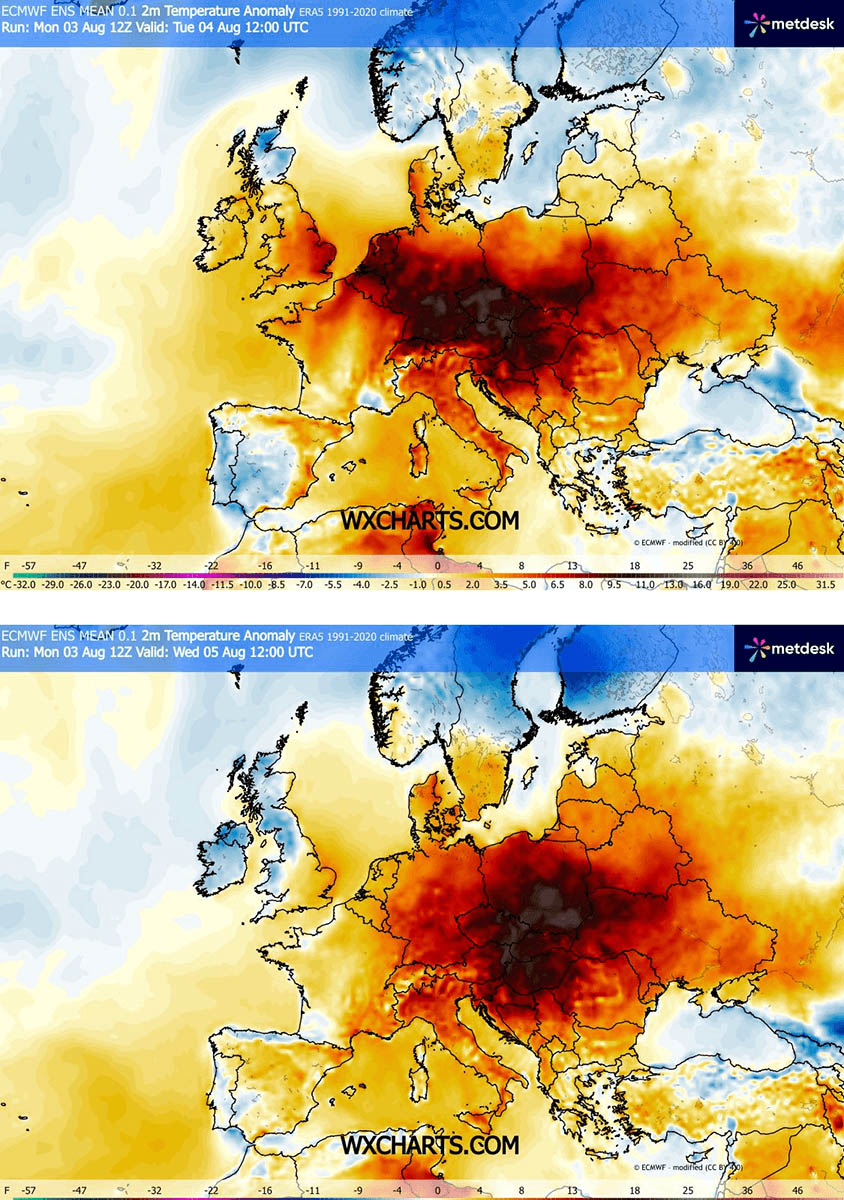
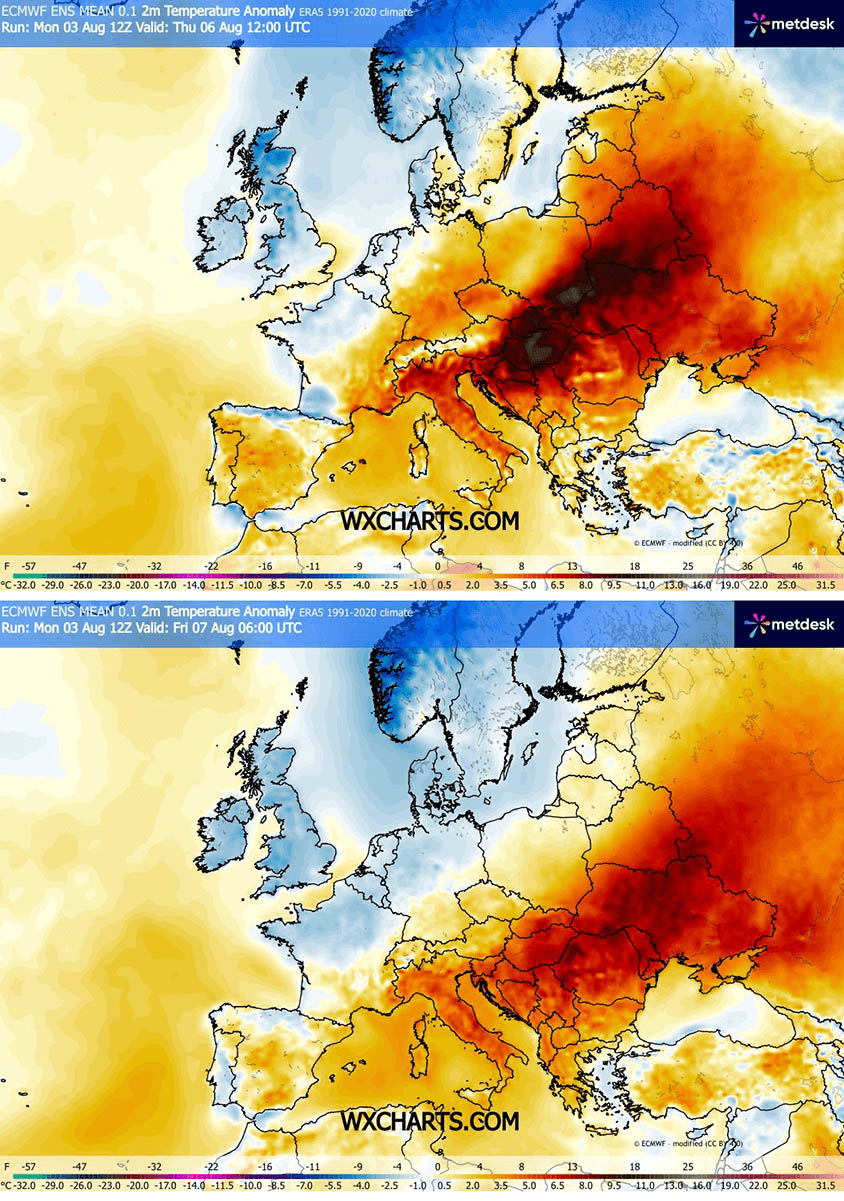
The progression of this heatwave is marked by a steady, eastward expansion of the ridge, effectively shifting the epicenter of the extreme heat over a seven-day period.
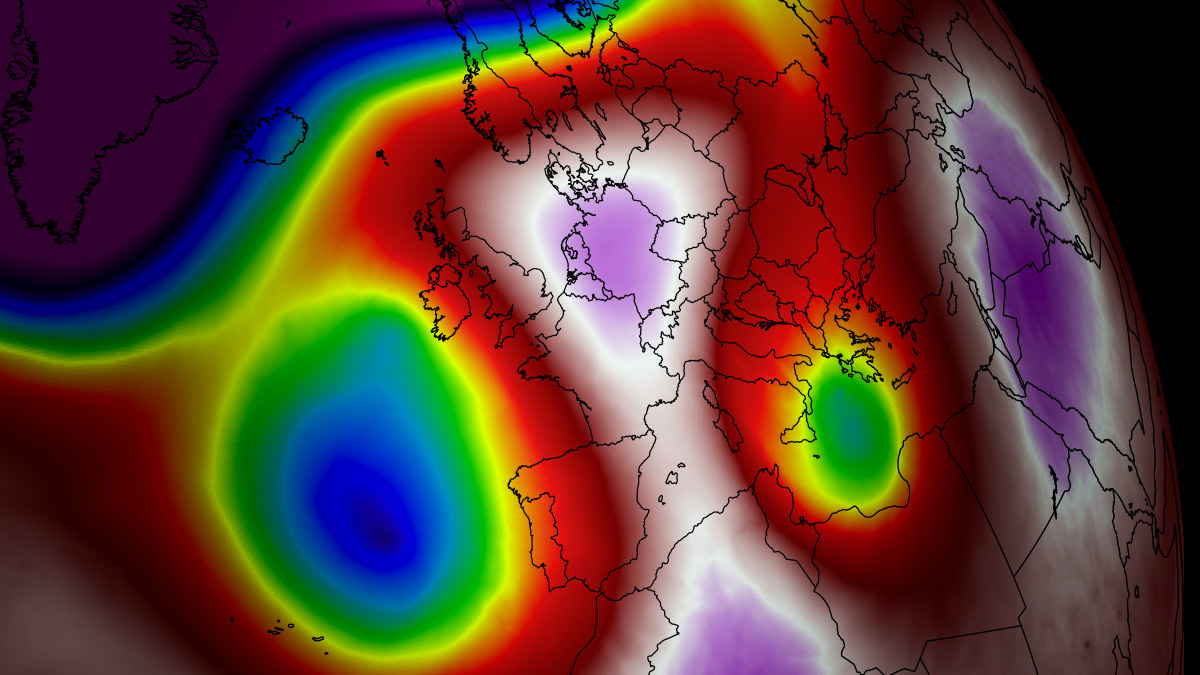
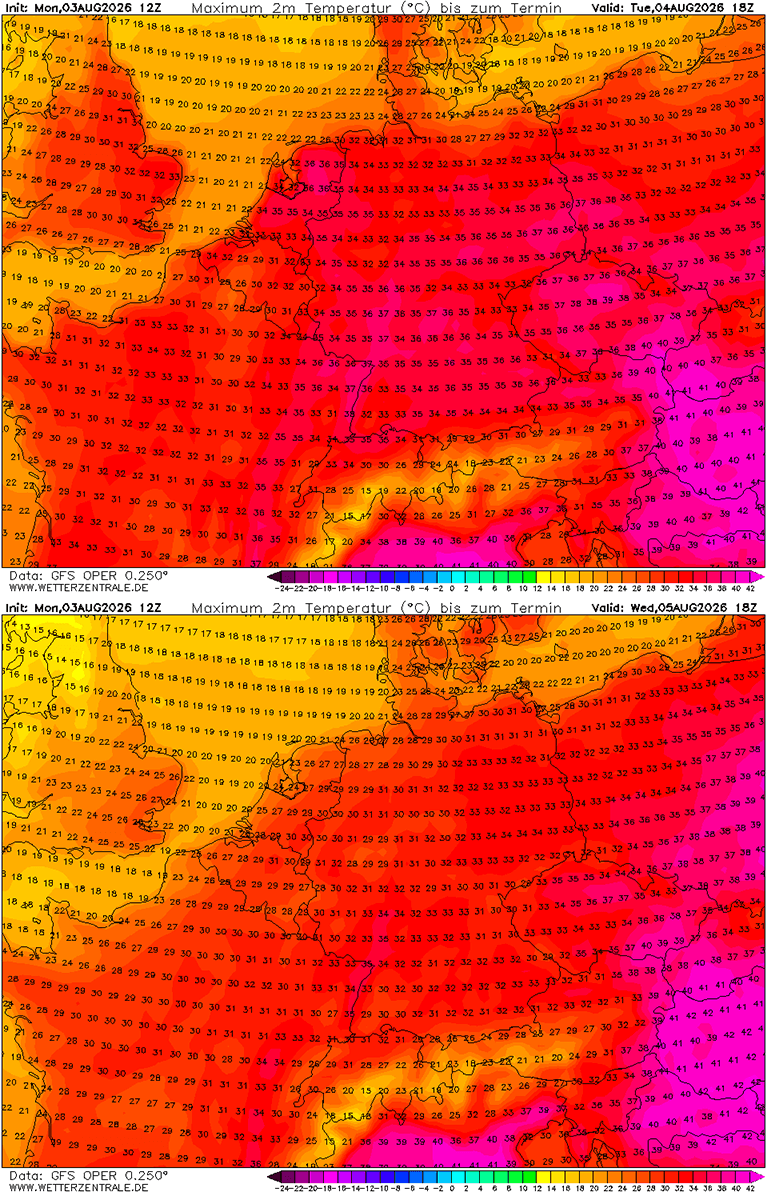
- Early Week (Tuesday–Wednesday): The initial brunt of the heat was felt across Germany, the Czech Republic, and Eastern Austria. Temperatures in these regions peaked between 37°C and 40°C. By Wednesday, the most anomalous thermal readings began their eastward migration, moving away from the Benelux region and into Poland and Western Slovakia.
- Mid-Week (Wednesday–Thursday): As the ridge elongated, the heat core intensified over the Balkans. Croatia, Serbia, and western Romania experienced a sharp spike, with local forecasts indicating peak temperatures of 42°C. The Pannonian Basin, in particular, became the focal point of the heat, with models consistently projecting the 43°C threshold.
- Late Week (Friday–Weekend): The system is expected to maintain its strength as it reaches into Ukraine, Bulgaria, and Greece. While Western Europe sees some relief due to incoming maritime air from the Atlantic, the Eastern and Balkan regions will remain in a state of thermal emergency through the upcoming weekend.
Supporting Data: Meteorological Anomalies
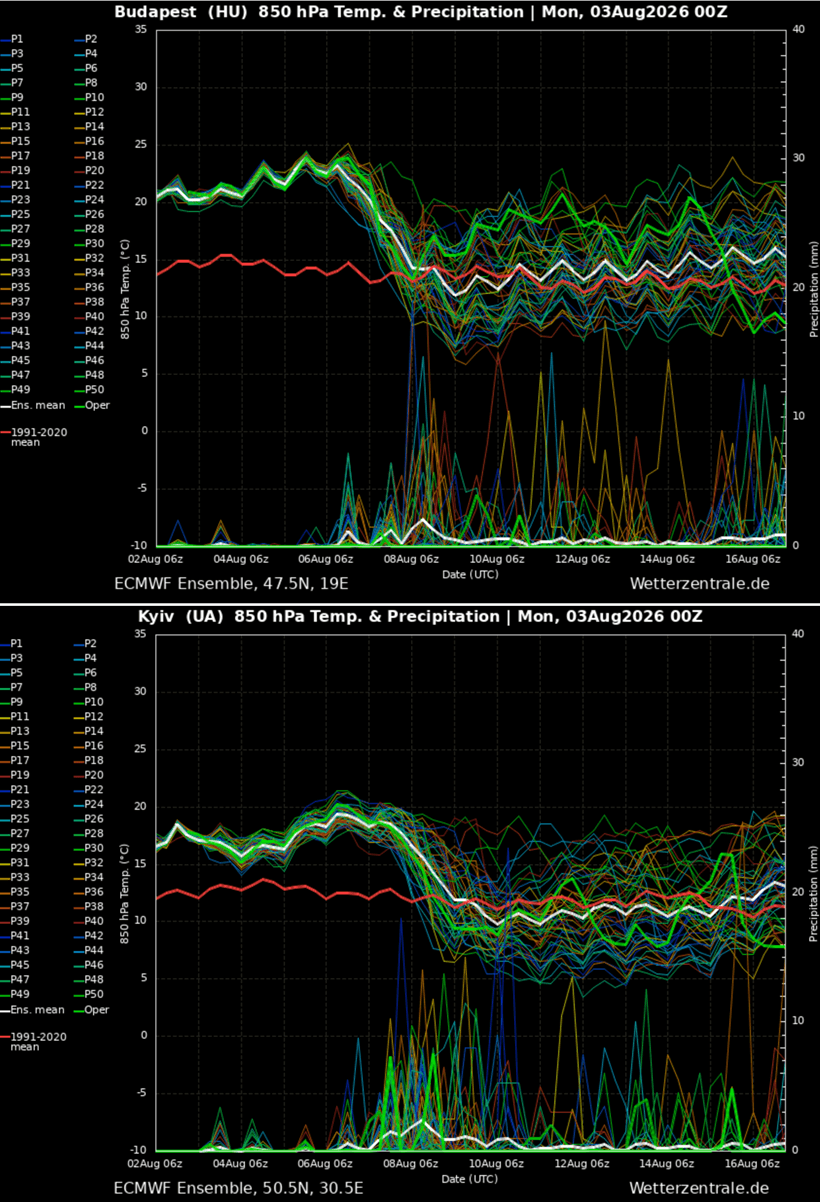
The intensity of this heatwave is verified by 850 hPa temperature anomalies, which are currently trending significantly higher than the 30-year average for early August. The persistence of "tropical nights"—where temperatures refuse to dip below 22°C to 26°C—is perhaps the most alarming metric.
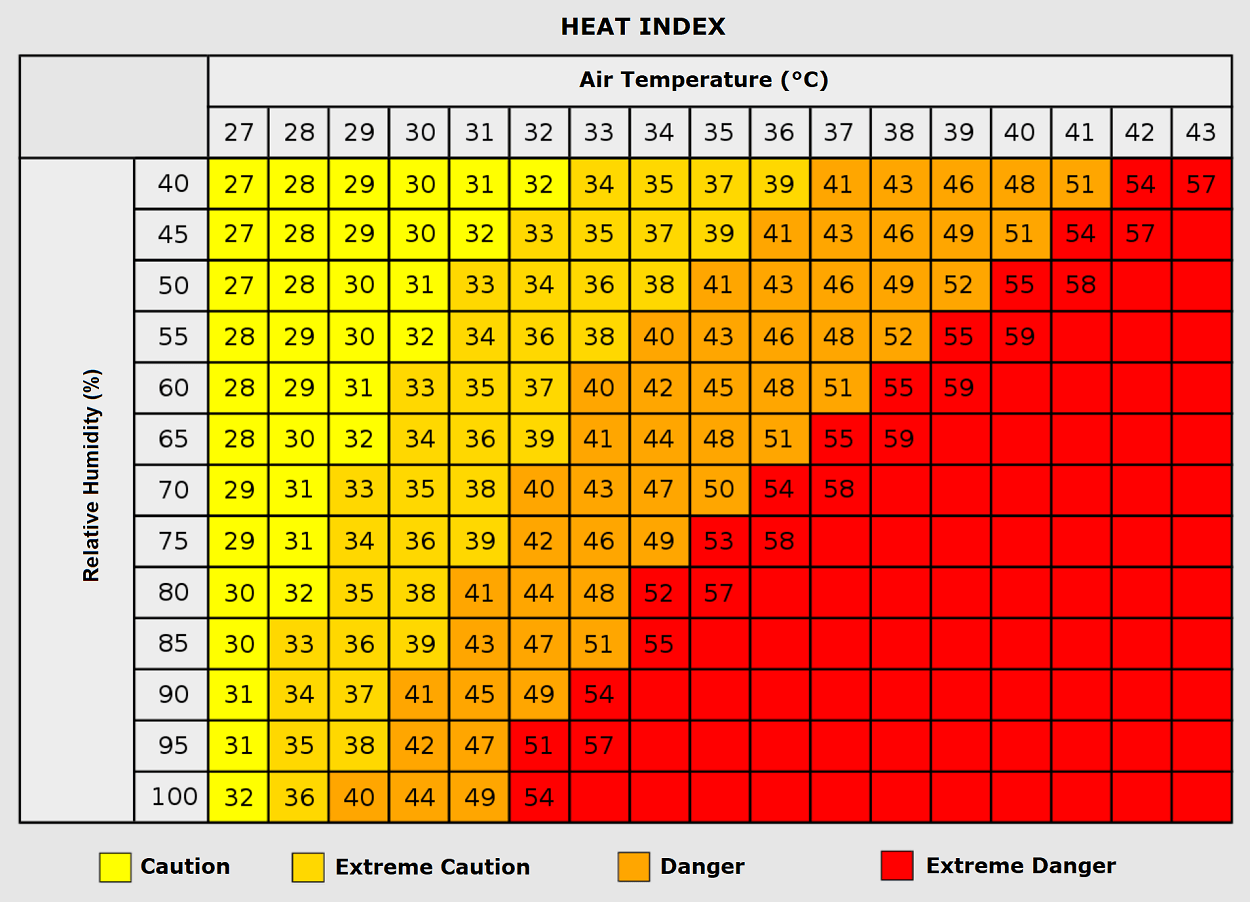
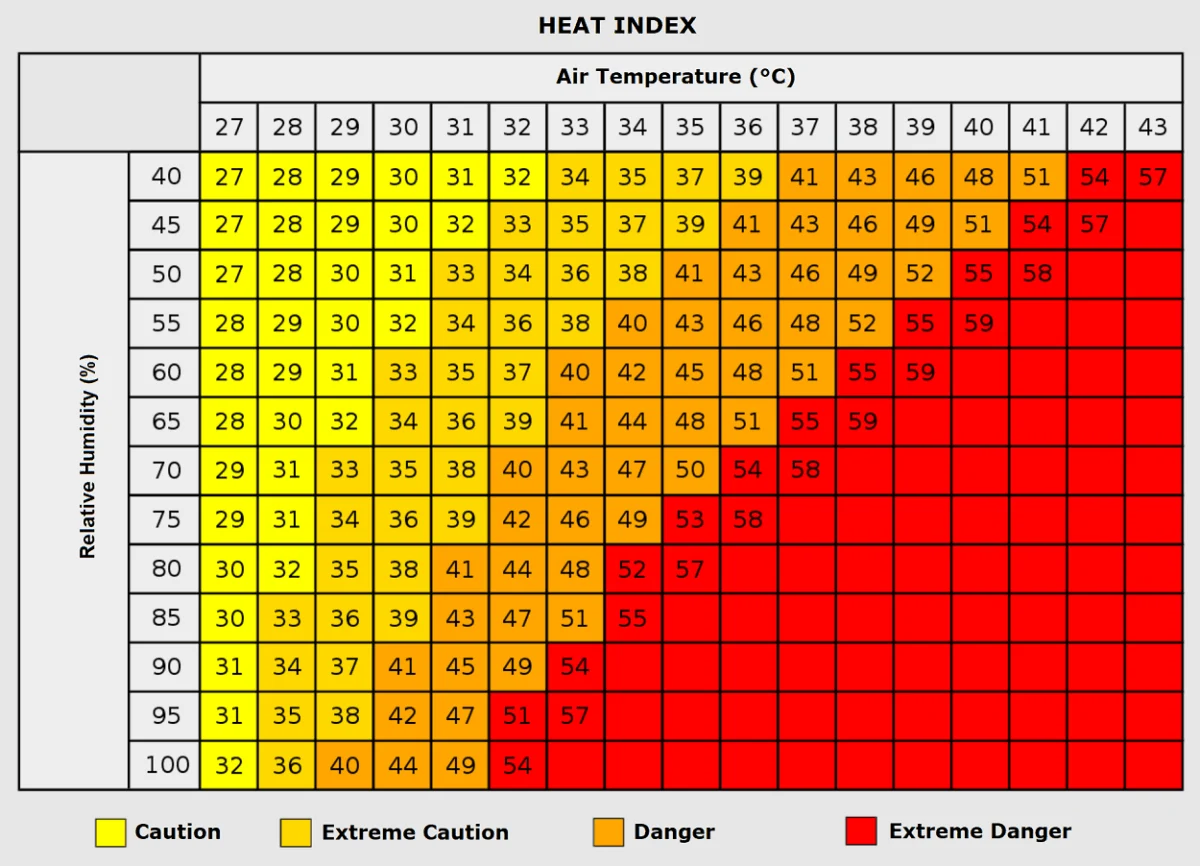
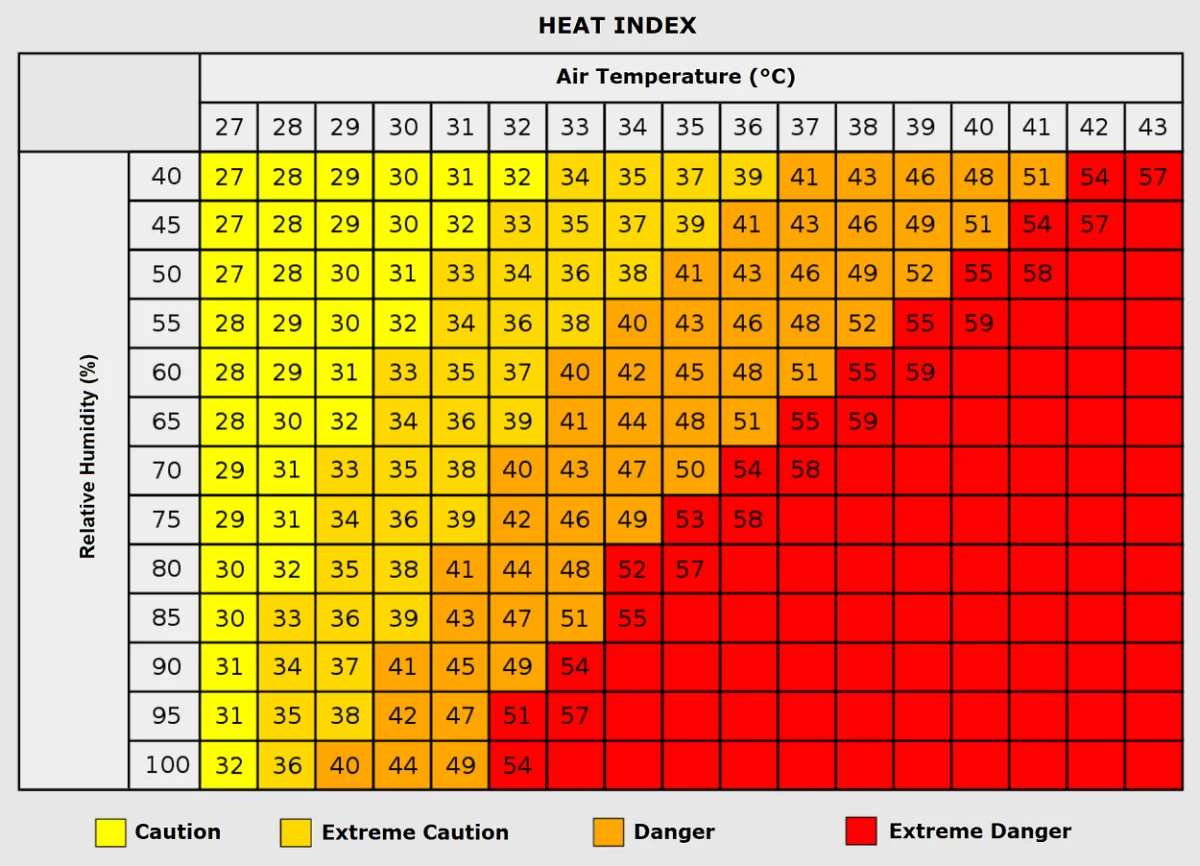
When the human body is denied its nocturnal window for recovery, the cumulative physiological stress increases exponentially. Meteorological data from Budapest and surrounding urban centers indicate that the heat index, which factors in relative humidity, is pushing the "real-feel" temperature toward the 50°C mark in specific localized areas. This data confirms that the current event is not merely a seasonal variation but an extreme atmospheric anomaly that challenges existing infrastructure and public health capacity.
Implications: Public Health, Agriculture, and Infrastructure
The human and economic toll of such a prolonged event is multifaceted. Public health officials are sounding alarms regarding the increased risk of heatstroke, severe dehydration, and exacerbation of pre-existing cardiovascular and respiratory conditions.
The "Tropical Night" Crisis
The failure of urban environments to cool down overnight is a critical public health failure point. In cities constructed with high-thermal-mass materials like concrete and asphalt, the heat is radiated back into the environment throughout the night. For the elderly, young children, and those in lower-income housing without access to climate-controlled environments, these "tropical nights" are life-threatening. Medical centers across the affected regions have been advised to prepare for a surge in heat-related admissions as the cumulative effect of sleep deprivation and thermal stress sets in.
Agricultural and Wildfire Risks
Beyond human health, the agricultural sector is facing a catastrophe. The combination of intense solar radiation and low soil moisture is causing widespread crop wilting. Farmers in the Balkan interior are reporting that essential moisture levels are now well below the critical threshold for corn and sunflower yields.
Simultaneously, the dry, hot air has created "explosive" wildfire conditions. Forest services across the western Balkans are on high alert; the combination of dry vegetation and rising wind speeds creates a high-probability environment for rapid fire ignition and spread. Authorities have already implemented strict bans on open fires and are monitoring forested areas with increased aerial surveillance.
Official Responses and Public Safety Directives
Governments across the affected region have activated national heat-action plans. In countries like Serbia and Hungary, this has involved:
- Workplace Regulations: Mandatory mid-day work stoppages for outdoor laborers, specifically targeting the construction and agricultural sectors during peak UV and temperature hours (11:00 AM to 5:00 PM).
- Public Cooling Centers: Municipalities have opened designated "cool zones" in public buildings equipped with air conditioning to provide relief to vulnerable citizens.
- Grid Management: Energy providers have been placed on high alert to manage the increased demand for electricity, as residential and industrial air conditioning usage places the power grid under extreme strain.
- Hydration Awareness: Public health campaigns have been launched via media outlets, emphasizing the necessity of electrolyte replenishment and regular water intake.
Looking Ahead: A Shifting Pattern?
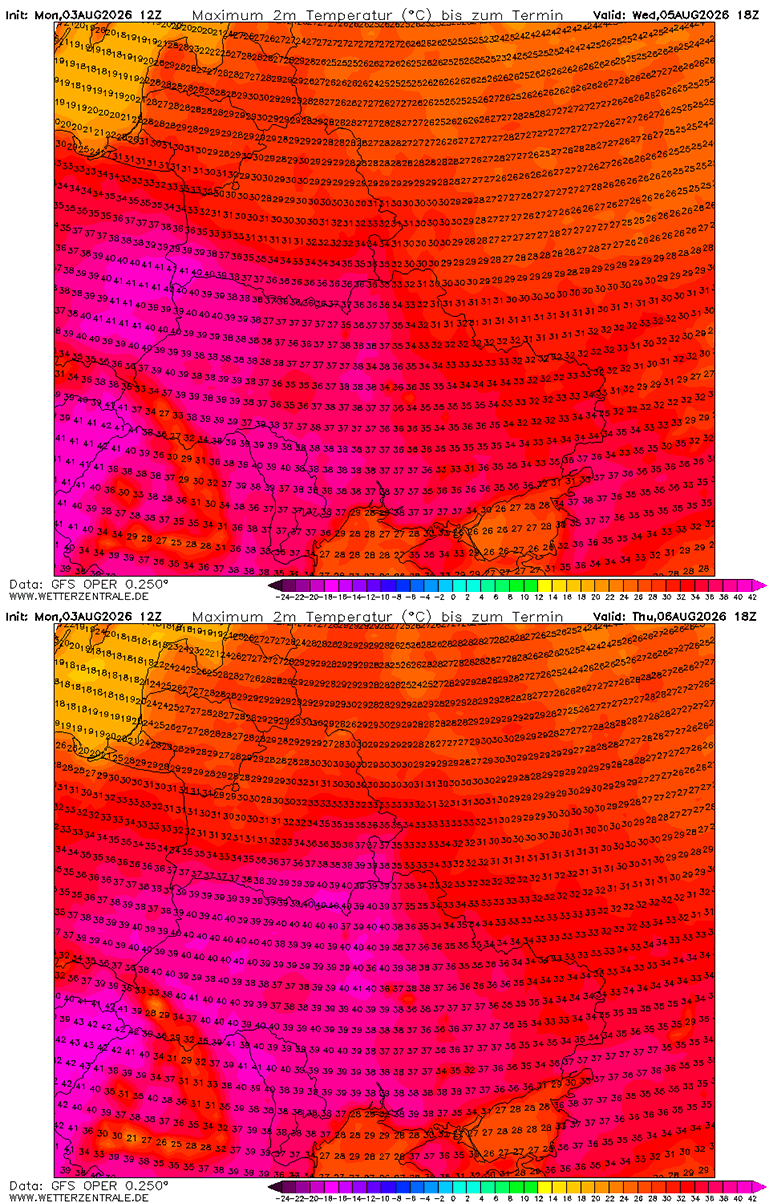
As the current Heat Dome begins to collapse over Eastern Europe by the end of the coming weekend, meteorologists are already eyeing the next potential threat. Mid-range ensemble models show a concerning trend: a new, strong ridge of high pressure is projected to develop over Southwestern Europe next week.
If this trend holds, it could signal the arrival of another, potentially more intense, heatwave impacting Portugal, Spain, and France, before slowly drifting toward the British Isles. While it is too early to determine the exact trajectory of this secondary system, the recurrence of these high-pressure blocks is becoming a hallmark of the 2026 summer season.
The meteorological community continues to monitor these patterns, utilizing data from platforms such as PivotalWeather and WXcharts to provide real-time updates. The prevailing message from weather experts remains consistent: the current era of climate variability requires heightened vigilance, robust infrastructure, and proactive public safety measures to withstand these increasingly frequent and prolonged extreme heat events.
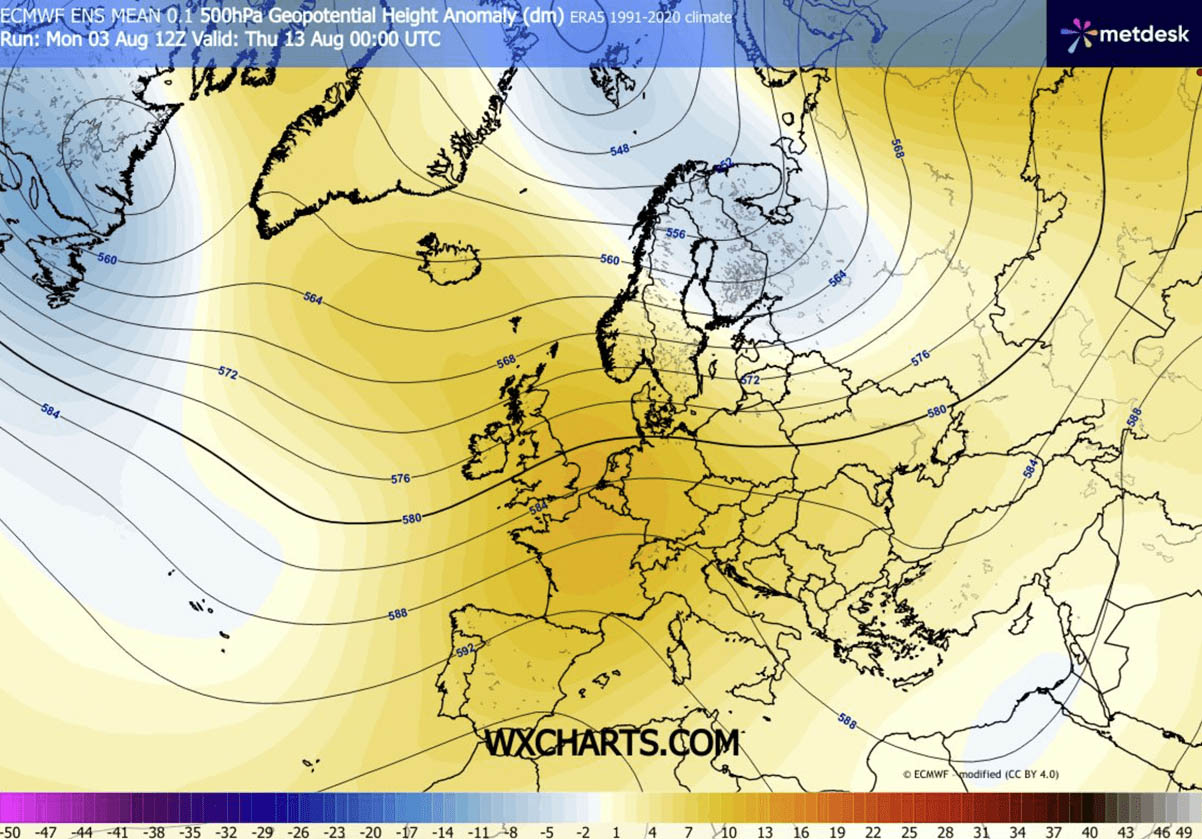
As we move through the remainder of August, the focus remains on the immediate survival of the current heatwave and the long-term adaptation to a climate that is increasingly dominated by the persistence of these massive, continent-spanning Heat Domes.