Introduction: A Journey Beyond the Rapids
For most whitewater enthusiasts, the pursuit of the perfect line is an exercise in technical precision and environmental connection. For Mike and Cody, a recent expedition to Northern India transcended the typical boundaries of river running. By embedding themselves with the seasoned instructors of the Hannibal Outdoor Center, the pair ventured into the heart of the Himalayas to navigate the Ganges—a river that serves not only as a formidable geological force but as the spiritual epicenter of a nation.
This expedition was not merely a training exercise in rafting standards; it was a profound immersion into a culture defined by staggering contrasts. From the towering, snow-capped peaks of the Himalayan range to the dense, chaotic hum of river-side villages, the journey provided a lens through which to view the complex, overwhelming reality of modern India.
The Chronology: From the Foothills to the Holy Ganges
The journey began in the Himalayan foothills, where the scale of the landscape defies Western comprehension. Even at elevations between 8,000 and 12,000 feet—altitudes that would constitute high-alpine terrain in much of the world—Mike and Cody found themselves navigating through bustling towns and villages that felt firmly rooted in the valley floor.
Navigating the Sacred Flow
The centerpiece of the trip was the descent of the Ganges. The river, fed by the glacial melt of the Himalayas, proved to be an industrial-strength waterway. The team estimated the flow at a staggering 40,000 cubic feet per second (cfs), a volume that commands respect and demands absolute technical proficiency.
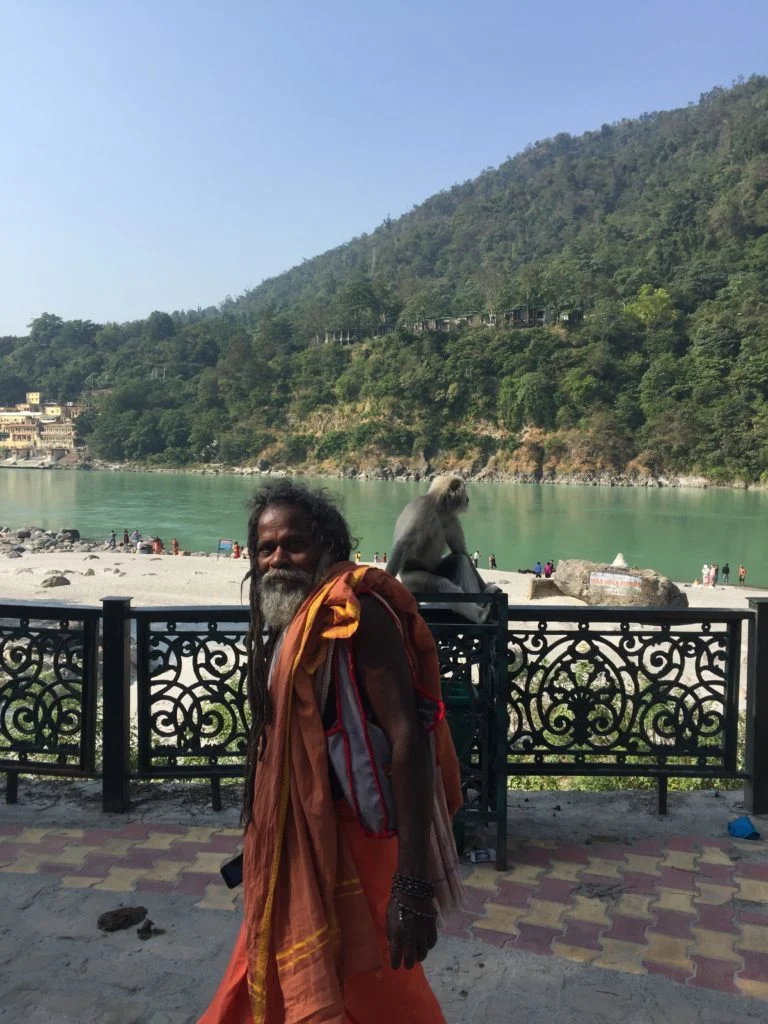
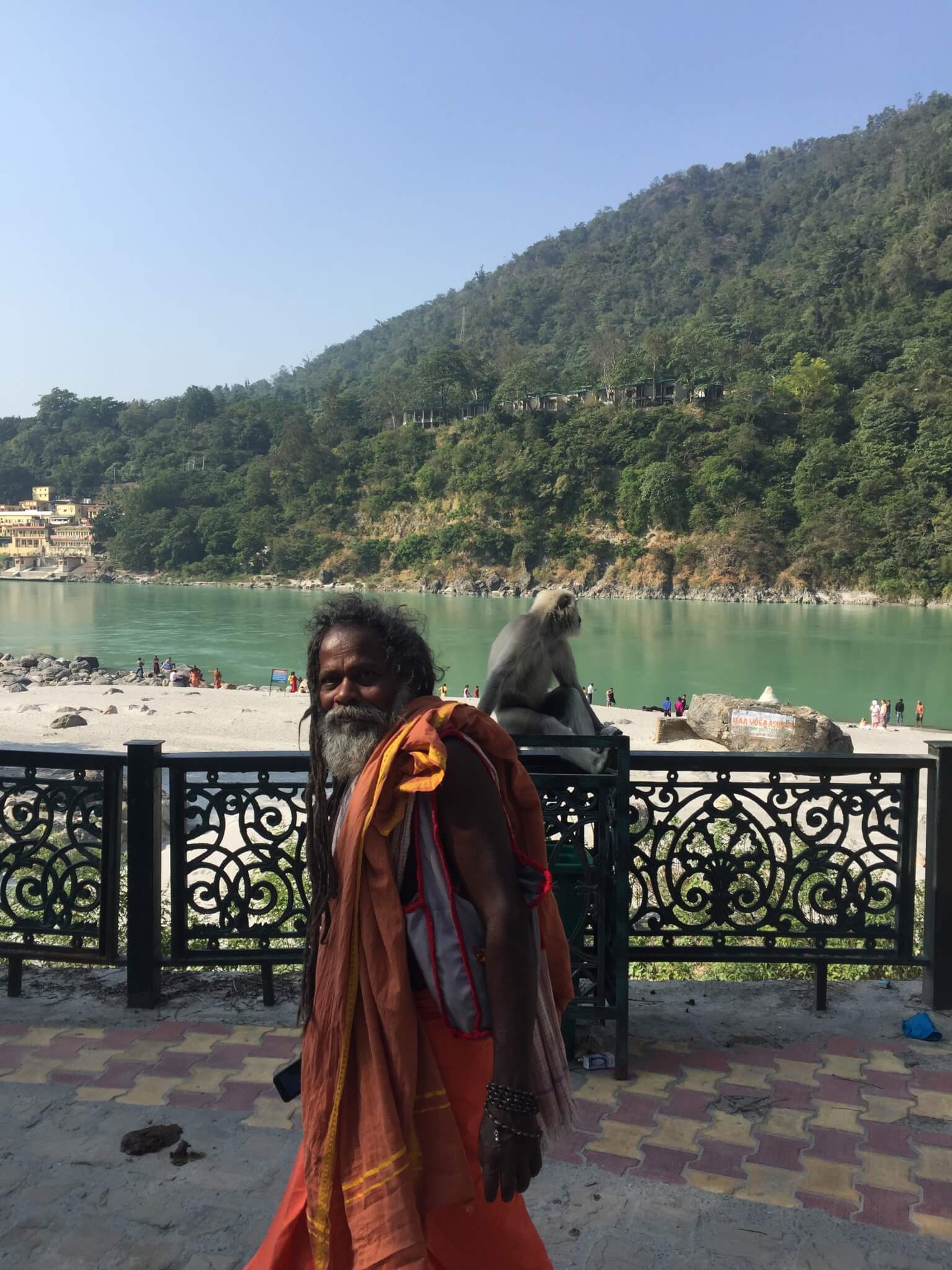
As they moved downstream, the environment shifted from the raw, untamed wilderness of the mountains to the human-centric landscape of Haridwar. Here, the river undergoes a transformation from a geographic feature to a religious conduit. The team spent time observing the daily rituals of pilgrims who travel from across the globe to perform acts of cleansing and prayer along the banks.
The Transit: Trains and Rickshaws
Beyond the water, the duo adopted local modes of transit to traverse the vast expanse of the Indian subcontinent. Moving away from the controlled environment of the raft, they utilized India’s extensive rail network and the ubiquitous rickshaw. These experiences provided a candid, unvarnished look at the country: the juxtaposition of breathtaking natural beauty with the stark reality of landfills and industrial runoff, and the heroic resilience of those engaged in subsistence agriculture.
Supporting Data: The Scale of India
To understand the gravity of this expedition, one must look at the numbers. India is a land of superlatives, hosting nearly 20% of the global population. This massive demographic is unified under a federal system but fractured by incredible linguistic diversity; there are approximately 3,000 distinct languages spoken across the country.
The Ecological Paradox
The Ganges, while worshipped as a goddess and the lifeblood of millions, is simultaneously one of the most polluted river systems on the planet. The environmental data is grim:
- Industrial Runoff: Untreated waste from thousands of small-scale and large-scale industrial units flows directly into the tributaries and the main stem of the Ganges.
- Human Waste: With a population density that reaches extreme levels along the riverbanks, the lack of universal sanitation infrastructure results in significant biological contamination.
- Flow Dynamics: During the peak season, the river’s volume (as experienced by the team at 40,000 cfs) acts as both a cleansing agent and a carrier of the waste deposited by urban centers like Haridwar and Varanasi.
Wildlife and Biodiversity
Despite the heavy human footprint, the region remains a sanctuary for incredible wildlife. The expedition team reported sightings of wild elephants, various species of monkeys, and the elusive cobra. This ecosystem represents a delicate balance between the encroaching modern world and the ancient, wild heart of the Himalayan foothills.
Official Perspectives and Cultural Context
While the expedition was primarily athletic in nature, the cultural lessons were arguably more significant. The Hannibal Outdoor Center instructors emphasized that operating in India requires a departure from Western "leave-no-trace" expectations. Instead, it requires an acceptance of a "co-existence" model.

The Cultural Significance of the Ganges
In Haridwar, the river is not viewed as a resource to be managed, but as a deity to be honored. The cleansing ceremonies witnessed by the team are part of a daily, centuries-old ritual. To the local population, the spiritual purity of the river is an absolute truth that exists independent of the physical, chemical reality of the water quality. This dichotomy—the sacred versus the sanitary—is a defining characteristic of the Indian experience.
Perspectives on Infrastructure
The use of trains as a primary mode of transport offered the travelers a unique vantage point. Hanging between cars to capture the fresh air and the panoramic views, the team noted the efficiency of the rail system in moving vast numbers of people across thousands of miles. It is a system that bridges the gap between the impoverished rural villages and the rapidly modernizing urban centers, serving as the connective tissue of the nation.
Implications: The Future of Adventure Tourism
The expedition to India raises important questions about the future of adventure travel in developing nations. As Western professionals bring their standards of safety and training to rivers like the Ganges, they encounter a friction between their own environmental ethics and the local socio-economic realities.
Sustainable Development and Awareness
There is a growing awareness regarding the environmental health of the Ganges. The Indian government has launched various initiatives, such as the Namami Gange project, aimed at cleaning the river through sewage treatment plants and industrial effluent monitoring. However, the sheer scale of the population and the cultural depth of the traditions surrounding the river make progress a slow, complex process.
The Traveler’s Responsibility
For those who follow in the footsteps of Mike and Cody, the takeaway is clear: adventure in India is not a passive experience. It is an engagement with a system that is simultaneously falling apart and building itself anew. The trip serves as a reminder that the world’s most powerful rivers are not just challenges to be paddled, but living, breathing entities that support human existence.

Conclusion: A Lingering Call
As Mike and Cody reflect on their time in India, the overwhelming nature of the country is the primary memory. The intensity of the sights, the sounds, the smells, and the sheer volume of human and natural activity creates a sensory experience that is impossible to replicate elsewhere.
The respect and admiration they gained for the Indian people—a population managing to find beauty and spirituality amidst profound challenges—is the most lasting legacy of the trip. The Ganges is not just a destination; it is a mirror reflecting the struggles and the potential of the modern world. With so much left to learn and so much of the Himalayan range yet to be explored, the team confirms that this was not a "once-in-a-lifetime" trip, but rather the beginning of an ongoing relationship with one of the most dynamic nations on Earth. They look forward to their return, fully aware that each visit will reveal a new layer of the complex, chaotic, and beautiful tapestry that is India.