Introduction: The Foothills Frontier
The Canadian Rockies are often synonymous with towering peaks and glacial lakes, but for the discerning angler, the true magic lies in the foothills—specifically, the ribbons of cold, clear water that wind through the rugged terrain northwest of Nordegg, Alberta. The Blackstone River is one such waterway. It is a river of quiet beauty, characterized by its modest width and steady, rhythmic flow. Yet, beneath its unassuming surface lies a reputation that draws enthusiasts from across the province: it is one of the few places where the apex predator of the region, the Bull Trout, can be enticed to strike a dry fly.
Chronology: A Morning on the Blackstone
The journey began under a shroud of darkness. Arriving at a gravel bar along the Blackstone—a stone’s throw from the Forestry Trunk Road—at 10:00 PM, we navigated the setup in the dim light of headlamps. By 6:00 AM, the biting 30-degree morning air had done its work, shaking me from a restless sleep on the hard, unforgiving gravel.
Experience has taught me that the best time to fish the foothills is when the water is still, and the shadows are long. However, my brother, a notoriously reluctant early riser, required a more spirited wake-up call. I opted for the “obnoxiously loud” approach to morning rituals, a strategy that proved successful in getting us to the water’s edge before the heat of the day could settle in.
By mid-morning, we had worked our way downstream, covering roughly an hour of water with little success. That changed when we turned a bend in the river to find a quintessential, deep-blue pool—a section of the river that radiated potential. As we watched, the surface tension broke repeatedly. The fish were active, rising to feed on a hatch that remained invisible from our vantage point.
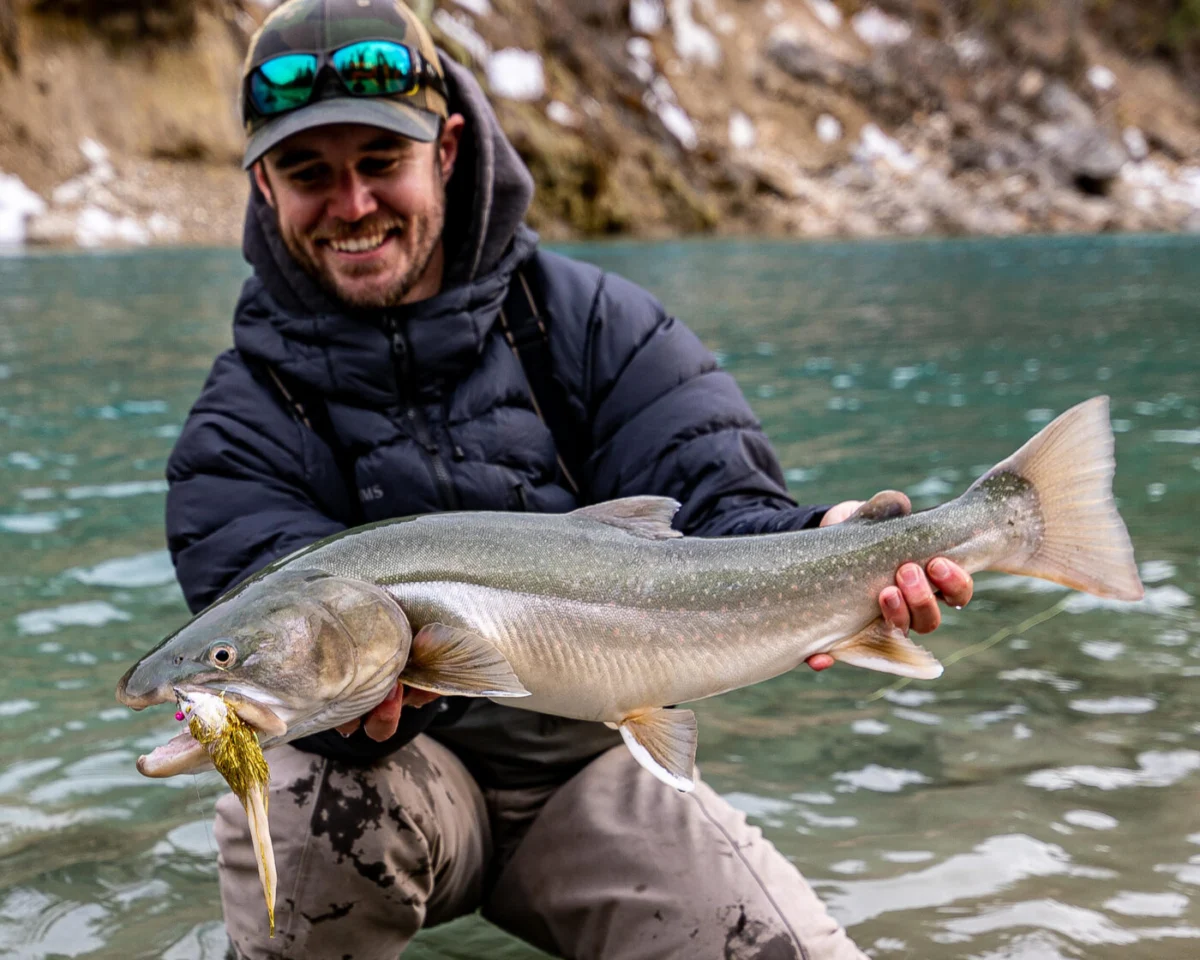
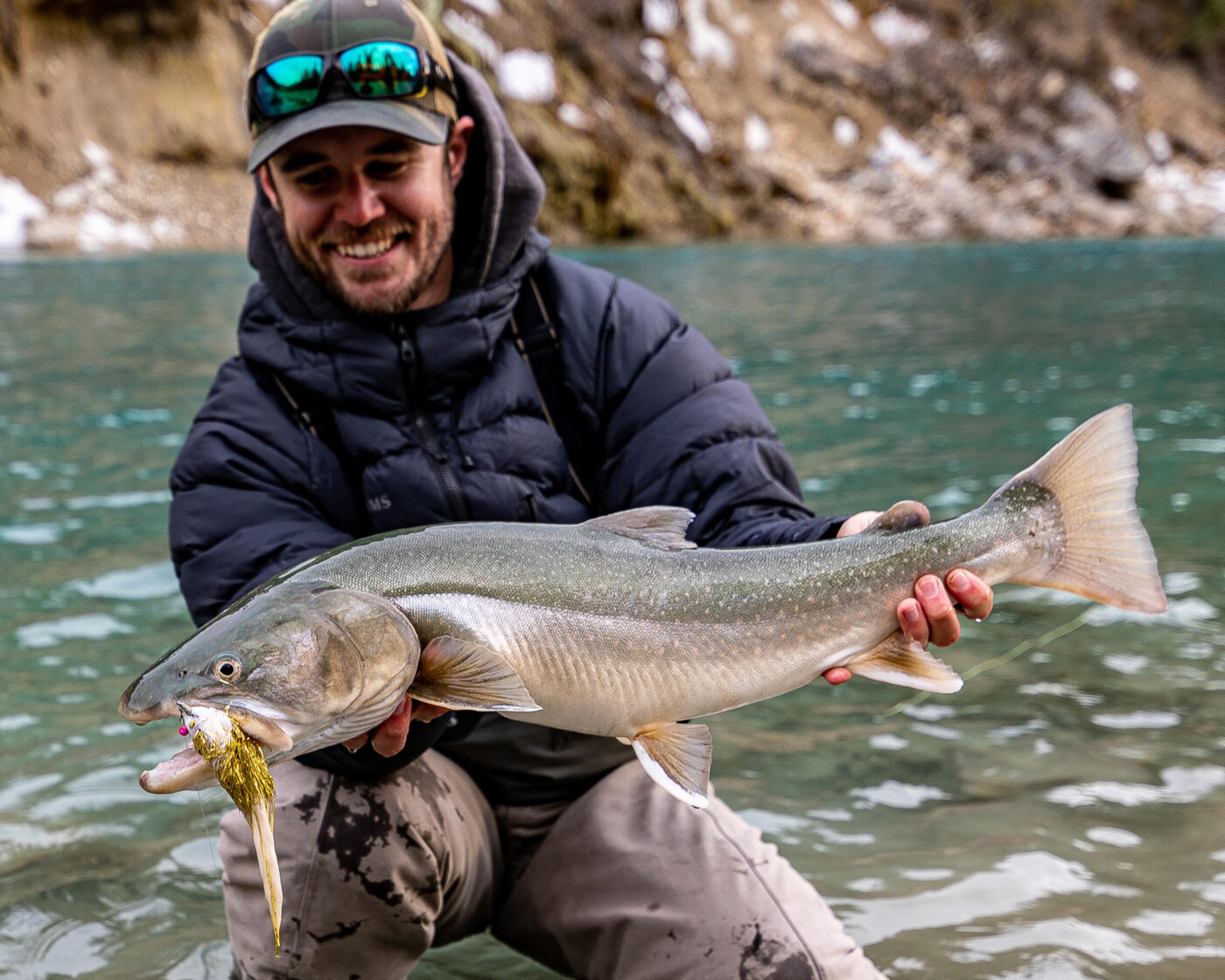
We adopted a tactical approach: testing the water with "prospector" patterns like the Red Humpy and the Stimulator. When the trout proved selective, we pivoted to a Pale Morning Dun. The reaction was immediate. Within moments, the silence of the river was shattered by the shout of "Got one!" My brother had connected with a robust, roughly 20-inch Cutthroat. Shortly thereafter, I tested the long-standing local wisdom regarding Bull Trout. Tying on a large, foam-based "Fat Albert," I drifted the fly over the pool’s tail. The strike was violent—an aggressive, predatory take that characterizes the species. A short, heart-pounding battle followed, ending with a respectable Bull Trout circling my ankles.
Supporting Data: Gear and Strategy
Successful fly fishing is rarely about the complexity of the tackle; it is about the efficiency of the application. For this expedition, the gear was selected for reliability rather than prestige.
Tackle Selection
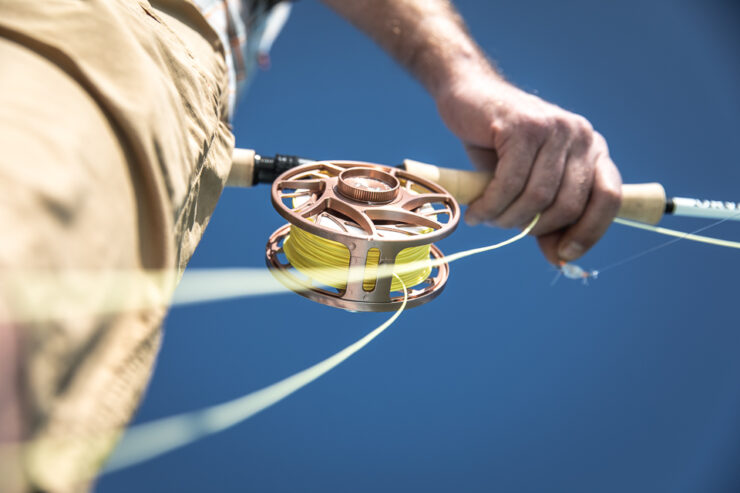
- Primary Rig: A 9-foot, 5-weight Echo Carbon XL paired with a Redington Crosswater reel. This setup provides the necessary backbone to handle the weight of a Bull Trout while maintaining the finesse required for smaller Cutthroat.
- Secondary Rig: A Cabela’s 5-weight store-brand rod matched with a vintage Okuma reel. While intended as a backup, it proved more than capable of handling the demands of the Blackstone’s currents.
Fly Selection Philosophy
Modern anglers often suffer from "box fatigue," carrying hundreds of patterns they never use. On the Blackstone, minimalism is key. Our selection was distilled into three distinct categories:
- Standard Dries: Essential for the varied conditions of the foothills.
- Bead-Head Nymphs: Necessary for probing the deeper, cooler pockets where fish hold during the mid-day heat.
- Big Terrestrials: Crucial for triggering the predatory instinct of larger fish, particularly the Bull Trout, which favor substantial meals on the surface.
Official Perspectives and Ecological Context
The Blackstone River is frequently cited in regional literature, most notably in the works of Barry Mitchell. Mitchell’s guidebook—a staple for Alberta anglers—positions the Blackstone as a unique habitat for Bull Trout. While some claim the book is dated, the ecological reality remains: the Blackstone provides the specific thermal conditions and structural diversity required for Bull Trout to behave aggressively toward surface flies.
Bull Trout (Salvelinus confluentus) are a sensitive species in Alberta. They require cold, clean, and complex habitats to thrive. Their presence in the Blackstone is an indicator of the river’s overall health. Unlike many other trout species, Bull Trout are opportunistic carnivores. Their tendency to rise to a dry fly—specifically an oversized terrestrial—is a testament to their predatory nature; they are not merely feeding on insects, but are looking for a meal that justifies the energy expenditure of rising to the surface.
Implications: The Ethics of Foothills Angling
The experience on the Blackstone carries with it significant implications for conservation and angling ethics.
The "No-Net" Oversight
Our trip was marred by a simple, avoidable mistake: we forgot the landing net. This is a critical error in any fishery, but particularly so when targeting larger, more fragile species like the Bull Trout. The stress placed on a fish during a prolonged landing process can be fatal. Future anglers should treat the net not as an accessory, but as an essential tool of conservation.
Catch-and-Release Best Practices
The Bull Trout is currently designated as a "Threatened" species in many parts of its range. Consequently, the regulations governing the Blackstone are strict, mandating a catch-and-release approach. The implication for the recreational angler is clear:
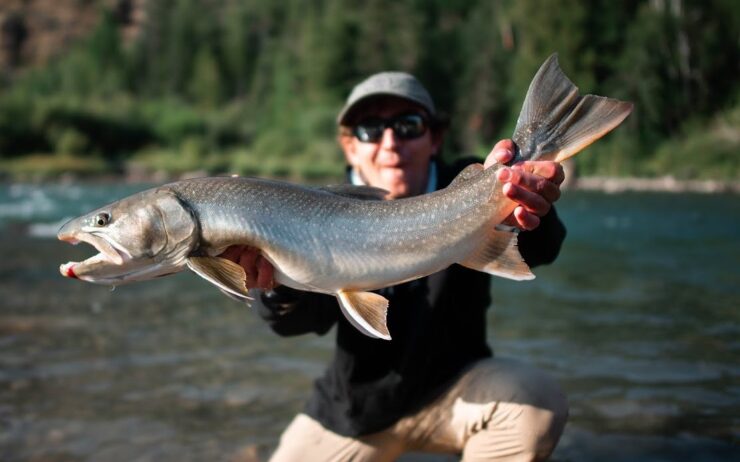
- Minimize Handling: Keep the fish in the water whenever possible.
- Barbless Hooks: Always use barbless hooks to ensure the fish can be released quickly and with minimal trauma.
- Water Temperature: On exceptionally hot days, avoid fishing during peak afternoon hours when oxygen levels in the water are lowest.
Conclusion: The Spirit of the Blackstone
The Blackstone River serves as a microcosm of the Alberta foothills experience. It offers a rare opportunity to engage with one of the most elusive and aggressive fish in the province while remaining accessible enough to serve as a perfect weekend getaway.
Whether one is a seasoned veteran or a newcomer to the sport, the lessons from the Blackstone remain the same: simplify your gear, respect the water, and always—without fail—bring your net. The river’s beauty is matched only by the intensity of the fish that inhabit it. As we packed up our gear and prepared to head back toward the highway, the river continued its quiet journey toward the Brazeau, unchanged by our brief, adrenaline-filled intrusion. It is a place that demands humility, preparation, and, above all, a deep appreciation for the wild spaces that remain.
The Blackstone is not just a destination; it is a reminder that in the vast, rugged expanse of the Canadian Rockies, there is still magic to be found for those willing to wake up early, brave the cold, and test their luck against the shadows in the pool.