By Samuli Haapasalo | July 14, 2026
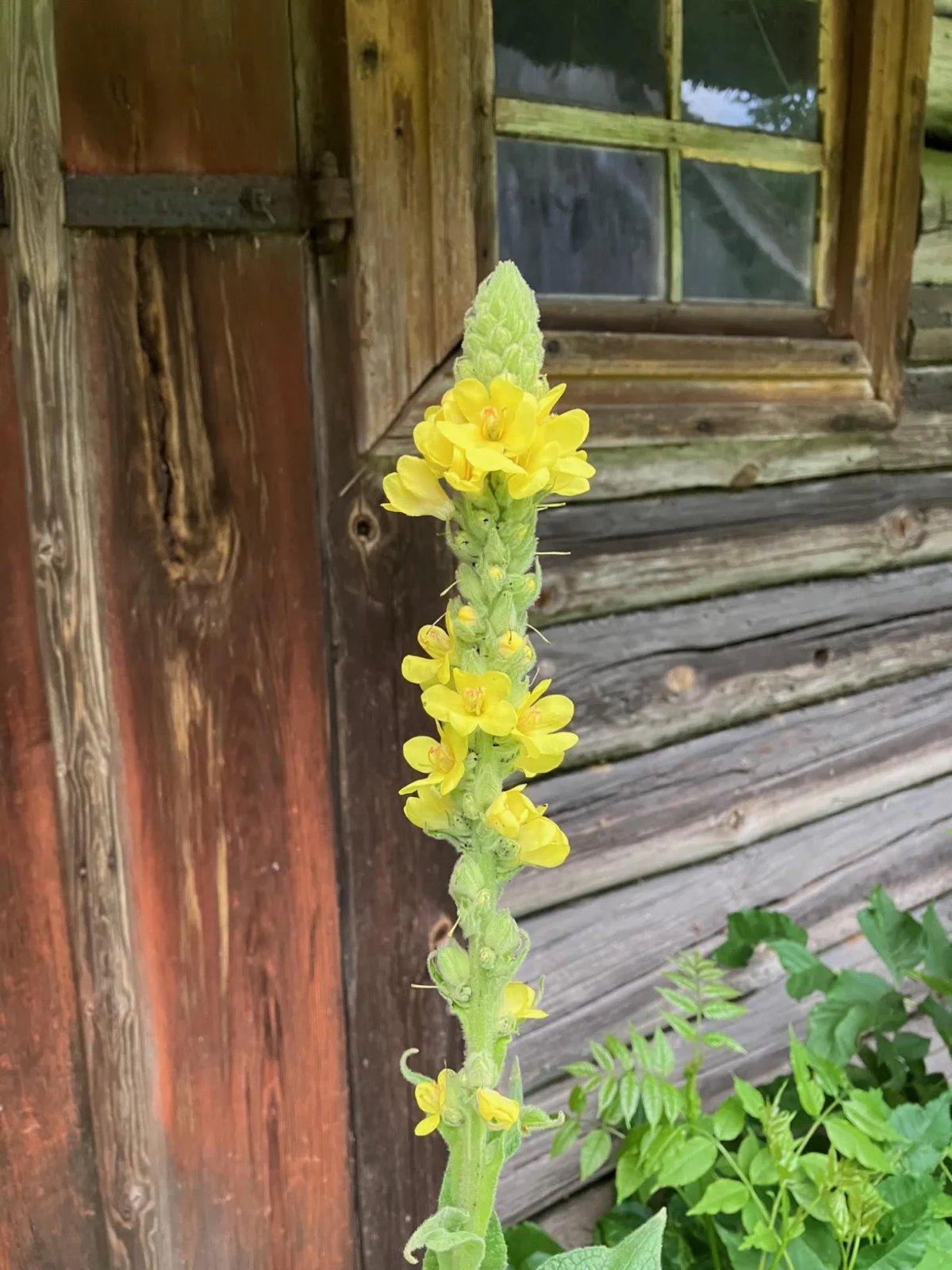
Deep within the rural landscapes of Western Estonia, amidst the weathered stone walls of an ancient drying barn, stands a plant of striking stature and profound historical resonance. The Verbascum thapsus, known in Finnish as the ukontulikukka (Great Mullein), is more than a mere botanical curiosity. It is a living artifact—a biological chronicle that whispers of Viking voyages, iron-age dwellings, and the forgotten pharmacopeia of our ancestors.
To encounter the Great Mullein is to confront a plant that has been a silent witness to human migration for over a millennium. Its presence at old homesteads and castle ruins across Northern Europe is not a matter of chance; it is a legacy of human utility, medical necessity, and perhaps, a touch of ancient mythology.
Main Facts: The Botany of a Survivor
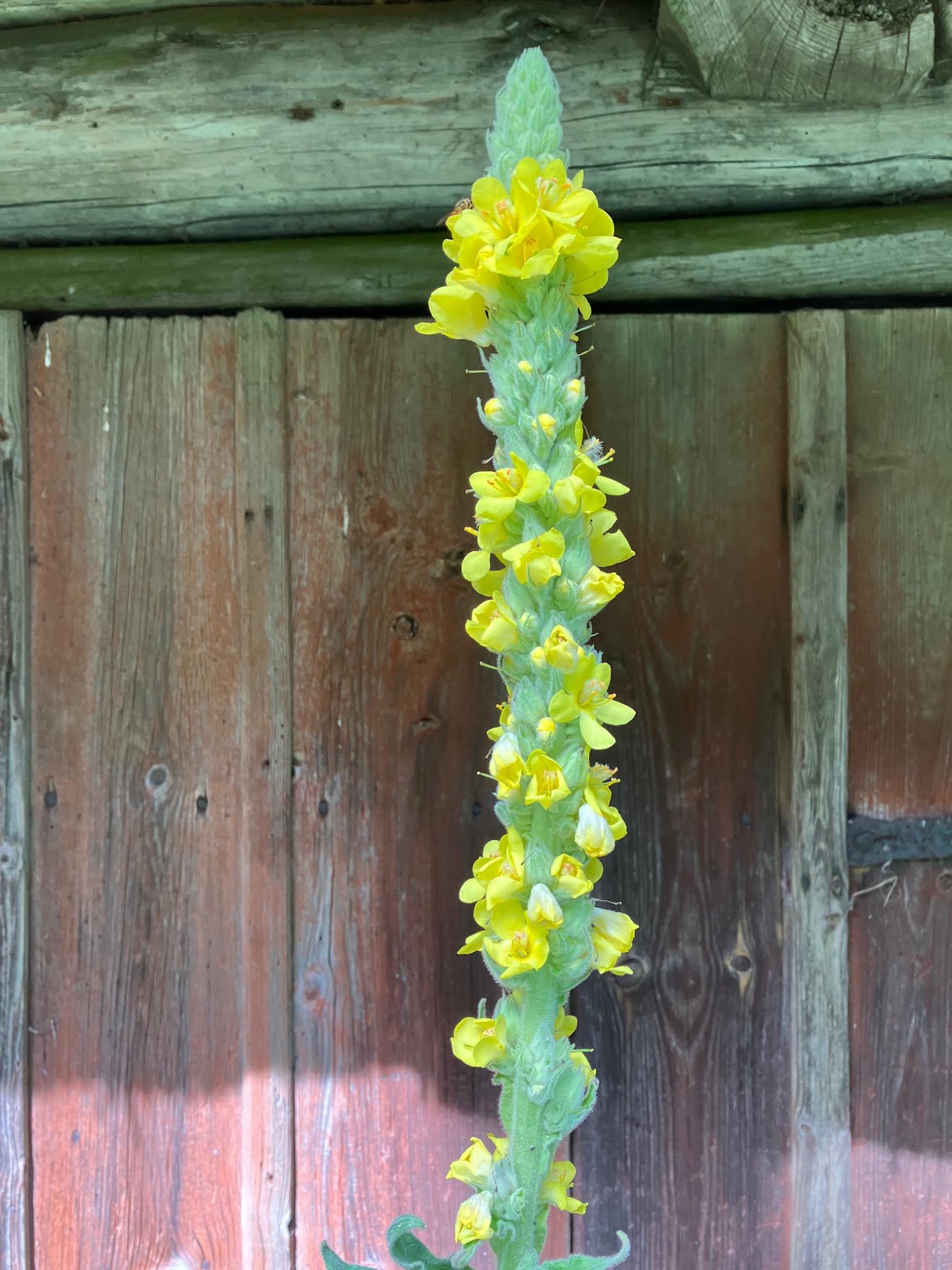
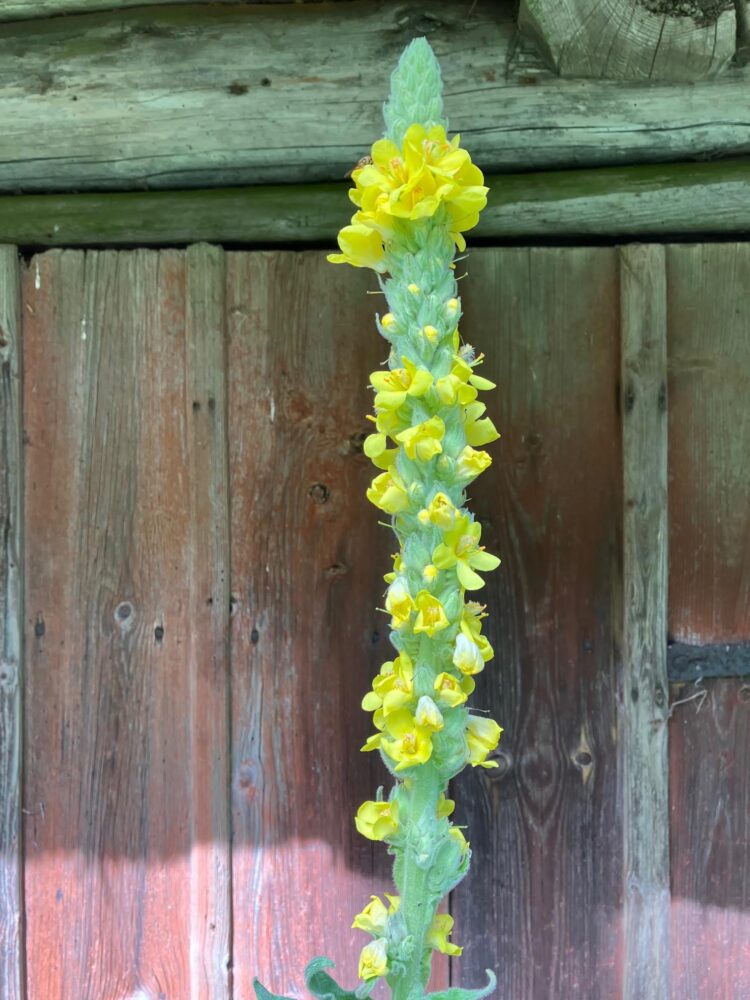
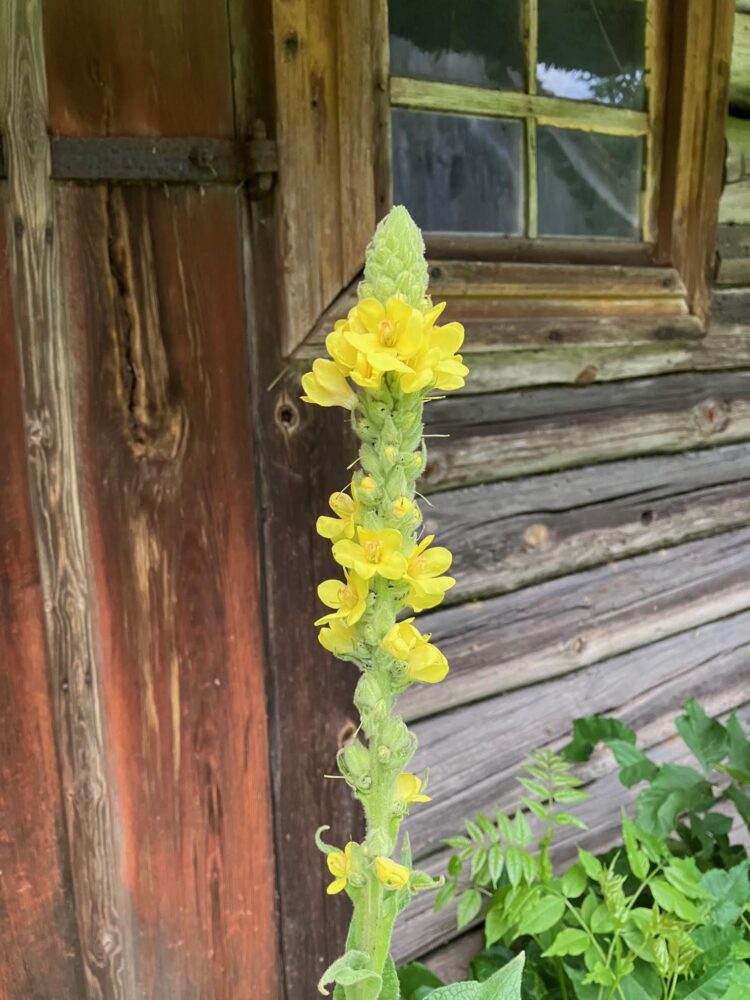
The Great Mullein is a biennial herb characterized by its impressive, towering floral spike, which can reach heights of up to two meters in its second year of growth. Its soft, woolly leaves and spikes of vibrant, golden-yellow flowers are easily identifiable.
While individual blossoms may last only a day, the plant’s elongated inflorescence ensures a prolonged blooming season, facilitating a prolific production of seeds. This reproductive success, combined with its ability to thrive in poor, rocky, or disturbed soils—such as the foundations of old buildings or beneath discarded firewood—makes the species a remarkably resilient pioneer. It is not an invasive species in the traditional, destructive sense; rather, it is classified as an "ancient introduction," a plant that arrived on these shores through human agency long ago and has since become naturalized into the cultural and ecological landscape.
A Chronology of Migration: From Vikings to Modern Gardens
The story of the ukontulikukka is inextricably linked to the history of human movement. During a recent expedition to the western coast of Estonia, I discovered a population of mullein growing in a location that, roughly 1,000 years ago, sat directly on the shoreline. Due to post-glacial land uplift, the sea has since retreated four kilometers, yet the plant persists.
Local lore suggests that the seeds of this particular population may have been brought by Viking vessels. Whether these seeds arrived via trade, exploration, or war, the plant’s persistence suggests a symbiotic relationship with its environment.
The Historical Timeline:
- The Iron Age: Evidence indicates that the Great Mullein was intentionally planted near Iron Age settlements and fortifications. Its utility made it a staple of the medieval village.
- The Medieval Era: The plant spread alongside the expansion of trade routes and monastic gardens. It became a garden staple, eventually escaping into the wild as a "garden runaway."
- Modern Day: Today, it stands as a testament to these historical land-use patterns, appearing in the vicinity of ruins and old dwellings, marking the sites where humans once lived and worked.
Supporting Data: Ethnobotany and Traditional Medicine
The Great Mullein’s distribution across Northern Europe is largely a result of its immense value as a medicinal plant. For centuries, it has been a cornerstone of folk medicine.
Respiratory and Dermatological Relief
Historically, the leaves and flowers of the ukontulikukka were used to treat ailments of the respiratory tract. Infusions and decoctions were crafted to soothe coughs and bronchitis. Beyond internal use, the plant was a prized dermatological agent, used to treat dry, inflamed, or damaged skin.
The Cosmetic and Cultural Significance
The plant’s influence extended into the aesthetic realm. Its extracts were used to treat hair and, according to historical folklore, to dye it a vibrant, golden yellow. In the context of the Kalevala—the Finnish national epic—such golden hair was a sign of heroism and status. This dual utility as a medicine and a cosmetic ensured that the plant was a constant companion to those moving to new settlements, as seeds were easily carried in pockets and pouches.
The "Fiery" Connection
The name ukontulikukka—literally "Ukko’s fire flower"—points to its mythological and practical associations with fire. "Ukko" is the supreme deity of the Finnish pantheon, often associated with thunder and lightning.
The plant’s practical connection to fire was significant:
- Torches and Wicks: Ancient Roman accounts and later European records note that the dried stalks of the mullein, when dipped in tallow, pitch, or tar, made excellent torches. They were also used as candle wicks.
- Fishing: Perhaps most intriguing is the historical use of the plant’s seeds in fishing. The seeds contain substances that, when crushed and introduced to water, could stupefy fish, making them easier to catch—a testament to the plant’s potent chemical properties.
Official Perspectives: The Plant as a Cultural Heritage
Botanists and historians increasingly view the Great Mullein as a "cultural indicator species." When archaeologists survey a site for signs of ancient human habitation, the presence of Verbascum thapsus can often be a reliable marker of long-abandoned activity.
Experts emphasize that while the plant is not native to the post-glacial wilderness in the same sense as spruce or birch, its status as an "ancient introduction" warrants protection. It represents a living record of human activity that standard archaeological digs might overlook. By studying the genetics of these isolated populations, researchers hope to map the specific trade routes and migratory paths that brought the plant to the Baltic and Nordic regions.
Implications: A Lesson in Resilience and Memory
The Great Mullein serves as a poignant reminder of our interconnectedness with the natural world. In an era of rapid environmental change, the ukontulikukka represents stability. It has survived the collapse of empires, the drying of coastlines, and the abandonment of homesteads.
Environmental Stewardship
As we look toward the future of landscape management, the Great Mullein offers a lesson in adaptation. Its ability to thrive in degraded soils and its history as a medicinal powerhouse suggest that we should reconsider how we categorize "weeds." Many of these plants are, in fact, historical partners that have served human needs for millennia.
Philosophical Reflection
When you stand before a two-meter-tall stalk of Great Mullein, allow your imagination to travel. Consider the hands that planted it—perhaps a Viking merchant or a medieval healer—and the many generations that relied on its golden flowers for light, health, and beauty. The plant does not merely exist; it remembers.
As we continue to navigate the 21st century, the ukontulikukka remains a sentinel of our shared heritage. It reminds us that our history is not just written in books or etched in stone; it is rooted in the earth, blooming anew every summer, waiting for those who know how to look.
The next time you see this towering plant near an old barn or a stone ruin, stop. Listen to the wind through its woolly leaves. You are standing in the presence of a thousand years of history, a living bridge between the ancient world and our own.
Samuli Haapasalo is a researcher and contributor to "Vuosi luonnossa" (A Year in Nature), focusing on the intersection of human history and botanical distribution in the Nordic and Baltic regions.