The historic city of Tokat, Turkey, is set to become the global epicenter of sustainable travel this summer. From July 27 to July 31, 2021, the city will host the 16th Ecotourism and Sustainable Tourism Conference (ESTC), an event organized by The International Ecotourism Society (TIES). As a destination that seamlessly blends 1,500 years of architectural heritage with a commitment to ecological preservation, Tokat offers a compelling case study for the future of global tourism.
Main Facts: The Intersection of History and Ecology
Tokat is not merely a geographic location; it is a repository of human achievement. Situated at the crossroads between the Black Sea region and the Anatolian heartland, the city’s unique topography—defined by its elevation and transitional climate—has provided a sanctuary for 14 distinct civilizations throughout history.
The upcoming ESTC, the flagship event for TIES, aims to bring together industry leaders, conservationists, and policymakers to discuss the evolving relationship between tourism and the environment. By selecting Tokat, TIES has highlighted a destination that is actively pivoting toward a model of tourism that prioritizes the longevity of natural resources while promoting local cultural authenticity.
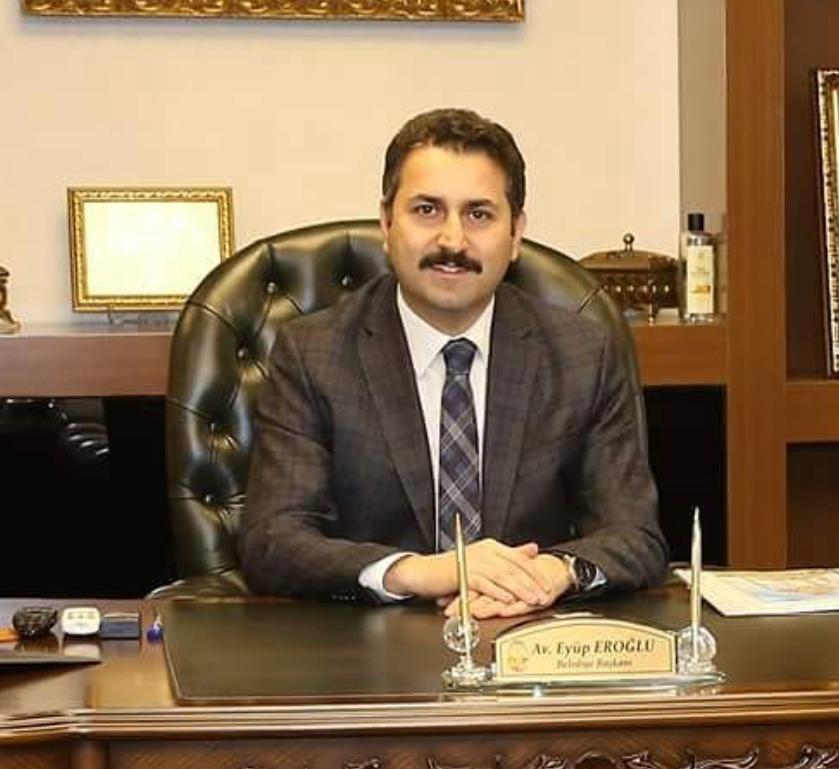
The city’s infrastructure is currently being optimized to support this influx of global delegates, with a focus on low-impact, high-value tourism. Mayor Eyüp Eroğlu, one of Turkey’s most forward-thinking and youngest municipal leaders, has been the primary architect of this transition, ensuring that the city’s modernization efforts do not compromise the very environment that makes it an attractive destination.
A Chronological Journey: From Antiquity to the 21st Century
To understand the significance of Tokat as a host city, one must look at the timeline of its development:
- The 5th Century Foundations: The city’s history dates back to the 5th century, serving as a vital node in the trade routes connecting Anatolia to the north.
- The Age of Empires: Over the centuries, the city fell under the influence of the Romans, Byzantines, Seljuks, and Ottomans. Each era left an indelible mark on the urban fabric, most notably through the construction of the imposing Tokat Castle, which remains the city’s most iconic landmark today.
- The Modern Transition (2010s): Under the leadership of Mayor Eyüp Eroğlu, Tokat began to aggressively pursue a sustainable development strategy. This involved the preservation of historical neighborhoods and the promotion of agricultural biodiversity.
- The Selection Process (2020): Following a rigorous evaluation by TIES, Tokat was selected to host the 16th ESTC, marking the city’s emergence as a premier destination for ecotourists on the international stage.
- The Conference (July 2021): The upcoming summit serves as the culmination of years of preparation, intended to showcase the city’s successful balance between heritage conservation and contemporary ecological practices.
Supporting Data: The Biodiversity of the Anatolian Heartland
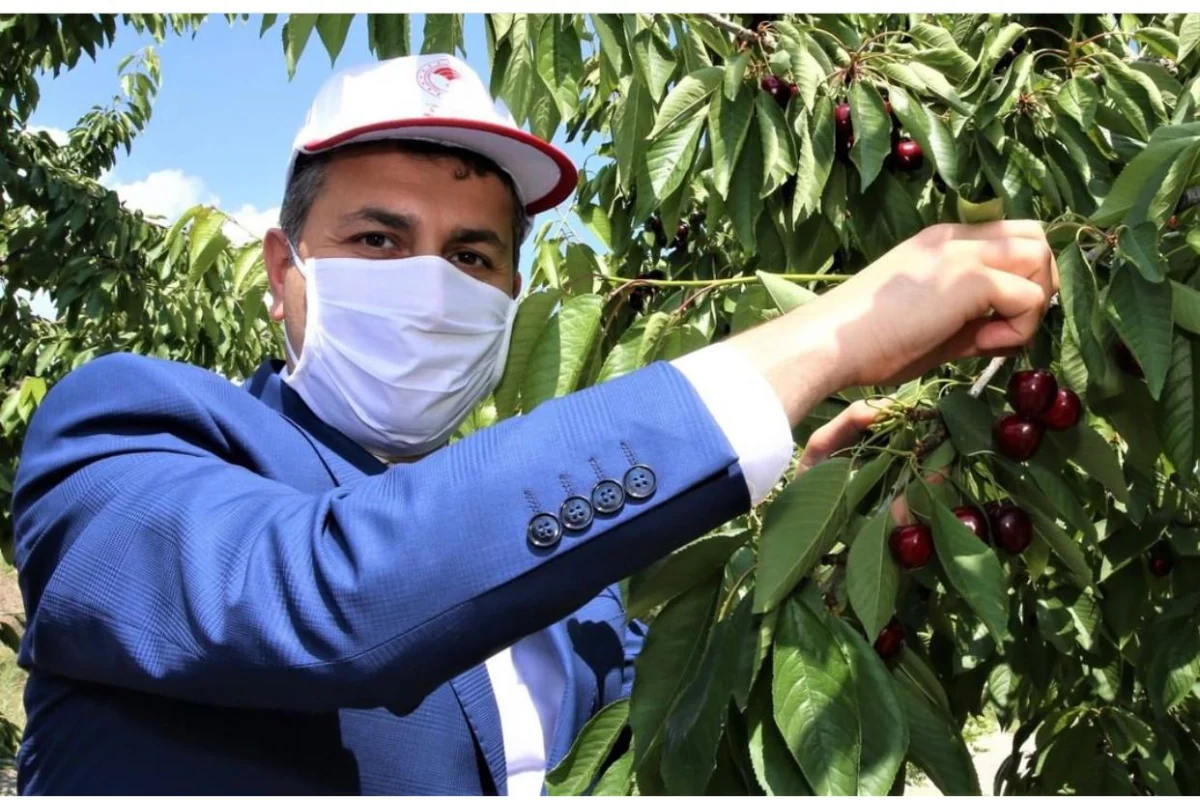
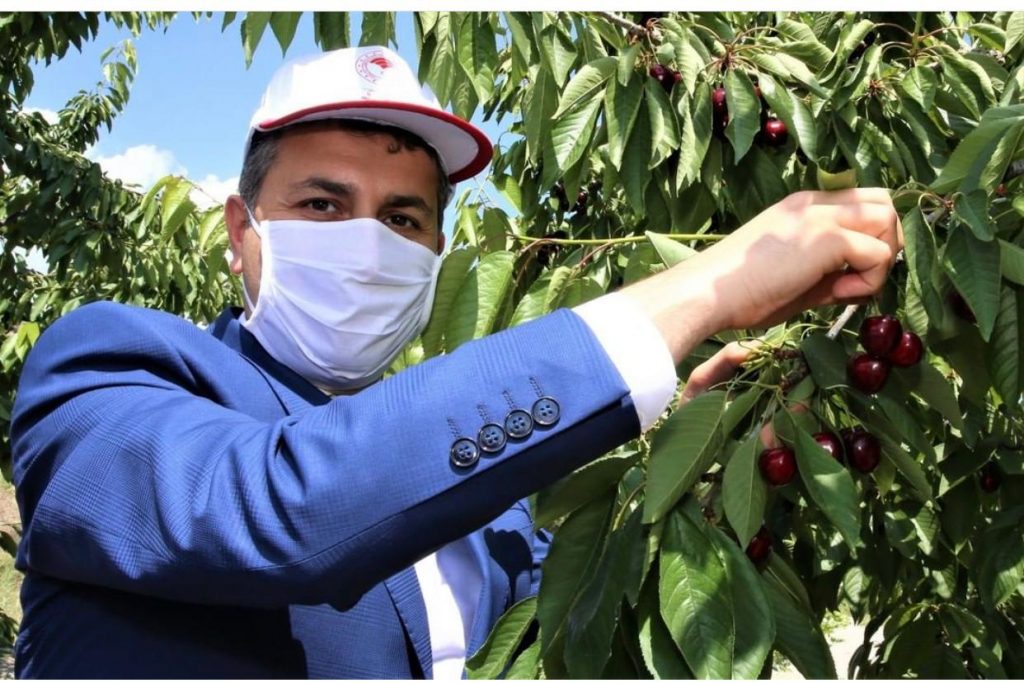
Tokat’s appeal is deeply rooted in its agricultural and natural diversity. The region is a microcosm of Anatolian abundance, boasting an impressive catalog of 82 thriving varieties of cereals, fruits, and vegetables. This agricultural richness is the backbone of the local economy and a cornerstone of the regional identity.
Gastronomic Heritage as a Tourism Asset
The city’s culinary scene is a testament to its long-standing connection to the land. Traditional staples such as grape leaves, molasses, walnuts, and fenugreek form the basis of a cuisine that is both locally sourced and culturally significant. The celebrated "Tokat Kebab"—a dish that requires specific local ingredients and traditional preparation methods—has become a symbol of the city’s culinary pride.
From an ecotourism perspective, this reliance on local produce is an exemplary model of "food miles" reduction. By prioritizing farm-to-table consumption, Tokat minimizes the carbon footprint typically associated with tourism-led food supply chains, effectively proving that sustainability can be delicious.
Geographical Advantage
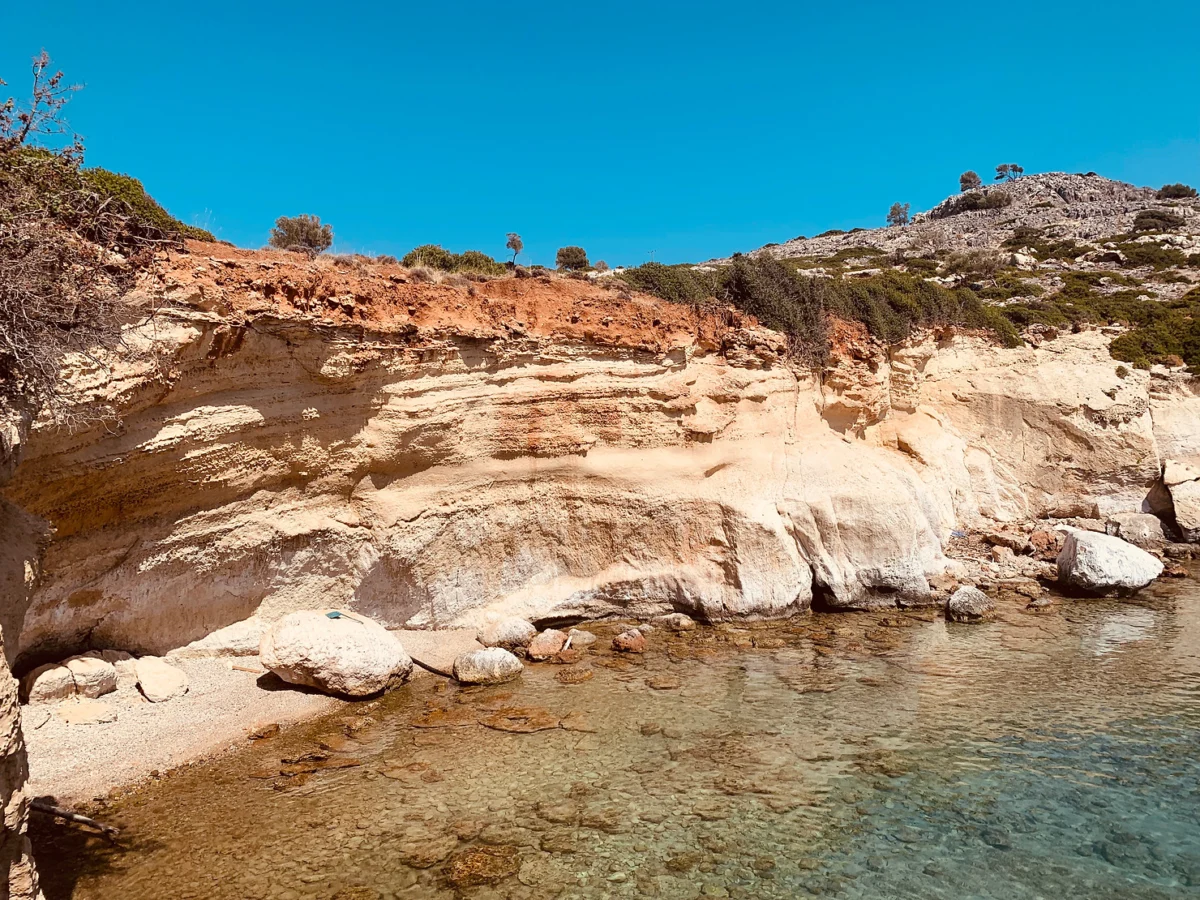
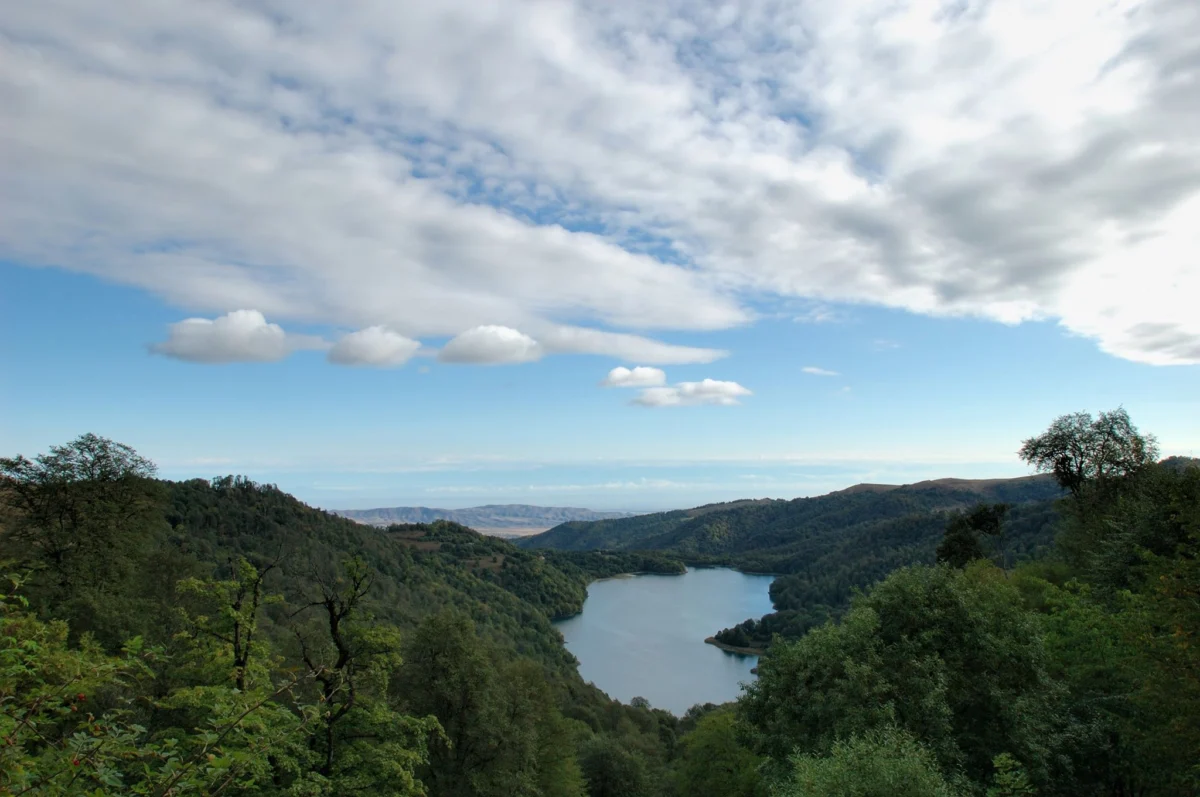
The city’s climate is uniquely transitional, benefiting from both the humid, temperate influences of the Black Sea and the more continental climate of the Anatolian interior. This variation allows for a diverse range of flora and fauna, providing visitors with a rich landscape for nature-based activities, hiking, and botanical exploration.
Official Responses: A Vision for the Future
During a recent interview, Mayor Eyüp Eroğlu articulated his vision for the conference and the future of the city. As a leader who has championed the "young and dynamic" approach to municipal governance, Eroğlu views the ESTC as a vital milestone.
"Along with Tokat’s friendly local people and their welcoming outlook, the Tokat Municipality will make every effort to develop our city’s tourism to be represented in the international arena, and we will accomplish this in a sustainable way," the Mayor stated.
When addressing the concerns of international delegates regarding safety—particularly in the wake of global health challenges—Mayor Eroğlu expressed his full confidence in the collaborative efforts between his administration and TIES. "I am impressed with the care TIES has taken to ensure the safety of ecotravelers and the community of Tokat," he noted.
The Mayor’s rhetoric focuses heavily on the concept of "Anatolian hospitality," an intangible asset that he believes will set the Tokat conference apart from more sterile, corporate-style summits. "We hope to have the opportunity to show the world our cultural legacy and conference hospitality. We are sure that ecotourists and travelers will collect many unforgettable memories in Tokat, and witness our true Anatolian heritage."
Implications: The Legacy of the 16th ESTC
The selection of Tokat as the host for the 16th Ecotourism and Sustainable Tourism Conference has profound implications for the global tourism sector.
Setting a New Benchmark
By hosting a world-class conference in a mid-sized, culturally rich city rather than a major global capital, TIES is signaling a shift toward decentralized tourism. The implication is clear: the future of sustainable travel lies in smaller, more manageable destinations where the impact of tourism can be carefully monitored and integrated into the local economy without causing the "overtourism" that has plagued larger European and Asian hubs.
Economic and Cultural Revitalization
For Tokat, the conference serves as a catalyst for long-term growth. The investment in infrastructure, public awareness, and the refinement of tourism services will leave a lasting footprint. By framing the city as an "ecotourism destination," the municipality is encouraging future travelers to look beyond the typical tourist trails and seek out experiences that offer genuine cultural immersion and environmental stewardship.
The Role of Technology and Safety
The conference will also serve as a pilot for modern, safe travel protocols. By successfully executing an international event in the current climate, Tokat and TIES are setting a standard for how global gatherings can be managed responsibly. This balance of digital readiness and physical caution is essential for the industry’s recovery and long-term resilience.
Conclusion: An Invitation to Discovery
As the date approaches, anticipation for the 16th ESTC continues to build. For the international delegate, Tokat represents more than just a destination; it represents an opportunity to witness a city that is successfully navigating the complexities of the 21st century while honoring the lessons of its 14 past civilizations.
The International Ecotourism Society (TIES) continues to urge interested professionals, researchers, and sustainable travel advocates to register for the conference. By joining the conversation in Tokat, attendees will not only contribute to the discourse on sustainability but will also experience the natural beauty, historical depth, and, most importantly, the warmth of the Anatolian people.
The city of Tokat is ready to show the world that it is possible to grow, to prosper, and to innovate while remaining firmly rooted in the landscape of the past. It is an invitation to witness the future of tourism—one that is sustainable, authentic, and profoundly human.
Interested delegates and industry professionals are encouraged to secure their registration via the official TIES conference portal to participate in this landmark event.