Introduction: A High-Stakes Confrontation on 8th Avenue
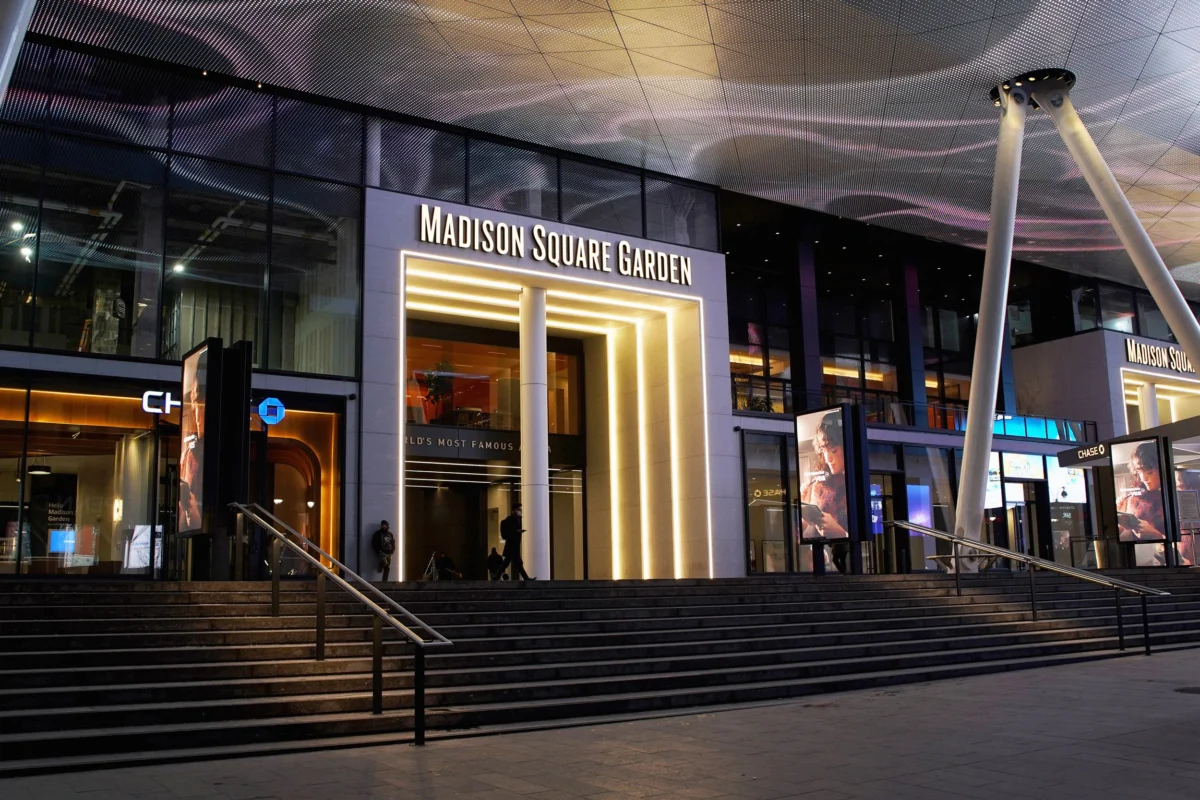
On a crisp Friday afternoon, the familiar bustle of Seventh Avenue outside Madison Square Garden (MSG) was punctuated by a distinct, rhythmic chant: “Ban the scan.” The demonstration, a coalition of privacy advocates, labor organizers, and vocal musicians, marked a significant escalation in the ongoing war against the normalization of biometric surveillance in New York City’s public spaces.
At the heart of the controversy lies a fundamental tension between corporate security practices and the civil liberties of patrons. The protesters, led by City Council member Shahana Hanif, are demanding the passage of legislation that would effectively outlaw the use of facial-recognition technology at large-scale venues. This legislative push is not merely a reactionary measure; it is a direct challenge to the expansive and controversial surveillance apparatus operated by James Dolan, the CEO of MSG Entertainment.
The Chronology of a Surveillance Empire
The controversy surrounding MSG’s data practices did not emerge overnight. For years, the venue—often called "The World’s Most Famous Arena"—has been refining a proprietary system that goes far beyond standard metal detectors and ticket scanners.
The Watchlist Era
The scrutiny began to intensify as reports surfaced detailing how MSG utilized facial-recognition software to identify and bar individuals who had legal disputes with the company. The policy, which became infamous for its reach, targeted lawyers who were involved in litigation against Dolan or his various properties. The most publicized instance involved a mother who was turned away from a Rockettes show at Radio City Music Hall simply because her firm was involved in a dispute with the arena.
The "Risk Score" Revelation
In July of this year, investigative reports revealed that the surveillance at MSG had evolved into a sophisticated profiling system. Beyond simple blacklists, the venue reportedly maintained a database assigning "risk scores" to approximately 400 celebrities and VIPs. Even more concerning to privacy experts were reports that these dossiers included sensitive personal characteristics, such as the race and sexual orientation of attendees—data points that seemingly have no place in venue security operations.
The Legislative Response
Recognizing the severity of these practices, Council member Shahana Hanif introduced a bill in January designed to restrict the use of biometric recognition in public venues. The "Ban the Scan" movement has since gained significant momentum, securing 27 endorsements from fellow City Council members—a majority of the legislative body. As of late, Hanif and her colleagues have entered into active discussions with Council Speaker Julie Menin to bring the bill to the floor, signaling that the political tide may be turning against biometric data collection in the private sector.
Supporting Data: The Reality of Algorithmic Tracking
The concerns raised by the "Ban the Scan" coalition are rooted in documented evidence of how MSG uses its technology. WIRED investigations have previously uncovered the granular nature of this surveillance. In one instance, MSG security personnel tracked a fan at a Knicks game, cataloging their movements minute-by-minute. The resulting log included not only where the fan sat, but who they spoke to, when they purchased food, and their physical trajectory throughout the venue.
This level of tracking represents a paradigm shift in the concert-going experience. For the average attendee, a ticket to a game or a show is a simple transaction; for MSG, it has become an opportunity for mass data ingestion.
The Implications for Public Safety
Proponents of the legislation argue that the current trajectory of biometric adoption is inherently dangerous. Hanif, who grew up in New York City in the post-9/11 era, brings a unique perspective to the debate. Having experienced the rise of heightened surveillance firsthand, she argues that the current AI-driven tools are being marketed under the guise of "safety," yet they ultimately strip away the anonymity that is vital to a free society.
“New Yorkers need to understand,” Hanif told reporters, “that these tools, which are being sold to us as being for our city’s safety, are actually making us less safe. They create an environment of constant monitoring where the individual is stripped of their right to move through public space without being categorized, tracked, or assigned a risk score.”
Official Responses and Corporate Defiance
The tension between the activists and the venue’s leadership remains palpable. MSG has consistently maintained that its security measures are necessary for the protection of its staff and patrons.
In a statement provided to the press, an MSG spokesperson dismissed the concerns of privacy advocates with a brief, provocative response: “People have been recognizing each other’s faces since the beginning of time—we just do it electronically.”
This statement has served as a rallying cry for the opposition, who view it as a dismissive take on a complex ethical issue. The company’s legal posture has been equally aggressive. Following the publication of reports detailing the VIP risk-scoring system, MSG filed a defamation lawsuit against WIRED, an move that critics suggest is an attempt to chill investigative journalism into their operations.
The Political and Societal Implications
The "Ban the Scan" bill represents a broader debate about the role of Artificial Intelligence (AI) in urban life. As the technology becomes cheaper and more accessible, the temptation for corporations to use it for marketing, security, and behavioral prediction grows.
The Intersection of Tech and Politics
The involvement of James Dolan in the political sphere has added a layer of complexity to the issue. Dolan, known for his long-standing relationship with former President Donald Trump, has often been a polarizing figure. For activists like Hanif, the prospect of a high-profile corporate leader maintaining a database on political opponents and marginalized groups is a threat to the democratic process.
The coalition supporting the bill is diverse, including the Brooklyn-based country musician Paisley Fields, the NYC DSA Tech Action group, and the digital rights organization Fight for the Future. Their collaboration highlights how the issue of surveillance transcends traditional party lines, uniting artists, labor organizers, and civil libertarians.
The Future of Public Spaces
If the bill passes, it would set a significant precedent for New York City and potentially the nation. It would establish the principle that the right to attend a concert or a basketball game should not be contingent upon the submission of one’s biometric data to a corporate database.
The battle at Madison Square Garden is, in many ways, a microcosm of the 21st-century struggle for digital autonomy. As the City Council prepares to deliberate on the future of the "Ban the Scan" legislation, the eyes of privacy advocates across the country remain fixed on New York. The outcome of this legislative struggle will likely determine whether the future of public assembly remains a space of human interaction or becomes a theater of algorithmic surveillance.
Conclusion: A Turning Point
The rally outside the Garden was not just a protest; it was a demand for accountability. As the legislation inches toward a vote, the message from the "Ban the Scan" coalition is clear: public venues should be spaces of community, not labs for private surveillance. Whether through legislative action or continued public pressure, the push to restrict biometric harvesting at MSG and similar institutions is set to be one of the most defining civil rights battles of the decade. The question remains whether lawmakers will prioritize the comfort and safety of the public or the proprietary interests of the corporate entities that own the venues where New Yorkers gather.