By International Sports Correspondent
In a decision that has sent shockwaves through the winter sports community, the Executive Board of the International Olympic Committee (IOC) has finalized the official sports program for the 2030 Winter Olympic Games in the French Alps. The announcement marks a seismic shift in the composition of the Games, most notably the permanent removal of Nordic Combined—a cornerstone of the Winter Olympics since their inception—and the inclusion of the innovative Synchro 9 figure skating discipline.
This decision, part of the broader "Fit for the Future" strategy spearheaded by IOC President Kirsty Coventry, represents the most significant restructuring of the Winter Olympic program in over a century. While proponents of the modernization argue that the Games must evolve to remain relevant in a globalized sports market, traditionalists and national federations are grappling with the loss of one of the sport’s most storied disciplines.
The End of an Era: The Ousting of Nordic Combined
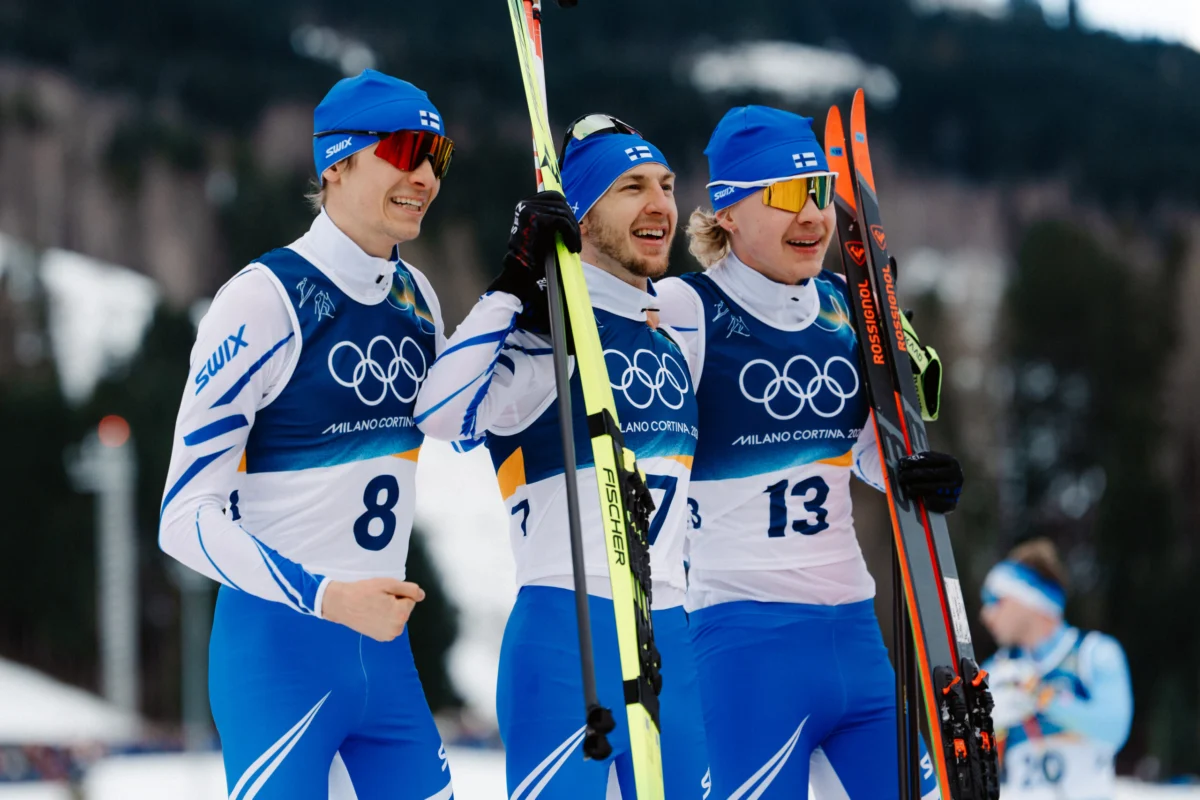
Nordic Combined, a grueling test of both explosive power and endurance, has been a fixture of every Winter Olympic Games since the inaugural event in Chamonix in 1924. For over 100 years, the sight of athletes soaring from the ski jump before testing their mettle on the cross-country course has defined the spirit of winter athleticism.
The decision to exclude the sport from the 2030 program was not made lightly, according to internal reports. The IOC’s new evaluation methodology, adopted during the June 2026 General Assembly, prioritizes global reach, gender parity, and cost-effectiveness. Despite Nordic Combined’s rich heritage, the sport has struggled to achieve the broad, global broadcast appeal and the gender representation balance that the modern IOC mandates for inclusion in the Olympic program.
A Blow to Gender Equality
Perhaps the most vocal criticism of the IOC’s decision centers on the denial of an Olympic platform for women’s Nordic Combined. For years, the international community has worked toward establishing a pathway for female athletes to compete at the highest level. The exclusion from the 2030 Games effectively stalls this progress on the world’s biggest stage, a fact that has drawn sharp rebukes from athletes and coaches alike.
Synchro 9: The Future of Figure Skating
While the day brought disappointment for the Nordic community, it signaled a landmark victory for the world of figure skating. The IOC has officially approved "Synchro 9"—a specialized nine-person team discipline derived from traditional synchronized skating—for inclusion in the 2030 Winter Games.
Synchro 9 is designed to emphasize intricate choreography, technical precision, and the power of collective movement. The addition of this discipline is widely viewed as a move to increase television viewership and attract a younger demographic. Alongside Synchro 9, the 2030 Games will also feature the debut of freestyle skiing and snowboarding disciplines, reflecting the IOC’s pivot toward high-adrenaline, visually spectacular sports.
Official Responses and The Finnish Perspective
The reaction from the Finnish sports community has been a complex mixture of professional dismay and tactical optimism. Finland, a nation with a deep-rooted history in Nordic Combined, views the IOC’s decision as a profound loss to the sport’s prestige.
Statement from the Finnish Olympic Committee
Janne Hänninen, Director of High-Performance Sport at the Finnish Olympic Committee, did not mince words regarding the decision.
"The decision is a great disappointment to us," Hänninen stated. "Nordic Combined is one of the most traditional sports in the Winter Olympics, and Finland has a uniquely strong history in it. It is particularly regrettable that the women of the sport were not given the opportunity to compete at the Olympic level. This is a disappointment to the athletes and the entire international sports community."
However, Hänninen maintained that the loss of Olympic status does not equate to a loss of the sport’s value. "The Olympic status is important for the sport, but a single decision does not define the value of Nordic Combined. The sport has a strong history, world-class athletes, and a robust community. We believe in the future of the sport and will continue our work together with the Finnish Ski Association and the international community."
Regarding the success of Synchro 9, Hänninen expressed genuine enthusiasm. "We are very happy that Synchro 9 has been granted Olympic status. Finland has a strong international position and a long, successful history in this discipline. We look forward to the sport’s first Olympic competitions and are ready to support its development together with the Finnish Figure Skating Association."
Chronology of Change: The "Fit for the Future" Path
The road to the 2030 program configuration began in earnest following the 2026 Olympic cycle. Understanding the context of these changes requires a look at the timeline of the IOC’s strategic shift:
- February 2026: High-level discussions occur during the Milano-Cortina Games regarding the sustainability of the current sports program.
- June 2026: The IOC General Assembly adopts the "Fit for the Future" strategy. This framework introduces a new, transparent methodology for evaluating sports based on global popularity, athlete participation, and broadcast metrics.
- Late 2026 – Early 2027: The IOC launches a review of all winter disciplines, putting historic sports under the microscope of modern viability.
- May 2030 (Decision): The IOC Executive Board confirms the program for the French Alps, removing Nordic Combined and adding Synchro 9, freestyle skiing, and snowboarding variants.
Supporting Data: Why the IOC Re-evaluated
The IOC’s decision-making process is no longer based solely on tradition. According to the "Fit for the Future" documentation, the criteria for remaining on the program now include:
- Global Participation: The sport must show growth in non-traditional winter sports nations.
- Broadcast Appeal: The sport must demonstrate high viewer retention and engagement across digital and traditional media platforms.
- Gender Parity: The ability to host both men’s and women’s events is now a primary requirement for a sport’s long-term survival in the Games.
- Venue Utilization: The IOC is placing a premium on using existing infrastructure to ensure the financial sustainability of the host city.
Nordic Combined, despite its technical difficulty and high level of athleticism, has often been critiqued for its limited global footprint and the high cost of maintaining specialized jumping facilities, which are increasingly expensive to operate in many parts of the world.
Implications: The Road Ahead
For the Nordic Combined Community
The exclusion of Nordic Combined forces the International Ski Federation (FIS) into a period of deep introspection. Without the "Olympic" label, the sport faces a challenge in attracting sponsorship and government funding, which are often tied to Olympic success. The strategy moving forward will likely focus on strengthening the World Cup circuit and perhaps creating a standalone global championship that emphasizes the discipline’s unique heritage.
For Figure Skating and New Sports
For Synchro 9, the challenge will be rapid professionalization. Within three years, the sport must align with the rigorous anti-doping, media, and organizational standards of the Olympic movement. The integration of this team-based discipline will likely change the landscape of figure skating training, potentially shifting the focus of skating academies toward larger team structures.
For the Olympic Movement
The 2030 program changes represent a broader shift in the "Olympic Brand." By choosing to cut traditional sports in favor of those with higher marketability, the IOC is signaling that it is willing to sacrifice "heritage" to ensure the survival of the Games in an age where youth interest is captured by X-Games-style events and shorter, high-intensity competition formats.
Conclusion
The 2030 Winter Olympic program will undoubtedly look different from the one that captivated audiences in 2026. While the removal of Nordic Combined marks a somber milestone for those who value the deep history of the winter movement, the inclusion of Synchro 9 and other new disciplines offers a glimpse into an evolving athletic landscape.
As the international community prepares for the French Alps, the focus will now shift to how these sports adapt to their new realities. For the Finnish Olympic Committee and their peers, the work of balancing respect for the past with the necessity of future-proofing their athletes remains the primary objective. The 2030 Games will be a test of whether the IOC’s "Fit for the Future" strategy can successfully bridge the gap between tradition and the fast-moving trends of the modern sports world.
About the IOC’s Decision-Making Process:
The International Olympic Committee (IOC) holds ultimate authority over the Olympic program. National bodies, such as the Finnish Olympic Committee, serve as advocates for their respective sports but do not have a direct vote in the final selection of Olympic disciplines. The current restructuring is part of a multi-year effort to ensure the long-term economic and social viability of the Olympic Games.
For further inquiries, contact the Finnish Olympic Committee’s high-performance office or visit the official IOC website for the full breakdown of the 2030 program.