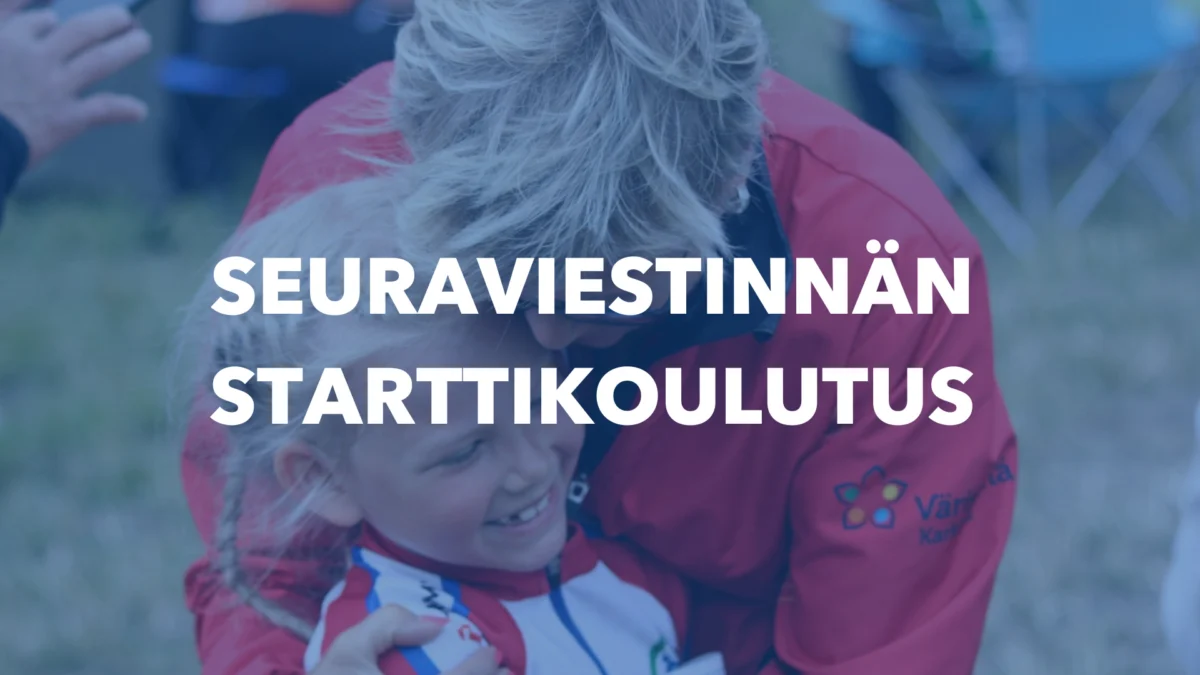
In the rapidly evolving landscape of modern sports management, the ability to communicate effectively has transitioned from a secondary task to a foundational pillar of organizational success. Recognizing that local sports clubs are the lifeblood of the Finnish sporting ecosystem, the Finnish Olympic Committee (Olympiakomitea) has launched a strategic initiative designed to professionalize the digital presence of grassroots organizations. The newly updated "Sports Club Communication Start-up Training" (Seuraviestinnän starttikoulutus) offers a roadmap for clubs navigating the complex terrain of modern media, social platforms, and legal compliance.
Main Facts: Empowering Grassroots Through Knowledge
The initiative is a free, comprehensive, and flexible educational program tailored for the volunteers and staff who manage the public face of local sports clubs. As clubs often face the dual challenge of limited resources and an overwhelming digital "jungle" of channels, this training serves as a centralized resource hub.
The curriculum covers the essential spectrum of digital outreach:
- Strategic Planning: Moving beyond reactive posting to proactive communication.
- Content Creation: Mastering the art of effective writing and storytelling for sports.
- Social Media Management: Understanding algorithmic nuances and community engagement.
- Crisis Communication: Equipping clubs with the tools to manage reputations during sensitive situations.
- Legal Compliance: A newly added, critical module on intellectual property rights (IPR) regarding images, music, and video.
By making this content accessible on-demand, the Olympic Committee aims to democratize professional communication standards, ensuring that even the smallest football or gymnastics club can project a polished and trustworthy image to its members, sponsors, and the broader community.
Chronology: Building a Foundation for Success
The development of this training program was not an overnight endeavor. It represents the culmination of a multi-year effort to harmonize communication standards across the Finnish sports sector.
- Phase 1: Needs Assessment: The Olympic Committee, in consultation with various national sports federations (lajiliitot) and regional sports organizations (liikunnan aluejärjestöt), identified a significant "skill gap" in grassroots communication. Many clubs struggled with consistency and clarity, often relying on outdated methods.
- Phase 2: Collaborative Development: Experts in communications, legal advisors, and seasoned club volunteers were brought together to design a curriculum that was both theoretically sound and practically applicable.
- Phase 3: Initial Launch: The first iteration of the training focused on the basics of digital presence. The positive feedback loop from early adopters highlighted a specific need for deeper guidance on copyright issues.
- Phase 4: Modernization and Expansion (Current Status): In late 2024, the program was significantly expanded to include the "Copyright and Content Usage" module, addressing the growing complexity of digital licensing.
Supporting Data: Why Professional Communication Matters
The necessity for this training is underpinned by changing consumption habits among the Finnish public. According to industry analysis, over 80% of potential club members now research a sports club’s social media presence before enrolling their children or themselves.
Furthermore, the "vulnerability index" of volunteer-run organizations is high. A single mishandled post or an unauthorized use of copyrighted music in a highlight reel can lead to significant reputational damage or legal liability. The Olympic Committee’s decision to integrate copyright education into the core curriculum is a direct response to these risks. By providing clear guidance on what constitutes "fair use" and how to properly license assets, the program protects clubs from potential legal repercussions while simultaneously elevating the quality of their content.
Official Responses and Stakeholder Engagement
The initiative has been praised for its collaborative nature. The program is not a top-down mandate but a co-created asset.
"The strength of this training lies in its origin," says an Olympic Committee representative. "We didn’t just sit in an office in Helsinki and draft theories. We spent months working with the very people who spend their weekends in arenas and on fields. We asked them what they needed, where they stumbled, and what tools would make their lives easier. The inclusion of the copyright module is a direct result of their feedback."
Representatives from regional sports organizations have also noted that the training serves as a leveling force. By standardizing the best practices, the Olympic Committee is helping to ensure that a club in a rural municipality has access to the same professional communication standards as a large, metropolitan sports academy.
The Copyright Frontier: Navigating Digital Legalities
Perhaps the most significant addition to the updated training is the module on intellectual property (IP). In an age where smartphone-captured footage and AI-generated imagery are standard, clubs often find themselves in a legal gray area.
The new training clarifies:
- The Nuance of Image Rights: Understanding when consent is required and the distinction between public and private spaces.
- Video Licensing: Why a popular song on a TikTok-style club reel can result in a platform takedown or copyright strike.
- Textual Ownership: Ensuring that contributions from volunteers remain the property of the club.
This module provides a "common sense" guide to legal safety, transforming a daunting subject into a series of actionable, low-risk checklists for club administrators.
Implications: The Future of Sports Club Management
The broader implication of this training is the professionalization of the "volunteer brand." As sports clubs in Finland compete with private fitness centers and digital entertainment for the attention of youth, their ability to communicate effectively determines their survival.
1. Increased Member Retention: Professional communication builds trust. When a club can clearly articulate its values and successes, members feel a stronger sense of belonging.
2. Enhanced Sponsorship Value: Sponsors are increasingly looking for clubs that can provide high-quality digital visibility. Clubs that follow these training protocols are significantly more attractive to local businesses looking for advertising partnerships.
3. Organizational Resilience: By diversifying the skills of volunteers, clubs reduce the "single point of failure" risk, where one person holds all the keys to the digital kingdom. The training encourages a team-based approach to communication.
How to Get Involved: A User-Friendly Path
The training is structured to be "à la carte." Understanding that volunteers are time-poor, the Olympic Committee has designed the modules to be completed in any order. A club treasurer interested in the legalities of website images can jump straight to the copyright module, while a social media manager looking to improve engagement can start with the storytelling section.
The program is accessible through the Olympic Committee’s digital portal, featuring a mix of instructional videos, downloadable guides, and quizzes to test knowledge retention.
Conclusion: A New Standard for Finnish Sport
The "Sports Club Communication Start-up Training" is more than just a course; it is an infrastructure project for the digital age. By providing the tools for transparency, legal safety, and creative engagement, the Finnish Olympic Committee is ensuring that the spirit of local sports is not lost in the noise of the internet.
As the program continues to evolve, it stands as a testament to the idea that even in a digital world, the most powerful stories are those told by local communities. For those ready to elevate their club’s presence, the starting point is clear: access the modules, apply the lessons, and watch as your club’s digital identity transforms from a chaotic feed into a vibrant, professional, and engaging community hub.
The digital arena is open. With this new curriculum, every Finnish sports club now has the coaching they need to win.