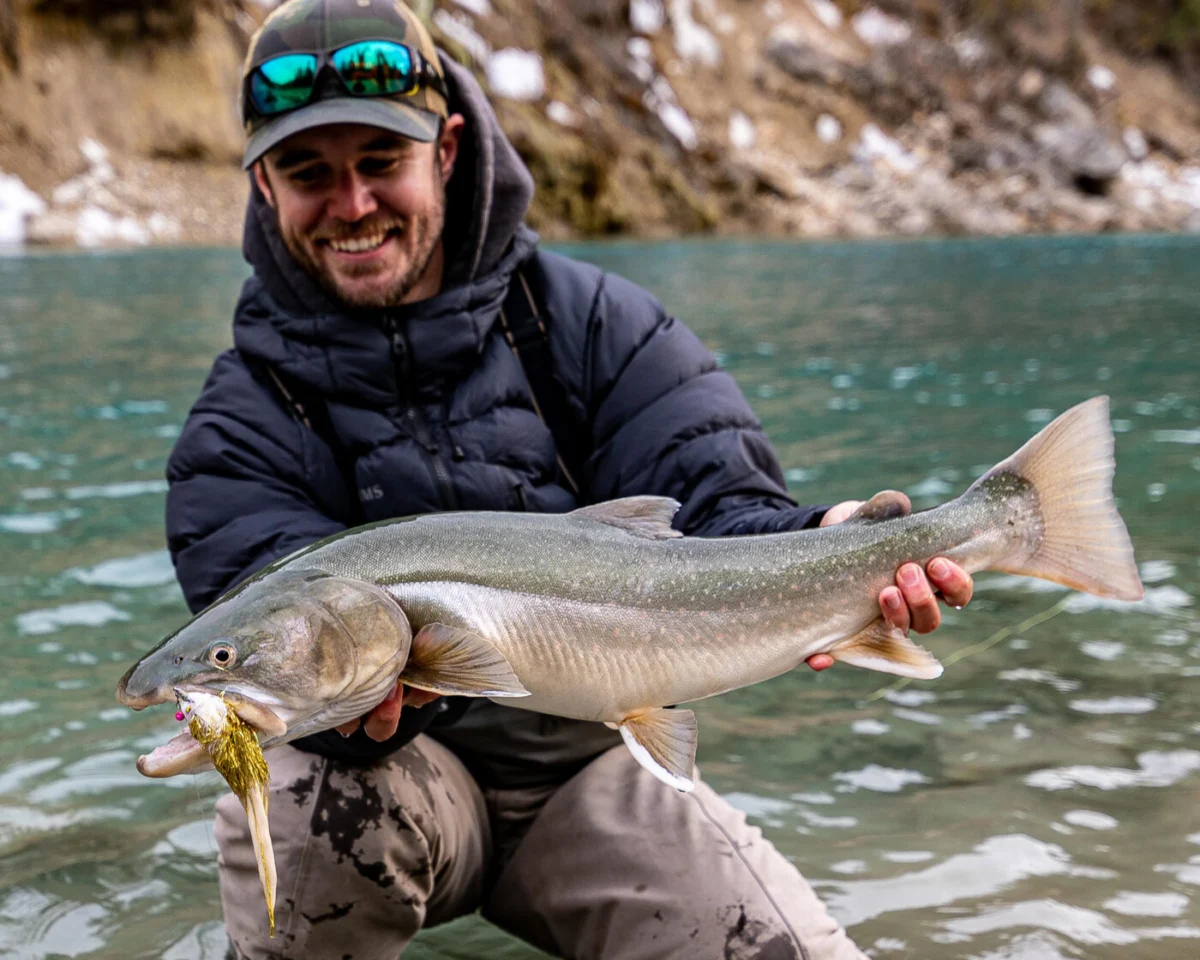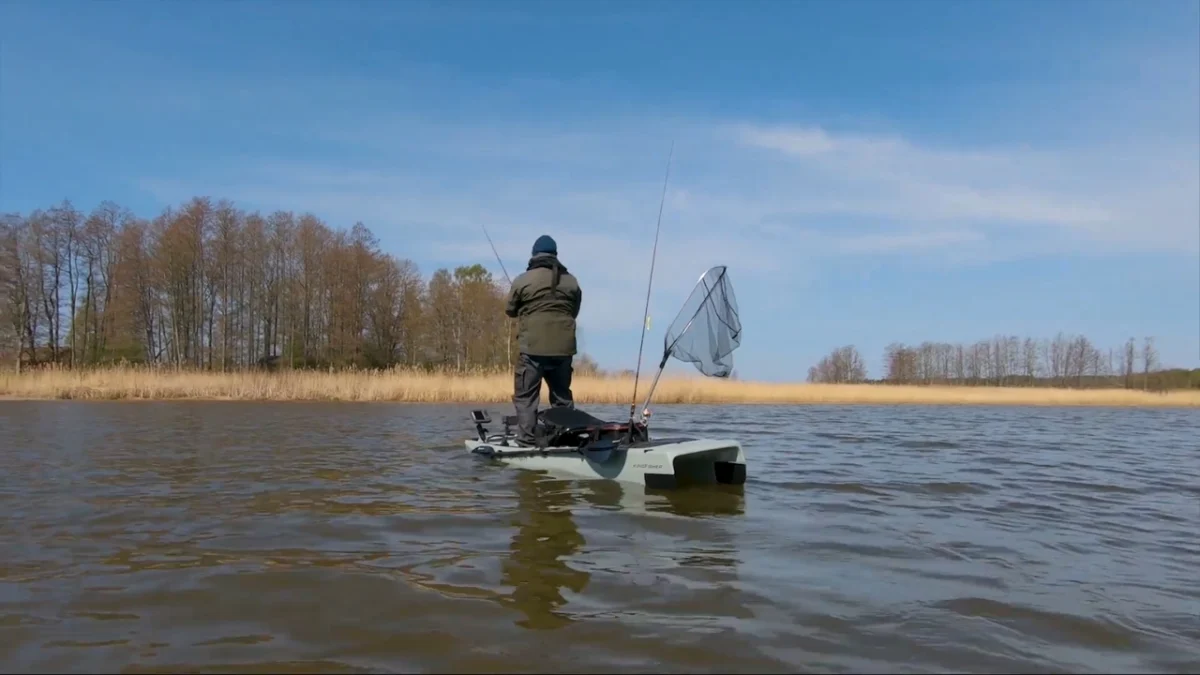
Pulling a heavy, fighting fish from the depths while balanced on a kayak is one of the most exhilarating experiences in angling. Yet, as any seasoned veteran of the sport will attest, not every victory at the end of the line culminates in a gourmet dinner. There is a profound difference between a trophy catch and a culinary disappointment—or worse, a health hazard.
Years spent on the water teach a harsh lesson: some fish are simply better off left in the drink. Whether they suffer from a muddy palate, a bony anatomy that defies efficient filleting, or the accumulation of environmental toxins that pose significant health risks, understanding which species to keep and which to release is a critical skill. For the kayak angler, whose workspace is limited and whose resources are finite, this knowledge is not just about taste—it is about safety and stewardship.
The Triad of Avoidance: Why Some Fish Get a Bad Reputation
Generally, the species that anglers frequently complain about fall into three distinct categories. First are the "mudsuckers," primarily freshwater bottom-feeders that inhabit murky, silt-heavy environments. Second are the oily saltwater predators, which can carry high levels of heavy metals or develop an unpalatable, metallic flavor profile. Finally, there are the "trash fish"—species that require excessive processing effort, making them a poor return on investment for the time spent on the water.
From the ubiquitous common carp to high-mercury pelagic hunters like king mackerel, the stigma surrounding these fish is rarely baseless. It is usually rooted in biology, diet, and the physiological realities of the fish’s environment.
Chronology of the Catch: From Hook to Table
The lifecycle of a potential meal begins the moment the hook is set, but for "difficult" fish, the process of bringing the catch to the table requires a specific sequence of handling that many anglers overlook.
1. The Immediate Handling Phase
The quality of a fish’s meat often depends on the minutes immediately following the catch. Species like the Bowfin are notorious for possessing enzymes that degrade muscle fibers almost instantly upon death. If these fish are not iced immediately, the texture turns into a "cotton-like" mush. In a kayak, this is a significant challenge; one cannot simply rely on a stringer. A dedicated, insulated cooler is a non-negotiable piece of equipment for any serious kayak angler looking to harvest these species.
2. The Processing Challenge
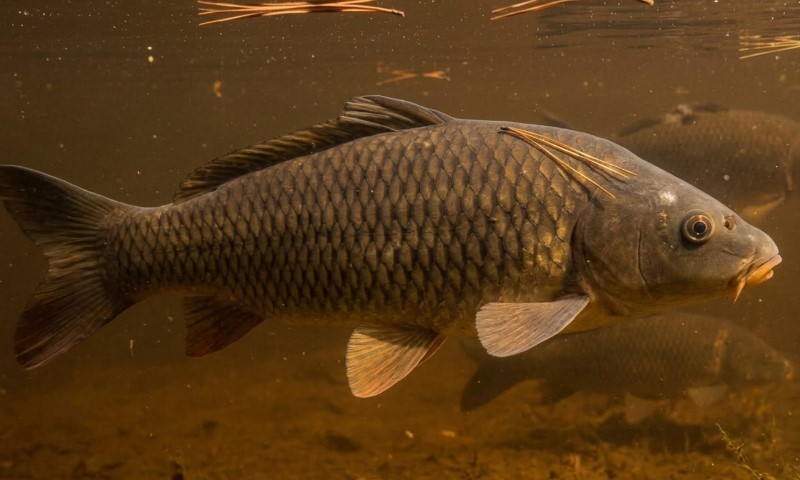
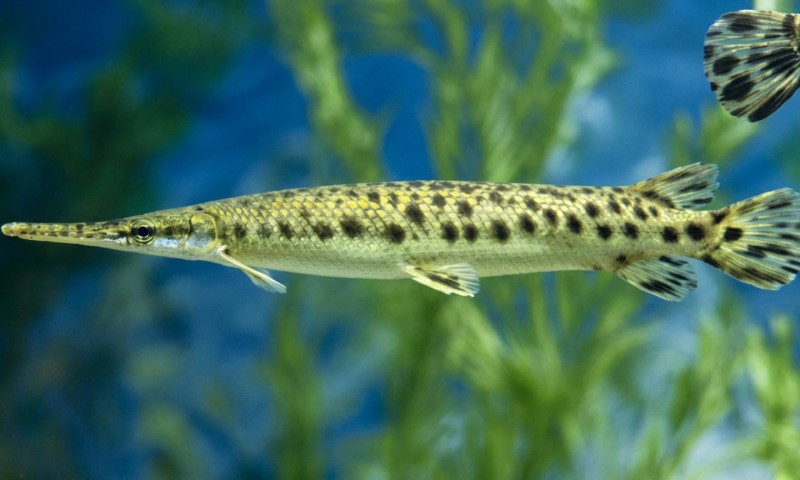
Once the fish is secured, the physical labor begins. For fish like the Common Carp or the Bigmouth Buffalo, the "Y-bone" structure and thick, armor-like scales make traditional filleting a Herculean task. Without the proper tools—such as heavy-duty knives, tin snips for gar, or specialized scaling equipment—the process often results in more waste than meat.
3. The Culinary Preparation
The final stage is the kitchen. Many "difficult" fish require advanced preparation techniques to be palatable. Smoking is the gold standard for many, as the high heat helps render out the oils in oily fish like Bluefish or helps soften the connective tissues in coarser species.
Quick Ranking: The Most Controversial Catches
| Rank | Fish | Main Taste Issue | Safety Worry | Our Take |
|---|---|---|---|---|
| 1 | Common Carp | Muddy, bony | Local contaminants | Keep from clean water only |
| 2 | Bowfin | Mushy texture | Handling is key | Eat fresh or release |
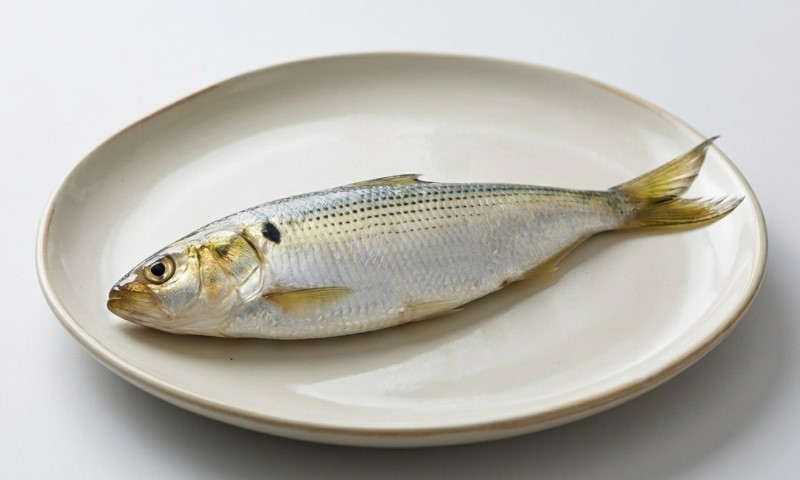
| 3 | Gizzard Shad | Oily, bony | Rare table fish | Use as bait |
| 4 | Large Bluefish | Strong/fishy | Mercury/PCBs | Bleed, ice, trim dark meat |
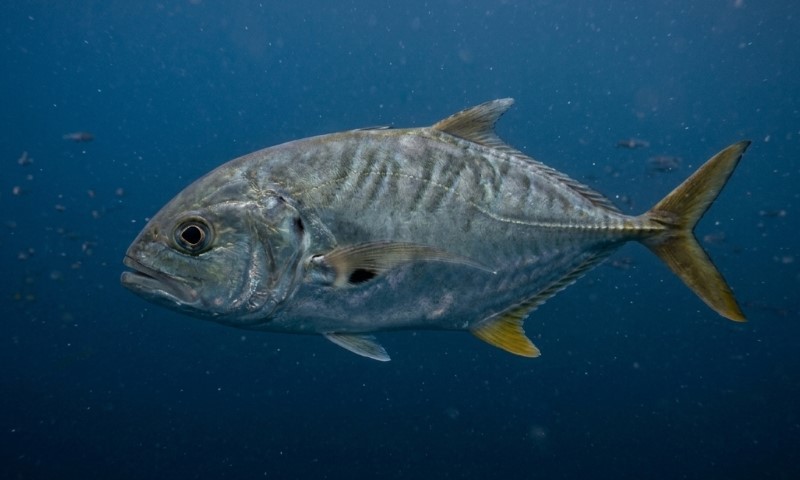
| 5 | Jack Crevalle | Metallic/bloody | Needs handling | Keep only smaller fish |
| 6 | Bigmouth Buffalo | Coarse/muddy | Advisory waters | Smoke or grind |
| 7 | Freshwater Drum | Divisive taste | Mercury advisories | Check local rules |
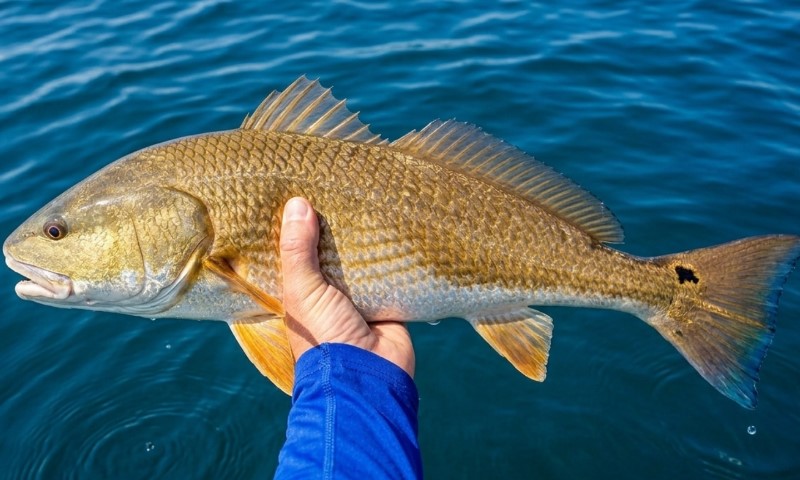
| 8 | Large Black Drum | Wormy, coarse | Parasites | Keep "puppy drum" only |
| 9 | Gar Roe | Flesh can be good | Toxic Roe | Never eat gar eggs |
| 10 | Barracuda | Flavor varies | Ciguatera | Avoid in reef zones |
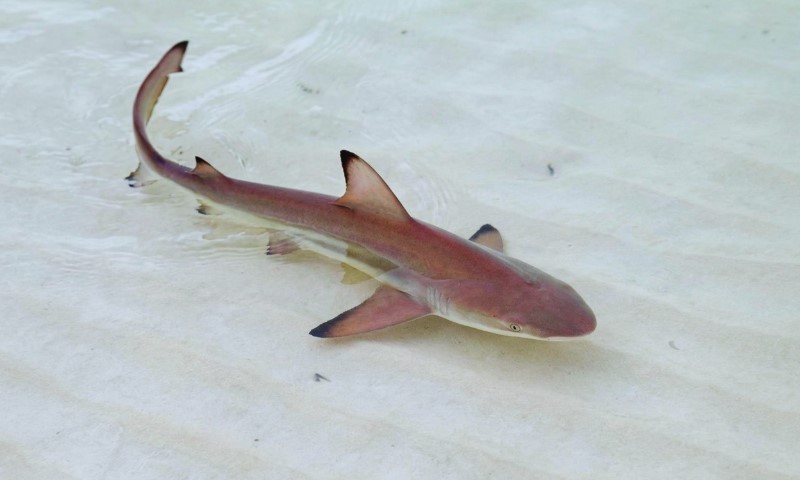
| 11 | Shark | Ammonia-like | Mercury/spoilage | Usually skip |
| 12 | King Mackerel | Strong flavor | High mercury | Avoid large ones |
Official Perspectives: The Role of the FDA and EPA
Flavor is, of course, subjective. However, safety is not. While anglers often judge a fish by the texture of its fillet or the scent of its flesh, federal agencies such as the Food and Drug Administration (FDA) and the Environmental Protection Agency (EPA) analyze fish through the lens of toxicology.
The EPA and FDA maintain a "Choice to Avoid" list, which includes major predators such as King Mackerel, Marlin, Shark, and Swordfish. Because these fish occupy the top of the aquatic food chain, they undergo a process called biomagnification. As they consume smaller fish, they accumulate higher concentrations of methylmercury and other chemical runoff.
Furthermore, the "muddy" flavor that plagues species like Carp and Drum is often caused by geosmin. Research from institutions like DTU Food confirms that while geosmin is not harmful to human health, it is a compound produced by algae and bacteria that can permeate the flesh of bottom-feeders, rendering the meat unappealing. Anglers are encouraged to cross-reference their local water bodies with EPA advisories, as a species perfectly safe in one lake may be under a strict consumption ban in an adjacent county.
Implications for the Modern Kayak Angler
The shift toward kayak fishing has brought with it a unique set of ethical and practical responsibilities. Because a kayak offers limited space, the decision to keep a fish must be made with the understanding that you are committing to the weight of ice and the time required to process the catch properly.
The Ethical Imperative
Ethical angling is not merely about adhering to creel limits or legal size requirements. It is about respecting the resource. When an angler harvests a fish that they are unprepared to handle—or one that they later realize they do not enjoy eating—they have wasted a life. This "waste" is a failure of stewardship. In the context of the "Rough Fish Revolution," where species like the Bigmouth Buffalo are gaining popularity as sustainable food sources, the focus must remain on proper utilization.
The Safety of the Cockpit
Beyond the kitchen, there is the immediate safety of the angler. Bringing a large, toothy predator like a Barracuda or a thrashing, muscular Bowfin into the confined space of a kayak cockpit is a recipe for disaster. Injuries from bites, fin stabs, or gear damage are common among those who ignore the inherent risks of harvesting large or defensive species.
Environmental Stewardship
Ultimately, our connection to the water is what defines the kayak angling community. We are guests in the ecosystem. By choosing to practice catch-and-release on species that are either environmentally sensitive, high in toxins, or simply poor table fare, we ensure the longevity of the fishery.
Conclusion: The Path Forward
The "worst-tasting" fish label is often a combination of bad reputation, poor handling, and improper preparation. While some species, like the toxic-roed Gar or the high-mercury King Mackerel, should be approached with extreme caution or avoided entirely, others like the Black Drum or the Buffalo can be culinary gems if treated with the respect they deserve.
For the aspiring kayak angler, the advice is simple: prioritize the quality of the experience over the quantity of the harvest. If you cannot ensure the fish is handled, iced, and cleaned to the highest standard, the most professional choice is to release it back into the water. By doing so, you protect yourself, your gear, and the future of the sport.
As we continue to navigate the world’s waterways, let our decisions be guided by knowledge rather than impulse. Whether you are chasing the elusive record or simply looking for a fresh meal, respect the fish, respect the water, and above all, stay safe. Tight lines and happy paddling.