As outdoor recreation continues to see an unprecedented surge in popularity, more Americans are finding their solace on the water. With nearly 60% of the U.S. population participating in outdoor activities as of 2024, the paddlesports sector has cemented itself as a cornerstone of modern leisure. According to the Outdoor Industry Association, approximately 30 million people have now taken up paddling, turning local lakes, rivers, and coastal inlets into vibrant hubs of activity.
For the aspiring adventurer, the initial hurdle is often the most fundamental: choosing between a canoe and a kayak. While both vessels serve the purpose of water transit, they offer vastly different experiences, physical demands, and utility. Understanding the nuance between these two icons of watercraft is essential to ensuring your investment—and your time on the water—is both safe and rewarding.
Main Facts: Defining the Two Disciplines
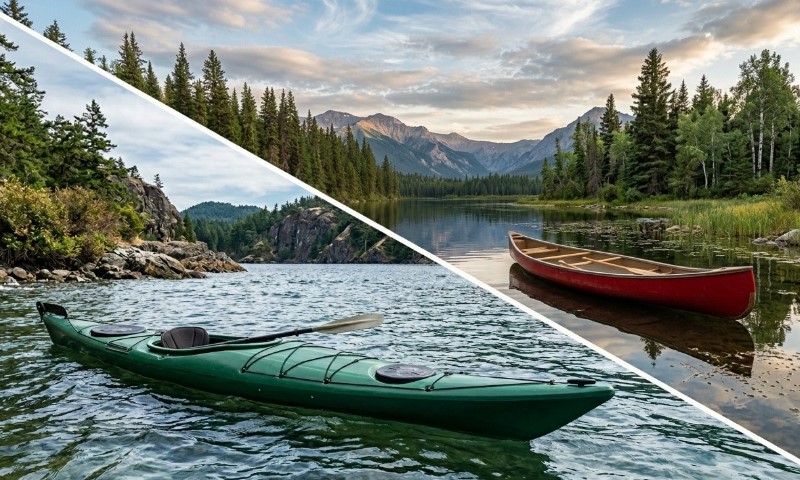
At its core, the distinction between a canoe and a kayak comes down to three primary factors: the paddle, the seating position, and the hull design.
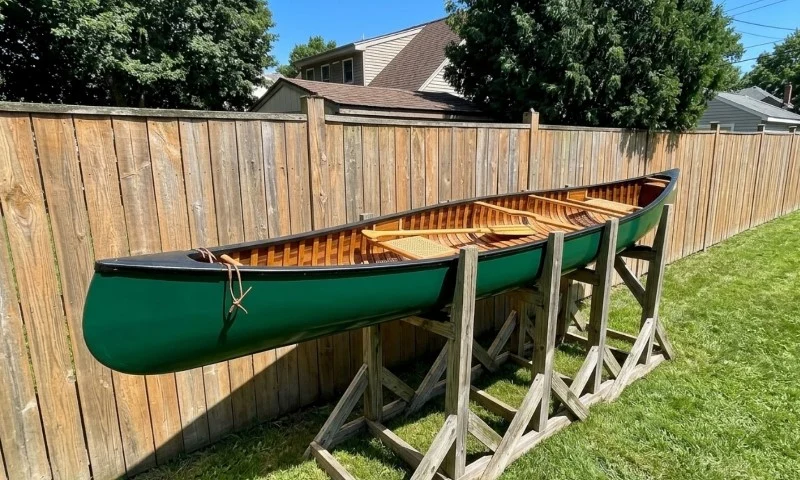
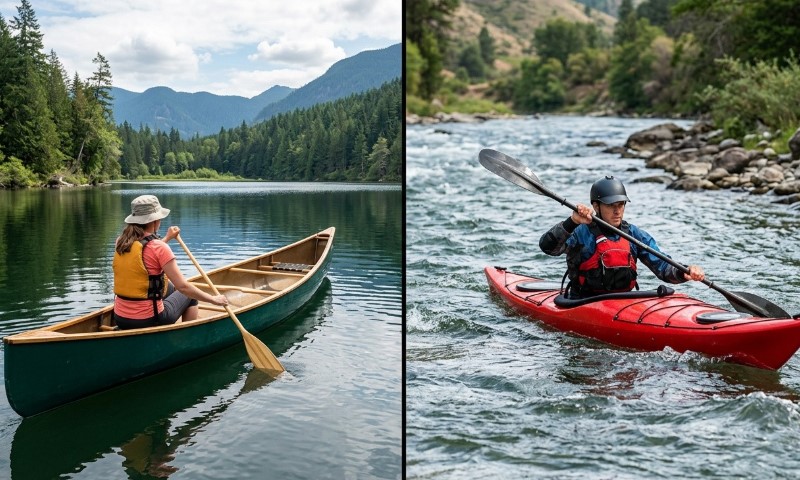
The Canoe is best envisioned as a floating SUV. Characterized by an open deck, it allows for a high seating position—often on a bench or by kneeling—and utilizes a single-bladed paddle. This design provides maximum visibility, making it the preferred choice for those who value sight-seeing, fishing, and hauling substantial gear.
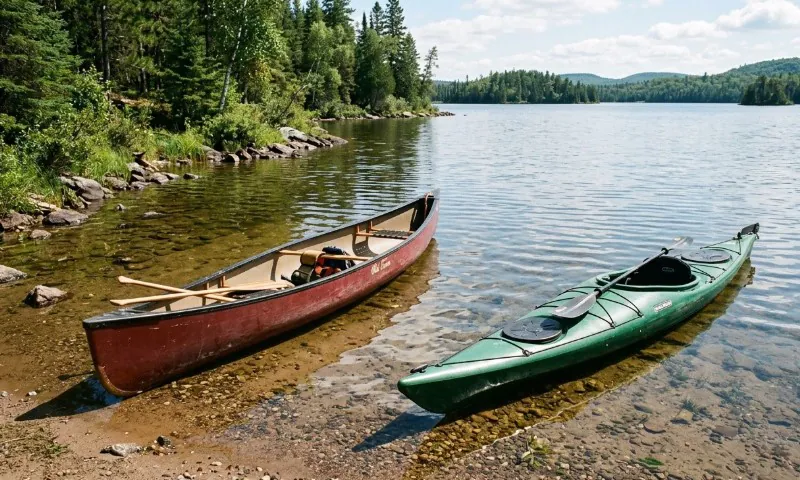
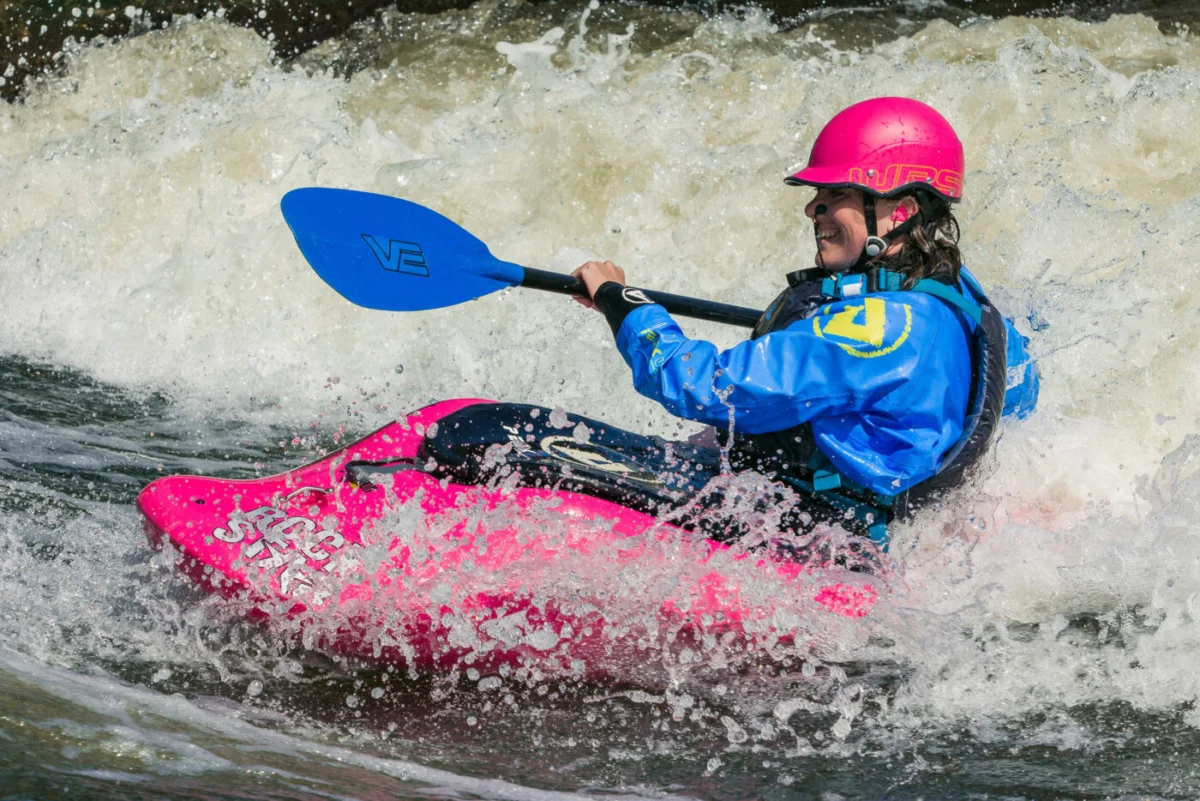
The Kayak, by contrast, is the sports car of the water. Designed for the paddler to sit low, close to the hull, it utilizes a double-bladed paddle. This configuration offers a lower center of gravity, which provides increased stability in choppy conditions and greater efficiency for covering long distances. Whether you are navigating a windy bay or seeking a high-intensity workout, the kayak’s sleek, hydrodynamic profile is built for performance.
A Comparative Overview
| Factor | Canoe | Kayak |
|---|---|---|
| Paddle | Single-bladed | Double-bladed |
| Seating | Bench or kneeling (higher) | Cockpit or sit-on-top (lower) |
| Wind Resistance | Higher (high sides act as a sail) | Lower (sleek, low profile) |
| Cargo Capacity | High (ideal for camping/fishing) | Moderate (varies by model) |
| Best Use | Family trips, fishing, calm water | Touring, fitness, coastal/whitewater |
Chronology of Evolution: From Tradition to Modern Sport
The evolution of these crafts spans millennia, though their modern iterations have shifted significantly. The canoe has deep historical roots in indigenous cultures, designed as a versatile, heavy-duty vessel for transporting families and cargo across lakes and river systems. Its "open-top" design remains largely unchanged because, for its intended purpose, convenience and space were paramount.
The kayak, originating from Arctic regions, was traditionally a closed-deck vessel designed for hunting in harsh, cold environments. The "skirt" or sealed cockpit was a vital safety feature to keep the paddler dry and warm.
In the 21st century, however, these lines have blurred. We now see "sit-on-top" kayaks that mimic the open-deck accessibility of a canoe, and specialized fishing canoes that incorporate high-tech seating. Despite these technological leaps, the fundamental physics—the single-blade versus double-blade paddle—remains the gold standard for distinguishing the two.
Supporting Data: Why the Choice Matters
The decision between a canoe and a kayak is rarely about "better" or "worse"; it is about "application." Data-driven insights from organizations like the International Canoe Federation and the American Canoe Association (ACA) suggest that the trip style dictates the vessel.
For solo paddlers, the kayak is statistically easier to master in the short term. The double-bladed paddle provides immediate symmetry, making it simpler to maintain a straight line in the water. Conversely, a canoe—while more social and spacious—requires a higher degree of technical skill to steer effectively when paddling alone.
Furthermore, the environment is a critical variable. On a windy, open reservoir, a canoe’s high sidewalls act as a sail, making it difficult for an inexperienced paddler to maintain a heading. A low-profile kayak cuts through wind resistance, offering better tracking in adverse weather.
Official Guidelines and Safety Implications
As participation in paddlesports rises, so does the responsibility for safety. The U.S. Coast Guard’s latest recreational boating statistics highlight a sobering reality: a significant percentage of boating fatalities involve individuals not wearing life jackets.
The Life Jacket Mandate
A life jacket stored under a seat is effectively useless in an emergency. The National Park Service (NPS) emphasizes that cold-water shock can incapacitate even the strongest swimmers within minutes. Regulations vary by state, but federal guidelines generally mandate that children under 13 must wear a U.S. Coast Guard-approved life jacket at all times while the vessel is in motion.
Best Practices for 2026
- Dress for the Water, Not the Air: Even on a warm spring day, water temperatures can be dangerously low. Hypothermia is a silent risk.
- The "Float Plan": Always inform someone of your destination and expected return time.
- Navigation Lights: If paddling near or after dusk, you are legally required to have a white light available to signal your presence to other vessels.
- Understand Stability: Beginners should understand "initial stability" (how the boat feels at the dock) versus "secondary stability" (how it performs in waves). A boat that feels "tippy" at the dock might actually be safer in waves because it allows the paddler to lean into the swell.
Strategic Considerations: Logistics and Storage
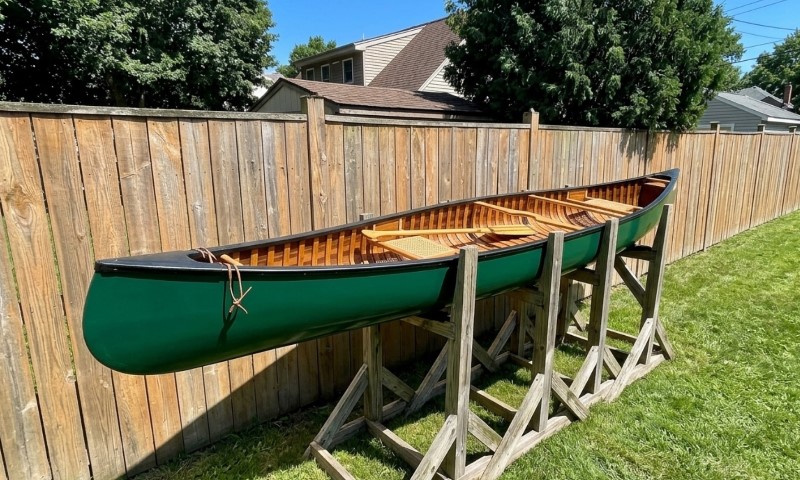
Before purchasing, prospective owners must move beyond the "fun" factor and address the "logistics" factor. A 16-foot canoe is an exceptional vessel for a weekend fishing trip, but if you live in a third-floor apartment with a compact sedan, it becomes a burden.
The 5 Essential Questions for Buyers
- Transport: Do I have a roof rack or a trailer? Can I lift this boat onto my car by myself?
- Storage: Where will this live during the off-season? (Consider inflatable or folding options if space is limited).
- Frequency: Will I use this weekly or once a year? (Renting is superior for occasional users).
- Crew: Am I usually solo, or am I bringing children, pets, or partners?
- Environment: Will I be on calm ponds, moving rivers, or the open ocean?
Implications for the Future: Renting vs. Buying
The most professional advice for any newcomer is to "rent before you commit." Many outdoor outfitters allow you to test different hull shapes. You may find that while you wanted a sleek touring kayak, the ease of entry and the ability to stand up in a hybrid fishing canoe better suits your physical needs and mobility.
Furthermore, consider the "hidden costs." The price of the boat is only the starting point. Quality paddles, PFDs (personal flotation devices), dry bags, and transportation racks can add hundreds, if not thousands, to your budget. Do not let the promise of a "cheap" boat lure you into buying a heavy, low-quality plastic shell that will sit in your garage collecting dust because it is too cumbersome to transport.
The Bottom Line
The "perfect" boat is a myth. The only thing that exists is the boat that gets you on the water.
If your vision involves slow-paced exploration, family bonding, and the luxury of bringing a full-sized cooler and camping gear, the canoe remains the gold standard. It is a social, flexible, and time-tested vessel.
If your vision involves efficient travel, personal fitness, solo exploration, and the ability to tackle wind and waves, the kayak is the superior choice. It offers a level of control and speed that simply cannot be replicated in an open-deck boat.
Ultimately, your choice should be based on the reality of your life—not the fantasy of a single trip. Whether you choose the grace of the single blade or the efficiency of the double, the most important aspect of the sport is the commitment to safety, the respect for the environment, and the joy of being on the water. Happy paddling!