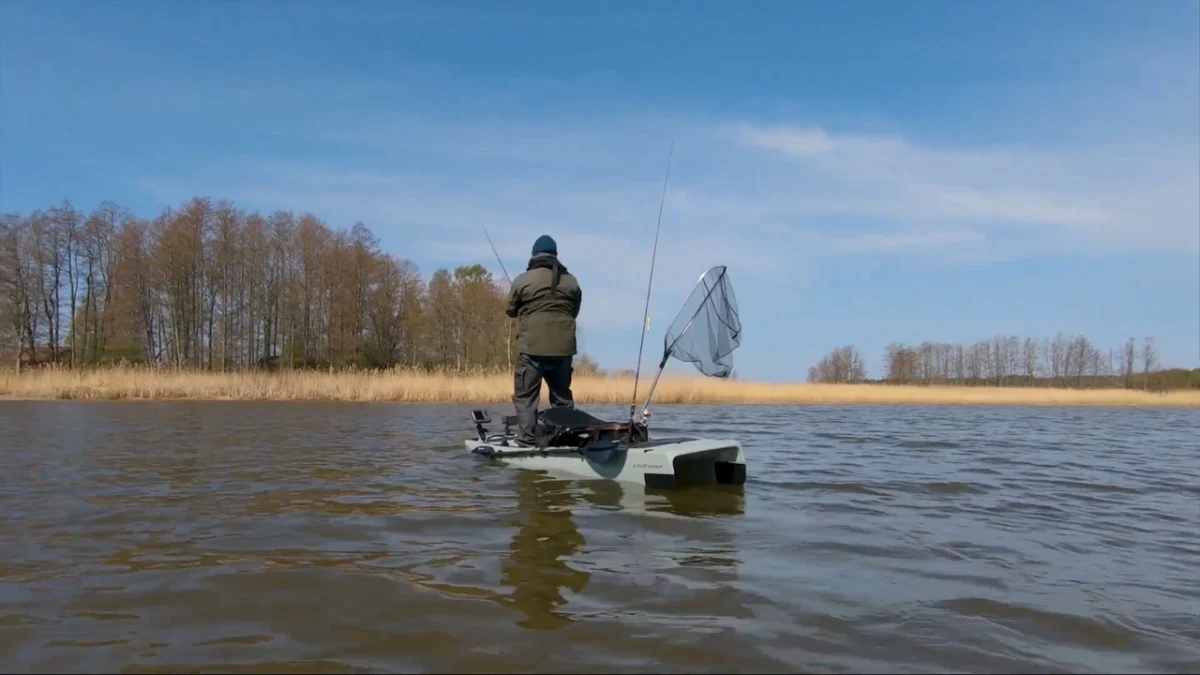
The world of recreational water sports has undergone a quiet revolution. Once dismissed as "pool toys" by traditionalists, modern inflatable kayaks have evolved into sophisticated, high-performance vessels capable of navigating everything from serene mountain lakes to the demanding conditions of the open sea. For the modern adventurer, the appeal is clear: the ability to bypass expensive roof racks, bulky storage requirements, and the logistical nightmare of transporting traditional hardshell craft.

As an avid outdoorsman and long-time kayak enthusiast, I have personally tested the limits of these portable vessels. Whether you are a solo traveler seeking a quick escape or a dedicated angler looking to reach hidden fishing spots, the inflatable kayak offers a compelling blend of utility, durability, and freedom.
The Evolution of Portable Watercraft: Main Facts
The shift toward inflatable technology is driven by advancements in material science. Modern kayaks utilize high-gauge PVC, drop-stitch floors, and abrasion-resistant nylon covers that mimic the rigidity of hardshell boats while maintaining a fraction of the weight.
Key advantages include:
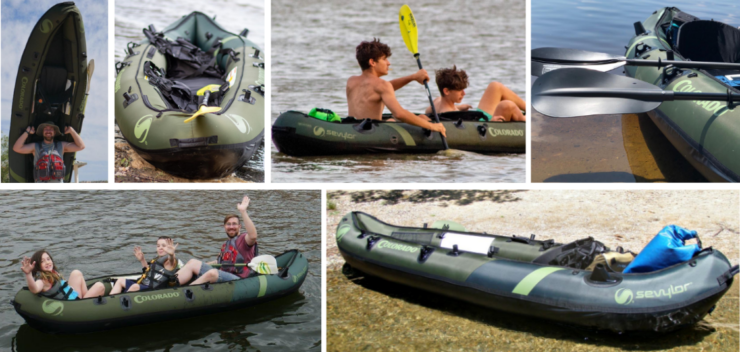
- Portability: These vessels fold down into a backpack-sized footprint, fitting easily into the trunk of a compact car.
- Weight: Ranging from 25 to 45 pounds, most models can be handled by a single person without assistance.
- Storage: Ideal for urban dwellers, they require only a shelf in a closet rather than a dedicated garage or storage unit.
- Safety: Most modern designs feature multi-chamber inflation systems. Even in the unlikely event of a puncture, the redundant chambers ensure the vessel remains buoyant.
A Chronology of Innovation
In the early days of kayaking, "inflatable" was synonymous with temporary. However, the industry trajectory changed significantly in the late 2000s with the introduction of high-pressure floor technology and reinforced outer shells.
Manufacturers like Sevylor, Intex, and Advanced Elements began integrating structural elements—such as aluminum ribs and rigid skegs—that addressed the primary critique of early models: poor tracking. By 2015, the market saw a surge in "fishing-specific" inflatable designs, featuring integrated rod holders, D-ring tie-downs, and mounting points for depth finders. Today, we are in the "Golden Age" of portable kayaking, where performance gaps between hard-shell and inflatable vessels have narrowed to the point of near-irrelevance for the average enthusiast.
Supporting Data: Top 10 Inflatable Kayaks
After extensive field testing, the following models have emerged as the industry leaders for both general touring and fishing:
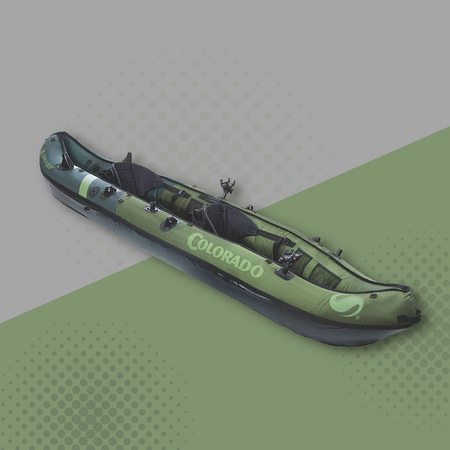
- Sevylor Coleman Colorado: The gold standard for fishing. Its 18-gauge PVC construction and 1000D tarpaulin bottom make it nearly impenetrable. The inclusion of Berkley quick-set rod holders makes it a favorite for those targeting trophy fish.
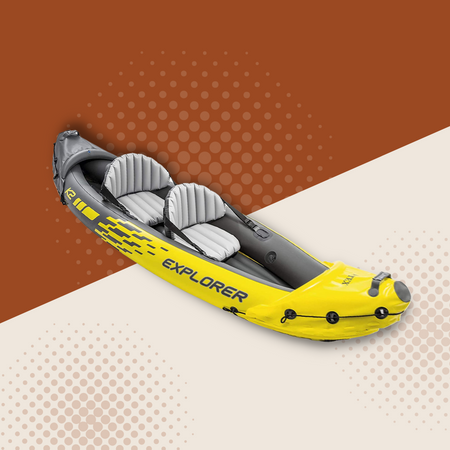
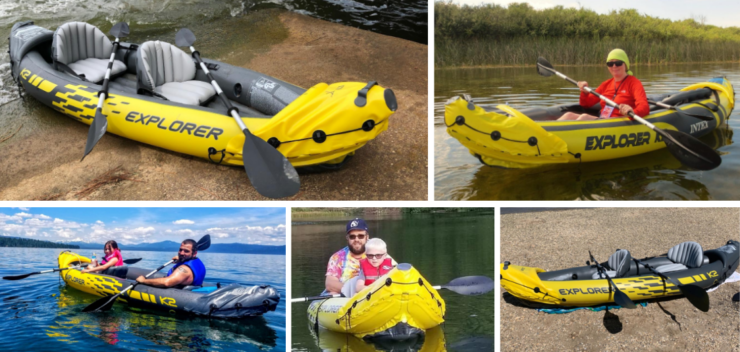
- Intex Explorer K2: A masterclass in comfort. Featuring a 400lb weight capacity and an efficient tracking skeg, this is the premier choice for tandem recreational trips.
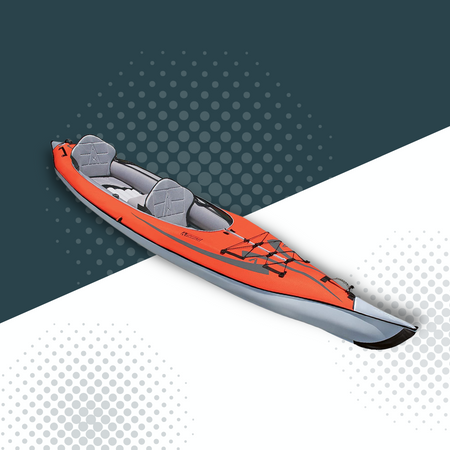
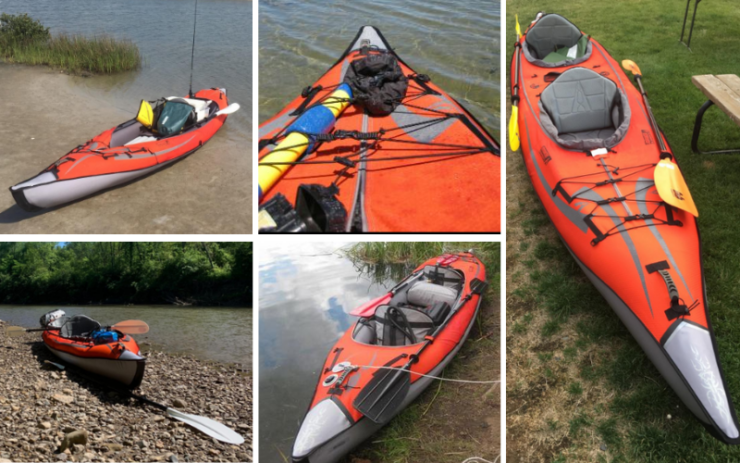
- Advanced Elements AdvancedFrame: Utilizing an ingenious aluminum rib frame, this kayak offers the closest experience to a hardshell boat in terms of speed and tracking.
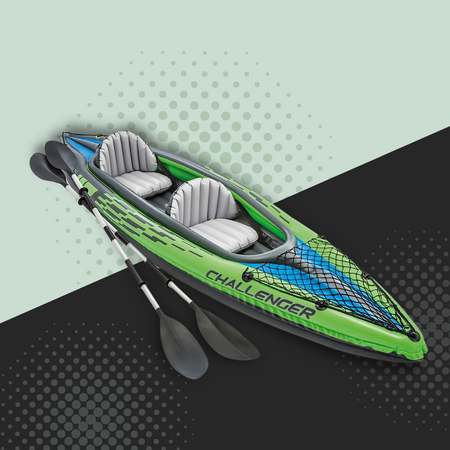
- Intex Challenger K2: A lightweight, highly maneuverable option perfect for beginners who want a reliable entry-level craft.
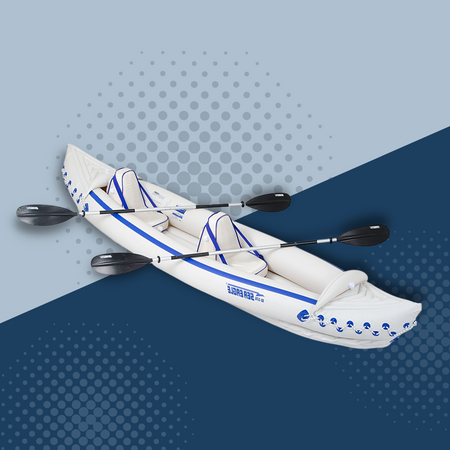
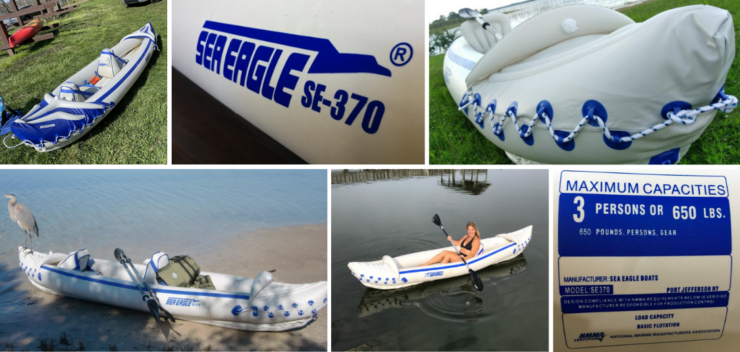
- Sea Eagle 370 Pro: A high-capacity workhorse. It can seat up to three adults or a combination of family and gear, making it the most versatile in the lineup.
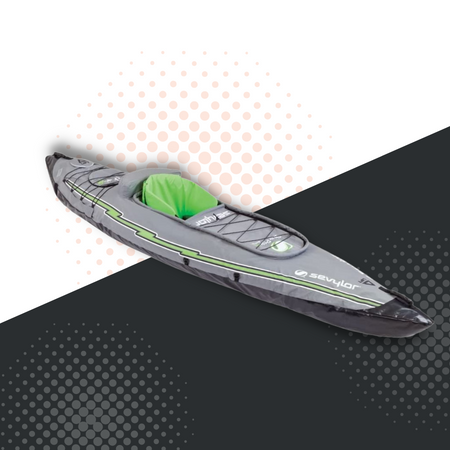
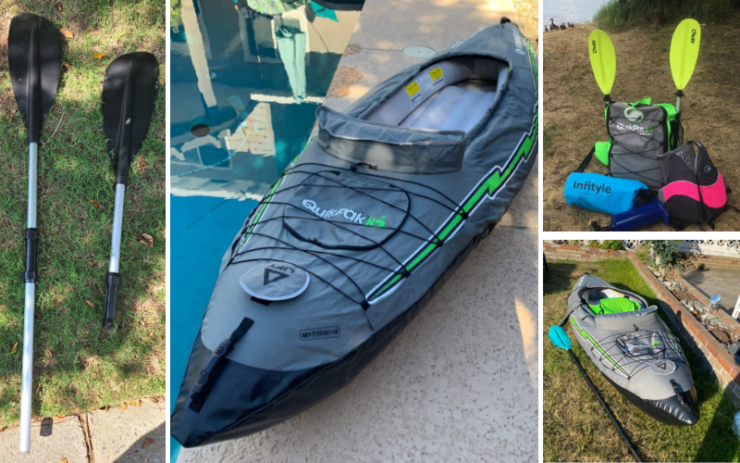
- Sevylor QuikPak K5: Designed for the solo adventurer, this model prioritizes speed of setup and rugged exterior protection.
- Intex Excursion Pro K2: Built with a polyester core and high-pressure valves, this is a semi-rigid beast that handles sunlight and impact with ease.
- Sevylor QuikPak K1: The ultimate "grab-and-go" kayak. Its compact design does not compromise on the back support needed for long days on the water.
- Airhead Montana: With a focus on UV resistance and stability, this is a top-tier choice for moderate whitewater.
- Driftsun Voyager: A 10-foot tandem kayak that weighs only 27 lbs, proving that durability does not require excessive weight.
Technical Considerations: Choosing Your Craft
Selecting the right kayak requires an analysis of your intended environment. If you are a fisherman, prioritize material density—look for 24-gauge PVC or higher. If you are a distance paddler, look for length and a high-pressure drop-stitch floor, which provides the rigidity necessary for efficient strokes.
Material Science
- PVC: The industry standard. It is affordable and flexible but requires care to avoid sharp rocks.
- Pennel Orca: Often found on premium, higher-priced models, it is exceptionally resistant to UV rays and chemical abrasion.
- Nitro Lyon: A newer synthetic blend that offers a lighter weight profile without sacrificing structural integrity.
The Stability Equation
While hardshells are often narrower for speed, inflatable kayaks are naturally wider, which grants them superior primary stability. This makes them ideal for standing up or shifting weight while casting a line. However, always aim to keep your total load at approximately 65% of the manufacturer’s stated maximum capacity to ensure the boat rides high and maintains proper handling.
Implications for the Future of Paddling
The widespread adoption of high-quality inflatables has significant implications for the sport. We are seeing a democratization of the water. Individuals who previously could not afford the overhead of a hardshell boat—transportation, storage, and maintenance—are now entering the sport in record numbers.
Furthermore, the environmental footprint of these boats is lower in terms of manufacturing impact compared to the fiberglass or carbon fiber required for traditional kayaks. As technology advances, we can expect to see integrated solar charging for electronics and even more advanced materials that are 100% recyclable.
Expert FAQ: Addressing Common Concerns
- Are they truly durable? Yes. When used with a repair kit—which should be a permanent fixture in your gear bag—an inflatable kayak can last up to 9 years with proper care.
- What about punctures? Punctures are rare if you avoid dragging the boat over concrete or jagged rocks. Even then, the multi-chamber design serves as a built-in safety net.
- How long is the setup? With a standard manual pump, you are looking at 5–8 minutes. Electric pumps can reduce this, but manual pumps are recommended to prevent over-inflation.
- Tracking issues? Ensure you install the provided skeg. A high-pressure floor also dramatically increases tracking performance by preventing the boat from "oil-canning" or bowing in the middle.
Conclusion
The decision to transition to an inflatable kayak is, for most, a decision to paddle more often. By removing the friction of logistics, you are free to explore more water in less time. Whether you are chasing trout in a hidden lake or simply enjoying a sunset paddle, the modern inflatable kayak is no longer a compromise—it is an upgrade.
Get your gear, find your local launch, and experience the water on your own terms. The journey is waiting.