For generations, the art of angling was defined by simplicity—nets, poles, and the raw patience of the human spirit. Before the advent of modern mechanical reels, the pursuit of fish was a test of manual dexterity and primitive equipment. While those early methods possessed a rustic charm, they were often hindered by inconsistency, limited range, and the frequent frustration of snapped lines during a hard-fought battle.
Today, the landscape of fishing has been fundamentally reshaped by the evolution of the reel. From the mechanical precision of a high-end baitcaster to the user-friendly reliability of a spincaster, the tools available to the modern angler have never been more advanced. Understanding these mechanisms is not merely a matter of gear maintenance; it is the key to unlocking higher success rates, better precision, and a more enjoyable time on the water.
The Chronology of Innovation
The history of the modern fishing reel is a timeline of rapid engineering advancements that turned fishing from a survival necessity into a refined sport.
- 1938: The Spinning Revolution: The trajectory of angling changed forever when Daiwa Seiko Co., Ltd. introduced the first viable spinning reel. By allowing the line to peel off a stationary spool, this design minimized the friction that plagued earlier, more primitive systems, paving the way for long-distance casting.
- 1956: The Rise of the Spincaster: The Shakespeare Fishing Tackle Company revolutionized accessibility in 1956 with the launch of the first spin-casting reel. Featuring a closed-face design and a push-button release, it effectively eliminated the "learning curve" for novice anglers, making the sport approachable for the masses.
- 1958: The Baitcasting Legalization: While the mechanisms had existed in various forms, the baitcasting reel—designed for high-performance and heavy-duty applications—was formally solidified in the competitive sphere by George "Butch" Snyder Jr. His efforts to standardize these tools for professional use helped cement the baitcaster as the gold standard for accuracy and power.
The Big Three: Understanding Your Hardware
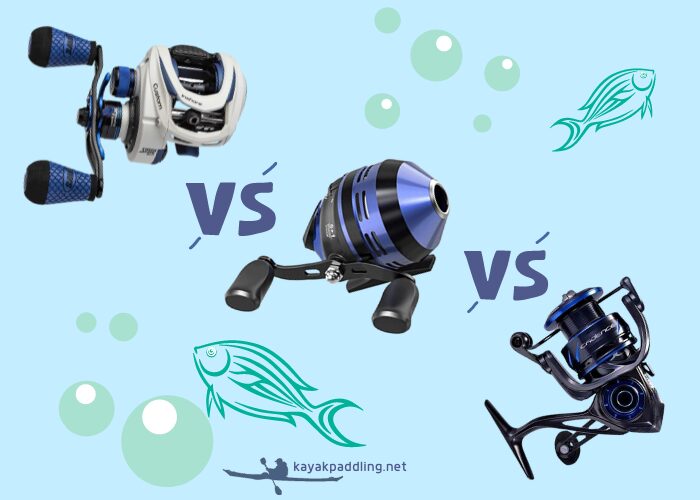
To navigate the current market, an angler must understand the "Big Three" of reel technology. While all three share the fundamental purpose of storing and retrieving line, their mechanical differences dictate their performance in the field.
1. Spincasting: The Gateway for Beginners
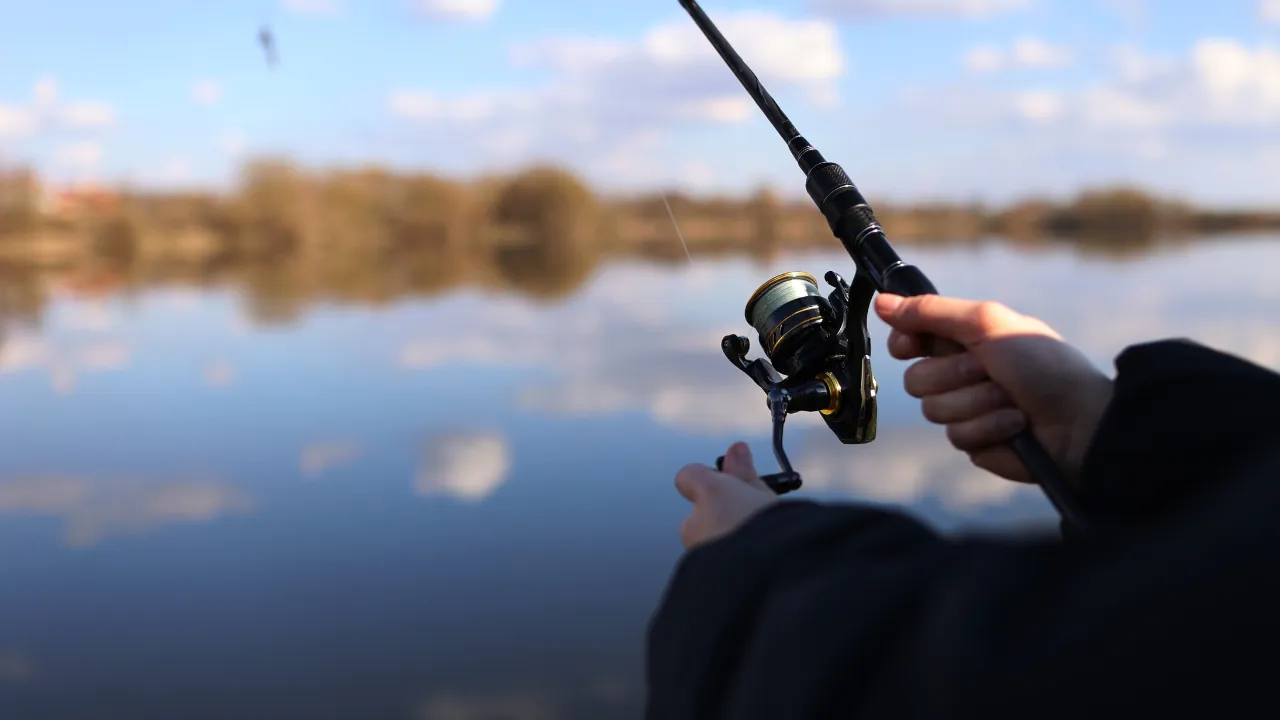
Spincasting reels are the entry point for millions of anglers. Defined by their "nose cone" or closed-face housing, they utilize a simple push-button mechanism. When the button is depressed, the line is released; when the handle is turned, the pick-up pin catches the line to begin retrieval.
The primary advantage of the spincaster is the virtual elimination of line tangles and "bird’s nests." Because the line is housed within a protective shell, it is less susceptible to wind interference or improper spooling. While they are ideal for teaching children or for casual pond fishing, they lack the gear strength and drag precision required for competitive or heavy-game angling.
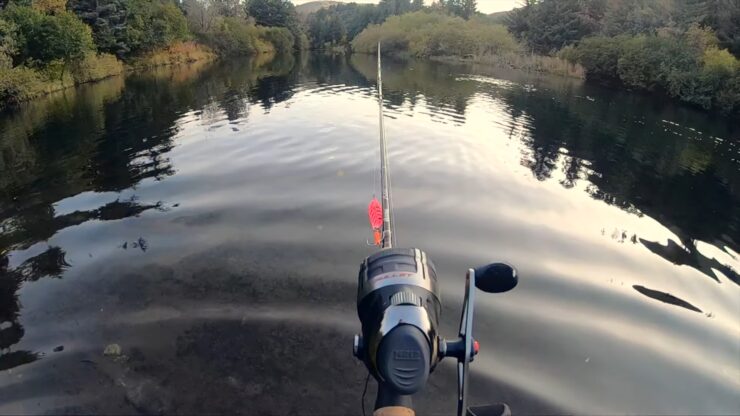
2. Spinning Reels: The Versatile Workhorse
The spinning reel is the most common sight on the water, and for good reason. Mounted on the underside of the rod, these reels allow the line to flow off the spool in coils during a cast. This design is exceptionally efficient for casting light lures and baits.
Spinning reels are celebrated for their versatility. Whether you are using ultra-light monofilament for trout or heavier braids for bass, the spinning reel can handle it. They are less prone to the mechanical "backlash" associated with baitcasters, making them the preferred choice for intermediate anglers who demand both distance and reliability.
3. Baitcasting: The Precision Instrument
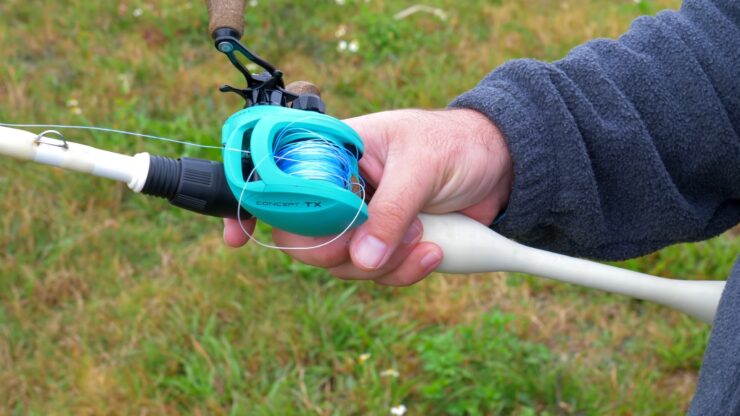
Baitcasting reels represent the pinnacle of angling control. Unlike the other two types, the spool on a baitcaster rotates as the line is cast, requiring the angler to use their thumb to apply tension to the line. This is an art form—a "finesse" that allows for pinpoint accuracy in tight cover, such as behind submerged logs or under overhanging branches.
These reels are built for power. With a direct-drive system and a sturdy frame, they provide the leverage necessary to pull stubborn fish out of dense vegetation. However, they are not "plug-and-play." Mastering a baitcaster requires training your muscle memory to prevent the spool from over-spinning, which leads to the dreaded backlash.
Supporting Data: Selecting the Right Gear
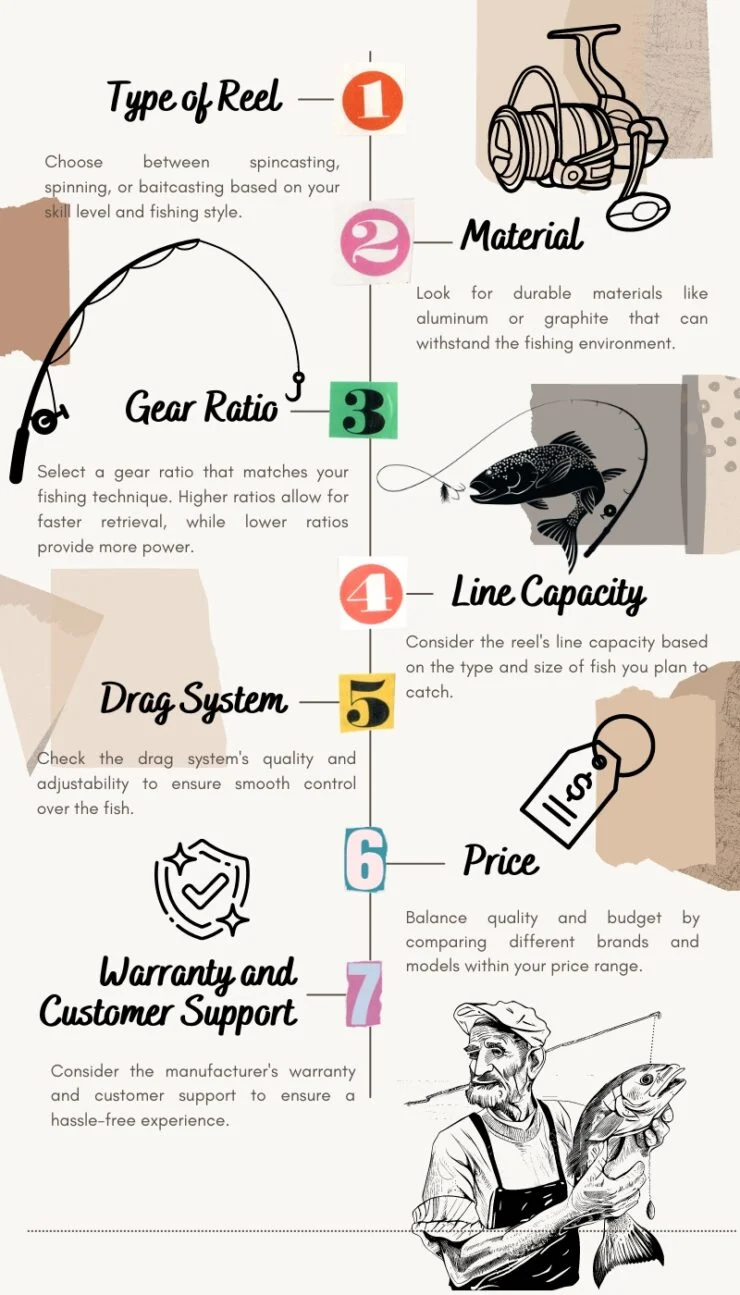
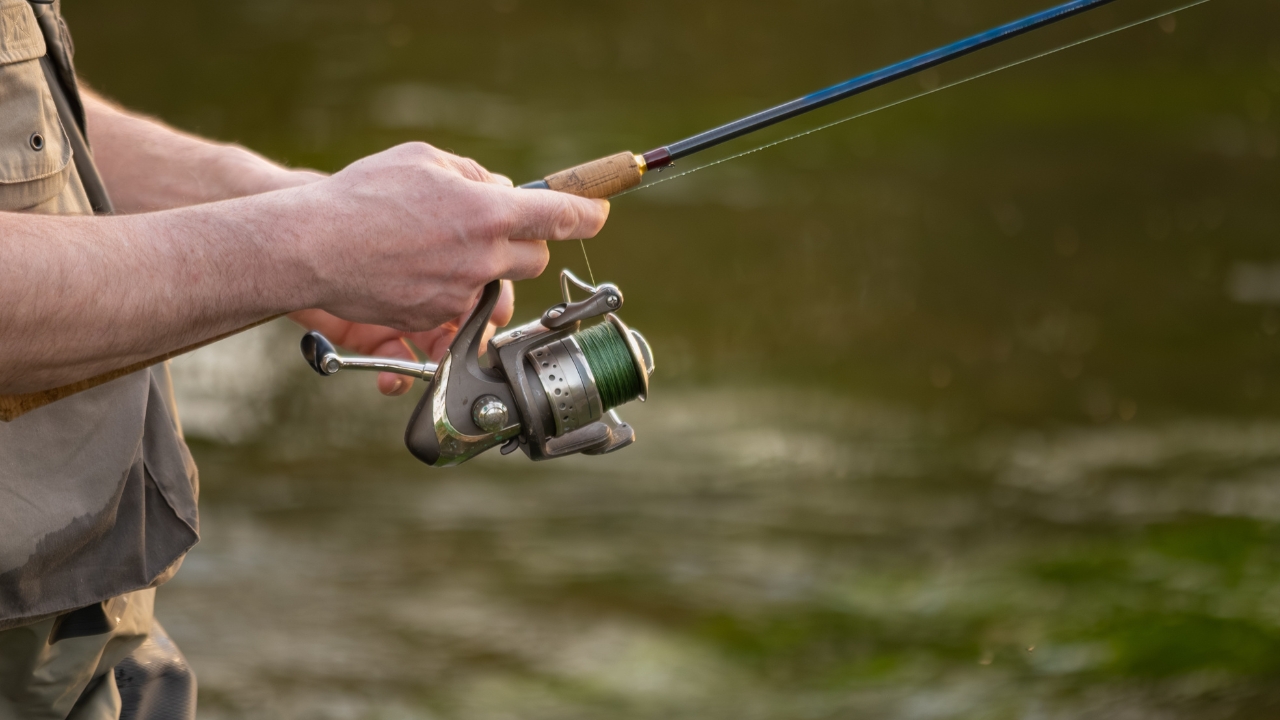
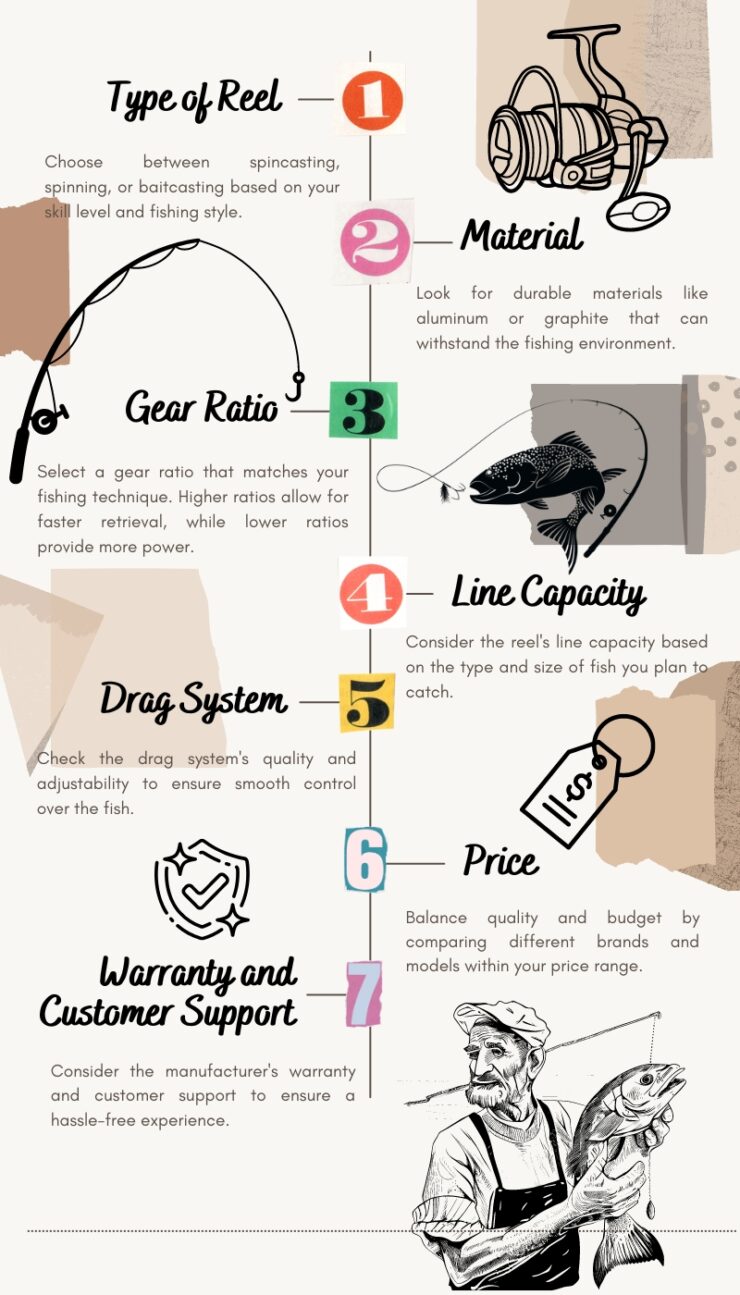
Choosing the right reel is a process of balancing your skill level against the environment you intend to fish.
- Gear Ratios: The gear ratio is the number of times the spool rotates per single turn of the handle. A 7:1 ratio means the spool turns seven times for every rotation of the handle—a high-speed setup perfect for burning lures like buzzbaits across the surface. A lower 5:1 ratio provides more torque, which is essential for grinding deep-diving crankbaits through the water column.
- Line Capacity and Type: Spinning reels are superior for long-range casting with light lines. Baitcasters, conversely, are designed to handle thicker, heavier-test lines (20-50 lb test), which are necessary for big-game scenarios in saltwater or heavy freshwater brush.
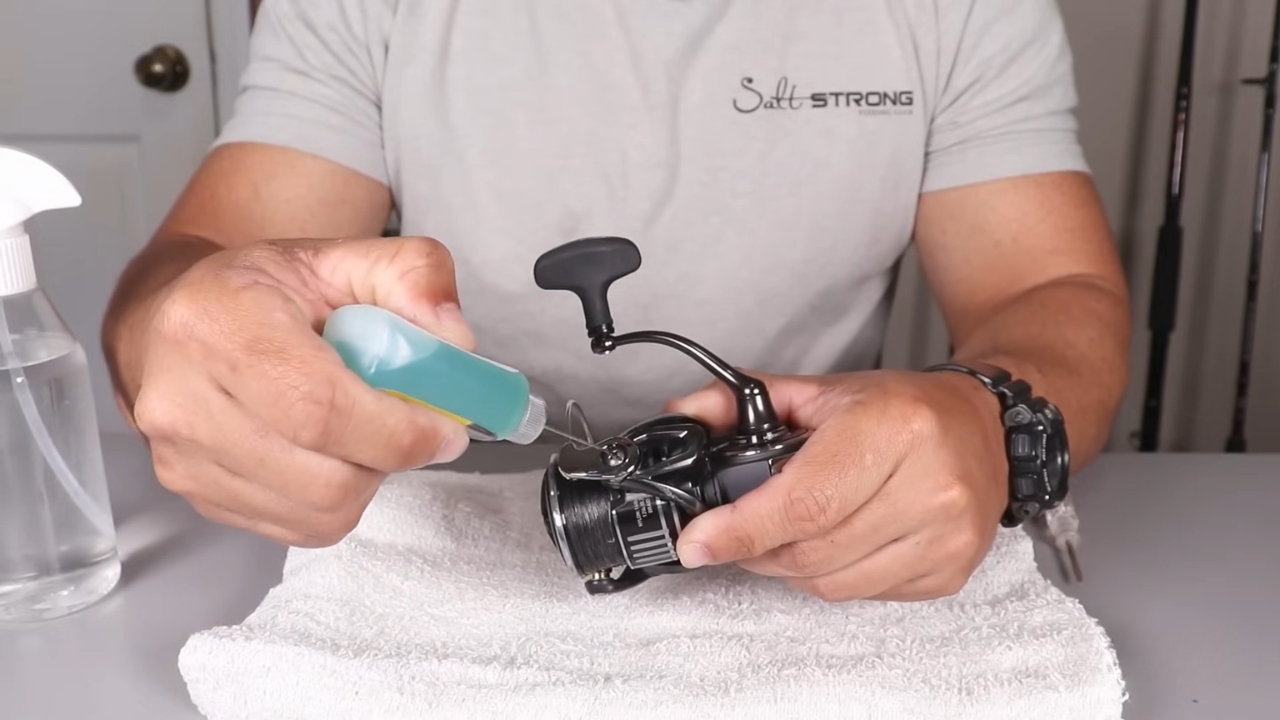
- Maintenance Factors: Reliability hinges on the "four pillars" of maintenance: cleaning, drying, lubricating, and inspecting. Saltwater anglers, in particular, must prioritize washing reels with fresh water after every outing to prevent internal corrosion of bearings and gears.
Expert Perspective: The Strategic Advantage
Adelaide Gentry, a seasoned expert in the field, emphasizes that having a collection of reels is not merely a luxury for the wealthy angler, but a strategic necessity. "A pro doesn’t use a screwdriver to hammer a nail," Gentry notes. "If you are targeting trophy bass, you need the control of a baitcaster. If you are drifting live bait for panfish, the sensitivity of a spinning reel is irreplaceable."
The expert consensus is clear: the "best" reel is the one that minimizes the mechanical struggle, allowing the angler to focus entirely on the presentation of the bait and the behavior of the fish.
Implications for the Future of Angling
As technology progresses, we are seeing a shift toward lighter, stronger materials like carbon fiber and aerospace-grade aluminum. These advancements are allowing manufacturers to create smaller, more ergonomic reels that hold more line and offer smoother drag systems than ever before.
However, the core challenge remains the same: the human element. No matter how advanced the braking system or how smooth the ball bearings, the angler’s ability to "read" the water and adjust their technique remains the deciding factor.
FAQ: Solving Common Field Problems
Q: What is a "bird’s nest" and how can I fix it?
A: A backlash, or "bird’s nest," happens when the spool spins faster than the line exits the rod tip. It is most common with baitcasters. To prevent it, adjust your spool tension knob so the lure falls slowly when you release the thumb bar. If it happens, stay calm; pulling on the tangled loops usually tightens them. Instead, gently pull the line out from the spool while holding the arbor steady.
Q: Why do I need to replace my fishing line?
A: Monofilament line develops "memory," meaning it retains the shape of the spool, which leads to kinking and tangles. Over time, UV exposure and water absorption weaken the line. It is best practice to replace monofilament at least once a season. Braided lines are more resilient but should be checked for fraying where the line meets the guides.
Q: Can I use my freshwater baitcaster in the ocean?
A: While possible, it is not recommended. Saltwater is highly corrosive. If you do use a standard reel in salt, you must disassemble and deep-clean it immediately after the trip. For consistent saltwater fishing, invest in reels specifically labeled as "corrosion-resistant" or "sealed."
Conclusion
The evolution from simple poles to the sophisticated reels of today has democratized the sport of fishing. Whether you are a beginner picking up a spincaster for the first time at a local lake, or a seasoned pro adjusting the drag on a baitcaster before a tournament, the equipment serves as an extension of your own senses.
Success on the water is rarely the result of a single piece of gear; it is the culmination of choosing the right tool for the job, maintaining that tool with care, and—most importantly—spending the time to master the mechanics of the cast. As you continue your angling journey, remember that the most important "feature" on any reel is the experience you gain with every hour spent on the water. Respect the equipment, understand the physics behind your cast, and the fish will surely follow.