By Justin Hayes | May 29, 2026
For the people of eastern Idaho, the Teton River is defined by a dichotomy: the tragedy of the past and the triumph of the present. As we mark the 50th anniversary of one of the most infamous engineering failures in American history, the narrative of the Teton has shifted from one of catastrophic loss to one of remarkable environmental and communal resilience. The Teton River, once nearly silenced by concrete, has been granted a second chance—a rare opportunity that local communities are now fiercely fighting to protect.
The Fateful Morning: A Chronology of Collapse
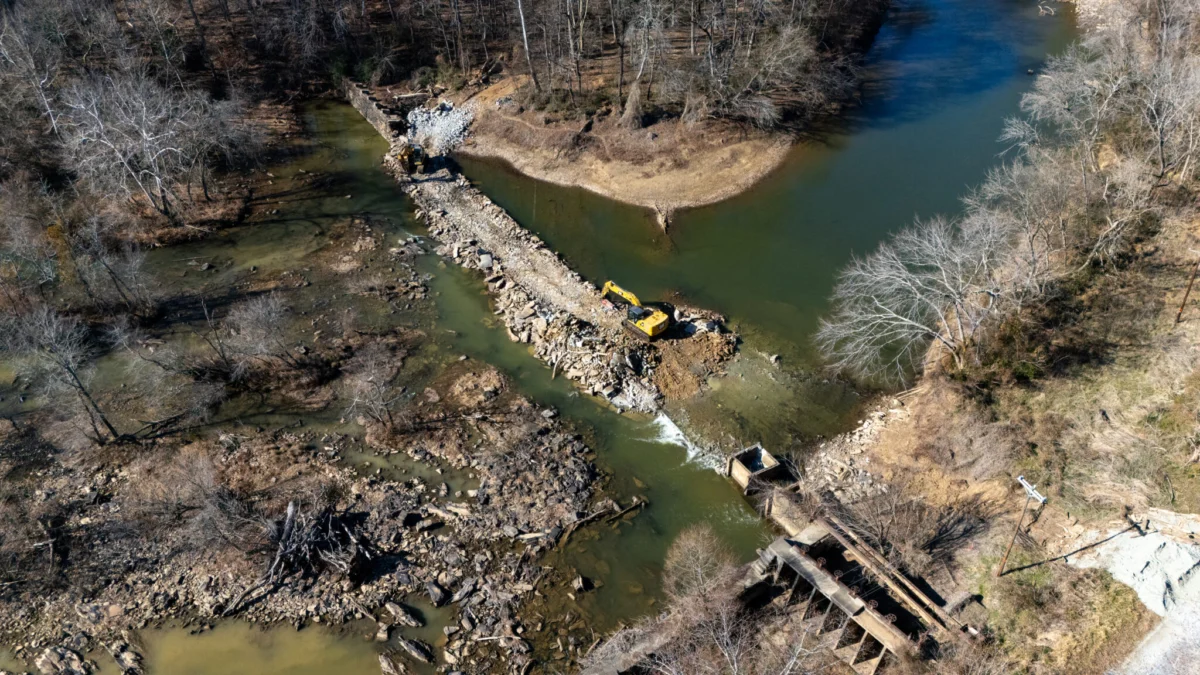
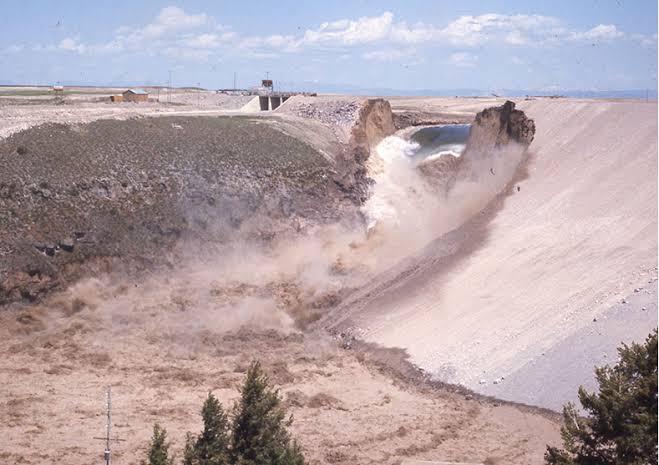
To understand the significance of the Teton River today, one must look back to June 5, 1976. The Teton Dam, a Bureau of Reclamation project, was in its initial filling phase. For months, the earth-fill embankment had been scrutinized by geologists who warned of the permeable nature of the canyon walls.
At approximately 11:30 a.m., the dam suffered a catastrophic breach. A wall of water, silt, and debris roared downstream, claiming 11 lives, destroying thousands of homes, and causing an estimated $2 billion in damages (in 1976 dollars). The failure was absolute, turning the Teton Valley into a scene of devastation.
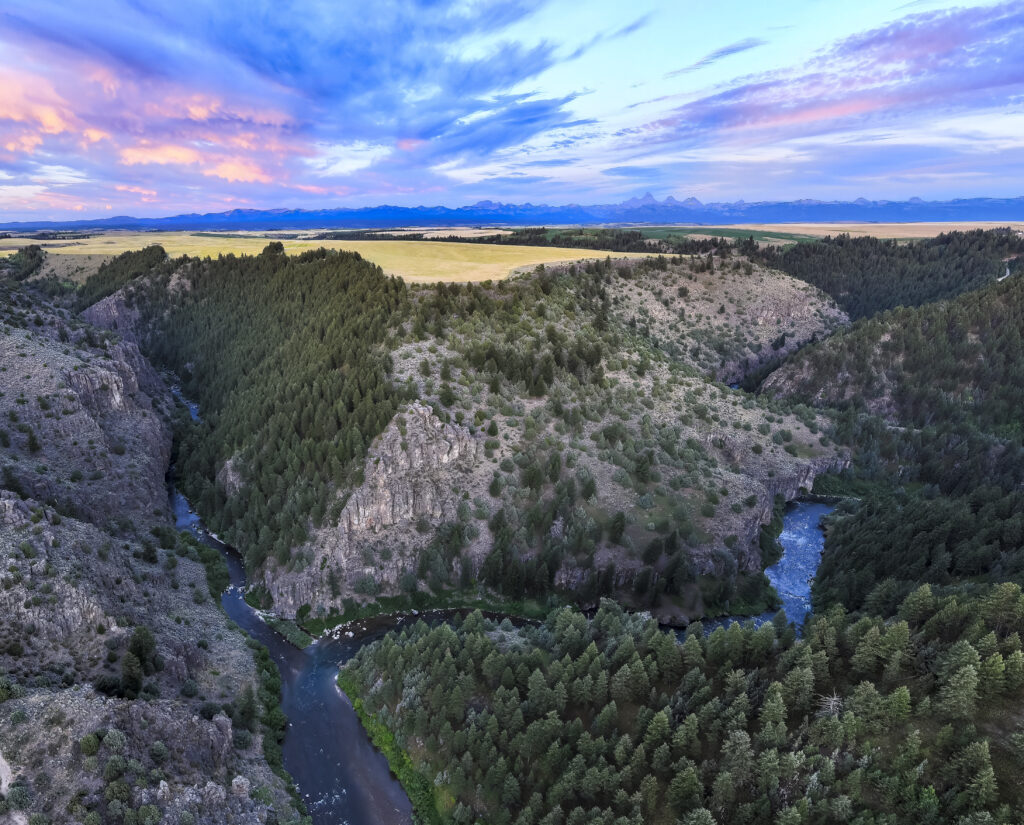
However, the human toll often overshadows the environmental erasure that preceded the flood. Before the breach, the reservoir had already inundated the Teton Canyon, submerging a unique geological and ecological landscape. When the dam failed, it did more than destroy infrastructure; it left behind a scarred, sediment-choked corridor. Yet, in the five decades since, nature has staged a quiet, persistent comeback. The river, no longer constrained by the reservoir, carved its path through the remaining debris, reclaiming its status as one of the Northern Rockies’ most vital, free-flowing waterways.
The Ecology of Recovery
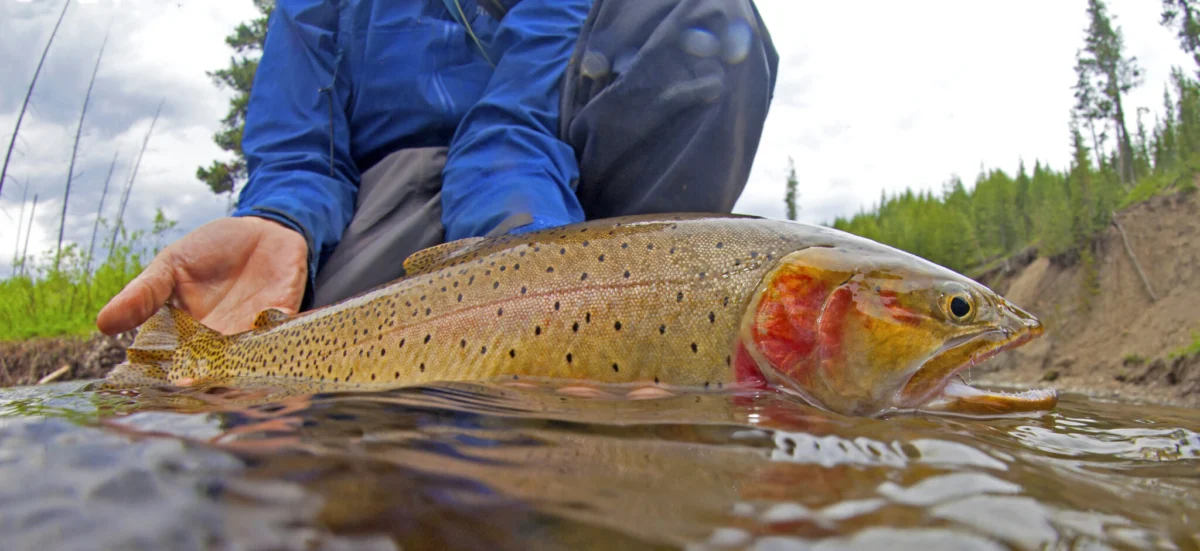
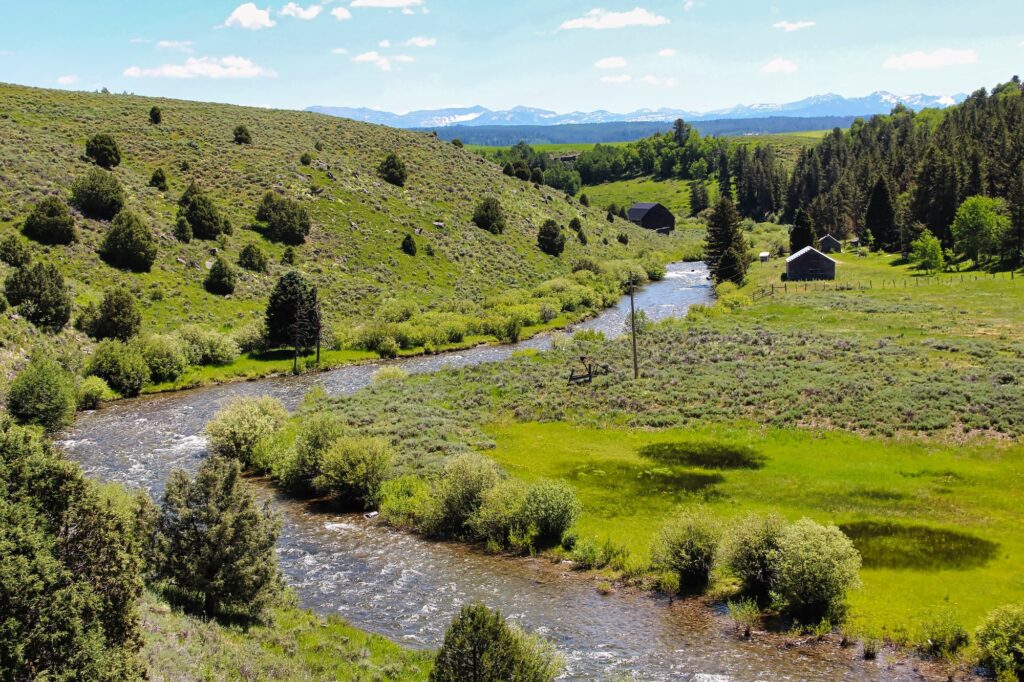
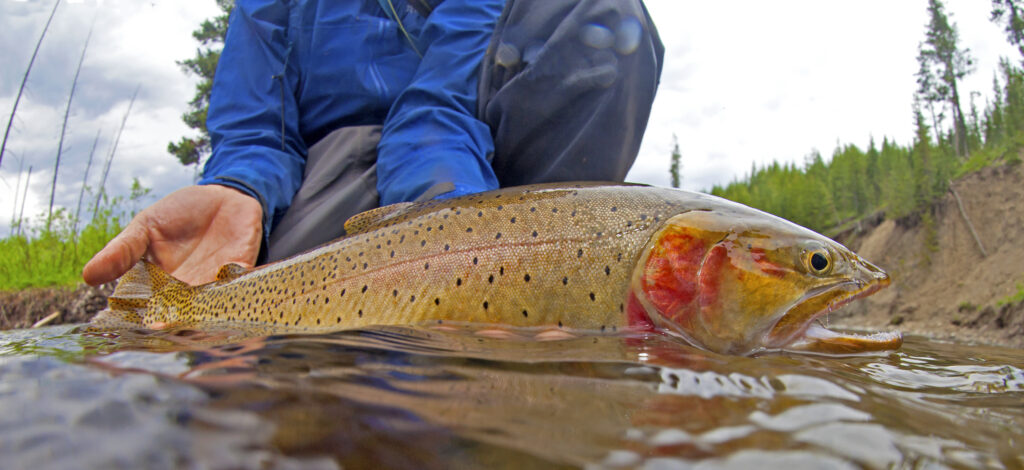
Today, the Teton River stands as the only major river in eastern Idaho without a large dam or reservoir system. This "free-flowing" status is not merely a geographic curiosity; it is an ecological necessity. The Teton Canyon has transformed into a critical sanctuary for the Yellowstone cutthroat trout, a species that serves as an indicator of the region’s overall health.
The cold, clear waters of the Teton provide the thermal refuge necessary for these trout to thrive, particularly as the Western climate becomes increasingly unpredictable. The river supports a complex web of life, from migratory birds to apex predators, all of which rely on the dynamic, flood-pulse ecosystem that only an undammed river can provide. For anglers, hunters, and local families, the river has become the literal and metaphorical lifeblood of their identity.
Collaborative Conservation: A New Model for the West
The most profound development on the Teton in recent years is not geological, but sociological. For decades, the conventional wisdom in the American West held that agricultural water needs and environmental restoration were fundamentally at odds. The Teton Valley is actively disproving this theory.
Through partnerships between organizations like Friends of the Teton River and the Idaho Chapter of Trout Unlimited, a new culture of collaboration has emerged. Farmers, irrigators, and conservationists have sat at the same table to develop innovative water-management solutions. These include:
- Managed Aquifer Recharge: Utilizing natural processes to store water underground, reducing the pressure on surface flows during drought years.
- Infrastructure Efficiency: Updating diversion systems to reduce water waste, ensuring that agricultural yields remain high while leaving more water in the stream for fish.
- Voluntary Flow Agreements: Creating flexible water-sharing agreements that prioritize the river’s health during critical low-flow periods without compromising the economic viability of family farms.
Scott Bosse, Director of American Rivers’ Northern Rockies Region, captures the essence of this shift: "What is happening in the Teton River Valley… is a unique culture that’s been built. It’s a model of innovative solutions that meet everyone’s needs without building big dams. I’d like to see it replicated all over the West."
The Shadow of the Past: The Threat of Rebuilding
Despite this success, the Teton is not entirely out of danger. A persistent, if minority, voice among some downstream interests continues to advocate for the reconstruction of the Teton Dam. Proponents cite the need for supplemental irrigation water and flood control.
However, environmental scientists and economists argue that such a project would be a grave error. Rebuilding the dam would not only destroy the hard-won progress of the last 50 years but would also introduce the same geological risks that led to the 1976 failure. Furthermore, it ignores the modern reality: in an era of climate change, massive reservoirs are often less effective and more costly than the distributed, nature-based solutions currently being implemented in the valley.
The proposed reconstruction would again flood the Teton Canyon, effectively erasing the "resurrection" of the river. It would prioritize a mid-20th-century engineering mindset over the 21st-century reality of integrated resource management.
The Broader Implications: A Lesson for the Nation
The story of the Teton River is a microcosm of the wider American struggle with water policy. As the West faces prolonged megadroughts and increasing pressure on its natural resources, the "Teton Model" offers a beacon of hope. It suggests that if we move away from the "concrete-first" approach and toward community-led, science-based restoration, we can have both healthy economies and healthy rivers.
The recovery of the Teton is a testament to the resilience of the natural world when given a "second chance." It reminds us that rivers are living systems, not just plumbing for human development. As Scott Bosse aptly notes in the documentary Second Chance: "That river almost died in 1976. It’s had a resurrection. You don’t get many second chances in life, and you’ve got to seize them when you do."
How to Get Involved
The fight to protect the Teton is far from over. Organizations dedicated to the river’s preservation are calling on the public to remain informed and active.
- Educate: Familiarize yourself with the history of the dam and the current state of the river by watching the short film Second Chance.
- Advocate: Engage with local policy makers regarding the importance of sustainable water management over large-scale infrastructure projects.
- Support: Join local conservation efforts such as the Fishcamp Collab for Conservation, which seeks to unite recreational interests with environmental stewardship.
As we look toward the next 50 years, the Teton River stands at a crossroads. We can choose to repeat the mistakes of the past, or we can embrace the collaborative, forward-thinking path that has restored this canyon to its rightful glory. The Teton River got a second chance; it is the responsibility of this generation to ensure it is not squandered.
For more information on the Teton River, including fact sheets and opportunities to support ongoing conservation, please visit the Fishcamp Collab for Conservation website to watch the full documentary and learn how you can help protect this Northern Rockies gem.