As the summer of 2026 approaches its zenith, amateur astronomers and casual stargazers alike are preparing for what promises to be the most significant astronomical event of the decade. The annual Perseid meteor shower, already celebrated as the crown jewel of the summer skies, is set to reach its peak on the night of August 12 into the early hours of August 13. However, this year offers more than just a stellar display; it provides a rare, once-in-a-generation alignment with a total solar eclipse, creating a 24-hour period of extraordinary cosmic phenomena.
Main Facts: The "Tears of St. Lawrence" Return
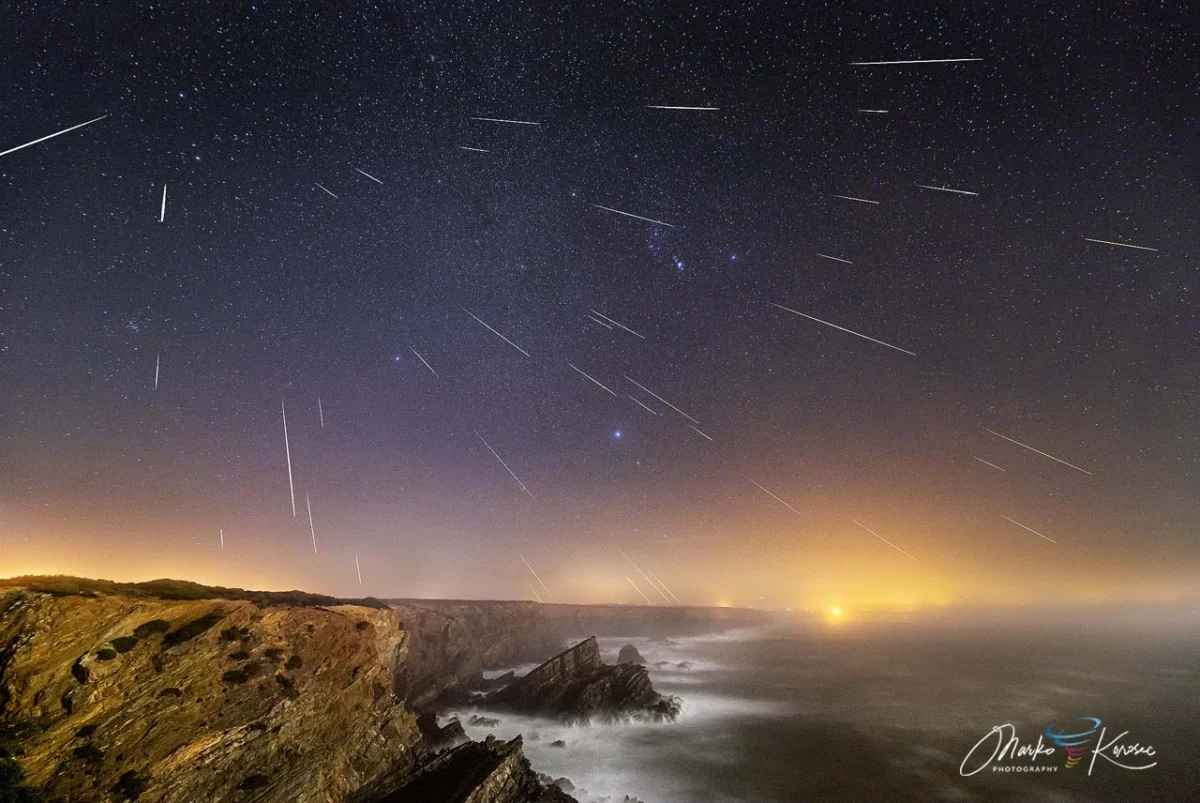
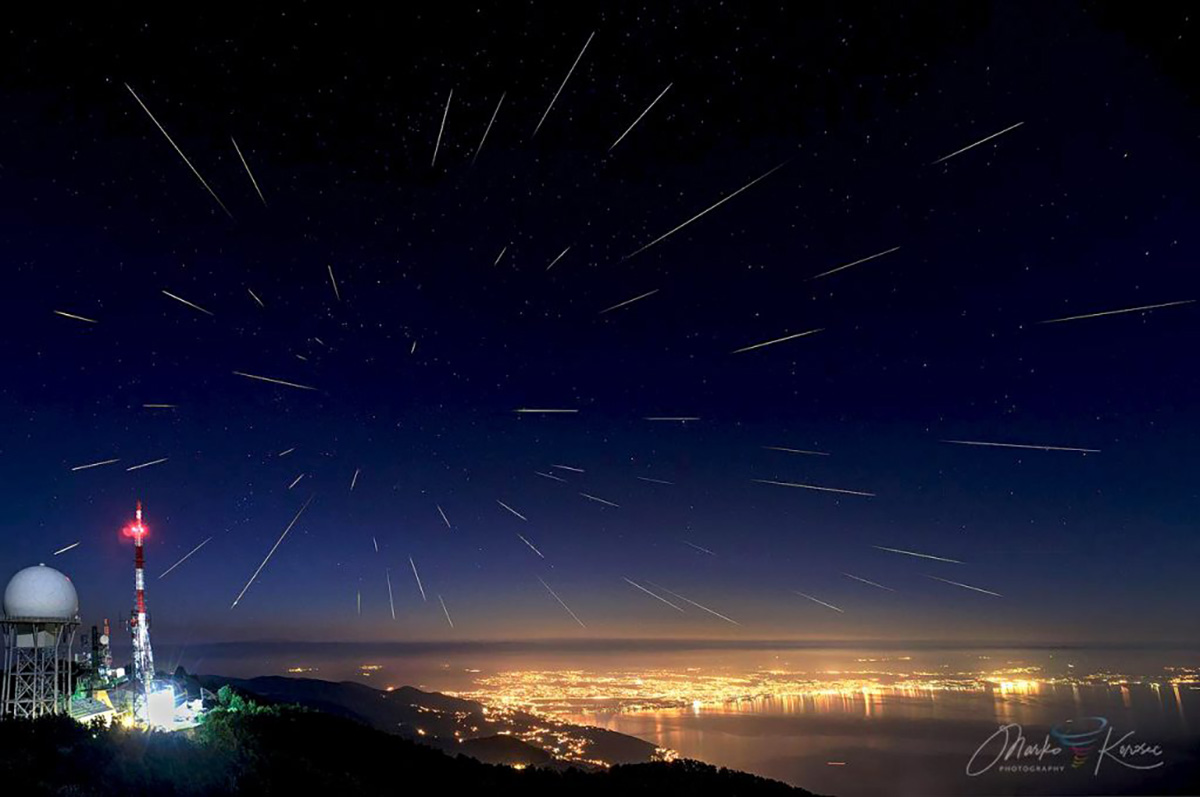
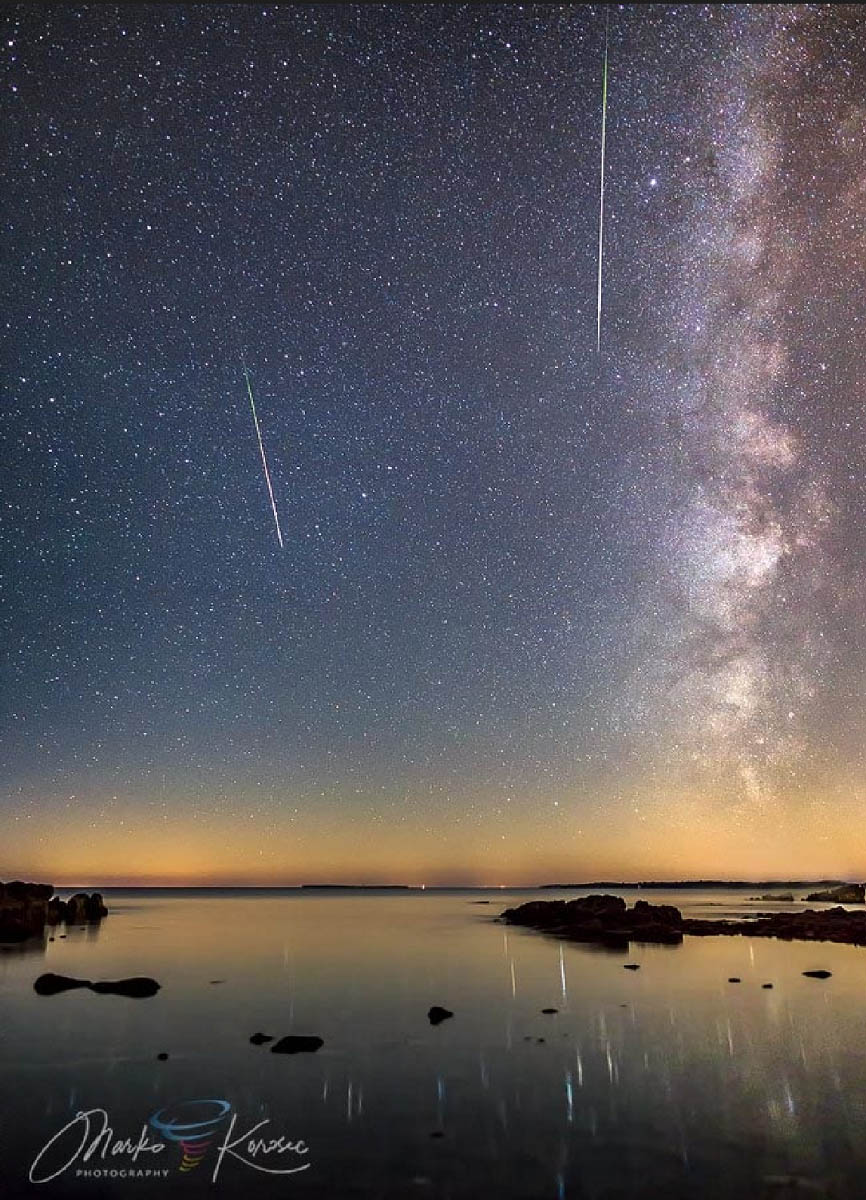
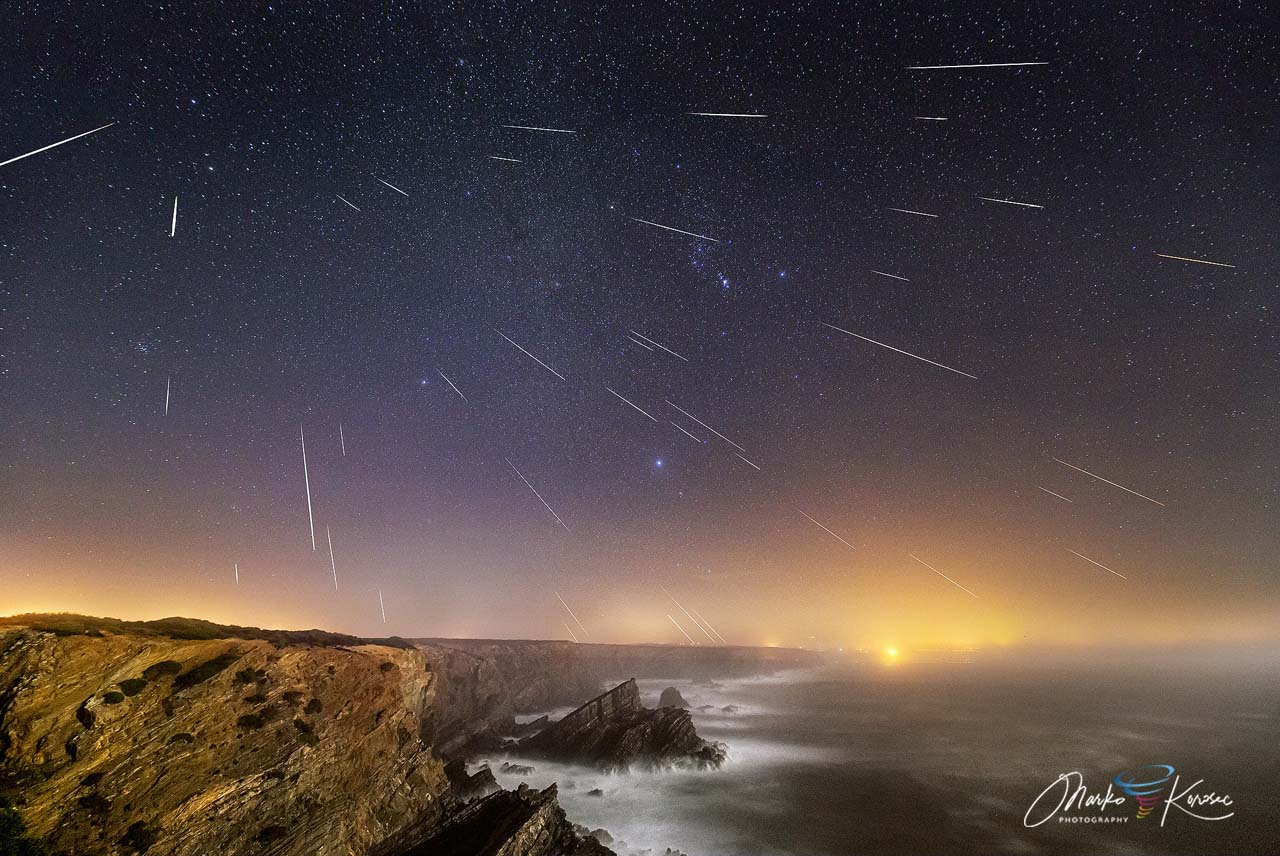
The Perseids are a reliable and prolific meteor shower resulting from the Earth’s passage through the debris field of Comet 109P/Swift-Tuttle. As our planet plunges through these remnants—dust particles and small crumbs of ice and rock—these objects strike our atmosphere at staggering speeds of approximately 59 kilometers per second (about 132,000 mph). Upon contact, they incinerate, creating the brilliant streaks of light we call "shooting stars."

Historically, the Perseids were affectionately dubbed the "Tears of St. Lawrence" because their peak traditionally aligned with the festival of the saint in mid-August. In 2026, the display is expected to produce a Zenithal Hourly Rate (ZHR) of 100 to 120 meteors per hour. What makes this year’s iteration particularly special is the moon phase: the peak occurs during a New Moon. With no moonlight to wash out the fainter, more delicate streaks of light, the sky will remain inky black, providing an ideal canvas for even the most subtle celestial activity.
A Rare Astronomical Alignment: The August 12 Solar Eclipse
The 2026 Perseids do not exist in a vacuum. On the very same day, August 12, a total solar eclipse will sweep across the Northern Hemisphere, casting a shadow over parts of Greenland, Iceland, and Spain. This is the first time in 27 years that a total solar eclipse has graced these regions, creating a unique "day-to-night" transition that will culminate in the meteor shower as the sun sets. For observers in these regions, the transition from the awe of a darkened sun to the spectacle of a meteor-filled sky will be an experience of a lifetime.
Chronology: A Guide to the Peak Activity
While the meteor shower is active from mid-July through late August, the intensity builds gradually.
- Pre-Peak (August 1–10): Activity begins to ramp up. Observers may notice a steady trickle of sporadic meteors, with the frequency increasing by approximately 5-10% each night.
- The Build-up (August 11): The atmosphere begins to thicken with debris. Activity becomes noticeably more frequent, with many observers noting a significant uptick in fireball frequency.
- The Grand Peak (August 12–13): The Earth reaches the densest part of the Swift-Tuttle debris cloud. The official peak is projected for approximately 2:00 UTC on August 13. While this timing is optimal for European observers, North American enthusiasts will still enjoy spectacular views throughout the night as the radiant point—the constellation Perseus—climbs higher into the northeastern sky.
- Post-Peak (August 14–20): Activity tapers off rapidly as Earth exits the main stream, returning to standard background levels.
Scientific Foundations and Data
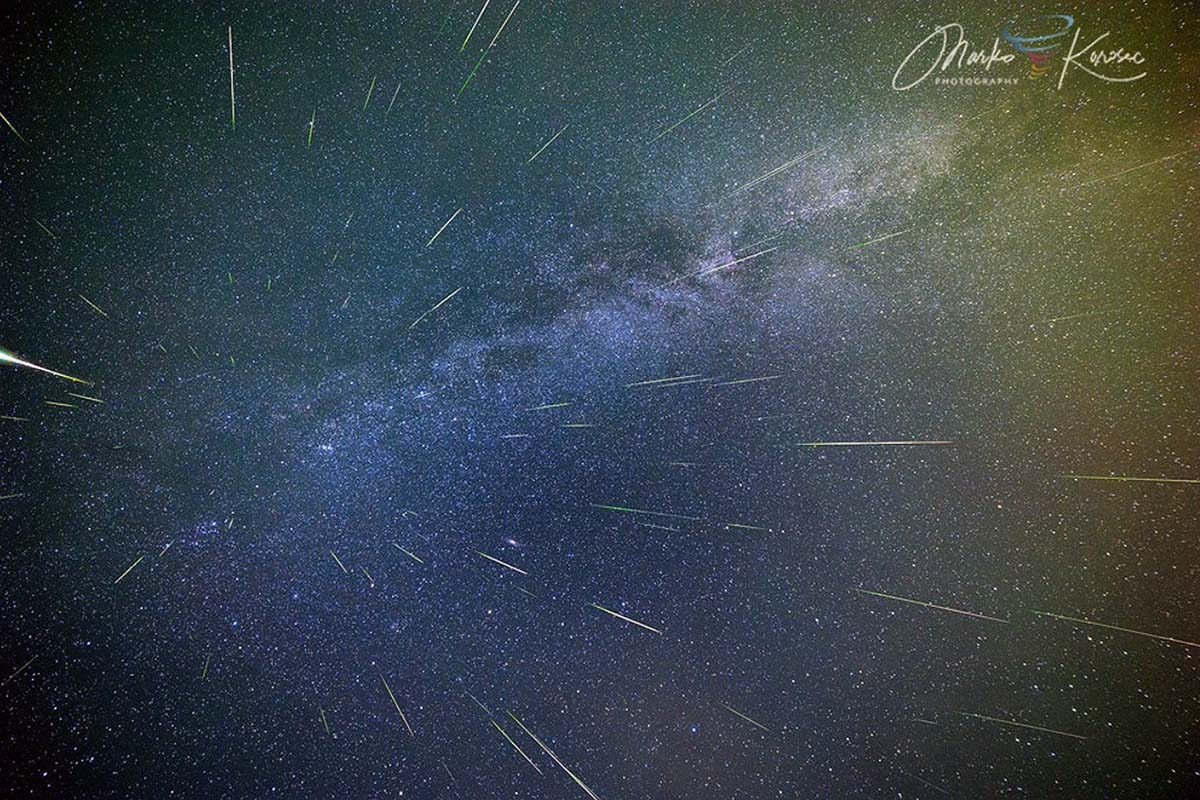
To understand the mechanics of the Perseids, one must look at the nature of the "radiant." All meteors in a shower appear to originate from a single point in the sky. For the Perseids, this is the constellation Perseus. The higher this constellation rises, the more meteors the observer will see.
A critical metric for astronomers is the Zenithal Hourly Rate (ZHR). The ZHR of 100-120 assumes perfect conditions: a dark, clear sky with the radiant directly overhead. In practice, the number of meteors seen by an individual observer is often lower due to light pollution, atmospheric haze, and the position of the radiant relative to the horizon. However, because 2026 features a New Moon, the "limiting magnitude"—the dimmest star visible to the naked eye—will be significantly higher than in previous years, allowing observers to witness even the smallest, most elusive dust particles burning up in the mesosphere at altitudes of roughly 100 kilometers.
Expert Insight: Understanding Fireballs and Trails
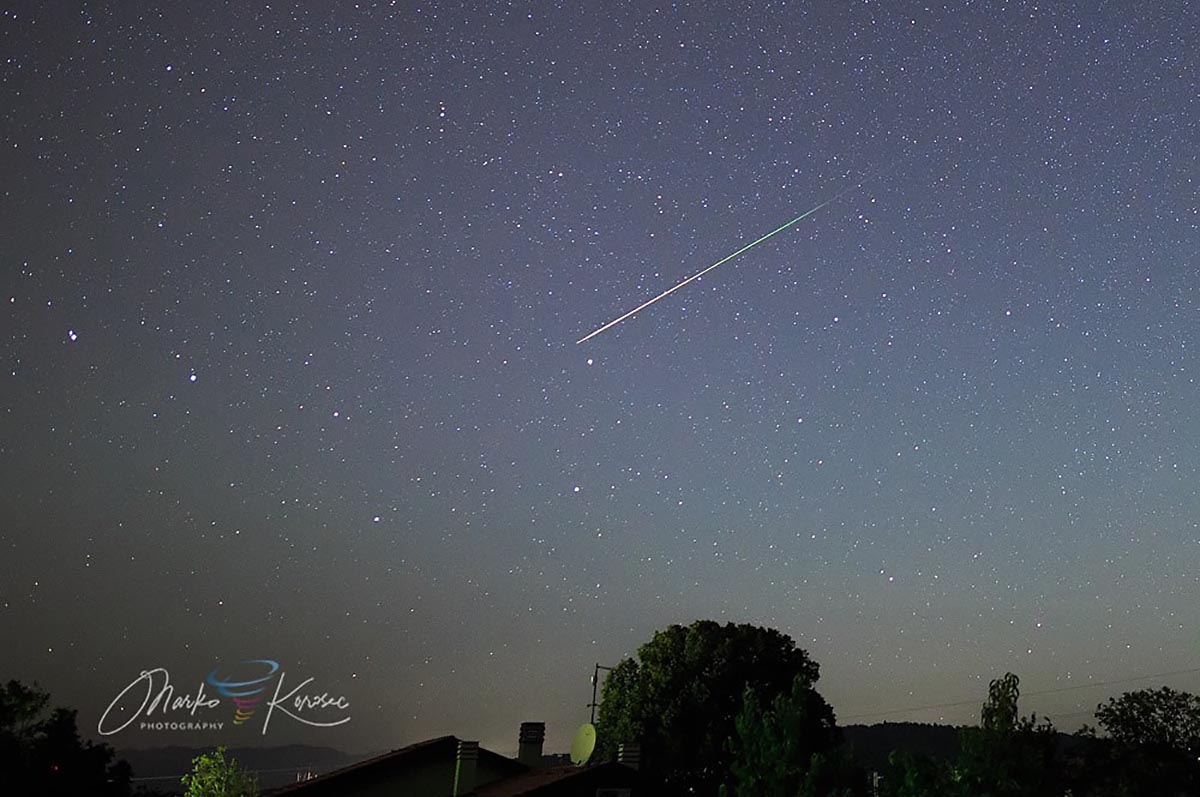
Among the standard meteors, the Perseids are famous for producing "fireballs"—meteors that appear brighter than the planet Venus. These are caused by slightly larger fragments of comet debris, sometimes several centimeters in diameter.
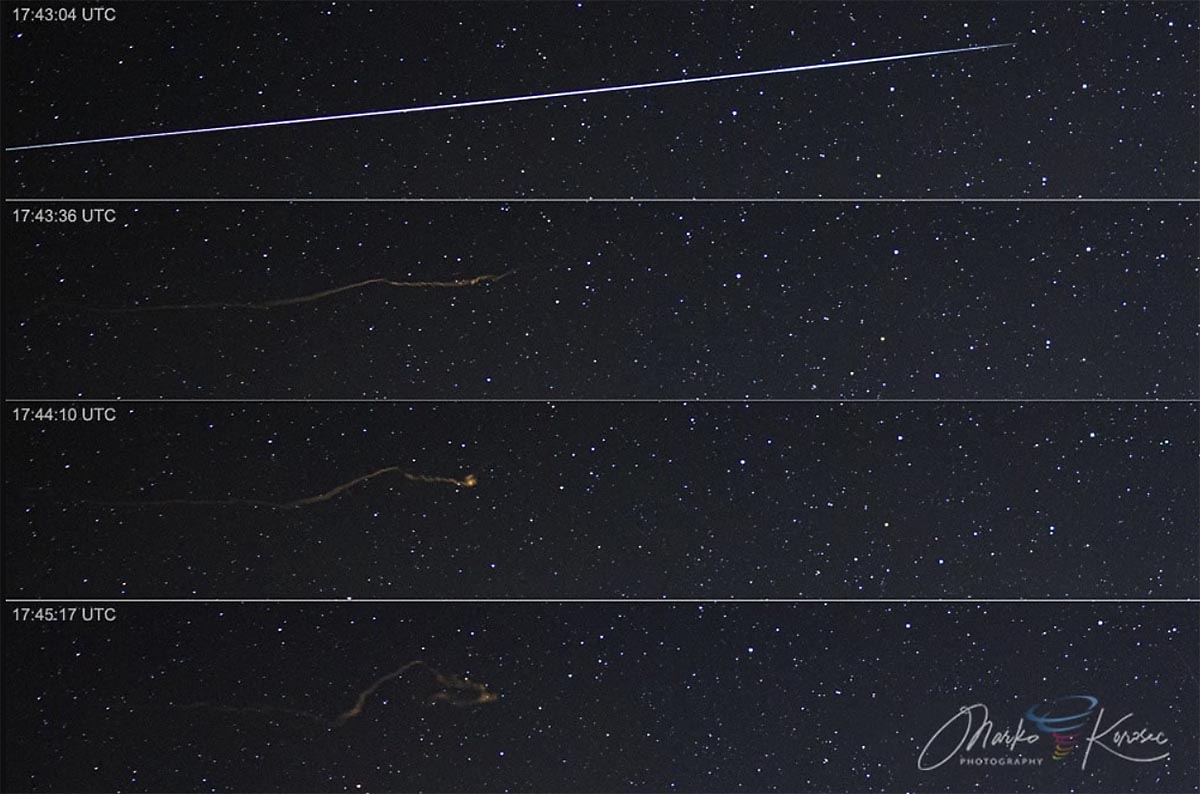
When a large fragment enters the atmosphere, it can produce a persistent, glowing ionized gas trail. These trails, often called "smoke" by amateur astronomers, are physically distorted by high-altitude winds in the upper atmosphere. Under binoculars, these trails can remain visible for several minutes, slowly twisting and fading into the darkness.
Strategic Implications: How to Observe and Photograph
For those looking to document this event, the technical requirements are specific. Whether you are using a DSLR, mirrorless, or even a high-end smartphone with manual controls, the strategy remains the same:
- Location: Travel away from urban light pollution. High-altitude locations, such as mountain ridges or elevated plains, provide the best clarity as they place the observer above the densest, most humid layers of the atmosphere.
- Equipment: Use a wide-angle lens (14mm to 35mm) to capture as much of the sky as possible. A sturdy tripod is non-negotiable.
- Settings: Utilize a low aperture (f/2.8 or lower), high ISO (1600–3200), and long exposures (15 to 30 seconds). Using an intervalometer to take back-to-back photos for several hours is the most effective way to catch a transient fireball.
- Patience: Expect to spend at least two hours in the field. Meteor watching is a game of probability; the more sky you cover and the more time you invest, the higher your chances of witnessing a spectacular "burst" of activity.
Implications for Global Astronomy
The convergence of the 2026 total solar eclipse and the peak of the Perseids has drawn significant attention from the global scientific community. Astronomers are using this window to coordinate wide-field observations. Because the moon is absent, radio meteor observations and optical cameras worldwide will be able to map the debris stream of 109P/Swift-Tuttle with unprecedented resolution. This data helps refine our understanding of cometary evolution and the long-term orbital decay of near-Earth objects.
Safety and Environmental Considerations
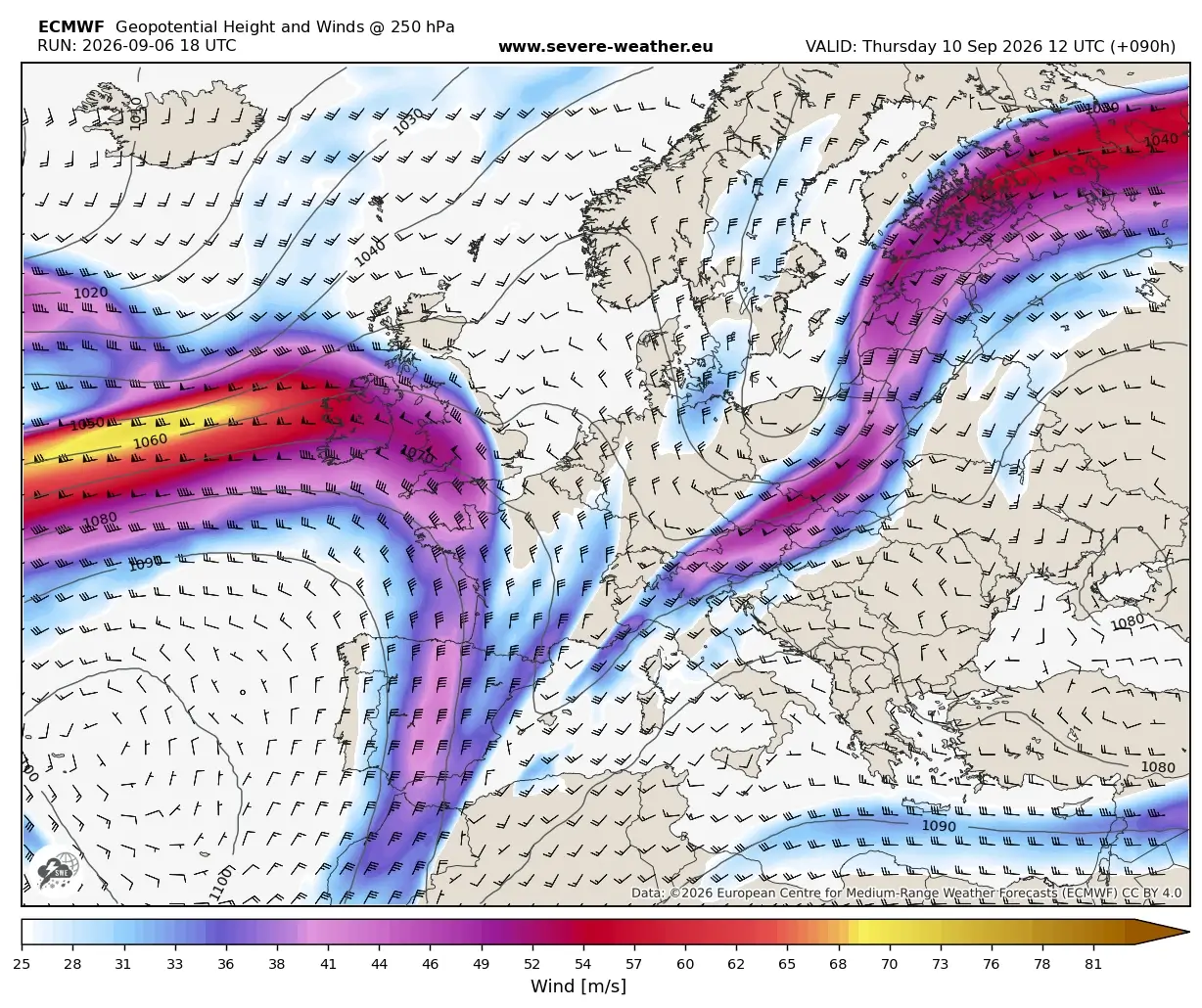
While the meteor shower is a passive event, the environmental context is vital. Summer nights are often subject to localized weather disturbances, particularly thunderstorm activity that can obscure the sky. Observers are encouraged to monitor high-resolution weather models, such as the ECMWF or GFS, in the days leading up to the event.
Furthermore, safety during night-time observation is paramount. If you are venturing into remote areas, ensure you have proper footwear, adequate lighting (using red-light filters to preserve night vision), and sufficient supplies. For those in regions experiencing the solar eclipse earlier in the day, remember that solar safety protocols—such as certified eclipse glasses—must be strictly followed during the daylight hours, even as the sky darkens.
Conclusion: A Night to Remember
The Perseid meteor shower of 2026 stands as a reminder of our place within the vast, dynamic solar system. The combination of a moonless sky and a total solar eclipse makes this an unrepeatable celestial window. Whether you are a seasoned astrophotographer or a family looking to introduce children to the wonders of the cosmos, the night of August 12, 2026, offers a rare opportunity to witness the "Hero" constellation deliver its annual, fiery tribute.
As the world turns its eyes upward, we are reminded that beneath the veil of our atmosphere, the universe is in a constant state of motion. By simply finding a dark patch of sky, looking up, and waiting, you are participating in a tradition as old as humanity itself. Prepare your equipment, check the weather, and ready yourself for the most brilliant display of the year.