Introduction: The Challenge of Fastwater Containment
In the high-stakes world of inland oil spill response, time is the single most critical variable. For responders, the difference between a contained incident and an environmental catastrophe is often measured in minutes. At Whitewater Rescue Institute (WRI), the focus has long been on mastering the volatile dynamics of fastwater and inland spill environments. However, the industry has historically been hampered by a reliance on heavy, labor-intensive equipment that complicates deployment in rugged, inaccessible terrain.
Recent advancements in material science and engineering are beginning to bridge this gap. During a series of intensive field drills conducted on Montana’s Clark Fork River, WRI experts tested a new generation of spill response technology developed by Harbo Technologies. This evaluation represents a potential paradigm shift in how environmental agencies and private contractors approach rapid containment, offering a glimpse into a future where agility and speed redefine the standards of spill mitigation.
The Physicality of Spill Response: Traditional Constraints
To understand why new technology is so eagerly anticipated, one must first understand the grueling reality of traditional spill response. Conventional containment booms are effective but cumbersome. Standard 12-inch containment boom is heavy, bulky, and difficult to maneuver across the uneven banks of rivers and streams.
"Carrying 50- and 100-foot lengths of containment boom to a spill site is some of the most strenuous work we do as responders," says a lead instructor at WRI. "Loading and unloading these trailers, navigating riverbanks with heavy gear, and physically wrestling with rigid structures in high-velocity water is not just exhausting—it introduces significant risks to the responders themselves."
In moving water, the physical challenges are compounded by hydraulic forces. Deploying a boom across a river is a complex, high-risk operation that requires precision, teamwork, and an intimate understanding of fluid dynamics. Every deployment is, in essence, a high-stakes experiment where equipment failure or human error can lead to the uncontrolled spread of pollutants.
Chronology of the Clark Fork Field Trials
Last week, the WRI team conducted a series of live-fire drills on the Clark Fork River to evaluate current best practices and test emerging technologies.
Phase I: High-Velocity Vane Collection
The initial phase of the drill focused on traditional "boom vane" collection techniques in the upper reaches of the Clark Fork. This area is characterized by high-velocity current, which tests the structural integrity of standard equipment. The primary goal was to measure the effectiveness of current collection methods under stress. These drills are essential for maintaining the team’s tactical proficiency, ensuring that when a real-world spill occurs, the response is instinctive and calculated.
Phase II: The Harbo Introduction
The second phase involved the introduction of Harbo Technologies’ compact boom system. Initially, the WRI team approached the technology with a healthy dose of professional skepticism. The equipment’s lightweight design appeared at odds with the rugged demands of fastwater environments. However, representatives from Harbo were on-site to guide the team through the technical specifications and operational capabilities of the system.
Phase III: Real-World Simulation
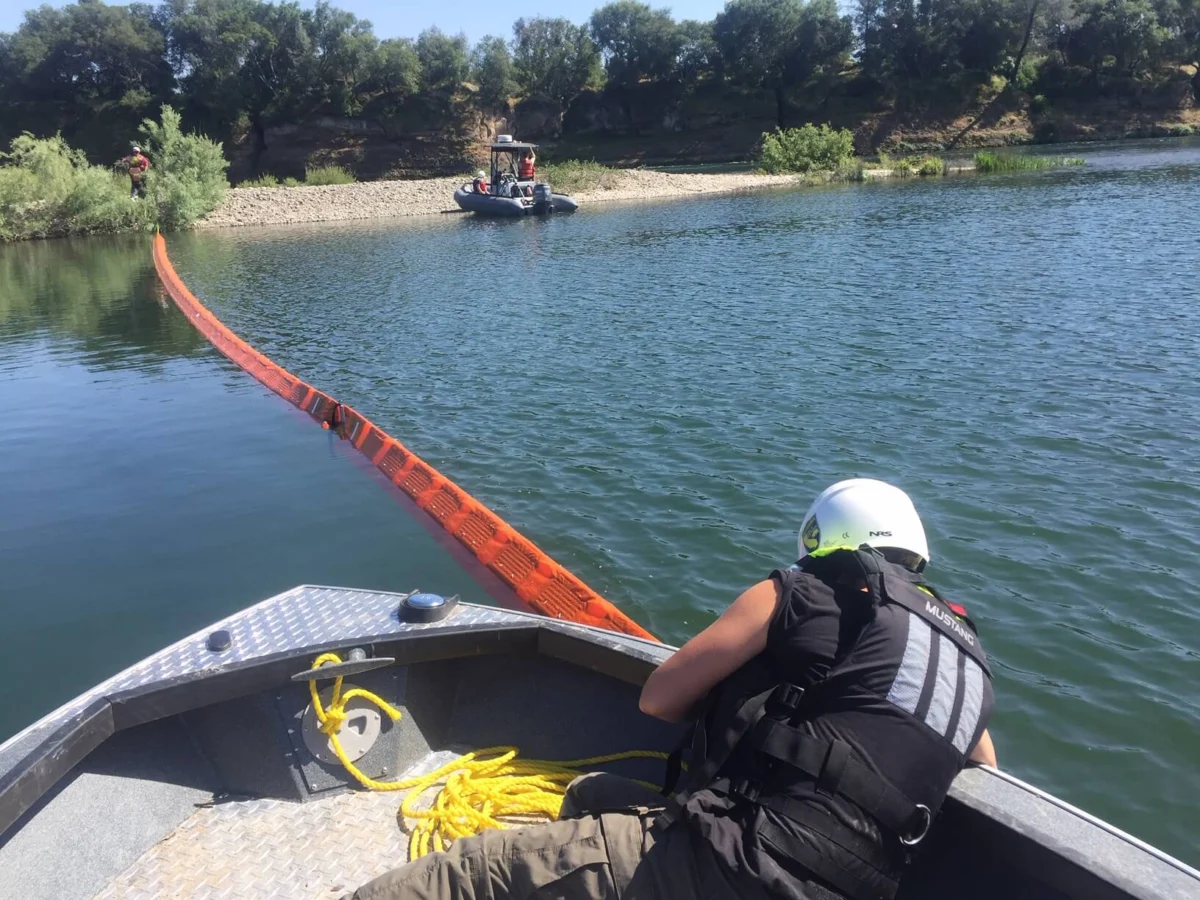
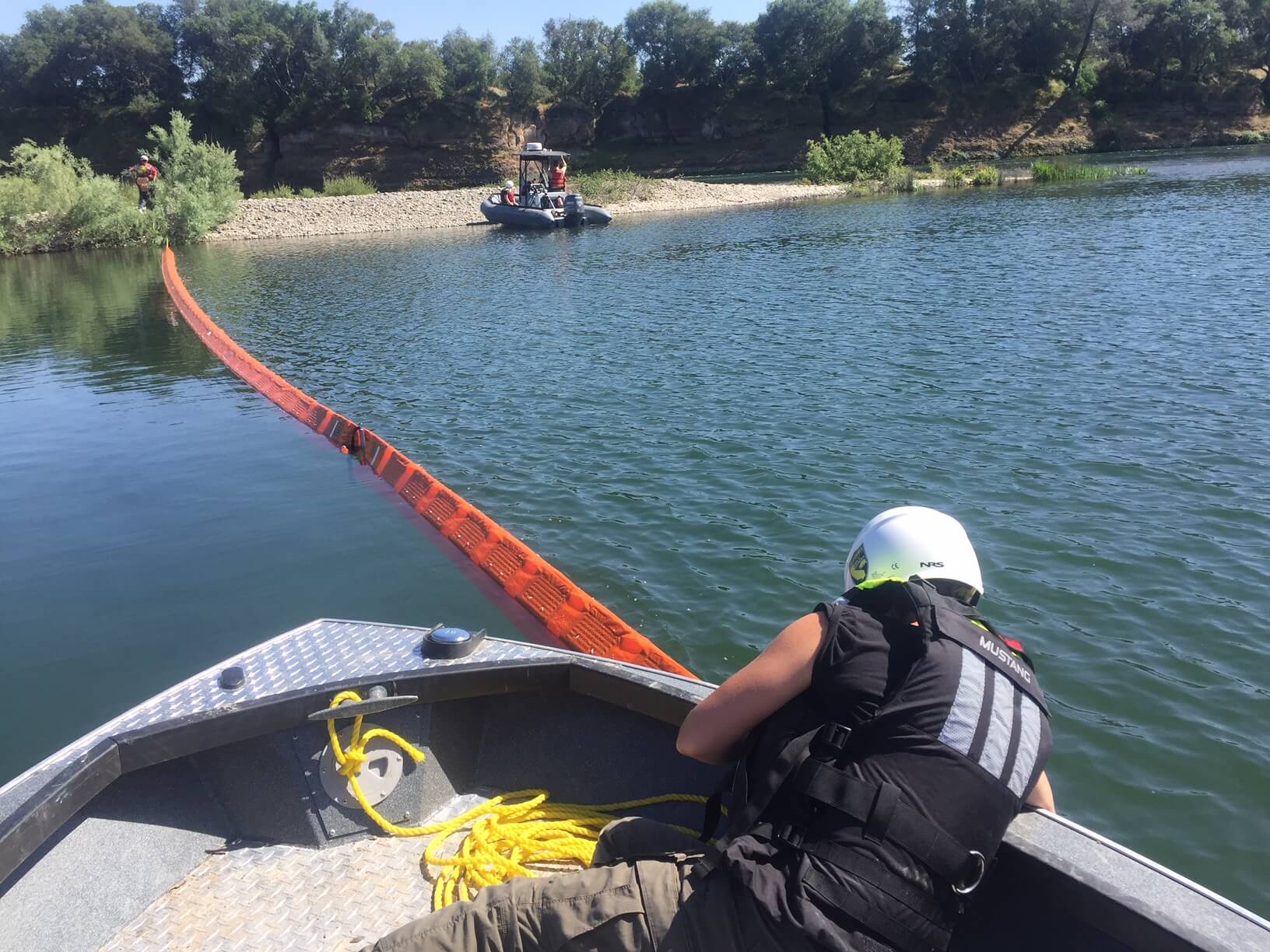
The team moved to deploy the Harbo boom as both a shoreline protection barrier and a collection device, utilizing both a Highline setup and a Boom Vane. The trial was designed to mimic the exact conditions a response team would face during an actual emergency, pushing the lightweight materials to their structural limits.
Supporting Data: Engineering a New Standard
The Harbo boom’s design is fundamentally different from the heavy, foam-filled logs typically seen in the industry.
Design and Deployment Mechanics
The system is stored in a compact, 20-inch by 36-inch dry box containing approximately 80 feet of boom. This level of portability is revolutionary; where a traditional boom would require a heavy trailer and a multi-person crew, the Harbo system allows a single responder to line out between 82 and 164 feet of containment equipment along a shoreline with relative ease.
The mechanics of the system are clever:
- Inflation Mechanism: The boom deploys flat and compact, saving massive amounts of storage space. Upon immersion in water, a series of internal, water-activated sponges cause the boom to inflate, forming a square structure complete with a float and a protective curtain.
- Structural Integrity: Nylon webbing runs the entire length of the boom, providing the necessary tensile strength for towing.
- Hydrodynamic Stability: The hollow structure allows water to flow through, which actually aids in stabilizing the boom against current, preventing the "entrainment" (oil slipping underneath the boom) that often plagues lightweight, poorly designed equipment.
Performance Metrics
During the trials, the Harbo boom demonstrated surprising resilience. Despite the skepticism regarding its weight, the team noted that it performed on par with the heavier, 12-inch containment boom traditionally used. There was zero observed entrainment during the deployment, even in the fast-moving currents of the Clark Fork.
Official Responses and Industry Implications
The WRI staff, all of whom have extensive field experience, expressed a high level of satisfaction with the technology. "As responders, we really appreciated the light weight and ease of deployment," the team noted. "We were genuinely surprised by both its strength and its effectiveness."
Strategic Advantages for High-Risk Facilities
The implications for industry facilities—such as harbors, refineries, and rail yards—are significant. Currently, these facilities maintain large inventories of heavy equipment that require significant manpower to deploy. The Harbo system could allow these sites to:
- Dramatically reduce response times: By keeping equipment staged in easily accessible locations, response can begin in seconds rather than minutes.
- Optimize Personnel: Because the system is so light, it requires fewer personnel to deploy, allowing response teams to focus on other critical mitigation tasks.
- Versatility: The system is equally effective for containment, deflection, and collection, making it a "multi-tool" for inland spills.
Current Limitations and Future Development
While the initial trial was a success, the WRI team acknowledged several hurdles that must be cleared before this becomes the industry standard:
- Single-Use Limitations: Currently, the Harbo boom is designed for a single use. The internal sponges do not adequately support the structure once they have been used and dried, making it an expensive option for routine training.
- Shelf Life: The product has a five-year shelf life, after which the materials must be replaced.
Harbo Technologies has indicated that they are already working on a "training version" of the boom that will allow for multiple deployments, which would address the cost-prohibitive nature of the product for smaller agencies.
Conclusion: The Path Forward
The integration of lightweight, rapid-deployment technologies like the Harbo boom marks a significant step forward for the inland spill response sector. By prioritizing portability and ease of use, companies can reduce the physical strain on responders and, more importantly, shorten the time between an incident and the establishment of containment.
For organizations like WRI, the mission remains constant: to respond safely and effectively. With the addition of new, highly efficient tools to their arsenal, the ability to protect fragile river ecosystems from the devastating impacts of oil spills is stronger than ever. The industry will be watching closely as these technologies move from the testing phase into widespread adoption, signaling a new era of proactive environmental defense.