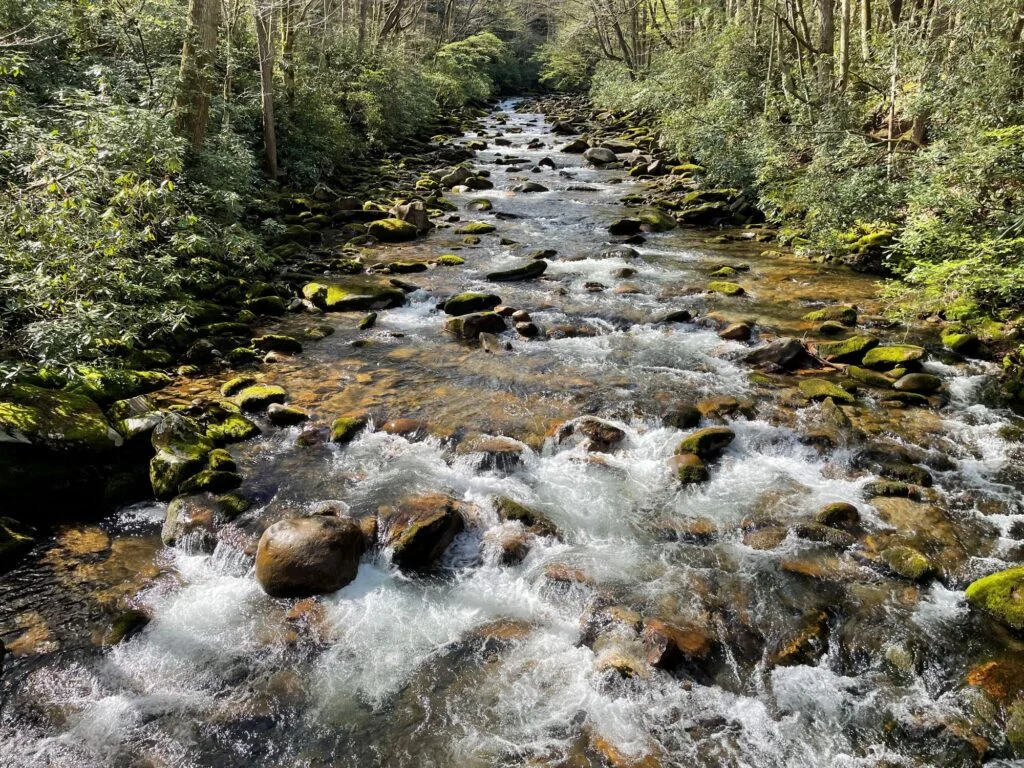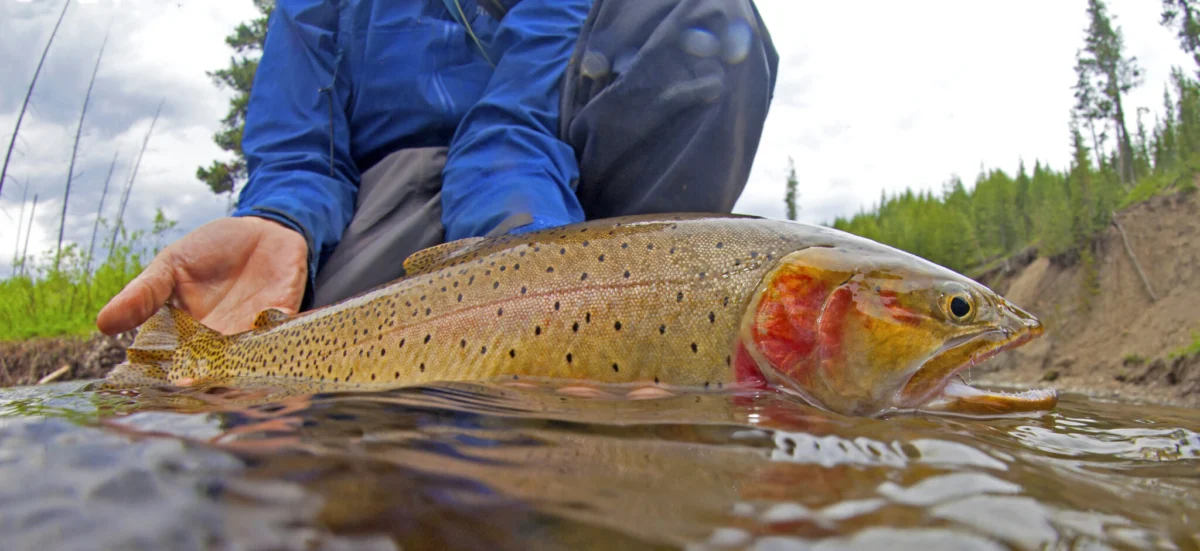
For more than half a century, the Endangered Species Act (ESA) has served as the bedrock of American conservation. Enacted in 1973 with overwhelming bipartisan support, it was designed as a "safety net" for the nation’s most vulnerable flora and fauna. By prohibiting the "harm" of protected species, the law effectively safeguarded the complex environments they inhabit. However, a recent regulatory shift by the federal administration—one that explicitly narrows the definition of "harm" to exclude the destruction of habitat—has ignited a firestorm of controversy among scientists, conservationists, and legal experts. As we face a global biodiversity crisis, this policy change risks dismantling the very mechanisms that have kept countless species from the precipice of extinction.
The Foundation of Protection: Defining "Harm"
At the heart of the ESA’s effectiveness is the term "harm." For decades, the U.S. Fish and Wildlife Service (USFWS) and the National Marine Fisheries Service have interpreted this term to include significant habitat modification or degradation. The logic was rooted in basic ecological reality: you cannot save a species if you destroy its home.
The Supreme Court has historically upheld this interpretation, recognizing that the health of an organism is inextricably linked to the integrity of its environment. By protecting the water, soil, and forests that species rely on, the ESA has facilitated the recovery of iconic animals like the bald eagle and the peregrine falcon. When the administration recently moved to excise "habitat" from the regulatory definition of "harm," it effectively signaled that while a species might be protected from direct physical injury, the destruction of its nesting, breeding, or feeding grounds would no longer constitute a violation under the act.
A Chronology of Erosion
The trajectory of this policy shift reflects a growing tension between industrial development and environmental stewardship.
- 1973: The Endangered Species Act is signed into law, establishing that the preservation of ecosystems is a national priority.
- 1980s–2000s: A series of judicial precedents confirm that habitat loss is the primary driver of extinction, solidifying the agency’s broad interpretation of "harm."
- 2023–2025: Increasing pressure from extractive industries—including mining, logging, and large-scale water diversion projects—leads to lobbying efforts aimed at "streamlining" the consultation process under the ESA.
- August 2026: The administration formally adopts a revised regulatory definition, stripping "habitat modification" from the prohibited acts against endangered species, creating a loophole for developers and industrial interests.
The Freshwater Frontline: Mussels and Beyond
While land-based species are often the face of conservation efforts, the crisis is arguably most acute beneath the surface of our rivers and streams. Freshwater species—including fish, amphibians, and mollusks—are disappearing at a rate significantly higher than their terrestrial counterparts.
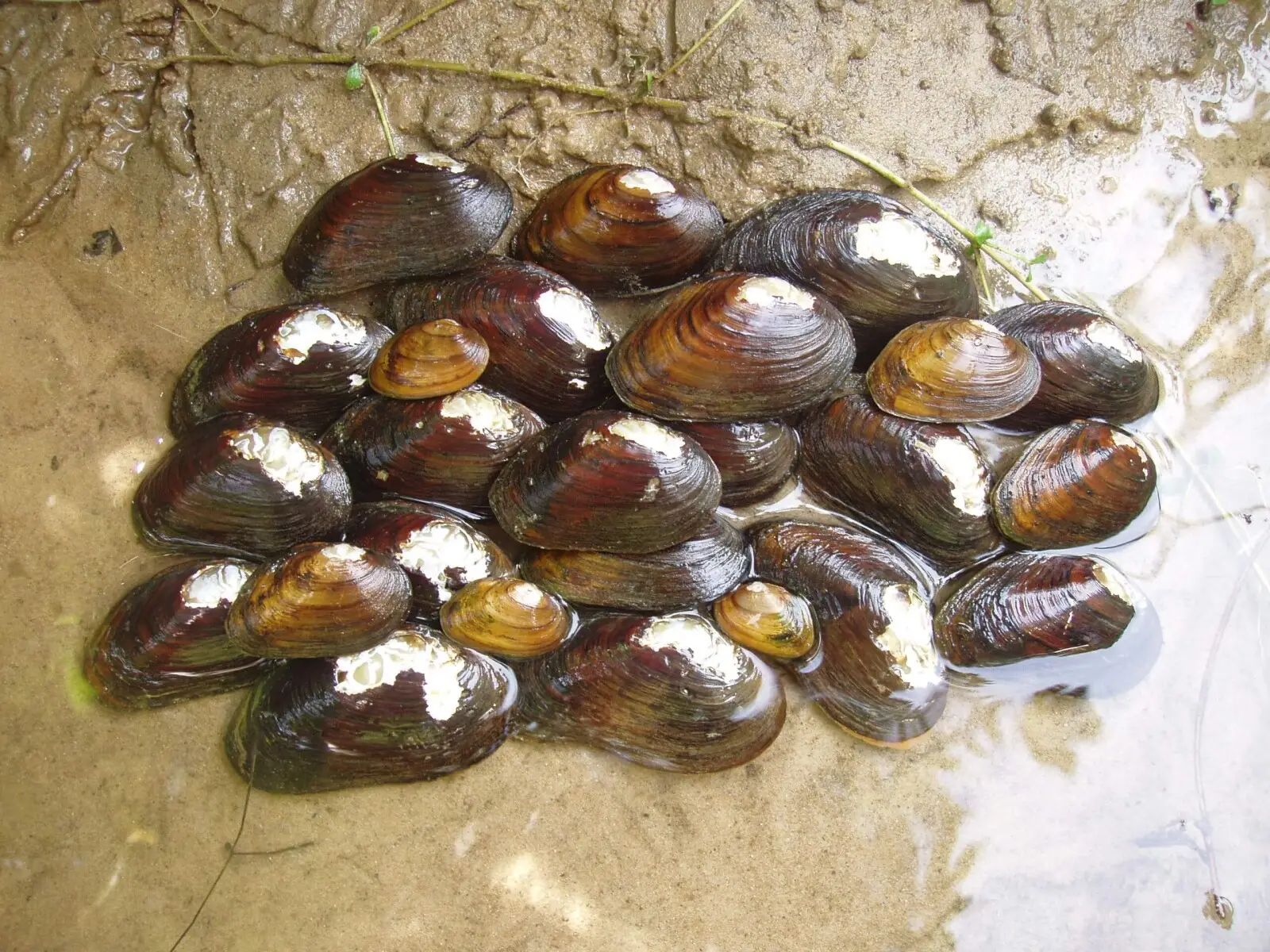
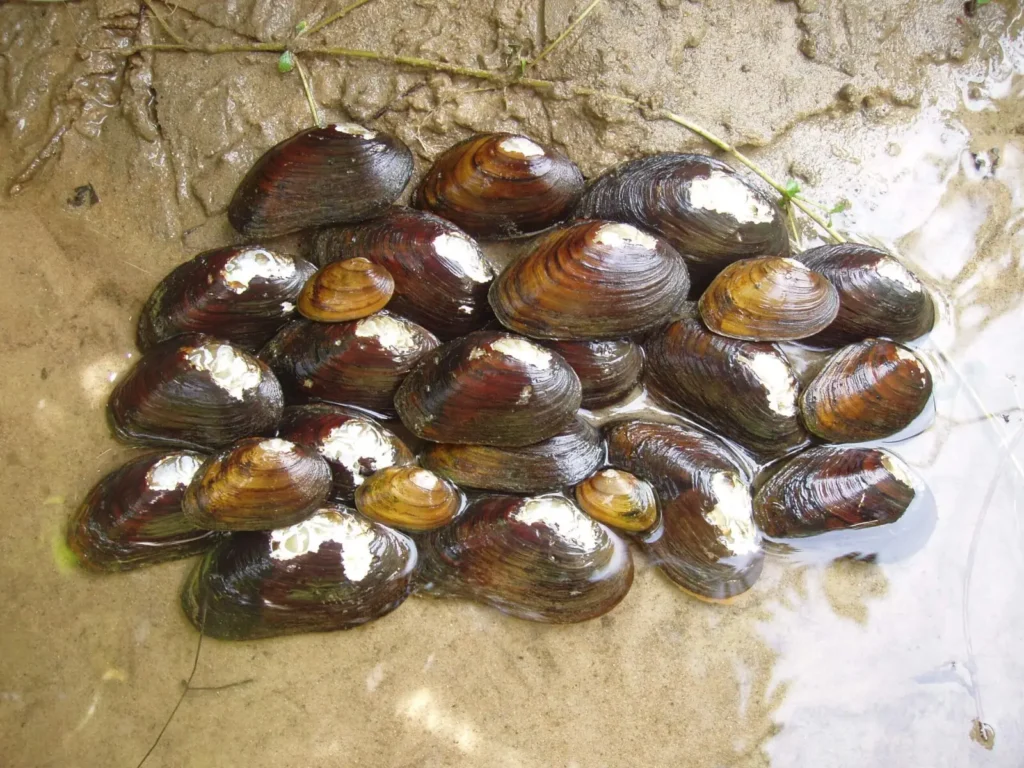
Freshwater mussels serve as the "canaries in the coal mine" for river health. These filter-feeders are biological marvels, with some species capable of filtering up to 30 gallons of water a day, effectively removing harmful pathogens like E. coli and sediment that would otherwise compromise water quality. Their life cycle is equally complex, often relying on host fish to transport their larvae upstream.
However, because these creatures are sedentary and confined to specific river stretches, they are uniquely vulnerable to habitat alteration. Whether it is through damming, pollution runoff, or riverbed dredging, the destruction of their aquatic environment is a death sentence. Without federal protections that treat the river itself as a "protected habitat," the future of these vital organisms becomes increasingly bleak.
Supporting Data: The Cost of Inaction
The urgency of this issue is backed by grim statistics. Approximately 25% of the world’s freshwater wildlife is currently at risk of extinction. In the United States, the loss of riparian habitat is the single greatest threat to aquatic biodiversity.
Conversely, the data also shows that when habitat is protected, success is achievable. The recent delisting of the Roanoke logperch in 2025 serves as a compelling case study. After nearly 36 years on the endangered list, the logperch was declared recovered—a victory made possible not by simple breeding programs, but by the physical removal of four obsolete dams. This action reconnected hundreds of miles of river, allowing the fish to migrate, breed, and thrive. The Roanoke logperch success story underscores a fundamental truth: if you restore the habitat, the species will return.
Official Responses and Political Implications
The administration’s move has drawn sharp criticism from environmental organizations. Advocates argue that the policy change is an "administrative end-run" around the spirit of the original 1973 legislation. By prioritizing the interests of extractive industries over scientific evidence, critics claim the government is inviting a new wave of extinction.
"We are essentially pulling the rug out from under the species we promised to protect," said a spokesperson for a leading conservation group. "By saying that it is only illegal to harm the animal, but perfectly legal to destroy the river it lives in, the government is creating a hollow protection that will lead to a ‘paper recovery’—species that are protected on paper but dead in the wild."
Conversely, proponents of the change argue that the previous definition of "harm" was too broad and created unnecessary regulatory burdens on infrastructure projects. They maintain that the act should be focused on direct threats to individuals rather than broad landscape-level mandates. However, legal scholars note that this separation of "individual" from "habitat" is biologically illiterate, as there is no way to sustain a population without the environment that supports it.
The Ripple Effect: Why This Matters to Everyone
The destruction of our river habitats does not stop at the water’s edge. Rivers are the arteries of the planet, providing drinking water, supporting agriculture, and maintaining the ecological balance of entire regions. When we allow river systems to be degraded in the name of development, we are not just losing mussels; we are risking the quality of the water that flows into our own communities.
The removal of habitat protections under the ESA is a systemic shift that threatens the resilience of our natural world. In an era of climate change, where water scarcity and extreme weather are becoming the norm, the ability of our rivers to function as healthy ecosystems is more critical than ever.
Moving Forward: A Call to Action
The path forward must involve a reconciliation between economic necessity and ecological preservation. We have seen that local, state, and federal cooperation—when focused on the common goal of habitat restoration—can bring species back from the brink. The Roanoke logperch is evidence of what is possible when we view the environment as an asset rather than a commodity.

As the debate continues, the public’s role becomes vital. Citizens must recognize that the Endangered Species Act is not just a tool for saving "charismatic" animals; it is a framework for protecting the fundamental biological support systems that sustain human life.
To ensure that the rivers of tomorrow are not barren, stagnant channels, we must demand that the definition of "harm" be restored to its original, comprehensive scope. We must advocate for policies that prioritize the connectivity of our river systems, the health of our watersheds, and the protection of the habitats that remain. The loss of a species is a permanent tragedy; the loss of the habitat that supports them is an avoidable disaster. Now is the time to speak up for those that cannot speak for themselves—and to protect the rivers that sustain us all.