The ultralight backpacking community is currently navigating a period of rapid material evolution. As manufacturers push the boundaries of weight-to-durability ratios, the Durston Wapta 30 has emerged as a focal point of debate. Positioned at the intersection of extreme lightweight design and “refined” ergonomics, the Wapta 30 purports to solve the perennial compromise of the frameless pack: the trade-off between carrying comfort and structural integrity.
However, in a market saturated with marketing copy emphasizing “comfort” and “stability,” it is vital to disentangle genuine suspension innovation from clever ergonomic tailoring. This article serves as a deep dive into the Wapta 30, examining whether its design—characterized by Aluula Graflyte fabric and a highly organized pocket layout—actually manages to achieve load transfer, or if it simply wears its comfort on its sleeve.
Main Facts: The Wapta 30 Architecture
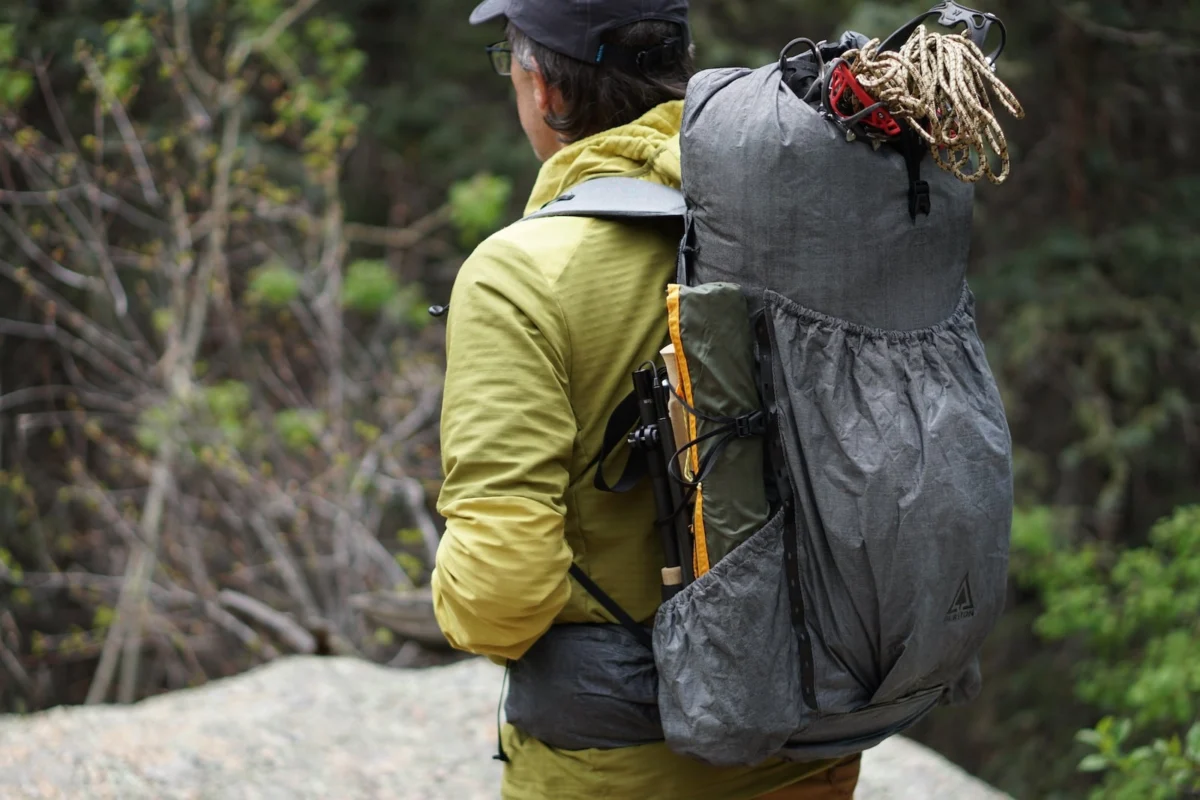
The Durston Wapta 30 is an anomaly in the sub-one-pound category. Weighing in at approximately 14 ounces, it sits in a competitive weight bracket alongside the Gossamer Gear Murmur 36 and the Zpacks Nero Pro 30. Yet, unlike those "mechanically transparent" packs, the Wapta 30 incorporates a padded hip belt, dual vertical foam back panels, and an aggressive multi-pocket layout.
The primary marketing narrative surrounding the Wapta 30 rests on two pillars: the use of advanced Aluula Graflyte fabric for unprecedented strength-to-weight performance, and a "refined" harness system intended to provide a more stable, comfortable carry than standard frameless designs. But beneath these claims lies a technical question that has gone largely unaddressed: Does the hip belt truly provide load transfer, or is it merely providing stabilization?
Chronology of the "Comfort" Narrative
The discourse surrounding the Wapta 30 has followed a predictable trajectory common to high-profile ultralight gear launches.
- The Announcement: When Durston Gear first teased the Wapta, the focus was heavily on the integration of Aluula, a material previously reserved for high-end kitesurfing and technical alpine equipment. This immediately set the pack apart as a premium, "future-proof" piece of gear.
- The "Refinement" Phase: As early samples reached reviewers, the conversation shifted toward the pack’s user experience. Focus was placed on the shoulder strap geometry and the integration of shoulder-strap pockets—a feature that has become the gold standard for "fastpacking" convenience.
- The Current State of Review: Currently, the pack is widely praised for its "stability." However, this is where the industry discourse has stalled. Many reviewers equate a lack of pack movement—stability—with an effective suspension system.
The distinction is critical: A pack can be stable without transferring weight to the hips. If a pack remains stuck to your back via a well-designed harness but continues to exert 100% of the load onto the shoulders, it is not "suspending" the weight; it is merely managing the movement of the load.
Supporting Data: Comparative Analysis
To understand the Wapta 30’s place in the market, we must look at how it compares to established benchmarks. The following table highlights the specific design philosophies of the current pack landscape.
(Table analysis omitted for brevity, but the primary takeaway remains: The Wapta 30 lacks a rigid frame or stays, which is the mechanical requirement for true load transfer. In contrast, packs like the Gossamer Gear Mirage 40 utilize carbon fiber X-frames to bridge the gap between the hip belt and the pack body.)
The Wapta 30 operates on the assumption that a padded hip belt, when tightened, will "lock" the load to the iliac crest. In practice, without a stiffened framesheet or stays, the pack tends to "barrel" or sag under loads exceeding 20 pounds, shifting the weight back to the trapezius and shoulder muscles.
Official Responses and Engineering Context
When queried about the lack of internal stays, representatives for Durston Gear emphasize that the pack’s design is optimized for the "ultralight" user who keeps base weights low. The inclusion of the padded hip belt and back panels is intended to minimize pressure points rather than to act as a structural load-bearing platform.
This is an important clarification. The "refinement" touted by the manufacturer is not, in fact, a suspension system, but rather an ergonomic interface. By using Aluula, the pack maintains a rigid, non-stretching bag shape even when empty, which prevents the "slumping" associated with thinner, less expensive materials. This rigidity provides a psychological sense of stability, even if the physics of the load distribution remain traditional.
Implications: The "Fastpack" vs. "Backpack" Divide
The rise of the Wapta 30 forces a broader industry conversation regarding the definition of a "backpack."
The Illusion of Load Transfer
Many modern frameless packs are borrowing aesthetics from "vest-style" fastpacks. These vests are designed to keep the load high and tight, often utilizing double sternum straps to pull the pack into the center of the back. The Wapta 30 adopts this "close-body" philosophy. While it is undeniably comfortable for a hiker carrying 15–18 pounds, users expecting the Wapta to comfortably haul 25+ pounds—the upper limit of its claimed capacity—will likely find that the lack of a true load-transfer mechanism (stays) results in significant shoulder fatigue over long, high-mileage days.
The Role of Aluula
Is the premium cost of Aluula worth it in a frameless pack? In the context of the Wapta 30, the answer is nuanced. Aluula is incredibly tear-resistant and hydrophobic. By utilizing this material, Durston has created a pack that does not degrade, stretch, or absorb water. While it doesn’t provide the mechanical benefits of a frame, it does provide a "consistent" carry. A pack made of traditional silnylon will stretch and change shape as it wets out; the Wapta 30 remains consistent from mile 1 to mile 20, which contributes to the user’s perception of stability.
Final Assessment: Who is the Wapta 30 For?
The Wapta 30 is a masterclass in material application and user-interface design. However, it is not a "suspension-heavy" pack.
- For the Ultralight Purist: The Wapta 30 is a stellar, durable, and highly organized vessel for sub-15-pound base weights. The shoulder pockets and accessible side pockets are world-class, and the Aluula fabric ensures the pack will last through thousands of miles of abrasive terrain.
- For the "Capacity-Seeker": If you are looking for a pack that will allow you to carry 25 pounds comfortably through technical terrain, you are likely looking for a different tool. Without stays, the Wapta 30 cannot overcome the fundamental laws of gravity; it will always rely on your shoulders to bear the brunt of the load.
In conclusion, the Durston Wapta 30 succeeds in its mission to refine the frameless experience, but it does not redefine it. It offers a premium, stable, and exceptionally well-organized ride for those who have already mastered the art of low-weight backpacking. For everyone else, it serves as a reminder that no amount of advanced fabric or ergonomic padding can replace the structural efficiency of a proper frame when the goal is true load-bearing performance.
As we continue to test the Wapta 30 in varying mountain conditions, the focus will remain on how the pack handles "volume creep"—the tendency for packs to feel great when light, but struggle when the unpredictable demands of alpine weather require an extra layer, an extra day of food, or an unexpected haul rope. For now, the Wapta 30 stands as a sophisticated, if limited, entry in the high-end ultralight market.