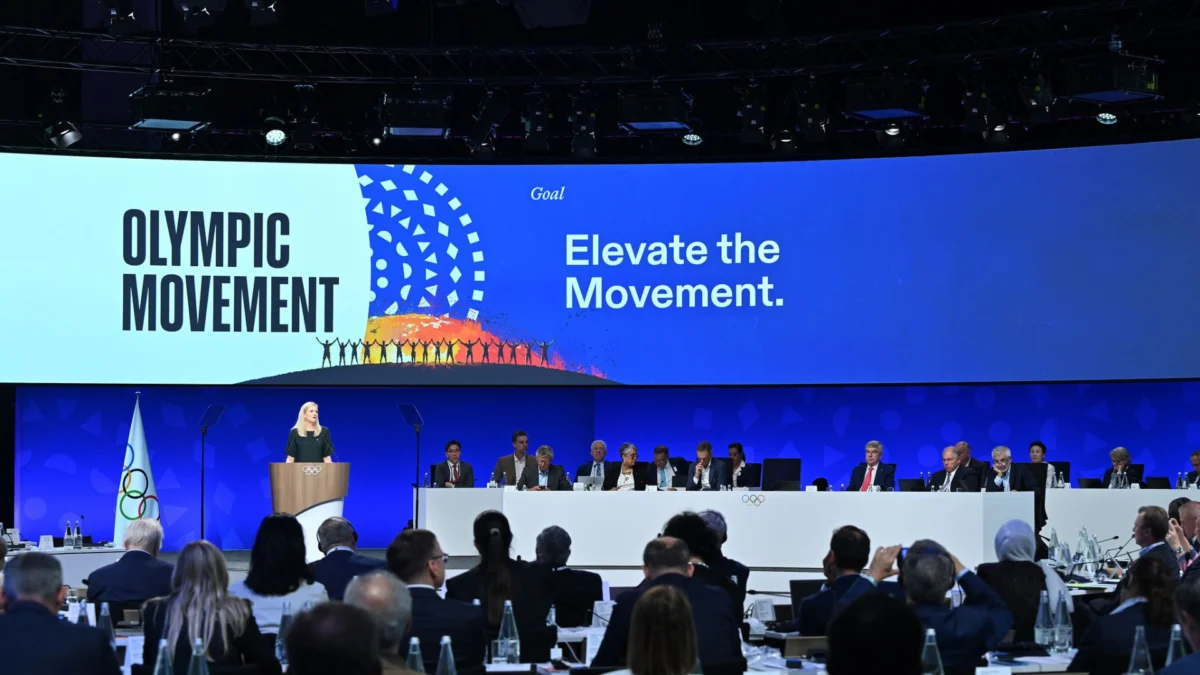
LAUSANNE, SWITZERLAND – The global sporting landscape stands at a critical juncture. On June 24, 2026, the International Olympic Committee (IOC) convened its 146th Session in Lausanne, Switzerland, a high-stakes gathering designed to pivot the Olympic movement toward a new era of sustainability, athlete-centricity, and structural transparency. The centerpiece of these proceedings is the unveiling and adoption of the "Fit for the Future" (F4F) strategic framework, spearheaded by IOC President Kirsty Coventry.
As the world watches the evolution of the Games, the 146th Session represents more than just a procedural meeting; it is a fundamental recalibration of how the Olympic movement justifies its relevance in an increasingly fragmented digital and geopolitical age.
The Core Mandate: What is "Fit for the Future"?
At the heart of the 146th Session lies the "Fit for the Future" (F4F) initiative. For years, the IOC has faced criticism regarding the escalating costs of hosting, the complexity of Olympic qualification pathways, and the need to modernize the Games to capture the attention of younger demographics.
President Kirsty Coventry, addressing the assembly, framed F4F as a necessary evolution rather than a reactionary measure. The program aims to streamline the IOC’s internal governance, bolster the financial and mental health support systems for elite athletes, and establish a more rigorous, transparent methodology for determining the sports program of future Games.
The primary pillars of the F4F framework include:
- Athlete Empowerment: Moving beyond medals to ensure financial security and career transition support.
- Operational Agility: Reducing bureaucratic red tape in the bidding and hosting process.
- Program Modernization: A balanced approach that honors the heritage of traditional Olympic sports while integrating high-growth, youth-oriented disciplines.
- Transparency: Open-access reporting on how the Olympic program is curated and how host cities are selected.
A Chronology of the 146th Session
The Session, which spanned June 24–25, 2026, followed a meticulous schedule aimed at building consensus among the IOC’s international stakeholders.
June 24, 2026: The Visionary Opening
The first day was dominated by President Coventry’s keynote address. The atmosphere in Lausanne was charged with a sense of urgency. The IOC members spent the afternoon in plenary sessions, debating the philosophical underpinnings of the F4F strategy. The focus remained on the "athlete-first" narrative, with presentations highlighting the disparity between professionalized sports and the struggles of amateur athletes in smaller nations.
June 25, 2026: The Ratification
The second day shifted from visionary rhetoric to concrete policy. IOC members formally voted to approve the F4F framework. This vote serves as the mandate for the Executive Board to begin immediate implementation. Discussions also turned to the upcoming French Alps 2030 Winter Games, where the newly approved F4F criteria will face their first real-world test regarding sport selection and venue utilization.
Perspectives from the Periphery: The Role of National Committees
While the IOC acts as the governing body, the "boots on the ground" are the National Olympic Committees (NOCs). Although NOCs do not hold voting rights within the IOC Session, their input is vital to the legitimacy of any global strategy.
In Finland, the Finnish Olympic Committee has been observing the Lausanne proceedings with keen interest. As CEO Riku Tapio noted, the relationship between the IOC and individual NOCs is one of cooperation rather than top-down command.
"The Finnish Olympic Committee has been a vocal participant in the consultation phases of the F4F process," says Tapio. "Our core message has remained consistent throughout: the movement is only as strong as its national constituents. We have advocated for deeper, more meaningful dialogue and, above all, a commitment to transparency in how decisions are reached at the highest level."
Despite Finland not having a vote in the Session—a right reserved for individual IOC members like Finland’s Sari Essayah—the connection remains robust. The Finnish delegation emphasizes that the IOC’s ability to listen to smaller, efficient sporting nations is what will define the long-term success of the "Fit for the Future" initiative.
Supporting Data: The $10,000 Solidarity Commitment
One of the most tangible outcomes of the 146th Session is the announcement regarding the IOC Solidarity support package. For years, the divide between the world’s wealthiest athletes and those representing developing sporting nations has been a point of contention.
The F4F program addresses this by mandating that every athlete qualified for the Olympic Games will receive a $10,000 USD grant via the IOC Solidarity fund. This is a significant shift in resource allocation. By providing direct financial aid, the IOC is attempting to level the playing field, ensuring that the Olympic dream is not contingent solely on personal wealth or state-sponsored funding.
"This is a major victory for the athlete-centric model," notes an industry analyst. "By standardizing financial support, the IOC is effectively removing the ‘participation tax’ that has historically prevented talented athletes from nations with limited sporting infrastructure from reaching the podium."
Implications: A New Era for the Olympic Program
The most debated aspect of the 146th Session remains the future of the Olympic sports program. As the IOC balances the weight of tradition against the allure of emerging sports (such as urban disciplines and digital-first events), the F4F framework promises a more "scientific" approach to selection.
Balancing Heritage and Innovation
The challenge for the IOC is maintaining the prestige of sports like track and field or swimming, which have anchored the Games since 1896, while accommodating the commercial and cultural demands of the 21st century.
Riku Tapio expressed a cautious optimism regarding the French Alps 2030 program: "We are still waiting for the definitive news on the sport programs. Our stance is clear: the Olympic Games must remain a balanced ecosystem. We cannot sacrifice the heritage that built the movement, but we must be agile enough to invite new audiences into the fold."
The Transparency Imperative
The F4F framework also dictates that the selection of sports for future cycles must be accompanied by a public-facing justification. This move is designed to quell rumors of favoritism or lobby-driven inclusions. If the IOC can successfully implement this level of transparency, it may go a long way in restoring public trust in the governing body—a goal that has been a priority since the reforms of the late 2010s.
Official Responses and Stakeholder Sentiment
The reaction from the international sporting community has been largely positive, though tempered with a "wait and see" approach.
IOC President Kirsty Coventry:
"The ‘Fit for the Future’ program is about ensuring that the Olympic Games remain the pinnacle of human achievement. We are not just changing the sports we play; we are changing the way we govern, the way we fund, and the way we connect with the next generation of athletes and fans."
Finnish Olympic Committee (CEO Riku Tapio):
"We are pleased to see the IOC looking at its own operations with a critical lens. The commitment to strengthening athlete support is perfectly aligned with our own domestic goals. We appreciate that the process is moving toward openness, and we look forward to the continued dialogue regarding how these changes will be felt at the national level."
The Road Ahead: 2026 and Beyond
As the 146th Session concludes, the hard work begins. The "Fit for the Future" program is not a static document; it is a living strategy. The upcoming months will see the formation of various working groups tasked with translating these high-level mandates into granular policy.
Key milestones to watch include:
- Q4 2026: The release of detailed guidelines for the 2030 Winter Games sports program.
- 2027: The first annual audit of the Solidarity support distribution.
- 2028: The evaluation of the initial "F4F" governance reforms and their impact on operational efficiency.
The message from Lausanne is clear: the Olympic movement is not content to rest on its laurels. By embracing a strategy of structural agility and prioritizing the financial well-being of the individual athlete, the IOC is signaling a readiness to face the challenges of the 2030s head-on.
For the global sports community, the 146th Session will likely be remembered as the moment the IOC decided to stop simply managing the status quo and started actively building the future. Whether these reforms will be enough to satisfy critics and sustain the massive infrastructure of the Olympic movement remains to be seen, but the foundation has been laid.
The Olympic flame, while eternal, is being carefully tended to ensure it burns as brightly in the next century as it has in the last. As the delegates depart Switzerland, they carry with them the responsibility of ensuring that "Fit for the Future" is more than just a slogan—it is the blueprint for a modernized, more equitable, and deeply resilient Olympic movement.