As the allure of the outdoors continues to captivate the American public, more individuals are trading screen time for shoreline time. With nearly 60% of the U.S. population participating in outdoor recreation—a total exceeding 181 million people in 2024—the demand for accessible water sports has surged. Among these, canoeing and kayaking stand out as the primary modes of exploration. However, for the uninitiated, the choice between the two can be as daunting as navigating a technical rapid.
Determining whether you are a “canoe person” or a “kayak person” requires an honest assessment of your intended activities, your travel companions, and the specific environments you plan to frequent. This guide dissects the mechanics, utility, and safety considerations of these two distinct vessels to ensure your next outing is defined by enjoyment rather than equipment frustration.
Main Facts: The Structural Divide
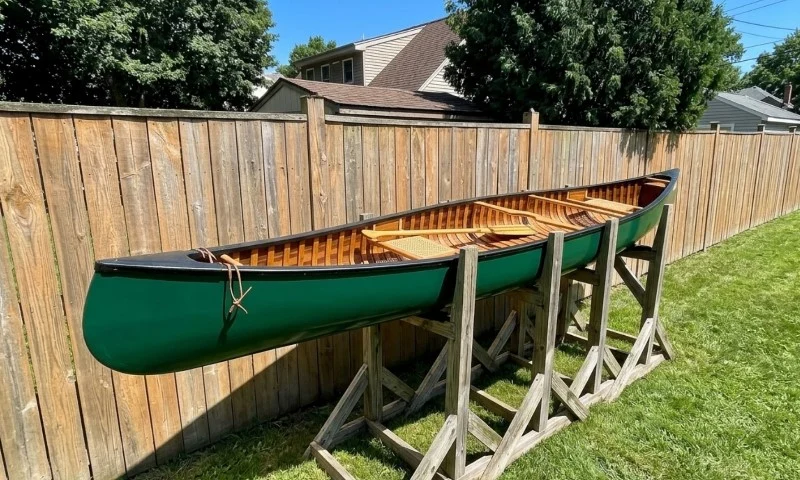
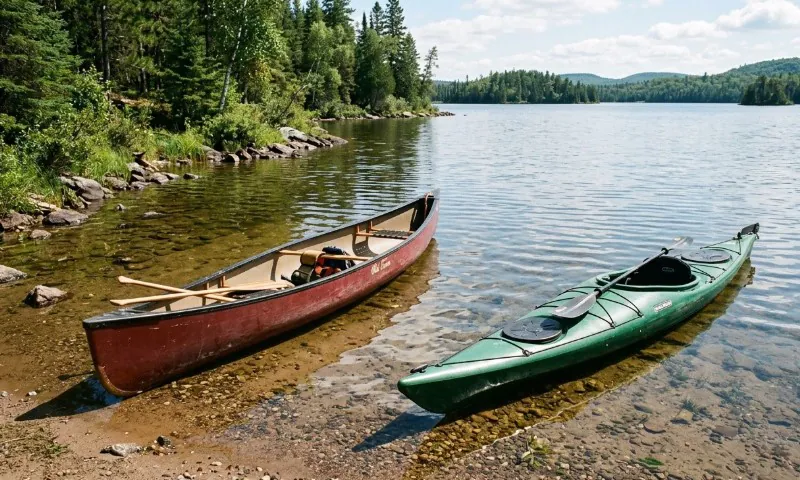
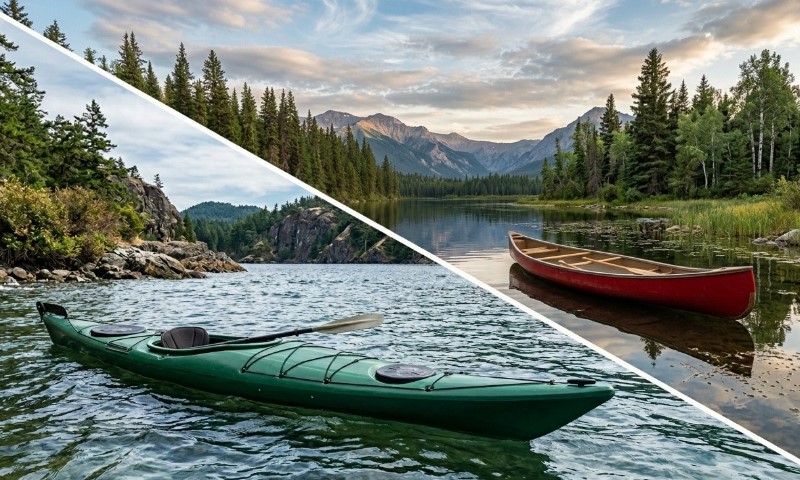
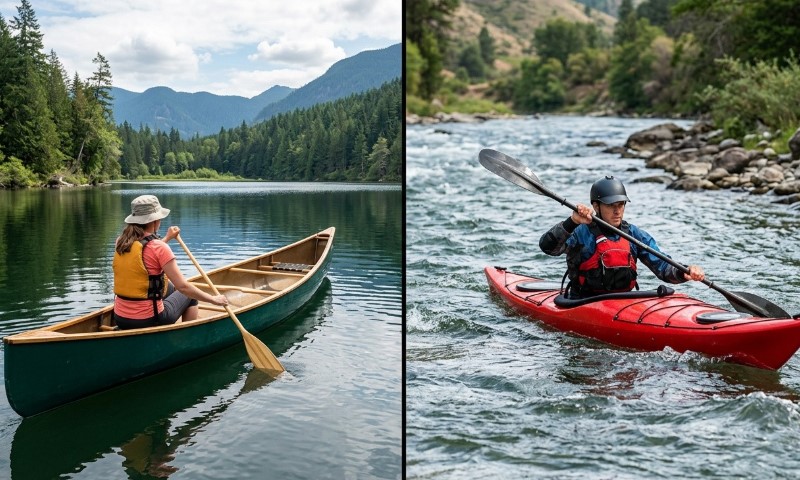
At their core, canoes and kayaks differ fundamentally in design, propulsion, and seating geometry. A canoe is traditionally an open-deck vessel, often designed with a wider beam and higher gunwales. Canoeists typically utilize a single-bladed paddle, allowing for versatility in strokes, and may either sit on a bench seat or kneel to improve stability and power.
Conversely, the kayak is characterized by a lower center of gravity. Whether you are using a traditional sit-inside model—complete with a closed cockpit—or a modern sit-on-top recreational kayak, you are positioned close to the water’s surface, utilizing a double-bladed paddle. This setup provides an immediate mechanical advantage for tracking straight, making it a favorite for solo adventurers and fitness-minded paddlers.
Chronology of Paddlesport Evolution
The origins of these vessels reflect their cultural heritage. The canoe, with its roots in indigenous North American design, was historically a workhorse for transportation, trade, and hunting. Its open structure was optimized for carrying heavy, bulky loads over long distances, including across portages.
The kayak, by contrast, emerged from the Arctic regions of the Inuit and Aleut peoples. These were highly specialized, closed-deck boats designed for hunting in icy, turbulent waters where staying dry and maintaining a low profile were matters of survival. Over the last century, these designs have been refined by modern materials—such as polyethylene, fiberglass, and carbon fiber—leading to the specialized categories we see today: touring, whitewater, fishing, and recreational.
Supporting Data: Why the Surge in Participation?
The Outdoor Industry Association reports that paddlesports alone have hooked approximately 30 million people in the United States. This growth is driven by several factors: the rise of "micro-adventures" near urban centers, the affordability of recreational kayaks, and the expansion of rental infrastructure.
Data from the U.S. Coast Guard highlights the demographic shift in these sports. While older, seasoned paddlers tend to favor long-distance touring kayaks, a massive influx of younger, recreational participants has driven sales of sit-on-top kayaks and inflatable canoes, which offer lower barriers to entry in terms of storage and transport.
Official Responses and Safety Implications
The rapid increase in participation has drawn the attention of water safety authorities. The U.S. Coast Guard’s 2024 Recreational Boating Statistics report underscores a critical, sobering trend: the majority of boating fatalities involved individuals not wearing personal flotation devices (PFDs).
The National Park Service (NPS) frequently emphasizes that a life jacket stored under a seat is effectively useless during a sudden capsize. In cold water, the risk of "cold shock"—a physiological response that can lead to gasping and rapid drowning—is significant, regardless of one’s swimming ability. Official guidance consistently mandates that paddlers dress for water temperature, not air temperature, and ensure that children under 13 remain in a properly fitted PFD at all times while on the water.
Comparing Capabilities: A Tactical Analysis
Why Choose a Canoe?
The canoe is the "floating pickup truck" of the water. Its strengths lie in capacity and social interaction. If your plans involve camping, fishing with a significant amount of tackle, or bringing along children and pets, the canoe is unparalleled. Because you sit higher, your vantage point for spotting wildlife or navigating shallow, rocky riverbeds is significantly improved.
- Pros: High gear capacity, easy to board and exit, social seating, superior visibility.
- Cons: Vulnerable to wind (the high hull acts as a sail), more difficult for a novice to track in a straight line alone.
Why Choose a Kayak?
The kayak is the "sports car" of the water. It is built for efficiency and solo control. The double-bladed paddle allows for a rhythmic, balanced stroke that makes covering long distances feel effortless. For those who enjoy fitness-oriented paddling or exploring coastal waters where wind and chop are factors, the lower profile of the kayak provides essential stability.
- Pros: Better tracking, easier to handle in windy conditions, specialized models for every niche (whitewater, touring, fishing), easier to transport on smaller vehicles.
- Cons: Limited storage space, more challenging for those with mobility issues to enter and exit, less social.
The Stability Paradox
A common misconception is that a wider boat is always more stable. In reality, "initial stability" (how steady the boat feels when you first sit in it) differs from "secondary stability" (how the boat performs when it begins to tilt). A flat-bottomed canoe feels very stable on a glass-calm lake, but a rounded-hull touring kayak may actually provide better secondary stability in rough, wavy water, as it is designed to lean into waves rather than fight them.
Practical Logistics: The "Un-Fun" Part of Ownership
Before finalizing a purchase, potential owners must address the reality of logistics. A 16-foot canoe may be a dream on a river, but it is a logistical nightmare for someone living in a third-floor apartment with a sedan.
Ask yourself these five questions before buying:
- Storage: Do I have a garage, shed, or dedicated wall space to store this securely?
- Transport: Can I lift this onto my vehicle rack alone, or do I need a trailer?
- Frequency: Will I use this weekly, or is it a twice-a-year luxury?
- Companion: Will I almost always have a partner, or am I truly a solo paddler?
- Environment: Am I paddling local ponds, or do I have aspirations for multi-day river expeditions?
Cost, Maintenance, and Long-Term Value
The entry-level market for kayaks has become increasingly accessible, with many entry-level models available for under $500. However, the true cost includes essential accessories: a high-quality, lightweight paddle, a PFD that you will actually enjoy wearing, dry bags for your gear, and a secure roof rack system.
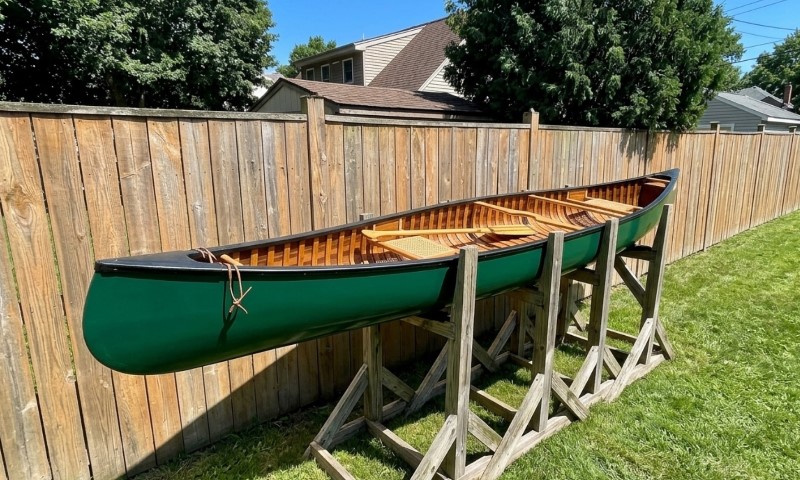
Maintenance is relatively straightforward for both. Plastic (polyethylene) hulls are durable but can warp if stored improperly in the heat. Composite boats are lighter and faster but require delicate handling to avoid gel-coat cracks. Regardless of the material, keeping your boat clean, stored out of direct UV light, and away from extreme heat will add years to its lifespan.
Navigating Legalities and Etiquette
While non-motorized vessels rarely require formal registration in most states, they are still subject to maritime laws.
- BUI Laws: Boating Under the Influence laws apply to paddled craft just as they do to motorboats.
- Night Navigation: If you are on the water after sunset, you are legally required to have a white light available to signal your presence to other vessels.
- Right of Way: While canoes and kayaks are often the most maneuverable vessels on the water, they should always yield to larger, less-maneuverable commercial or motorized traffic.
Final Verdict: Which One Should You Buy?
There is no "perfect" boat, only the one that fits your lifestyle. If your weekends involve family outings, fishing, or leisure-heavy camping, the versatility of the canoe is hard to beat. If you prioritize individual speed, fitness, or navigating diverse and challenging water conditions, the kayak is your best companion.
The most important advice for any aspiring paddler is to rent before you buy. Visit a local outfitter, take a class, and test different hull designs. A boat that is easy to transport and comfortable to paddle will see the water every weekend; a "perfect" boat that is too heavy to move will simply collect dust in the garage. Choose the boat that gets you on the water, and you will have made the right choice.