Introduction: The Unseen Peril
In the wilderness, danger is often perceived through the lens of dramatic events: the sudden flash of a lightning storm, the roar of an avalanche, or the treacherous instability of a cliff edge. Yet, one of the most persistent and lethal hazards remains hiding in plain sight, standing tall and seemingly static: the "hazard tree."
For the seasoned backpacker, the forest is a sanctuary. However, beneath the canopy lies a low-frequency, high-consequence risk that demands a shift in perspective. While falling trees—or "widowmakers," in forestry parlance—are not the leading cause of backcountry fatalities, their ability to turn a peaceful campsite into a scene of tragedy is a sobering reality. Whether through age, disease, or the after-effects of wildfires, trees are dynamic structures that eventually fail. Recognizing the signs of an impending collapse is not merely a skill for foresters; it is an essential survival competency for anyone venturing into the woods.
Chronology of Tragedy: A Pattern of Risk
The danger posed by hazard trees is not hypothetical; it is a recurring narrative in search-and-rescue logs across North America. The following incidents underscore the indiscriminate nature of tree failure:
- August 2019: A thru-hiker on the Pacific Crest Trail was struck and killed by a falling tree while traversing a trail corridor, highlighting that even movement through the forest carries inherent, if unpredictable, risks.
- August 2019: On the iconic Colorado Trail, a backpacker lost her life when a tree collapsed onto her tent during the night.
- May 2021: In the White Mountain National Forest, a tragic incident occurred involving a hammock camper. The tree to which the hammock was anchored failed, striking the occupant. This underscores a specific risk: adding structural load to a tree, or choosing a tree with compromised root systems, can precipitate a collapse.
- August 2022: At a remote campsite in Olympic National Park’s Elk Lake wilderness, a visitor was killed while inside their tent. The incident required an emergency helicopter evacuation the following morning, illustrating the logistical difficulty of responding to such accidents in deep backcountry.
These incidents, while statistically rare, have occurred in diverse environments—from high-alpine burn areas to established, maintained campgrounds. They serve as a grim reminder that complacency is a dangerous companion.
Understanding the "Hazard Tree"
What defines a hazard tree? In forestry, a hazard tree is defined as any tree with a structural defect that, if it fails, could cause personal injury or property damage. To manage this risk, one must understand the biological and environmental catalysts that turn a living organism into a lethal projectile.
1. The Legacy of Fire
The 1988 Yellowstone fires, which scorched 1.4 million acres, provided a long-term laboratory for studying hazard trees. Burned forests leave behind "standing matchsticks"—trees that may remain upright for decades but possess no living root systems or structural integrity. As these trees rot, they become increasingly unpredictable, especially when subjected to the mechanical stress of high winds.
2. Biological and Environmental Stressors
- Root Rot and Fungal Decay: Often invisible to the casual observer, root rot compromises the tree’s foundation. If the soil at the base of a tree appears mounded or cracked, it may indicate the roots are pulling away from the earth.
- Dead Wood and "Hang-ups": Branches that have died but remain suspended in the canopy—often called "widowmakers"—are primed to fall at the slightest provocation.
- Tree Architecture: Trees with extreme lean, V-shaped crotches (codominant stems), or those with "cankers" (sunken, dead areas on the trunk) are significantly more likely to fail under the weight of snow, ice, or wind.
Supporting Data and Statistical Context
While data on tree-fall fatalities is notoriously difficult to aggregate because these events are often categorized broadly under "environmental hazards," the U.S. Forest Service and the National Park Service have long identified hazard trees as a primary liability in managed recreation areas.
Risk management experts often point to the "Exposure-Frequency" model. A hiker might pass thousands of trees in a day (high exposure), but the probability of being directly beneath a specific tree at the exact moment of failure is low. However, when a hiker decides to camp, they transition from a "transient observer" to a "static target." By spending 8 to 12 hours in a single, fixed location, the probability of exposure to a falling limb or trunk increases exponentially.
Official Responses and Management Strategies
Land management agencies have shifted their approach to hazard trees over the last two decades. In high-traffic campgrounds, agencies now employ "hazard tree mitigation programs," where arborists identify and remove at-risk timber. However, in the vast majority of the backcountry—where hikers spend their time—no such maintenance exists.
The official stance of the National Park Service and the Forest Service is one of "informed caution." In wilderness areas, the policy is generally to let natural processes occur. Consequently, the responsibility for identifying risk shifts entirely to the visitor.
Implications for the Modern Backpacker
How can a backpacker manage a risk that is both omnipresent and unpredictable? The answer lies in "situational awareness."
The Site Assessment Checklist
Before dropping your pack, conduct a brief survey of the area:
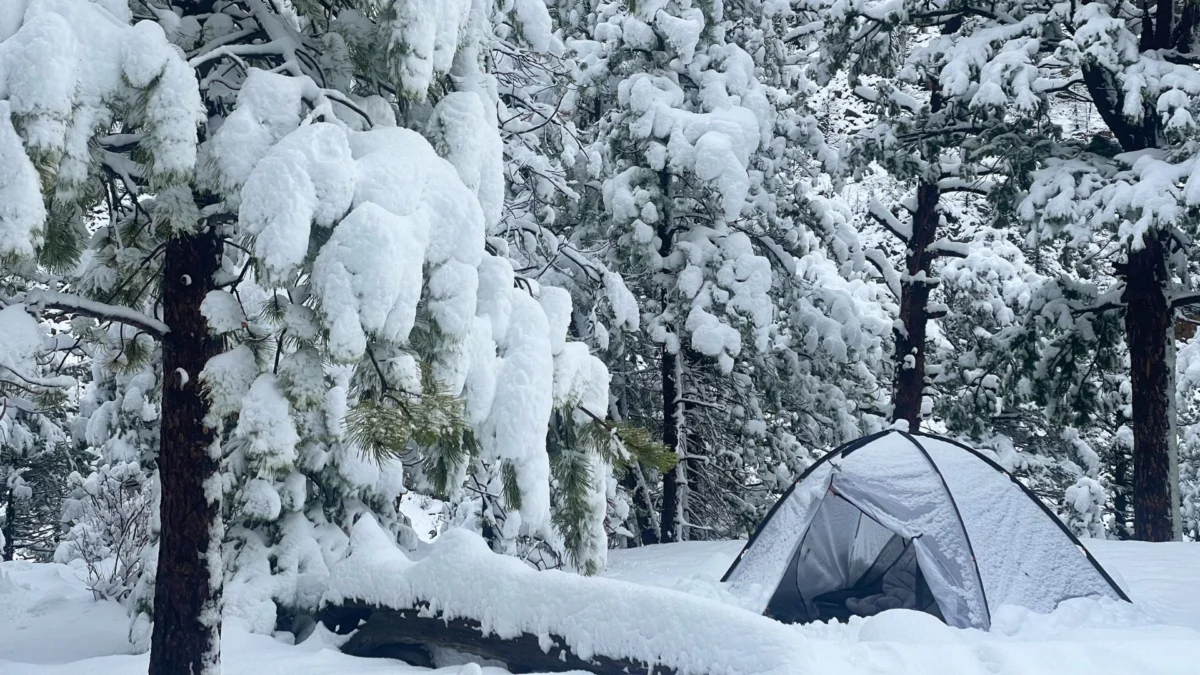
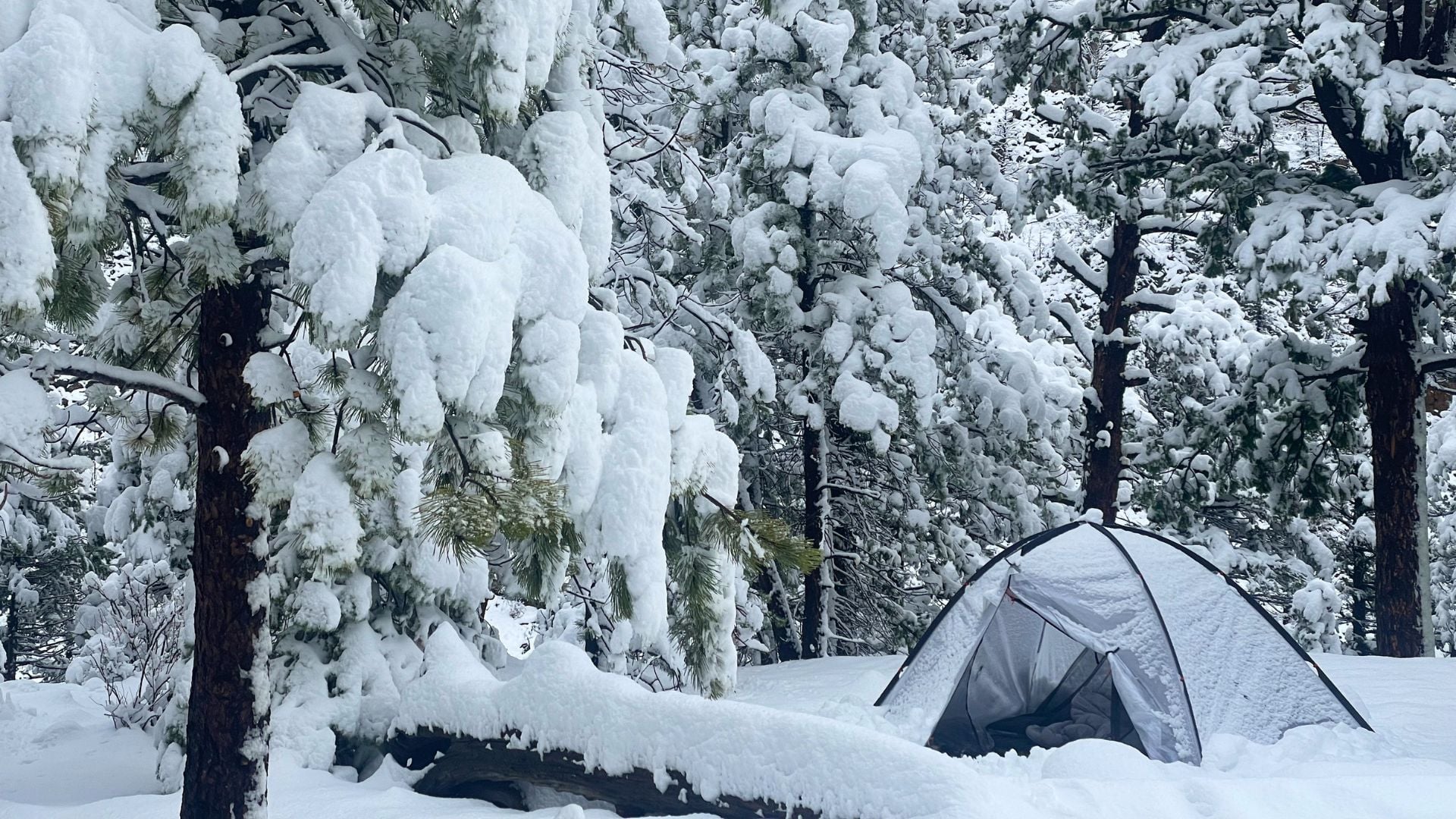
- Look Up: Scan the canopy directly above your tent site. Are there dead branches, "hang-ups," or trees with thinning crowns?
- Look Down: Is the soil around the base of the trees saturated or unstable? Are there signs of root upheaval?
- Check for Leans: Avoid pitching a tent beneath a tree with a significant lean, especially if the lean is toward your intended sleeping area.
- Weather Awareness: Wind is the primary trigger for tree failure. If the forecast calls for high winds, avoid camping in areas with a high density of dead standing timber (snags) or deep-forest stands where trees may have shallow root systems.
- The "Hammock Rule": Never attach a hammock to a tree that shows signs of decay, rot, or instability. Hammocks put lateral tension on a tree; if the tree is already compromised, you are essentially accelerating its failure.
A Mindset Shift
We must move away from the question, "Are trees dangerous?" to the more practical, "Am I about to spend the next several hours near trees or limbs that could fall?"
This is not a call to fear the forest. Millions of people camp safely under trees every year. Rather, it is an invitation to engage with the wilderness more deeply. By learning to "read" the forest—identifying the difference between a healthy, resilient stand and a decadent, failing one—you empower yourself to make better decisions.
Conclusion: Living with Risk
The outdoors is not a sterile environment; it is a living, breathing ecosystem where decay is as vital as growth. Falling trees are an inherent part of the life cycle of a forest. By acknowledging that these giants can and do fail, and by adopting a proactive approach to site selection, we can mitigate one of the few risks that nature throws our way without warning.
As you plan your next expedition, let the memory of those past tragedies serve not as a deterrent, but as a reminder to stay vigilant. The forest is grand and welcoming, but it demands our respect. When you choose your next campsite, take a moment to look up. It is the simplest, most effective safety protocol you can adopt. Your awareness is your best defense against the silent sentinel of the woods.