In a pivotal development for Japan’s renewable energy sector, Tokyo Electric Power Company (TEPCO) Renewable Power has officially initiated the Environmental Impact Assessment (EIA) process for a significant offshore wind farm project located off the coast of Choshi City, Chiba Prefecture. This strategic move marks a critical step toward revitalizing a site that has seen significant turbulence in recent years, signaling TEPCO’s intent to secure a dominant position in the nation’s evolving offshore wind landscape.
The proposed facility, which is expected to boast an installed capacity of up to 420MW, is set to occupy a 40km² promotion zone designated under Japan’s Act on Promoting the Utilisation of Sea Areas. By moving forward with the EIA, TEPCO is positioning itself as a lead contender in the forthcoming re-tender for the development rights of this high-potential marine area.
The Scope of the Proposed Infrastructure
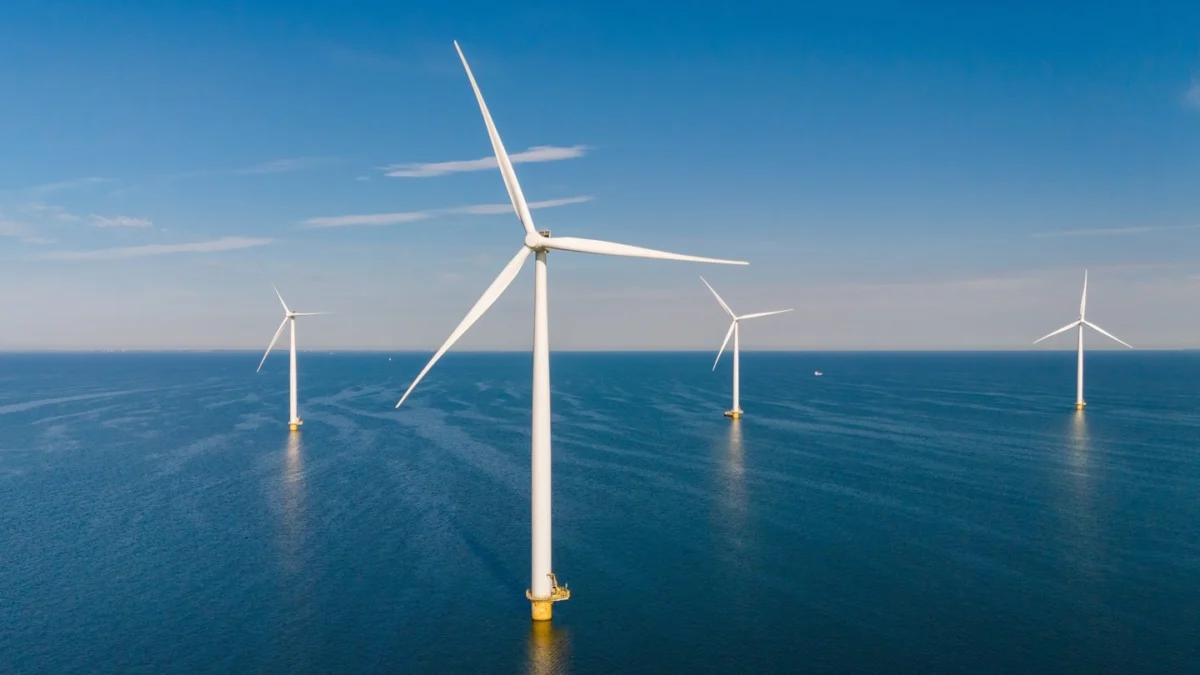
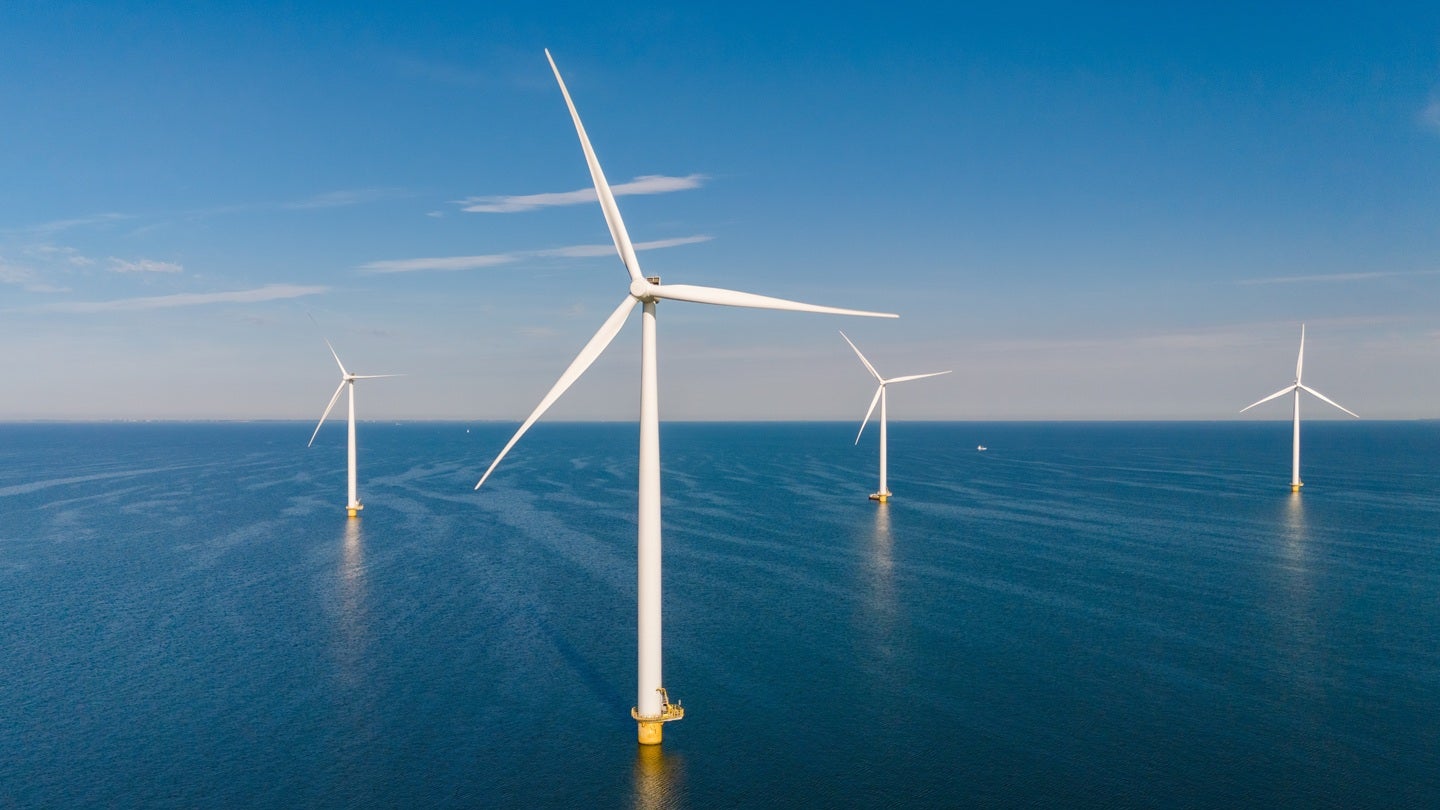
According to planning documents released for public inspection on 21 August 2026, the technical specifications of the project reflect the rapid advancement in wind turbine technology. TEPCO aims to deploy between 21 and 27 high-capacity wind turbines. Each unit is slated to have a capacity ranging from 15MW to 20MW, a substantial leap from the smaller, less efficient turbines contemplated in previous iterations of the site’s development.
The project is designed as a fixed-bottom offshore installation, leveraging the specific bathymetric and wind conditions found off the Choshi coast. The choice of fixed-bottom technology aligns with established industry practices in shallow-to-medium depth waters, providing a predictable and stable foundation for the massive infrastructure required to generate 420MW of clean energy.
A Chronology of the Choshi Offshore Wind Site
The history of the Choshi offshore wind site is a microcosm of the challenges and complexities facing Japan’s offshore wind ambitions. To understand the significance of TEPCO’s current initiative, one must examine the timeline of failed bids and shifting economic conditions.
The Initial Auction and Withdrawal
The site was originally a primary focus of Japan’s inaugural offshore wind auctions. In the early stages, a consortium led by TEPCO Holdings and Danish renewable energy giant Ørsted proposed a 370MW scheme. Their plan was ambitious, featuring up to 72 smaller turbines. However, after failing to secure a win in the highly competitive auction process, the consortium formally withdrew its bid in March 2022.
The Mitsubishi Stagnation
Following the withdrawal of the TEPCO-Ørsted partnership, a consortium led by Mitsubishi Corporation emerged as the designated developer. Mitsubishi had ambitious plans for a 403MW project and had progressed significantly, reaching the draft EIA stage by April 2024. However, the project faced insurmountable economic headwinds.
By August 2025, Mitsubishi announced its withdrawal from the project. The decision was attributed to a dramatic shift in global economic conditions, with construction costs for the project having more than doubled since the original bid. The collapse of the Mitsubishi plan left a void in the government’s offshore wind roadmap, necessitating a complete re-tender for the designated zone.
The TEPCO Renaissance
The current move by TEPCO Renewable Power represents a clean slate. By initiating the EIA on 20 August 2026, TEPCO is essentially "re-starting" the clock on the site. As the first developer to formally enter the EIA process following the previous developer’s exit, TEPCO is effectively setting the benchmark for the technical and environmental standards that the government will expect in the upcoming re-tender.
Supporting Data and Regulatory Framework
The project is governed by the Act on Promoting the Utilisation of Sea Areas, a legislative cornerstone introduced by the Japanese government to streamline the development of offshore wind power. This Act mandates a rigorous EIA process to ensure that large-scale infrastructure projects minimize their impact on marine biodiversity, fishing grounds, and local maritime traffic.
Environmental Compliance
The EIA process is not merely a bureaucratic hurdle but a critical instrument for public transparency. The current documentation, which covers the planning-stage environmental considerations, is available for public review from 21 August to 25 September 2026. These documents are housed at:
- The Chiba Prefecture Environmental Policy Division.
- Choshi City administrative offices.
- Various facilities in Asahi City.
By making these documents public, TEPCO is opening its technical and environmental assumptions to scrutiny from local stakeholders, including the influential local fishing cooperatives whose cooperation is vital for the long-term success of any offshore installation.
Implications for Japan’s Energy Transition
The reentry of TEPCO into the Choshi site carries profound implications for the Japanese energy sector, particularly as the nation strives to meet its 2050 carbon neutrality targets.
Technological Scaling
The transition from a 370MW project with 72 turbines to a 420MW project with a maximum of 27 turbines is indicative of a broader trend: the "upscaling" of offshore wind. Larger, more efficient turbines reduce the physical footprint of the wind farm relative to its power output, potentially lowering long-term operational and maintenance (O&M) costs. This shift is essential for making offshore wind commercially viable in an era of high interest rates and volatile commodity prices.
Economic Viability and Market Confidence
The withdrawal of the Mitsubishi consortium served as a stark warning about the risks of aggressive bidding in an inflationary environment. TEPCO’s new approach appears to be one of cautious optimism, grounded in updated cost projections that reflect the current market reality. The market will be watching closely to see if TEPCO’s bid succeeds in finding a "sweet spot"—a price point that is competitive enough to win the auction but robust enough to survive the multi-year construction phase.
Regional Economic Development
For the Choshi and Asahi regions, the project represents a significant source of long-term investment. Offshore wind projects of this scale typically involve the development of port infrastructure, specialized vessels, and local supply chain integration. The success of this project could cement Choshi as a major hub for renewable energy in the Kanto region, providing a catalyst for local economic revitalization and technical job creation.
Official Responses and Stakeholder Engagement
While TEPCO has not yet released a formal statement detailing its specific financial strategy for the re-tender, the submission of the EIA documents serves as a powerful signal of confidence. Industry analysts suggest that TEPCO is leveraging its deep institutional knowledge of the Choshi coastline—which it has studied extensively for over a decade—to mitigate the risks that caused its competitors to stumble.
Local governments, particularly the Choshi City administration, have generally been supportive of offshore wind development, viewing it as a way to transition from traditional industry to a greener, more sustainable model. However, the success of TEPCO’s engagement will depend on how effectively it addresses concerns regarding the impact on local fishing, which remains a cornerstone of the Choshi economy.
Conclusion: A New Chapter for Choshi
The commencement of the EIA process for the 420MW Choshi offshore wind farm is a landmark event. It signifies that despite the volatility of the past four years, the Japanese offshore wind sector is maturing. By applying lessons learned from previous withdrawals—namely the need for more realistic cost estimation and the necessity of high-capacity turbine technology—TEPCO is attempting to turn a stalled site into a showcase for the future of Japanese energy.
As the public inspection period concludes in late September 2026, the industry will pivot toward the formal re-tender. For TEPCO, this is more than just another infrastructure project; it is a test of its ability to lead Japan’s transition toward a decarbonized power grid. If successful, the Choshi wind farm will not only provide enough electricity to power hundreds of thousands of homes but will also provide a blueprint for how Japan can sustainably harvest its vast marine energy resources.