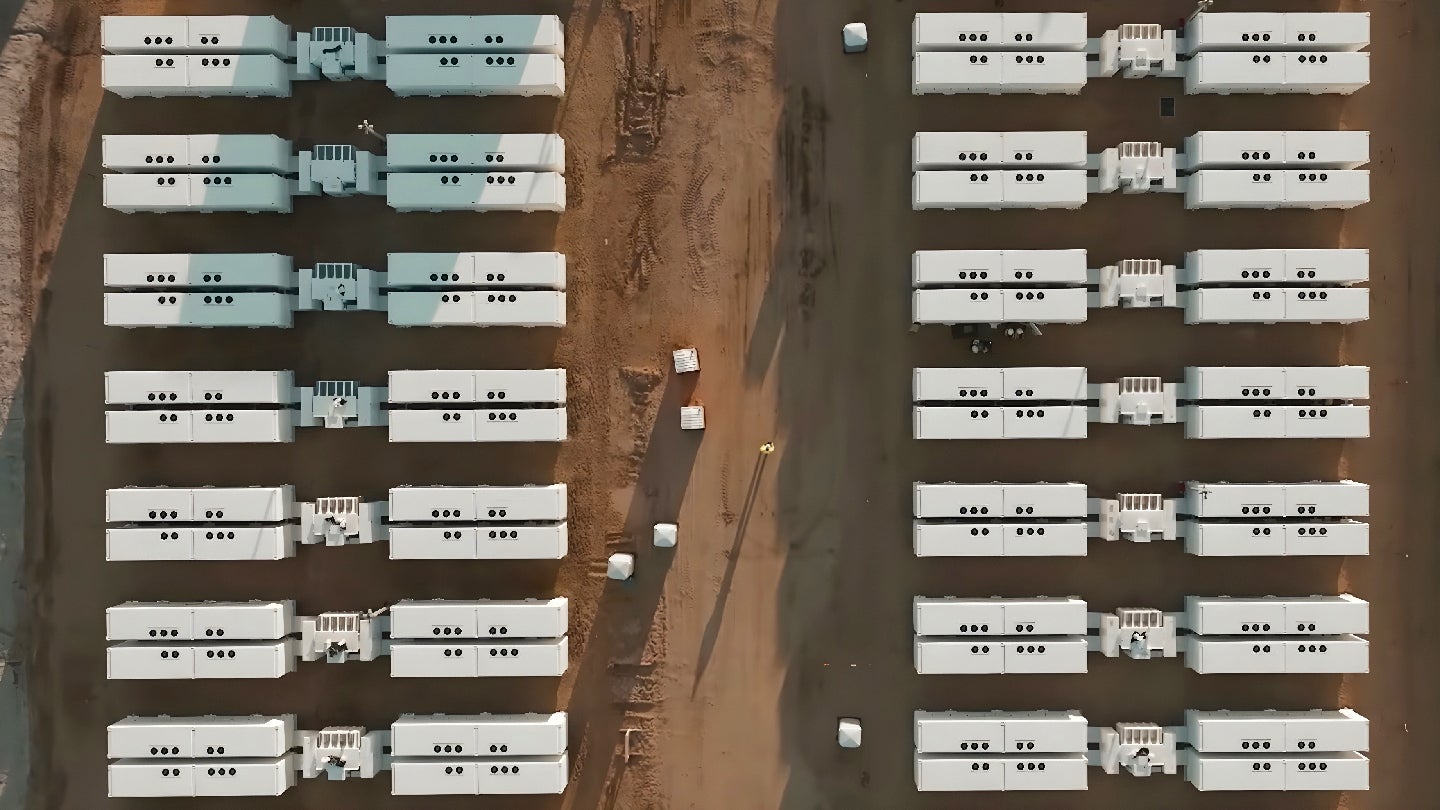
In a move that signals a seismic shift in India’s energy transition strategy, Ola Electric Mobility has announced a strategic memorandum of understanding (MoU) with Axis Energy to deploy up to 20 gigawatt-hours (GWh) of battery energy storage systems (BESS) by 2032. This partnership marks the inaugural large-scale deployment for "Ola Mahashakti," the company’s newly minted energy storage platform, which is slated for its official commercial launch on August 15.
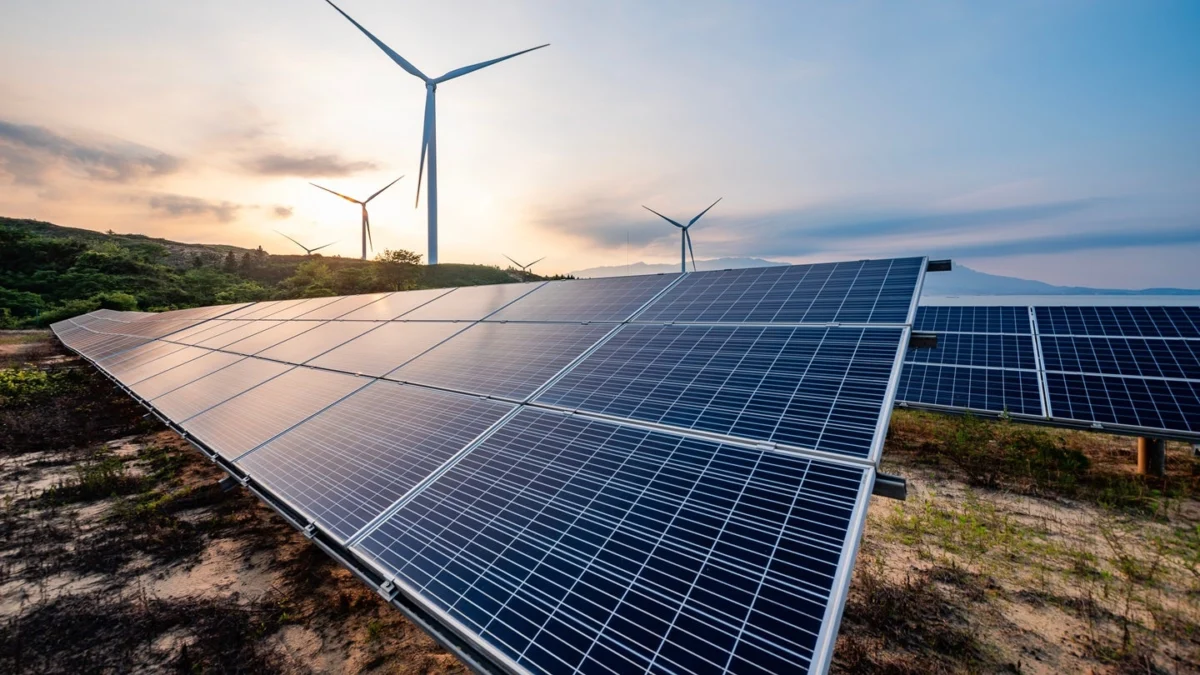
The collaboration represents more than just a business transaction; it is a fundamental alignment of India’s push for indigenous renewable infrastructure and the urgent requirement for grid-stabilizing storage solutions. By targeting a capacity of 20GWh, the companies are positioning themselves at the forefront of the nation’s effort to manage the intermittency of wind and solar energy, ultimately supporting the transition toward a firm, dispatchable, and continuous clean power grid.
Main Facts: The Scope of the Mahashakti Ambition
The core of the partnership involves a phased implementation strategy. Under the terms of the MoU, Ola Electric and Axis Energy have mapped out a trajectory that includes an annual ramp-up in capacity, aiming to hit a significant milestone of 5GWh per annum starting in 2028.
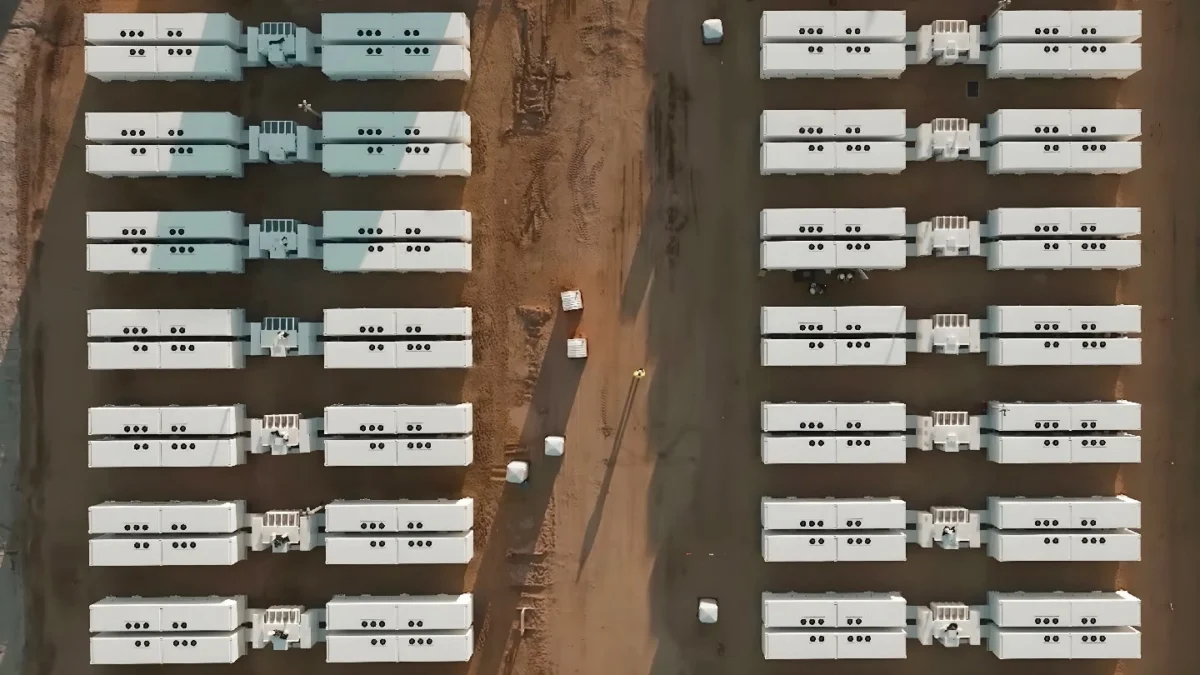
The Ola Mahashakti platform is designed to serve a diverse range of stakeholders, including industrial facilities, commercial enterprises, and utility-scale grid operators. Ola Electric’s entry into this space is backed by its signature vertically integrated business model. By controlling the entire value chain—from foundational cell technology and chemistry to complex system engineering—Ola aims to provide a competitive edge in safety, performance metrics, and overall supply chain resilience.
For the end-user, this integration promises a lower total cost of ownership (TCO), a critical factor in the rapid adoption of storage technology in a price-sensitive market like India. The partnership with Axis Energy serves as a "proof of concept" for the scalability of Mahashakti, demonstrating its capacity to handle the massive requirements of large-scale renewable projects.
Chronology of Development
The journey toward this collaboration is rooted in the broader national push for energy autonomy. The sequence of events leading to this announcement highlights the rapid acceleration of the BESS sector in India:
- Pre-2024: Axis Energy focuses on building a substantial pipeline of storage-integrated renewable projects, securing critical grid approvals for 3.75GW across the high-potential states of Rajasthan and Andhra Pradesh.
- August 2024: Ola Electric prepares for the official launch of the Mahashakti platform (scheduled for August 15), signaling its pivot from pure-play electric mobility to a broader energy technology provider.
- Mid-2024 (MoU Signing): The formal agreement between Ola Electric and Axis Energy is inked, establishing the roadmap for a 20GWh deployment over the next eight years.
- 2028 Target: The partners aim to reach an annual deployment capacity of 5GWh, marking the transition from initial pilot phases to full-scale industrial integration.
- 2032 Horizon: The end-date for the current MoU, by which time the partnership expects to have successfully integrated 20GWh of BESS capacity into the national grid, aligning with India’s long-term energy storage targets.
Supporting Data: The Magnitude of India’s Storage Needs
The scale of the Ola-Axis partnership is grounded in stark, data-driven necessity. According to projections from India’s Central Electricity Authority (CEA), the nation is staring at a massive energy storage deficit that must be bridged to meet its ambitious net-zero goals. The CEA estimates that India may require more than 400GWh of energy storage capacity by 2032 to balance the grid effectively.
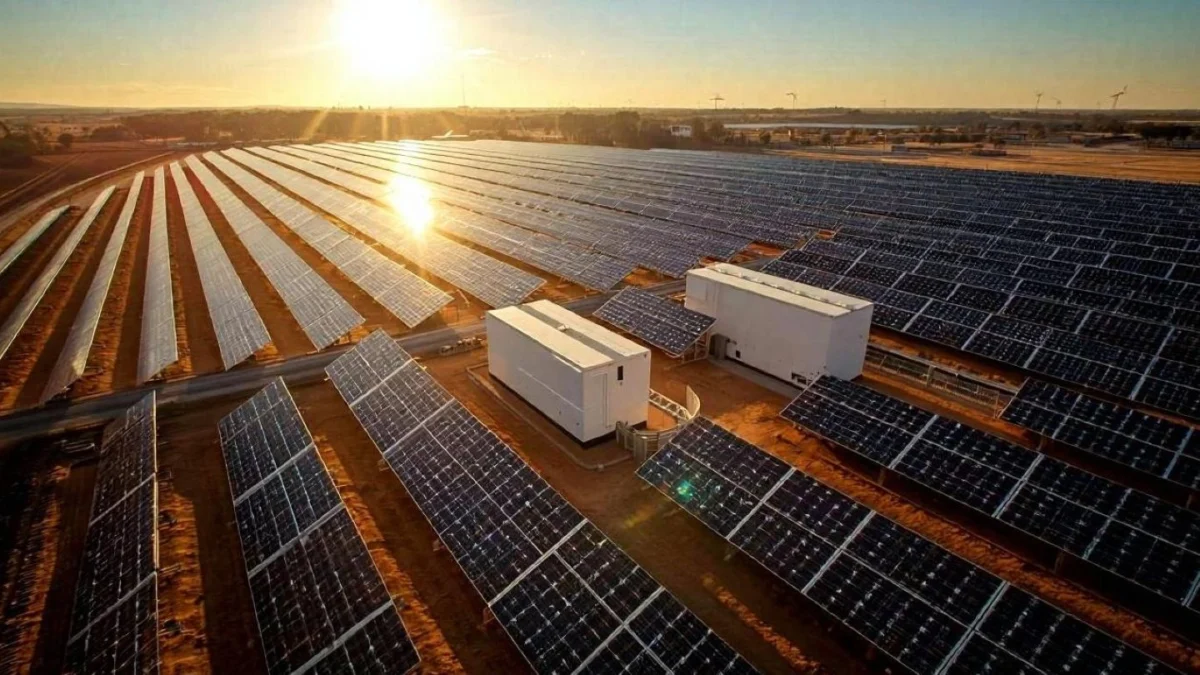
Axis Energy’s contribution to this ecosystem is already significant. Beyond its initial 3.75GW of approved projects, the company maintains a robust pipeline of approximately 3.5GW. These projects are not traditional solar farms; they are sophisticated, hybrid energy ventures that utilize wind-solar configurations and other non-solar energy sources.
The integration of these projects into the national grid is technically challenging. Without large-scale BESS, the sudden surges and drops in renewable generation can destabilize grid frequency. The 20GWh goal set by the partnership represents approximately 5% of the total national requirement estimated by the CEA, positioning the alliance as a major pillar of India’s grid modernization.
Official Responses and Strategic Rationale
The partnership has been welcomed by industry leaders as a necessary step toward the "round-the-clock" (RTC) clean energy dream.
Ravi Kumar Reddy Kataru, Chairman and Managing Director of Axis Energy Ventures, emphasized the existential nature of battery storage for modern renewable portfolios. "As our renewable energy portfolio continues to expand, battery energy storage is quintessential to enabling reliable, round-the-clock clean power," he stated. He further highlighted the strategic importance of the collaboration, noting that the MoU acts as a vital step in "evaluating indigenous battery storage solutions" that will directly support the next phase of India’s renewable growth.
For Ola Electric, this move is a logical extension of its existing expertise. By applying the same rigorous manufacturing and engineering standards used for its electric vehicle batteries to the stationary storage market, the company is leveraging economies of scale. Ola Electric’s leadership has consistently argued that domestic manufacturing of cell technology is the key to decoupling India’s energy future from global supply chain volatility.
Implications for the Energy Landscape
The implications of this partnership are far-reaching, affecting everything from industrial electricity costs to national energy security.
1. Grid Stability and Reliability
The primary impact of the Mahashakti platform will be the mitigation of renewable energy intermittency. By providing a buffer, these BESS units will allow renewable energy providers to offer "firm" power—energy that is guaranteed to be available even when the sun isn’t shining or the wind isn’t blowing. This is essential for replacing traditional coal-fired base-load power.
2. The Rise of Indigenous Technology
By focusing on locally designed and manufactured BESS, Ola Electric is supporting the "Make in India" initiative. This reduces the country’s reliance on imported lithium-ion systems, which have historically been subject to price fluctuations and geopolitical trade tensions. Local manufacturing also ensures that the technology is tuned to the specific environmental and grid conditions of the Indian subcontinent.
3. Industrial and Data Center Applications
The utility of the Mahashakti platform extends beyond the grid. The platform is explicitly targeting data centers—which require constant, uninterruptible power—and energy-intensive industrial applications. As India continues its digital transformation and expands its manufacturing base, the demand for reliable, green industrial power is set to skyrocket. This partnership provides a scalable solution for these sectors to meet their sustainability mandates without sacrificing operational uptime.
4. A New Competitive Frontier
The entry of a major player like Ola Electric into the utility-scale storage market is likely to spark a new wave of competition. As the company rolls out its vertical integration model, it puts pressure on incumbent energy storage providers to improve their cost structures and technological capabilities. This competitive environment is expected to drive down the cost per kilowatt-hour, accelerating the adoption of storage across the board.
Conclusion: A Turning Point for India’s Power Sector
The alliance between Ola Electric and Axis Energy is a harbinger of the next chapter in India’s energy evolution. As the country moves from a nascent renewable sector to a mature, grid-integrated system, the ability to store and manage power will define success.
By committing to a 20GWh deployment, the two companies are providing a clear blueprint for how the private sector can catalyze national policy goals. With the Mahashakti platform set to launch this August, the industry will be watching closely to see how the partnership manages the complex engineering, regulatory, and logistical hurdles of scaling up to 5GWh annually. If successful, this partnership could serve as the bedrock upon which India builds its reliable, 24/7 clean energy future, proving that sustainability and high-performance industrial growth can go hand-in-hand.