For millions of people, the morning begins not with a stretch, but with a sharp, searing pain in the heel that serves as an unwelcome reminder of their physical limitations. Plantar fasciitis, a common yet debilitating condition characterized by inflammation of the tissue along the bottom of the foot, has long been the primary obstacle for athletes, weekend warriors, and the average individual alike. While the standard medical advice often leans toward orthopedic inserts, anti-inflammatory medication, or temporary massage therapy, a new wave of physical rehabilitation is challenging the status quo.
Jake Blundell, the rehabilitation specialist and social media influencer widely known as "Elastaboy," is leading a charge that prioritizes movement over medication. With a following in the millions, Blundell is advocating for a shift in perspective: instead of merely "muting" the pain, he suggests that active, targeted stretching is the key to building foot resilience and reclaiming physical freedom.
Understanding the Anatomy of Heel Pain
To understand why Blundell’s approach is gaining traction, one must first understand the anatomy involved. The plantar fascia is a dense, ligament-like band of tissue that functions as the structural foundation of the foot. Stretching from the heel bone to the toes, this fibrous structure is responsible for maintaining the arch of the foot and absorbing the shock of every step we take.
When this structure is subjected to repetitive micro-trauma—whether through intense athletic training, ill-fitting footwear, or structural imbalances—the fascia becomes inflamed. This condition, known as plantar fasciitis, transforms a natural gait into a painful ordeal. The pain is typically most acute during the "first step" of the morning, when the fascia has tightened overnight, making the act of bearing weight a daunting challenge.
The Limitation of Conventional Management
For decades, the standard response to plantar fasciitis has been passive: icing, resting, and relying on analgesics to dull the discomfort. Blundell argues that while these methods provide immediate, short-term relief, they fail to address the root cause of the injury.
"Massage isn’t bad," Blundell notes. "It can temporarily reduce pain and make walking feel more comfortable. But if that’s all you are doing, you’re only turning the pain volume down. You’re not making your foot more resilient."
In the eyes of modern rehabilitation experts, relying solely on passive therapies can be counterproductive. By neglecting the structural integrity and flexibility of the fascia, patients often find themselves stuck in a cycle of recurring pain, never truly allowing the tissue to adapt and strengthen.
The Elastaboy Protocol: Three Pillars of Recovery
Blundell’s philosophy centers on the idea that the body is an adaptive machine. By introducing controlled stress through specific movements, we can force the tissue to remodel, heal, and become more capable of handling daily loads. He suggests three specific exercises to begin this process.
1. The Toe Extension Stretch
The goal of this movement is to lengthen the fascia that has become tight and brittle.
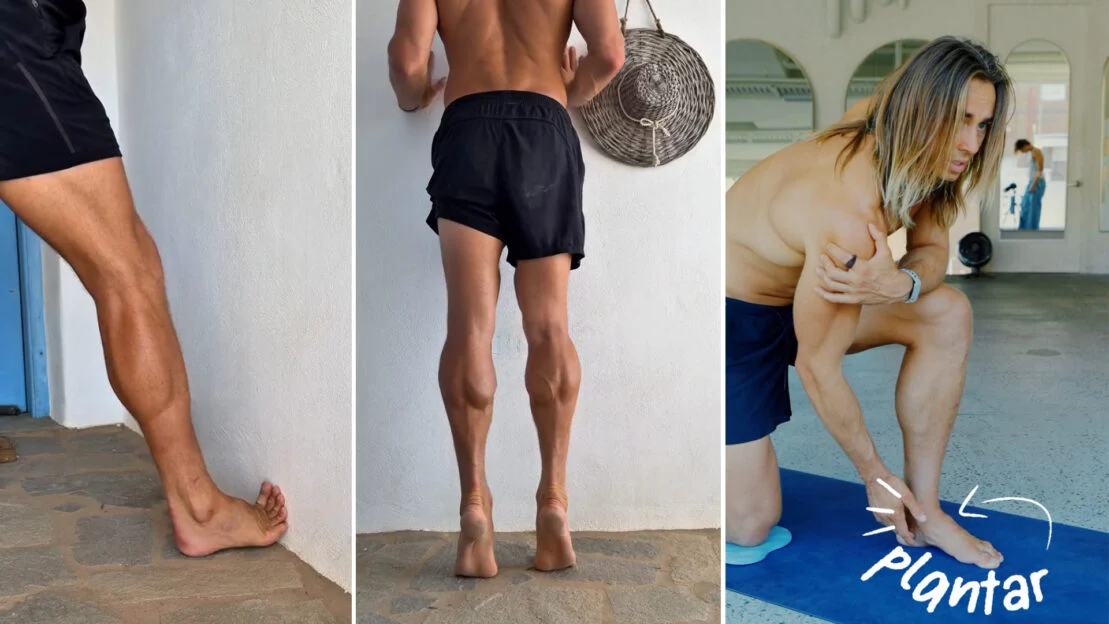
- The Technique: Stand facing a wall. Place your toes against the vertical surface while keeping your heels firmly planted on the ground. As you feel the tension build, slide your foot down so the toes remain angled upward while the sole of the foot stays flat against the floor.
- The Benefit: This position places the plantar fascia under a sustained, controlled stretch, helping to break up adhesions and increase the range of motion that is often lost during the inflammation cycle. Blundell recommends holding this position for 30 seconds to allow the tissue to adapt.
2. Single Leg Slow Calf Raises
The calf muscles (gastrocnemius and soleus) are inextricably linked to the health of the foot. Tight calves often pull on the heel, exacerbating the tension in the plantar fascia.
- The Technique: Stand on a flat surface and rise onto your toes. If you are looking to improve balance and symmetry, perform this on one leg. If that proves too difficult or painful, modify the exercise by performing it while seated or using both legs simultaneously.
- The Benefit: By strengthening the lower leg, you redistribute the load that the foot is forced to carry. A stronger calf acts as a shock absorber, reducing the immediate stress on the arch of the foot during movement.
3. Manual Foot Manipulation
Blundell emphasizes the importance of tactile control. He advises individuals to spend several minutes a day actively spreading, lifting, and manipulating their toes and arches. This manual work serves to increase proprioception—the body’s ability to sense its position in space—and ensures that the small muscles within the foot remain active and engaged, rather than atrophied and stiff.
The Chronology of Healing: Measuring Success
One of the most critical aspects of the "Elastaboy" approach is the methodology of self-assessment. Blundell does not promise a "quick fix" but rather a strategic, data-driven recovery process.
The primary metric for success is the "First Step Test." By monitoring the pain levels during the first few steps taken in the morning, patients can gauge the effectiveness of their routine. If the pain remains stable or begins to subside, the program is working. If the pain increases, it is a clear indicator that the load, duration, or intensity of the exercises must be adjusted. This iterative process empowers the individual to take charge of their own healing, transforming them from a passive patient into an active participant in their recovery.
Official Perspectives and Medical Context
While Blundell’s approach is highly regarded by many in the fitness and wellness community, it is essential to consider this within the broader scope of sports medicine. Most podiatrists and physical therapists agree that stretching is a cornerstone of recovery, yet they often emphasize the importance of ruling out structural abnormalities, such as bone spurs or systemic inflammatory conditions like rheumatoid arthritis, before beginning an aggressive stretching regimen.
The consensus among medical professionals is that while gentle movement is superior to total immobilization, persistent pain should never be ignored. If an individual fails to see improvement after several weeks of consistent, disciplined rehabilitation, clinical assessment is non-negotiable. There may be underlying biomechanical issues—such as overpronation or fallen arches—that require orthopedic intervention or custom orthotics in addition to a stretching program.
The Implications for Long-Term Longevity
The implications of shifting toward an active recovery model for plantar fasciitis are significant. If, as Blundell suggests, we can improve our resilience through consistent, low-impact exercise, we can potentially reduce the long-term reliance on invasive treatments like corticosteroid injections or, in extreme cases, surgery.
This shift reflects a broader trend in health and wellness: the move away from "quick-fix" culture toward a model of longevity and functional maintenance. By viewing the body as a system that requires regular, disciplined upkeep, we move closer to a state where injury is not an inevitable consequence of aging or activity, but a manageable hurdle in our physical journey.
"If your pain keeps getting worse, or hasn’t improved after several weeks of consistent rehab, it’s time to get assessed," Blundell reminds his audience. "There may be something else going on."
Conclusion: The Path Forward
Plantar fasciitis is a formidable opponent, capable of stalling even the most dedicated athletes. However, the path to recovery is not found in a pill bottle or a fleeting massage session. It is found in the floor-level work of stretching, the consistency of daily movement, and the willingness to listen to the body’s feedback.
Jake "Elastaboy" Blundell’s approach offers a blueprint for those tired of the cycle of pain. By combining structural anatomy with intelligent, progressive exercise, we can begin to mend the fibers of the feet and walk forward with confidence. For those ready to move past the pain, the answer may be as simple as standing up and taking that first, controlled stretch.
For those seeking to follow the continued educational content and routines provided by Jake Blundell, you can find him on Instagram under the handle @elastaboy. Always consult with a healthcare professional before beginning a new exercise program, particularly if you are experiencing severe or chronic pain.