In the quiet rhythms of a Finnish summer, few things are as rewarding as the harvest of the Fabaceae family. Whether it is the snap of a fresh sugar pea or the earthy, robust yield of a broad bean, legumes—or pulses—represent one of the most vital components of a sustainable garden. Beyond their culinary versatility, they act as the silent engineers of the soil, enriching the earth through a symbiotic relationship with nitrogen-fixing bacteria. As we reach the height of the growing season, it is time to celebrate these botanical treasures that provide not only sustenance for the table but vitality for the garden bed.
The Botanical Marvel: Soil Health and Nitrogen Fixation
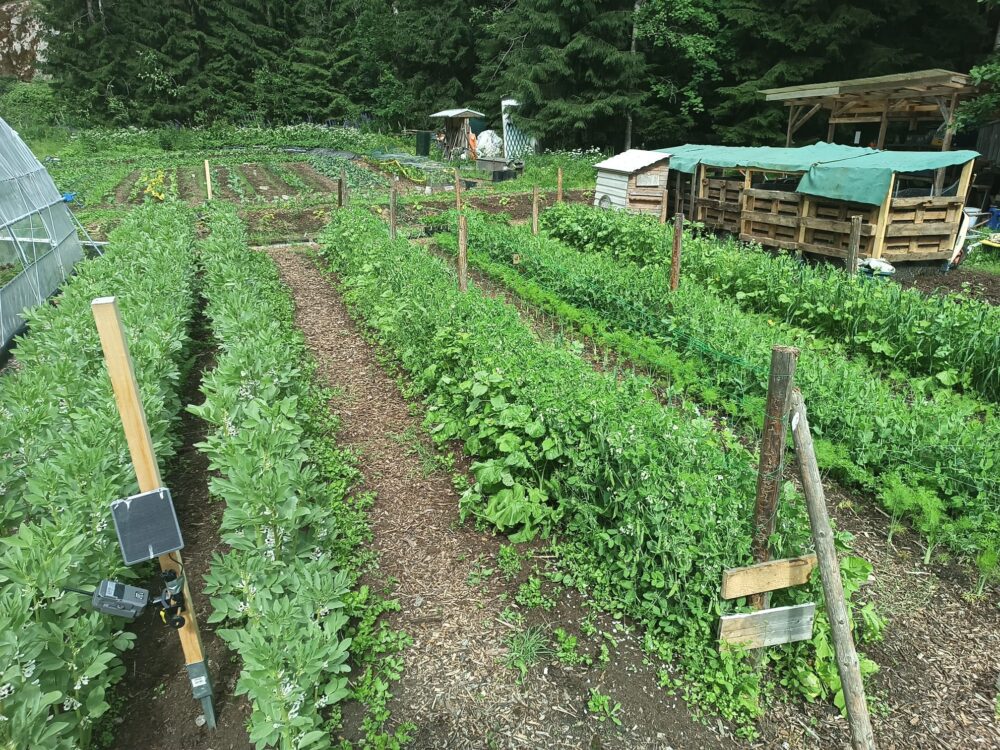
At the core of the legume’s importance is its unique biological superpower. While most plants deplete the soil of nitrogen, legumes work in tandem with Rhizobium bacteria residing in their root nodules. These bacteria capture atmospheric nitrogen and convert it into a form that plants can absorb, effectively fertilizing the soil for themselves and their neighbors.
For the home gardener, this makes legumes an essential "companion plant." Incorporating peas, beans, or vetches into a rotation cycle is a time-honored method of soil management. By planting legumes, gardeners can naturally improve the fertility of their plots, creating a lush, nutrient-dense environment for future crops that crave nitrogen-rich soil. This natural process is the foundation of sustainable agriculture and a cornerstone of permaculture design.
A Chronological Harvest: From Spring Shoots to Autumn Tubers
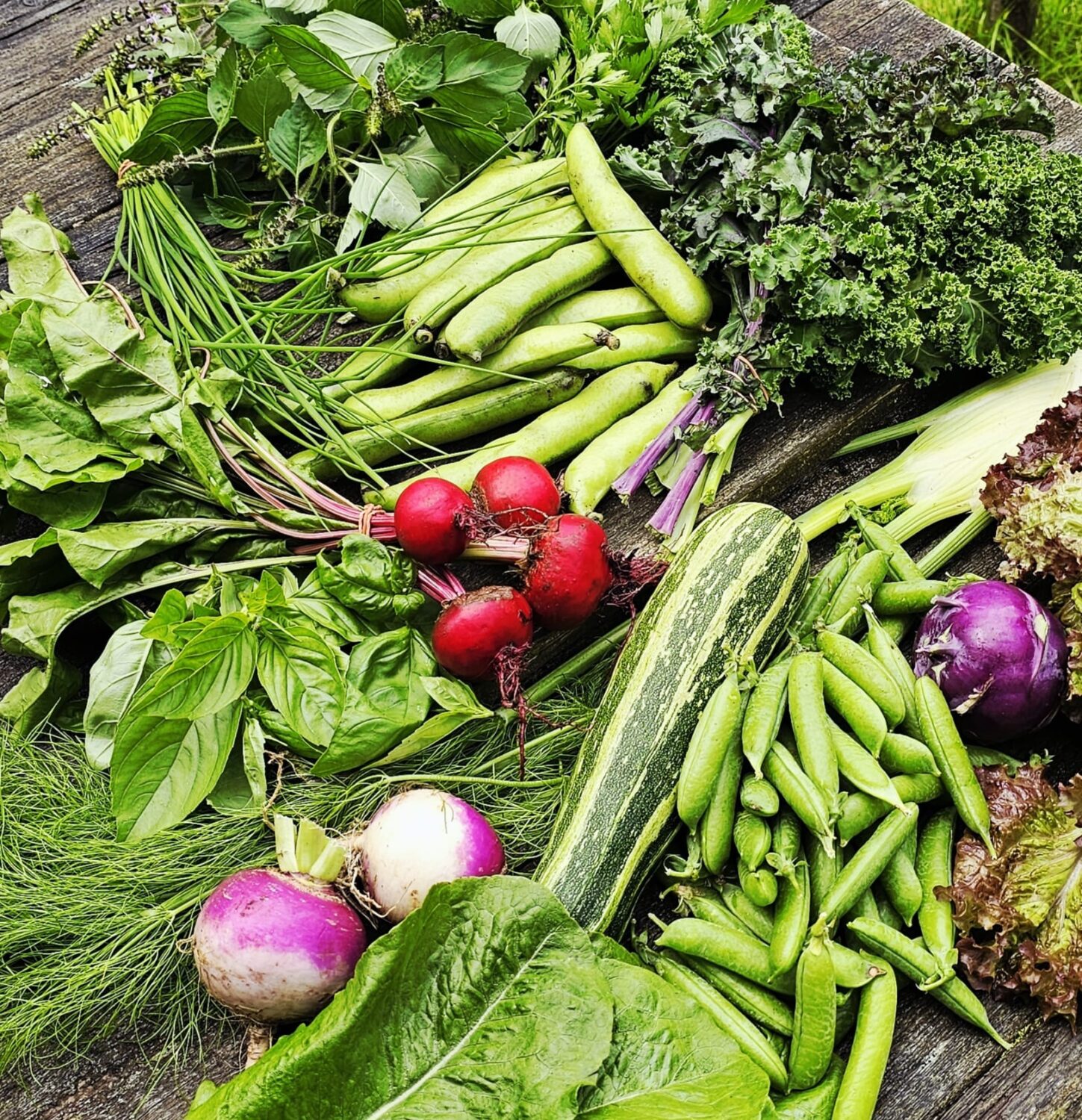
The cycle of the legume harvest begins long before the main summer crops are ready. In the early spring, while the garden is still waking from its winter slumber, pea shoots become a vital source of fresh, vibrant greens. These tender sprouts, often harvested during the process of thinning out seedlings, provide a burst of nutrients at a time when the rest of the vegetable patch remains sparse.
Early Summer: The Sugar Pea Season
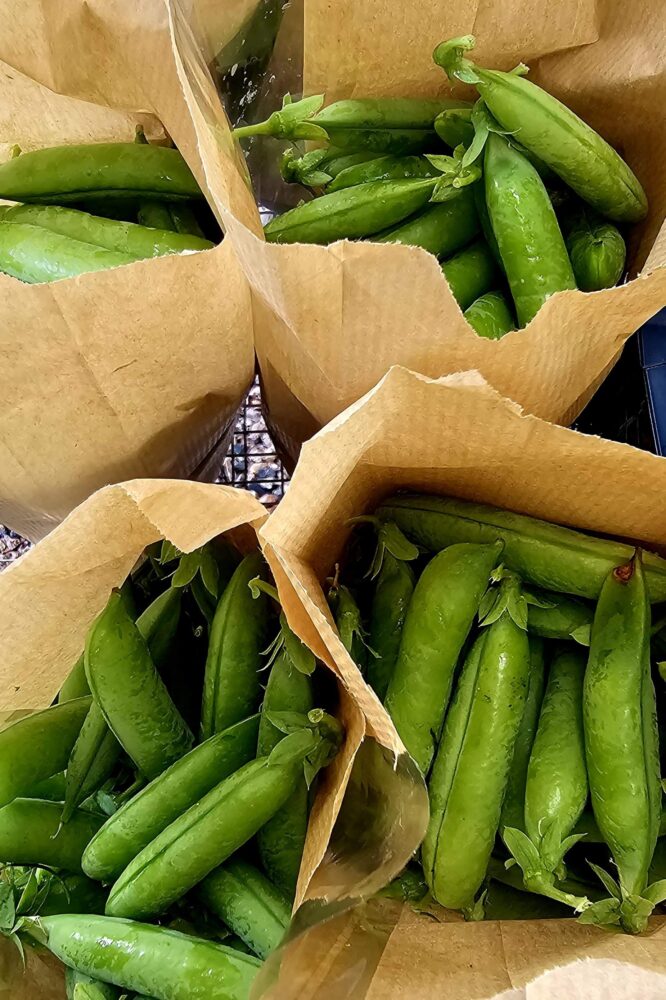
As the daylight stretches toward the solstice, the first major harvest arrives in the form of sugar peas (Pisum sativum). Unlike traditional shelling peas, these "snap" varieties, such as the reliable Norli, are consumed whole. Their crisp texture and delicate sweetness make them a staple for midsummer salads and stir-fries. In a successful year, these peas are often ready for harvest before the Midsummer festivities, serving as the season’s first true bounty.
Mid-July: The Arrival of Shelling Peas
By mid-July, the garden shifts focus to the traditional shelling peas. Varieties like Ambassador have become favored for their consistency and yield. While the temptation to cook these in a classic pea soup is high, their flavor is so superior when eaten raw that they rarely make it from the garden bed to the kitchen pot. For many gardeners, the immediate satisfaction of eating them straight from the pod is the quintessential experience of a Finnish summer.
Late Summer: The Broad Bean and Green Bean Era
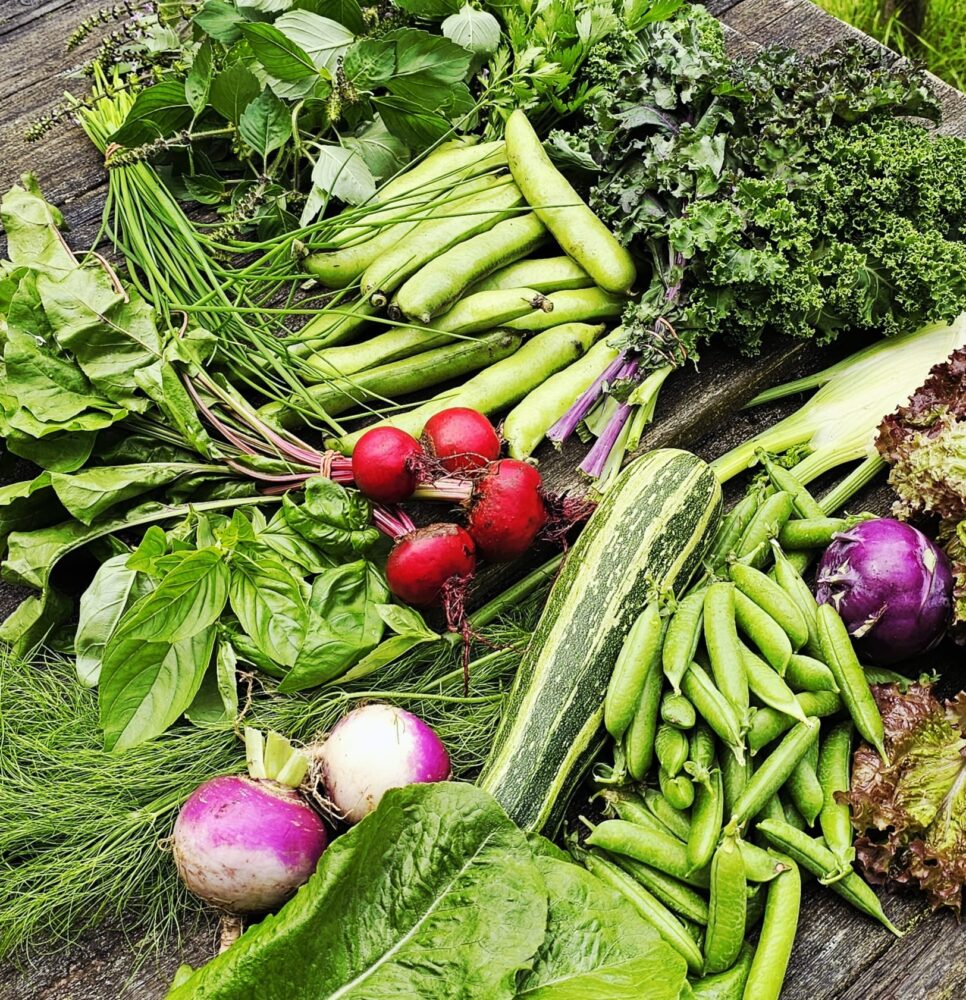
As the shelling peas fade, the broader world of Vicia faba (broad beans) and Phaseolus vulgaris (common beans) takes center stage. Broad beans, such as the Ratio and Hangdown varieties, require sturdy support due to their height and the weight of their pods. Meanwhile, green beans like Marona provide a steady, reliable supply of crisp, round pods. For those seeking visual flair, borlotti beans like Sanguigno offer beautiful, marble-patterned pods that add an aesthetic dimension to the vegetable patch.
Culinary Versatility: Traditional Wisdom and Modern Innovation
Legumes have served as a cornerstone of human nutrition for millennia. From the ful medames of Ethiopia and North Africa—a staple breakfast dish of stewed broad beans, onions, and tomatoes—to the diverse pulse-based diets of Mexico and the Middle East, these plants are central to global food security.
The Art of Fermentation
One of the most significant challenges with legumes is digestibility. High in complex carbohydrates that can be difficult for the human gut to process, pulses are sometimes associated with gastrointestinal discomfort. However, ancient techniques like fermentation offer a solution. By soaking and fermenting beans and peas in a mild salt brine (approximately 3%), gardeners can significantly improve the digestibility of their harvest. Fermentation not only softens the beans but also enhances their nutrient bioavailability, transforming them into a gut-friendly superfood.
Broad Beans: A Gourmet Delicacy
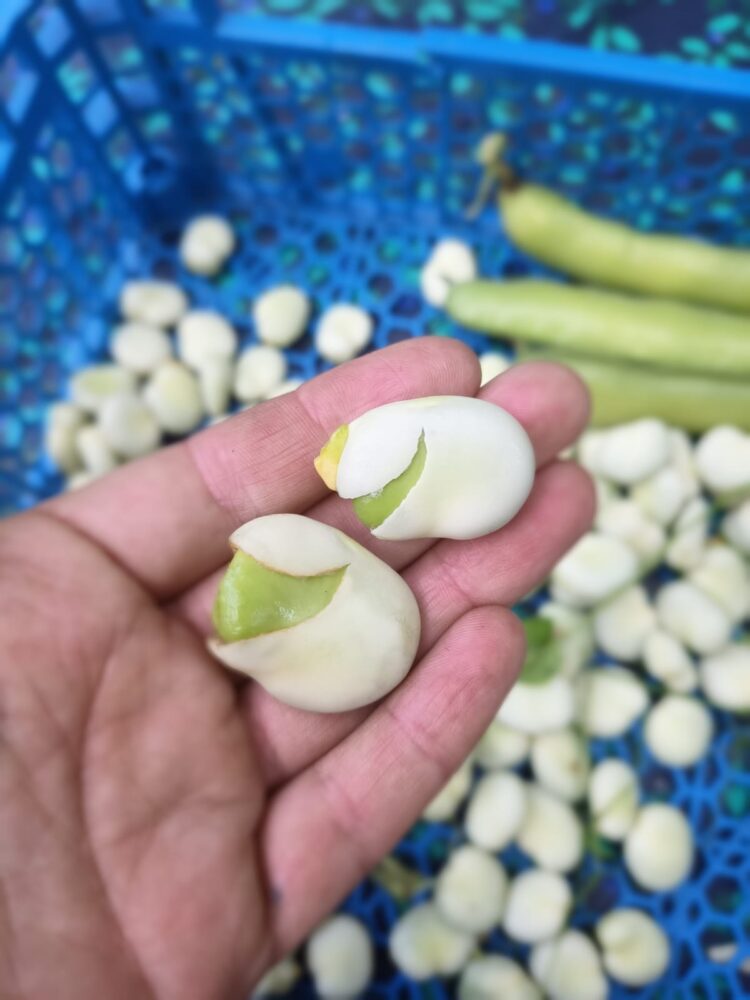
Broad beans, often overlooked in modern supermarkets in favor of more convenient options, deserve a culinary renaissance. While they require a bit more preparation—shelling, boiling for 5–10 minutes, and sometimes removing the secondary skin—the result is a vibrant, emerald-green delicacy. When lightly mashed and served on sourdough toast with a touch of dill, they rival any high-end appetizer. Their presence at a dinner table is a testament to the effort put into the garden; they are the "green gold" of the late summer harvest.
Supporting Data: The Nutritional and Ecological Profile
Legumes are more than just a culinary preference; they are a nutritional powerhouse. High in protein, fiber, iron, and folate, they provide an essential plant-based protein source that is both affordable and environmentally sustainable.
From an ecological perspective, the inclusion of legumes in crop rotation reduces the need for synthetic nitrogen fertilizers, which are energy-intensive to produce and can lead to water pollution through runoff. By managing a garden or farm to maximize the symbiotic nitrogen-fixation of legumes, growers can sequester carbon and improve soil structure, creating a more resilient ecosystem against the fluctuations of a changing climate.
Implications for Future Cultivation
As we look toward the future of home gardening and small-scale agriculture, the role of the legume is set to grow. With an increasing public interest in plant-based proteins and local food systems, the humble bean and pea are moving from the outskirts of the garden to the center of the plate.
Moreover, the exploration of perennial legumes, such as the tuberous pea (Lathyrus tuberosus), opens new doors for gardeners. These plants, which produce edible, chestnut-flavored tubers, represent the potential for diverse, multi-functional gardens that yield both above-ground and below-ground harvests. Experimentation with such varieties ensures that the tradition of gardening continues to evolve, incorporating both ancient wisdom and modern botanical curiosity.
Conclusion: A Call to the Soil
The success of a legume harvest is, in many ways, a reflection of the gardener’s patience and dedication. From the first tender pea shoots of spring to the late-summer bounty of broad beans, the process is one of constant learning and connection with the land.
Whether you are a seasoned gardener with decades of experience or a novice just planting your first row of Norli peas, the message remains the same: embrace the legume. Enrich your soil, diversify your diet, and take the time to appreciate the incredible, complex world of the Fabaceae family. As the harvest season peaks, may your baskets be full, your soil be nourished, and your kitchen be filled with the simple, earthy joy of a summer well-grown.