Main Facts: The Philosophy of Regenerative Gardening
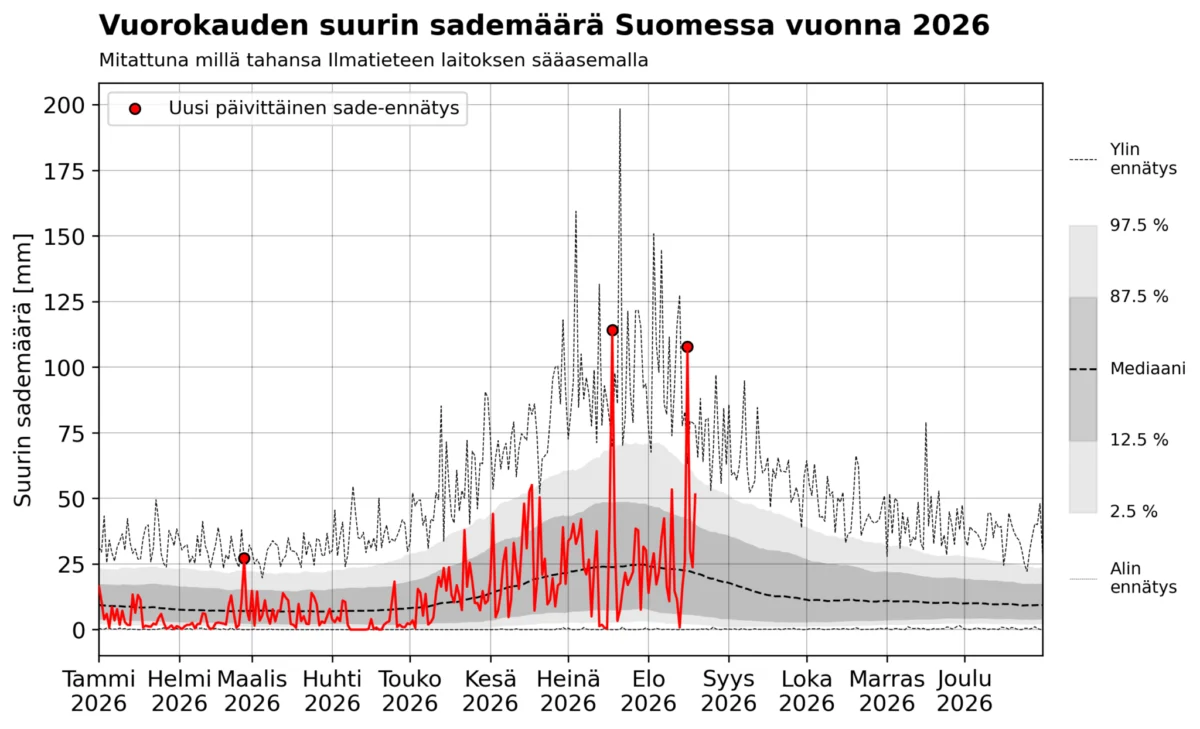
As the 2026 harvest season matures, gardeners in Korso are reflecting on a cycle defined by stability and growth. Following the notably challenging conditions of 2025, this year has provided a much-needed reprieve, offering a bountiful return for those who prioritized soil health over chemical intervention.
The fundamental premise of successful gardening is simple yet profound: a plant’s health is an inseparable reflection of the soil it inhabits. When the soil is alive—teeming with microbial activity, balanced in its mineral composition, and rich in humus—plants naturally develop the internal resilience required to withstand pests, diseases, and climatic volatility. In this article, we explore the methodology of building this ecosystem, the science of nutrient balance, and the practical application of these principles in the home garden.
Chronology: From Seedling to Harvest
The journey toward a healthy harvest begins long before the first sprout emerges. Successful cultivation follows a disciplined timeline:
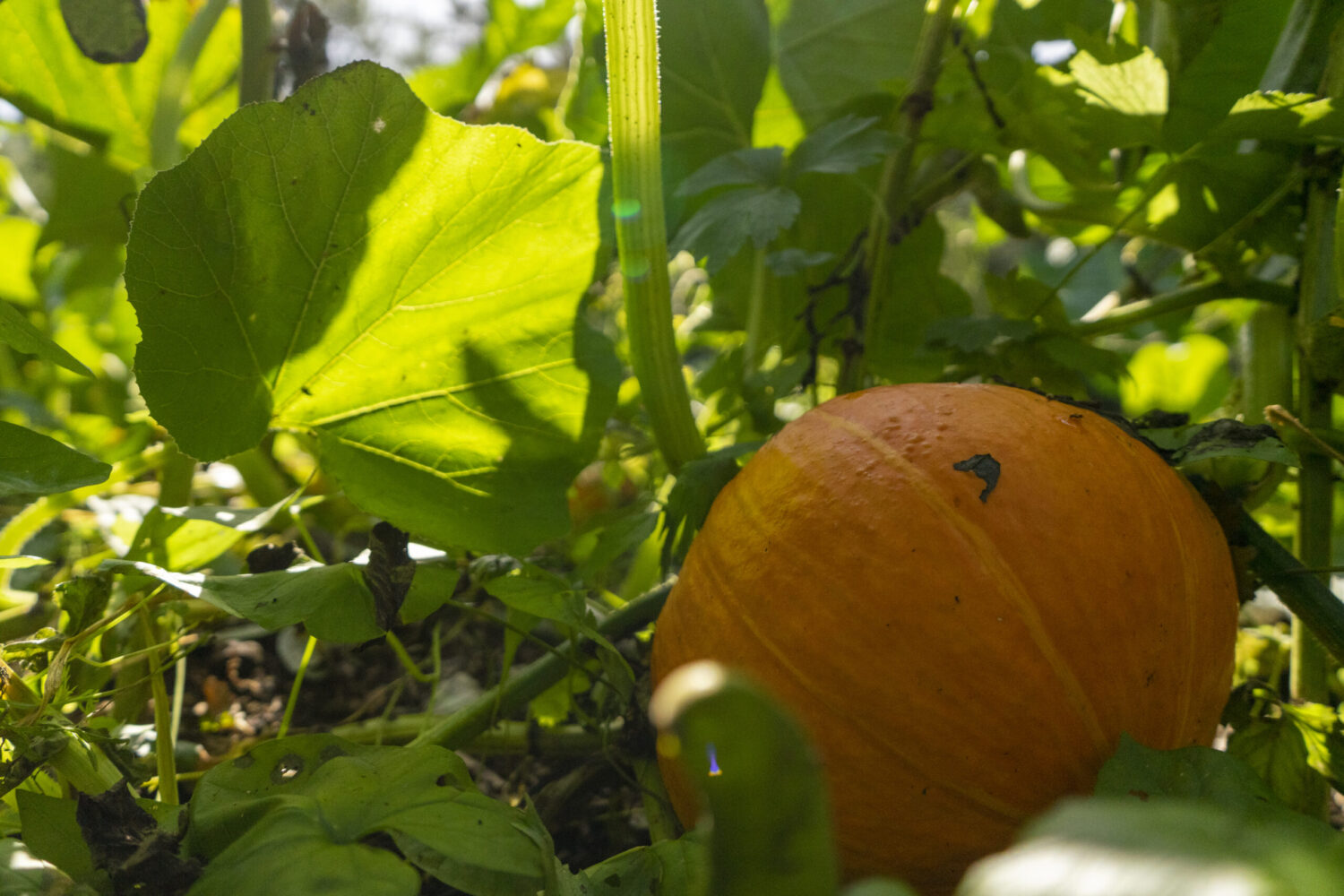
- Early Spring (Preparation Phase): The focus is on soil structure. By applying high-quality compost and microbial stimulants, gardeners prepare the "living foundation" that will sustain plants for the next six months.
- Late Spring (The Growth Phase): As seedlings establish, the priority shifts to maintaining steady nutrient availability. Rather than relying on synthetic "quick-fix" fertilizers, gardeners utilize biological inoculants and organic amendments to ensure a consistent supply of nitrogen, phosphorus, and potassium.
- Mid-Summer (The Maintenance Phase): As environmental pressures—such as heat waves or pest surges—increase, the gardener’s role shifts to monitoring. This is when the plant’s "internal defense system" is tested. Healthy plants that have photosynthesized efficiently throughout the spring are better equipped to produce secondary metabolites, which serve as natural chemical defenses against herbivores.
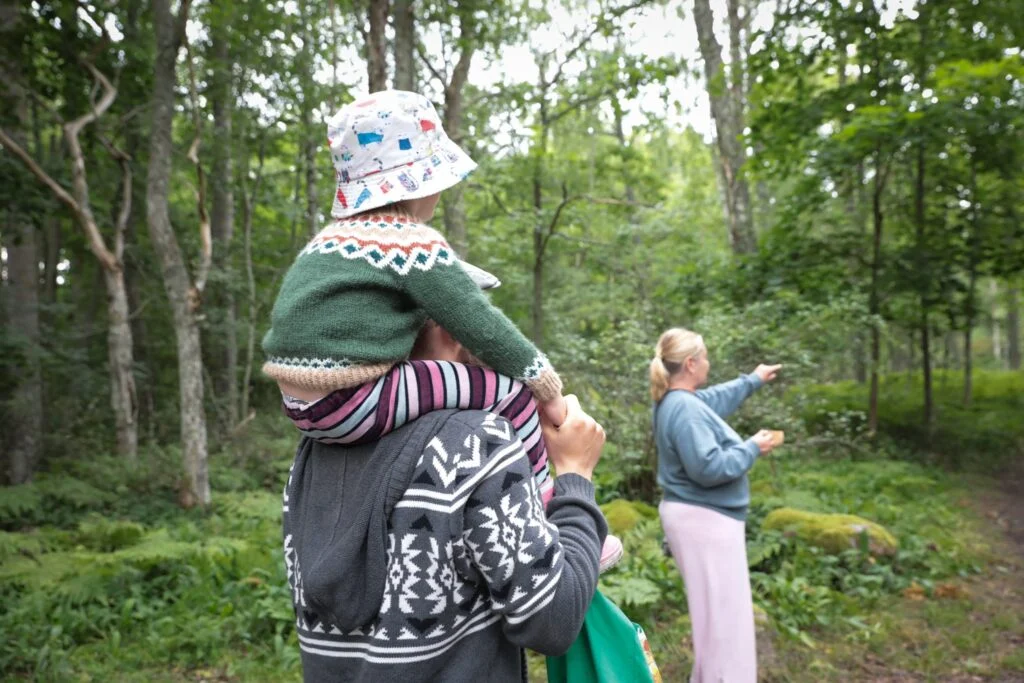
- Late Summer/Autumn (The Harvest Phase): This is the culmination of the cycle. By late summer, many gardeners turn their attention to wild foraging to supplement their cultivated crops, creating a bridge between managed beds and the surrounding natural ecosystem.
Supporting Data: The Science of Soil Health
Plants are immobile; they cannot flee when environmental conditions turn unfavorable. Therefore, their survival is entirely dependent on the ecosystem surrounding their root zone.
The Nutrient Hierarchy
While nitrogen, potassium, and phosphorus (NPK) remain the pillars of traditional agricultural discourse, modern soil science highlights the critical role of micronutrients. Boron, zinc, and molybdenum act as essential catalysts for enzymatic processes within the plant. Without these trace elements, plants struggle to convert absorbed nitrogen into proteins, leading to stunted growth and weakened structural integrity.
The Role of Microbes
The most significant shift in contemporary gardening is the move away from chemical salts toward biological symbiosis. When plants interact with beneficial soil microbes, they gain access to nutrients that were previously "locked" in the soil matrix.
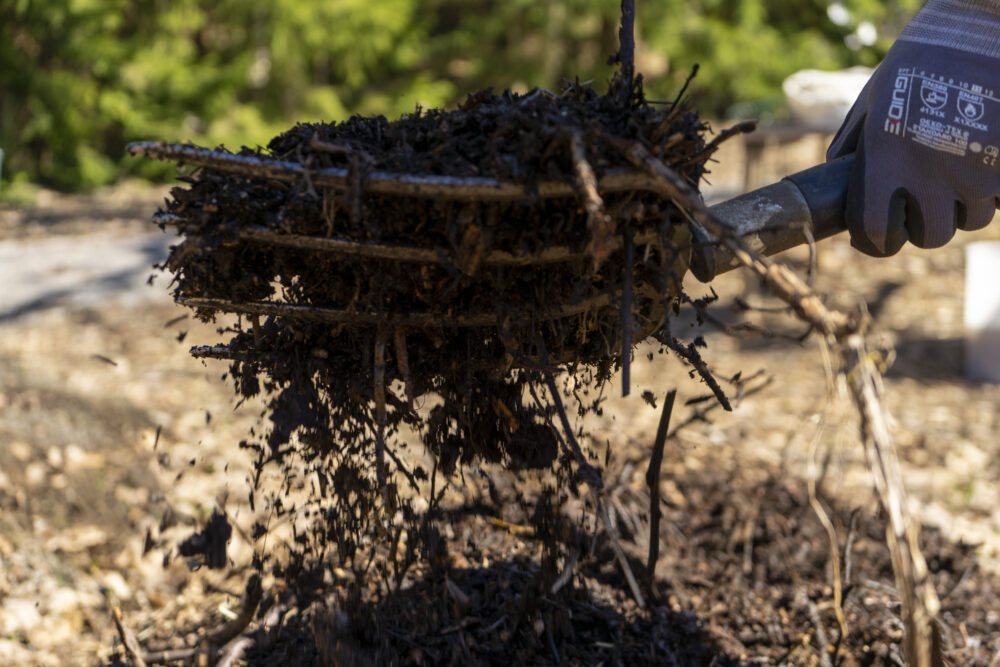
- Mineralization: Microbes break down complex organic matter, releasing essential minerals in a plant-available form.
- Energy Allocation: When a plant is nourished via a healthy microbial network, it doesn’t just survive—it thrives. It has surplus energy to produce fatty acids and secondary metabolic compounds, which improve the plant’s nutritional profile for human consumption.
The "Gold Standard" of Compost
A high-quality compost pile is not merely a waste management tool; it is a biological powerhouse. It should smell like the forest floor—a scent indicative of active, aerobic decomposition and high fungal/bacterial diversity. To enhance this, many gardeners now incorporate:
- Rock Dust (Kivituhka): Provides a slow-release source of trace minerals.
- Seaweed Extract (Merilevä): A rich source of phytohormones and minerals that stimulate root growth.
- Beneficial Microbial Inoculants (HM-Hapate): Homemade ferments, often using Bokashi methods, that introduce lactic acid bacteria and yeast into the soil, suppressing pathogens and accelerating organic matter breakdown.
Official Perspectives and Expert Insights
The "Humus Campaign" (Humuskampanja), a long-running initiative in Finland, has been instrumental in educating the public on these practices. By partnering with early childhood education centers, the campaign has successfully translated complex soil science into practical, community-driven projects. Their research emphasizes that increasing soil humus levels is the most effective way to combat soil compaction and nutrient leaching.
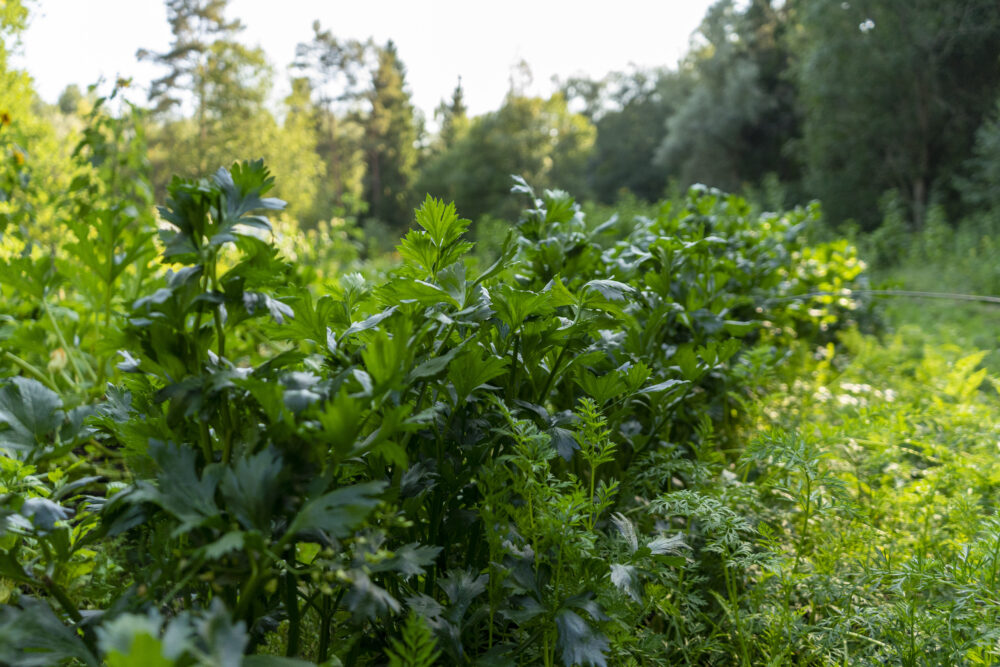
Furthermore, gardening experts note that protection must be twofold: internal (through plant health) and external (through physical barriers). In Southern Finland, for instance, the presence of deer and elk makes it virtually impossible to grow certain crops—such as Beta vulgaris (beetroot/chard)—without robust, physical fencing. Relying on "natural resistance" is not a substitute for sensible, protective infrastructure in areas with high wildlife pressure.
Implications: The Future of Home Gardening
The implications of these methods extend far beyond the garden gate. As we move toward a more sustainable food future, the shift toward regenerative home gardening serves as a microcosm for broader agricultural reform.
Biodiversity as a Defense
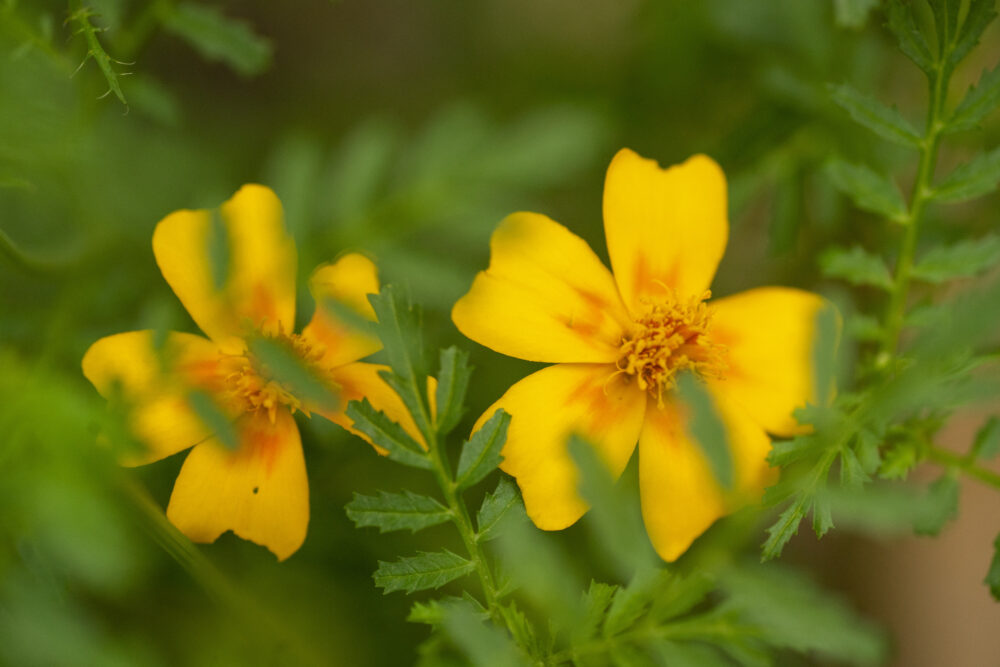
A monoculture garden is a magnet for pests. Conversely, a diverse ecosystem—incorporating companion plants like marigolds (which repel certain nematodes) and a wide array of flowering herbs—creates a natural buffer. When a predator insect arrives to feed on a crop, the garden’s existing population of beneficial insects, such as ladybugs and lacewings, is already established to provide biological control.
Integrating the Wild and the Cultivated
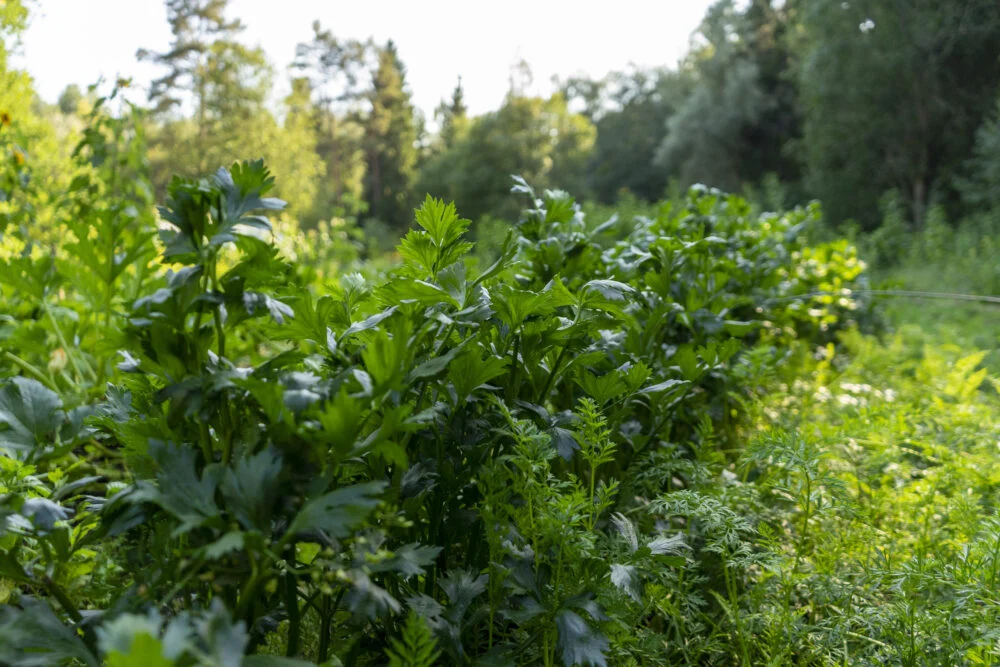
The 2026 season has reminded us that the line between "weed" and "crop" is often subjective. Foraging for wild greens like stinging nettle, dandelion, and goutweed provides a nutrient-dense harvest that requires zero input from the gardener. Combining these wild ingredients with cultivated produce, such as chard or fennel, creates a sophisticated and resilient diet.
A Culinary Conclusion: Kalitsounia
To celebrate the harvest, we look to the Mediterranean tradition of Kalitsounia—small, savory pies that perfectly marry the wild with the cultivated.
Ingredients for the Dough:
- 500g high-quality wheat flour
- 250ml water (warmed)
- 3 tbsp olive oil
- A pinch of sea salt
Ingredients for the Filling:
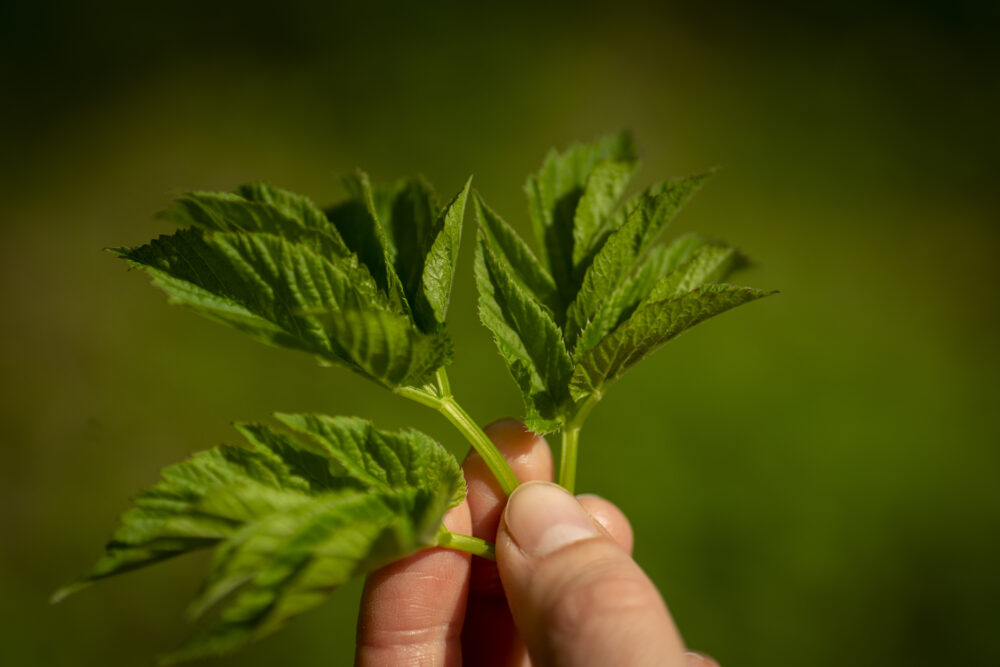
- 300g mixed greens (a blend of blanched nettle, dandelion leaves, and cultivated chard)
- 1 large onion (finely diced)
- Fresh mint and lemon zest
- Optional: Feta or goat cheese for texture
- Salt and pepper to taste
Preparation Method:
- The Dough: Mix the ingredients into a smooth, elastic ball. Allow it to rest for at least one hour; this is essential for gluten relaxation, making the dough easier to roll.
- The Filling: Briefly blanch the wild greens to remove bitterness. Sauté the onions until translucent, then add the greens. Drain any excess moisture—this is crucial to prevent the pastry from becoming soggy. Season with lemon juice, salt, pepper, and fresh mint.
- Assembly: Roll the dough thin and cut into circles. Place a tablespoon of filling in the center, moisten the edges with water, and seal tightly with a fork.
- Cooking: Fry in a hot pan with olive oil until the crust is golden brown and crispy. These are best served warm, accompanied by a fresh salad of wild herbs.
Final Reflections
The lessons of the 2026 growing season are clear: we are not merely managing plants; we are stewarding a living, breathing, and highly responsive system. By focusing on the soil, embracing biodiversity, and integrating the bounties of the wild with our own cultivated plots, we create more than just a harvest—we create a legacy of resilience. Whether you are a seasoned gardener or a newcomer, the path forward is rooted in the earth, and the rewards are waiting to be grown.