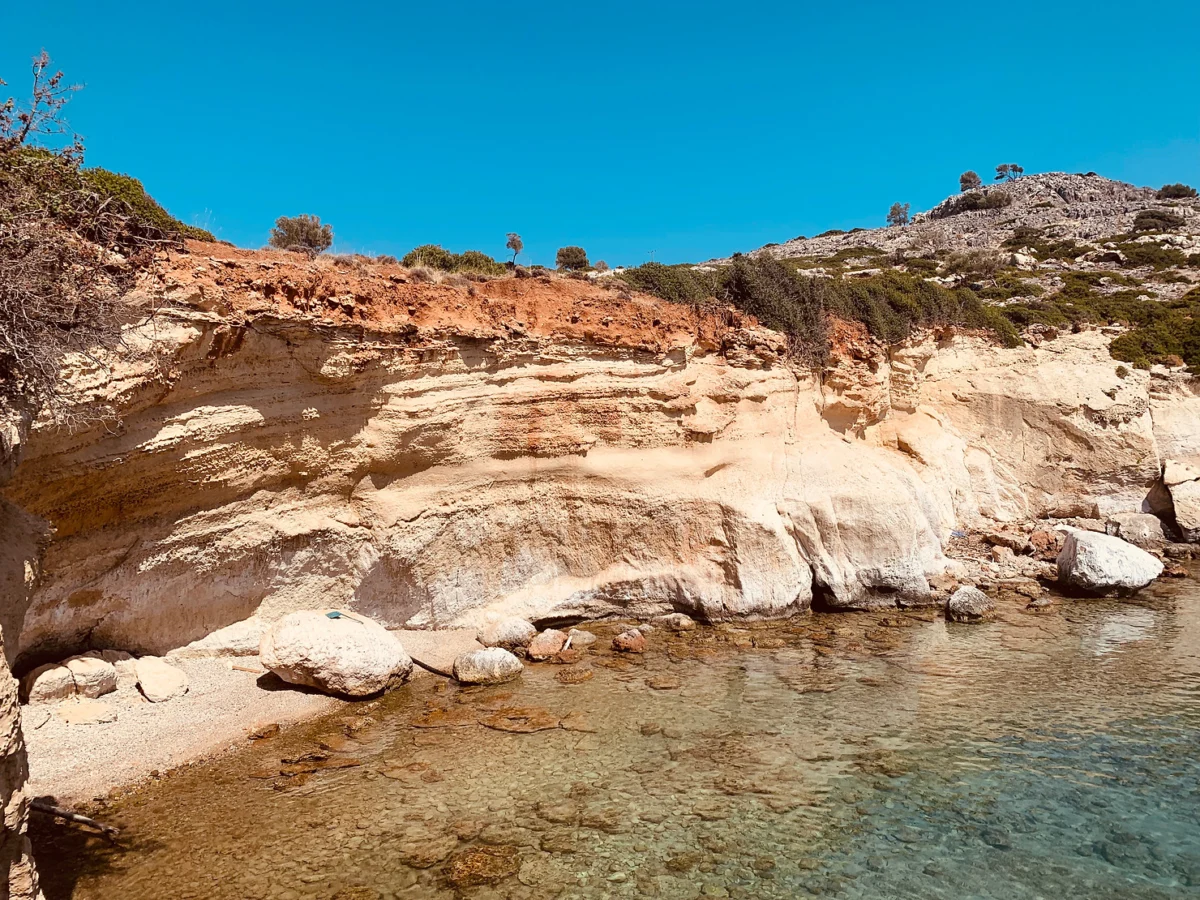
The historic city of Tokat, Turkey, is poised to take center stage on the international tourism map. Renowned for its archaeological depth, breathtaking natural landscapes, and a cultural tapestry woven over 1,500 years, the city has been selected as the official host for the 16th Ecotourism and Sustainable Tourism Conference (ESTC). Organized by The International Ecotourism Society (TIES), the event is scheduled to take place from July 27th to July 31st, 2021, marking a significant milestone for the region’s development strategy.
A Vision for Sustainable Growth
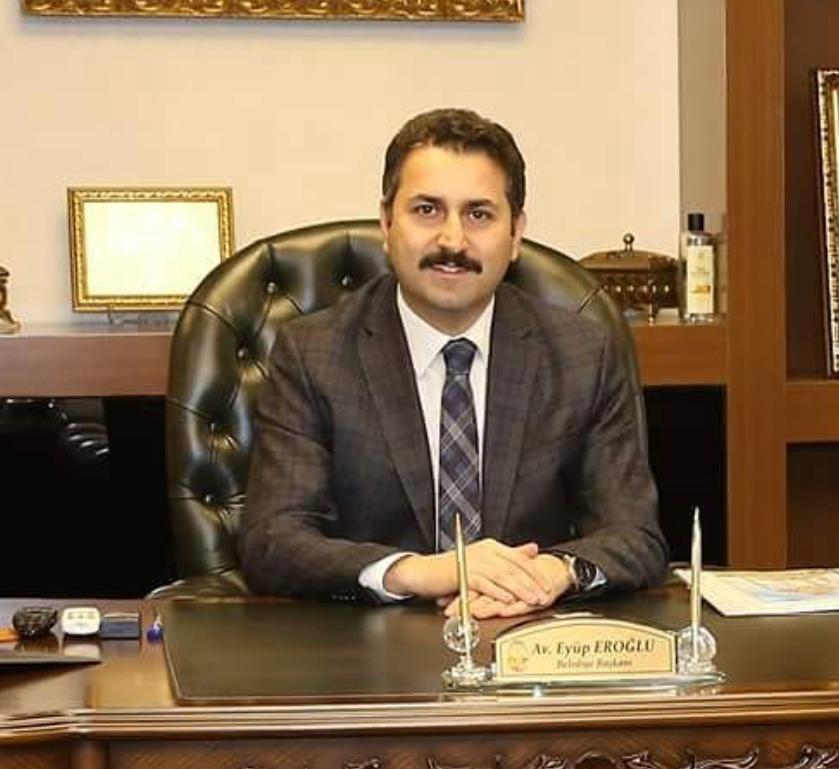
The selection of Tokat is no coincidence. It is the result of a deliberate, multi-year strategy led by the city’s forward-thinking administration. At the helm of this transformation is Attorney Eyüp Eroğlu, one of Turkey’s youngest and most dynamic mayors. Since taking office, Mayor Eroğlu has prioritized the intersection of ecological preservation and modern infrastructure, positioning Tokat as a premier destination for travelers who value sustainability as much as they value history.
In an exclusive interview following the conference announcement, Mayor Eroğlu emphasized that the city is uniquely qualified to bridge the gap between ancient heritage and 21st-century environmental standards. "Along with Tokat’s friendly local people and their welcoming outlook, the Tokat Municipality will make every effort to develop our city’s tourism to be represented in the international arena," the Mayor stated. "We will accomplish this in a sustainable way that honors our ancestors while protecting our resources for generations to come."
The Historical and Geographical Chronology of Tokat
To understand why Tokat is a perfect laboratory for sustainable tourism, one must look at the layers of history that define its geography. Situated at the crossroads of the Black Sea and the Anatolian heartland, Tokat has served as a sanctuary and a commercial hub for no fewer than 14 distinct civilizations.
The Foundation of Civilizations
The city’s roots trace back to the 5th century, though archaeological evidence suggests human activity in the region spans much further into antiquity. The unique "transitional climate"—a result of its varied elevations and diverse topography—has allowed for an extraordinary level of ecological diversity. This natural bounty acted as a magnet for empires, each leaving an indelible mark on the region’s architecture, language, and culinary practices.
The Strategic Nexus
Throughout the centuries, Tokat functioned as a crucial node on the Silk Road, facilitating the exchange of goods, philosophies, and agricultural techniques. This long history of cross-cultural interaction has resulted in a resilient, multifaceted identity. Today, the city stands as a living museum, where the shadows of the ancient Tokat Castle—a fortress that has stood watch over the city for centuries—still define the skyline, reminding visitors that they are walking through a space where history remains an active, breathing participant in daily life.
Supporting Data: The Bounty of the Land
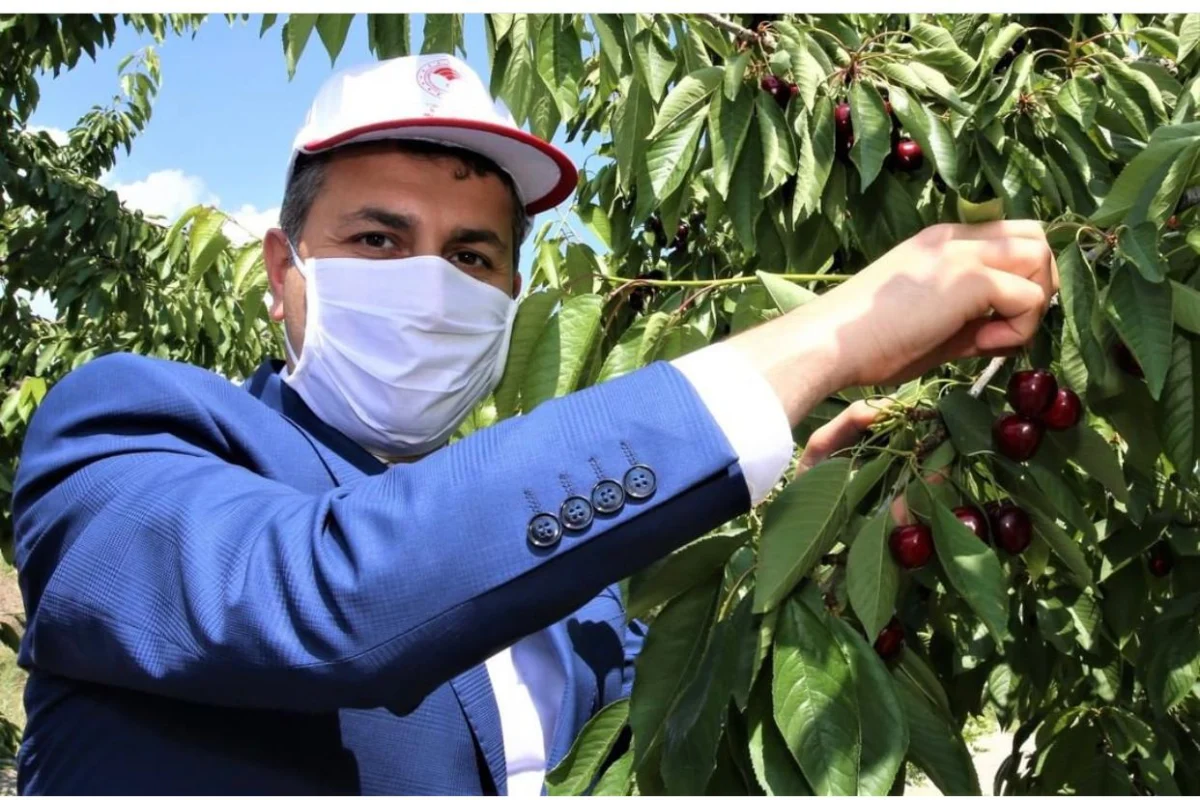
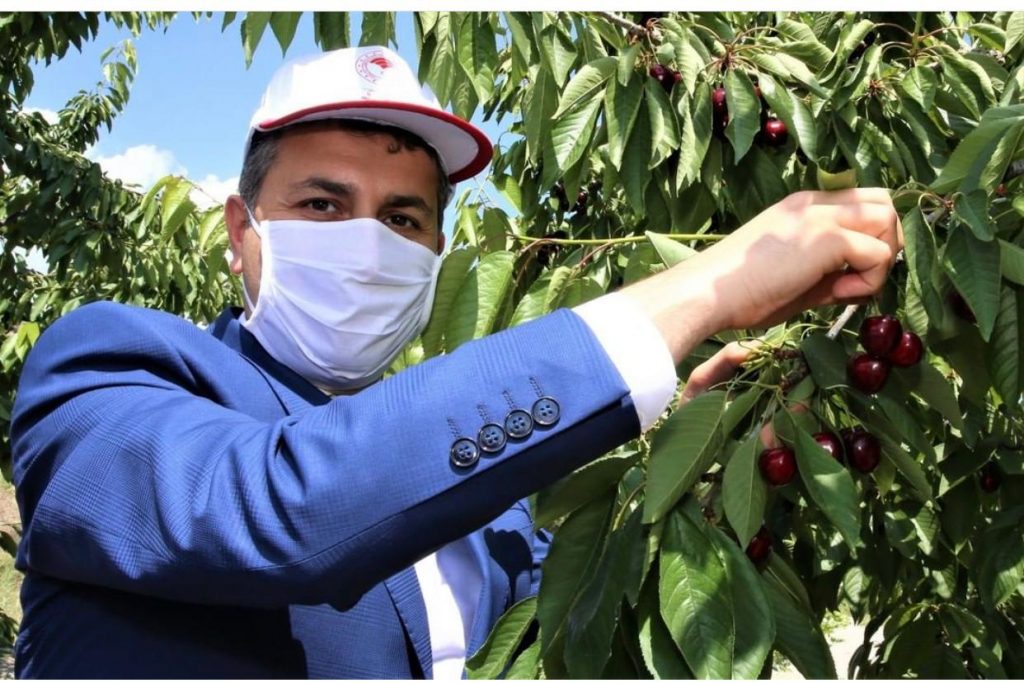
Tokat’s claim to fame, beyond its historical architecture, lies in its incredible agricultural output. The region is a powerhouse of biodiversity, boasting 82 thriving varieties of cereals, vegetables, and fruit crops. This agrarian abundance is the engine behind the city’s gastronomic reputation.
A Culinary Heritage
The local diet in Tokat is a testament to the sustainability of traditional farming practices. The city is famous for its unique Tokat Kebab, a dish that utilizes the region’s high-quality produce and meat. Beyond the main course, the region is celebrated for:
- Grape Leaves: Cultivated in the fertile valleys surrounding the city, these are among the most sought-after in Turkey.
- Molasses and Walnuts: Traditional staples that highlight the simplicity and richness of Anatolian flavors.
- Fenugreek: A key spice that defines the local palate, showcasing the depth of regional seasoning traditions.
These culinary elements are not merely food; they are reflections of the landscape. By promoting these products, the municipality is encouraging a "farm-to-table" ethos that aligns perfectly with the core mission of the ESTC.
Official Perspectives and Strategic Goals
The partnership between TIES and the Tokat Municipality represents a convergence of global sustainability standards and local implementation. During our discussions, Mayor Eroğlu articulated a clear vision for what the conference hopes to achieve.
Welcoming the World
"Tokat Municipality welcomes The International Ecotourism Society and its valuable guests to our city," said Mayor Eroğlu. "We look forward to focusing international attention on our thriving, unique destination. We hope to have the opportunity to show the world our cultural legacy and our legendary conference hospitality."
The Mayor is acutely aware that the success of the conference depends on the experience of the delegates. He expressed confidence that the visitors would not only engage with the scholarly content of the ESTC but would also find themselves personally enriched by the Anatolian experience. "We are sure that ecotourists and travelers will collect many unforgettable memories in Tokat and witness our true heritage," he added.
Prioritizing Safety in a Post-Pandemic World
In the context of the 2021 global health landscape, the organizers have been hyper-vigilant regarding health and safety protocols. When questioned on the matter, Mayor Eroğlu was emphatic. "I am impressed with the care TIES has taken to ensure the safety of ecotravelers and the community of Tokat," he noted. "We have integrated strict protocols into our planning, ensuring that the focus remains on the beauty of the region without compromising the well-being of our guests or our citizens."
Implications: A New Era for Anatolian Tourism
The hosting of the 16th ESTC in Tokat is more than just a five-day event; it is a catalyst for long-term regional development.
Economic and Environmental Synergy
By attracting an international audience of conservationists, policymakers, and industry leaders, Tokat is signaling its readiness to move toward a high-value, low-impact tourism model. The implication is clear: the city is pivoting away from mass tourism toward a model that protects its 82 crop varieties, preserves its historic structures, and invests in the welfare of its local people.
Global Standing
For Turkey, the success of this conference will reinforce its position as a leader in sustainable tourism. It demonstrates that Turkey’s tourism potential extends far beyond its coastal resorts, reaching into the deep, storied interior of the country. For TIES, the partnership validates their mission to bring global expertise to locations that hold the greatest potential for authentic, sustainable engagement.
Looking Forward: An Invitation to Register
As the July dates approach, anticipation in the city is growing. The infrastructure, from the preserved castle to the modern meeting facilities, is being prepared to offer a seamless experience.
The International Ecotourism Society (TIES) encourages all interested delegates, researchers, and sustainable tourism professionals to secure their attendance. The conference promises to be a landmark event, providing a unique look at how an ancient city can successfully navigate the complexities of the modern world while keeping its soul intact.
Tokat is ready to show the world that it is more than just a destination; it is a blueprint for how a community can honor its past while actively building a sustainable future. Those interested in participating in this transformative event are encouraged to register through the official TIES portal.
For more information on the 16th Ecotourism and Sustainable Tourism Conference and to complete your registration, please visit the official TIES registration page.