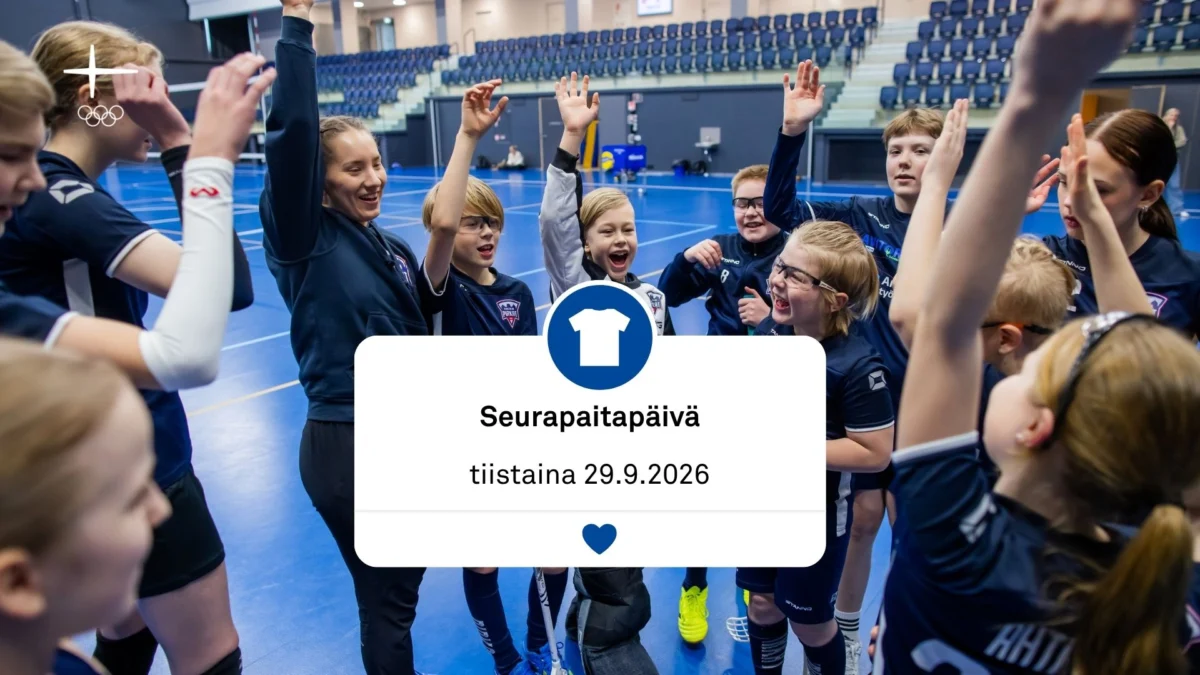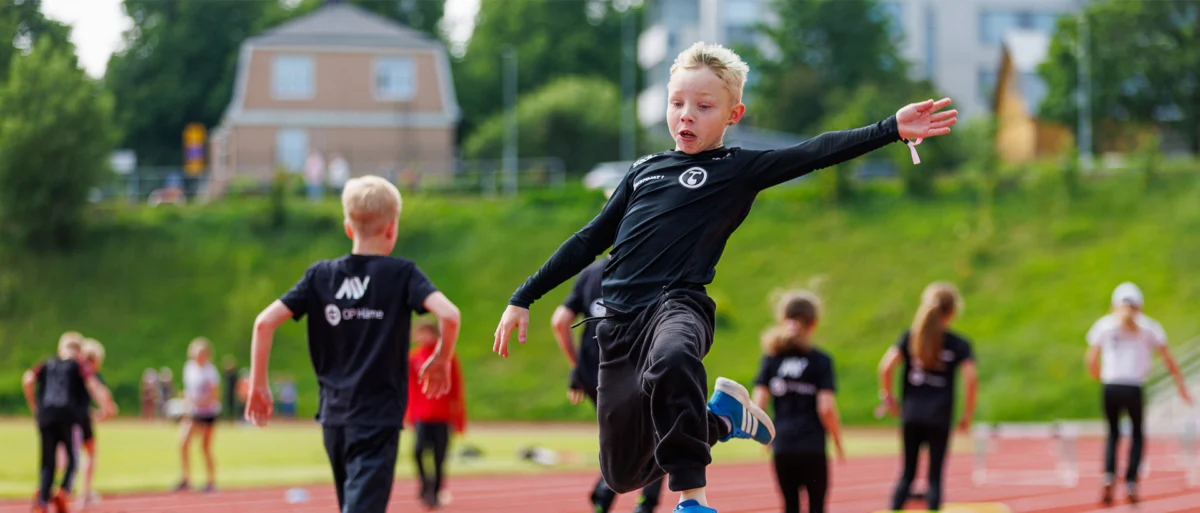
In the landscape of Finnish youth development, a significant shift is underway. The Finnish Athletics Federation (Suomen Urheiluliitto) has placed a cornerstone in its "Path to the Top" (Hätäilemättä huipulle) development model: the prioritization of multi-sport competition. At the heart of this strategy lies the Tulevat Tähdet (Future Stars) multi-sport competition, a program specifically designed to encourage young athletes to step outside their comfort zones and engage in a broader spectrum of track and field disciplines.
As sedentary lifestyles challenge the physical literacy of the next generation, this initiative seeks to reverse the trend of premature specialization. By fostering a culture of versatility, the federation and its partner clubs, such as Hämeenlinnan Tarmo, are proving that the path to elite performance—or simply a lifelong habit of physical activity—is built on the foundation of breadth, not depth.
The Core Philosophy: Why Versatility Matters
The fundamental challenge in youth sports today is the disparity in biological development. Children reach milestones—both physical and psychological—at vastly different rates. This reality is the driving force behind the multi-sport approach championed by Annika Rosberg-Haavisto, the operations manager at Hämeenlinnan Tarmo.
"Children grow and develop at very different paces," Rosberg-Haavisto explains. "Especially during puberty, the gaps between peers can be immense. It is crucial that children are given the freedom to try different events, and as a club, we want to actively encourage this."
At Hämeenlinnan Tarmo, the training philosophy is rooted in decathlon-style preparation. From the youngest age groups up to the 17-year-old category, the curriculum is designed to prevent "event-tunnel vision." By delaying intense specialization, the club ensures that athletes develop a robust physical base that serves them well regardless of whether they eventually pursue professional sports or simply seek to remain active adults.
Chronology of a Shifting Landscape
To understand the urgency of the Tulevat Tähdet initiative, one must look at the recent trajectory of Finnish youth sports.
- The Pre-Reform Era: Historically, many youth athletes were funneled into specific disciplines early—often based on early-blooming physical traits. This led to high attrition rates as children who didn’t fit these early molds dropped out.
- The Strategic Pivot: Recognizing the decline in overall physical literacy and increasing drop-out rates, the Finnish Athletics Federation, in collaboration with the Olympic Committee, began auditing the "Path to the Top" model.
- Launch of the Multi-Sport Model: The Tulevat Tähdet competition was introduced to provide a gamified structure for multi-event participation. It moved the focus away from single-event results toward seasonal consistency and breadth.
- Present Day: Clubs across the country are now adopting "mini-pentathlon" formats for local meets, where a single registration automatically enters the child into multiple events, ensuring higher movement volumes and greater exposure to diverse skill sets.
Supporting Data: Evidence of Success
The impact of the Tulevat Tähdet program is not merely anecdotal; it is reflected in the changing participation patterns within Finnish clubs.
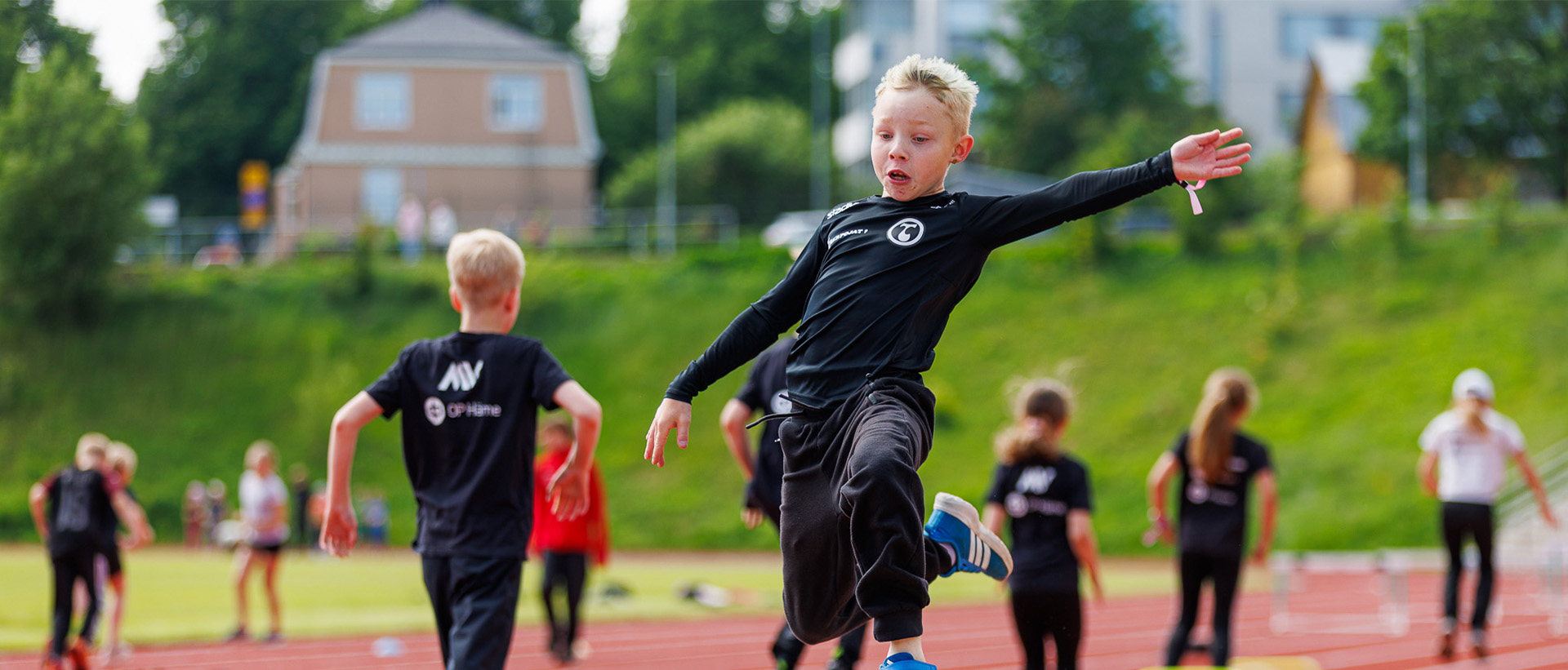
Rosberg-Haavisto highlights significant growth in traditionally "niche" events. "We have seen a huge surge in participation for race walking, which is a direct result of the multi-sport competition requirements," she notes. "Similar trends are appearing in hammer throw and pole vault. These are now becoming part of the daily routine even for younger athletes, rather than being viewed as intimidating or inaccessible events."
Furthermore, the data suggests that removing friction in the competition experience leads to higher engagement. By implementing "mixed-gender heats" and simplifying registration processes, clubs have successfully lowered the barrier to entry, resulting in higher participation numbers per event and a more inclusive competitive environment.
The Athletes’ Perspective: Voices from the Track
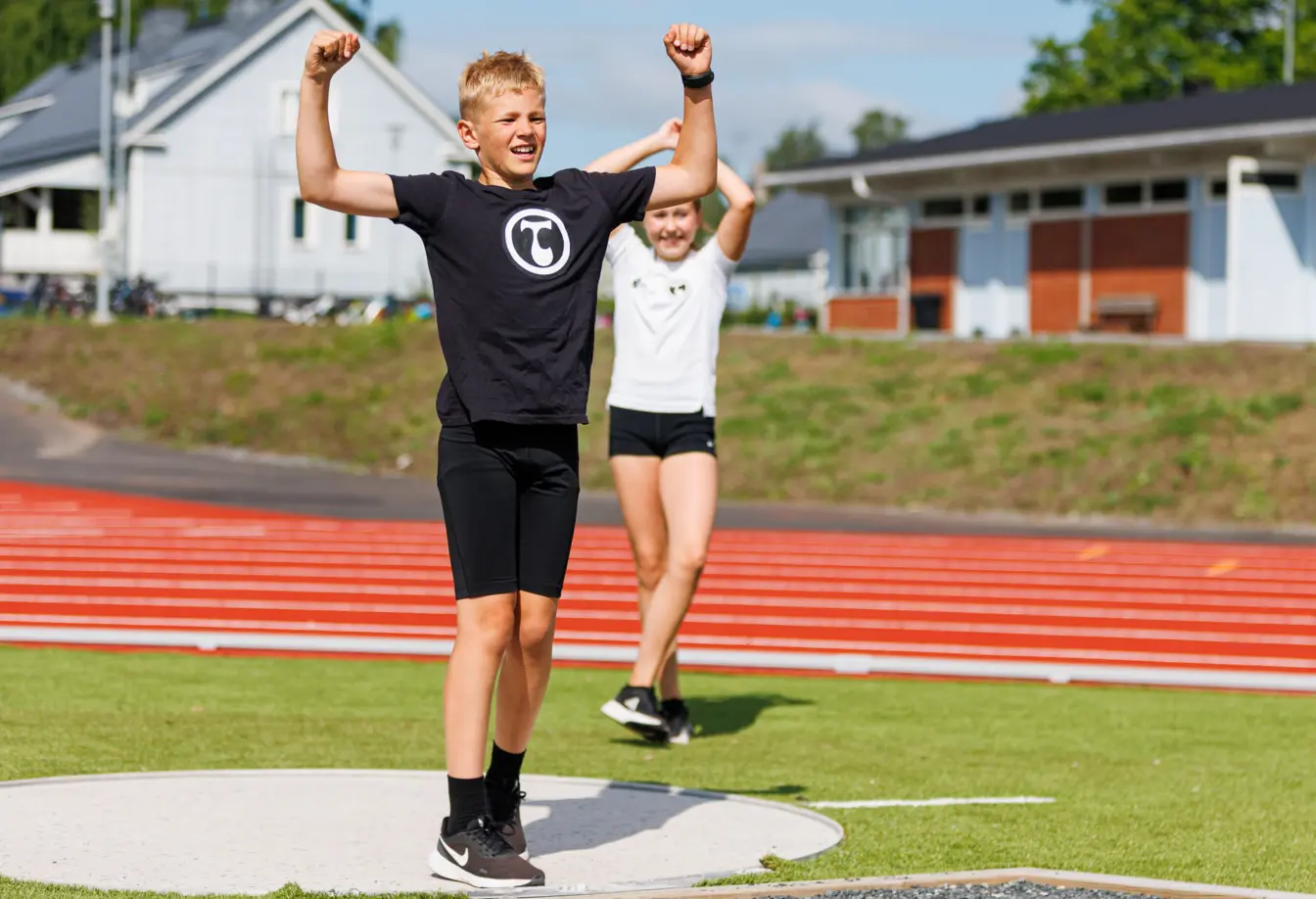
For the young athletes involved, the shift toward a multi-sport model has fundamentally changed their relationship with competition. 11-year-old Julius Kelo and 12-year-old Eelin Mielonen are prime examples of the program’s success.
"The best part about these multi-sport competitions is that I get to try events I wouldn’t have necessarily chosen myself," says Kelo. "It broadens my horizons."
Mielonen adds that the format relieves the pressure associated with individual results. "Because the competition spans the whole year, it’s nice that one bad performance doesn’t ruin the overall outcome. You can produce results throughout the season. It’s highly motivating."
When asked about their long-term goals, both athletes emphasize the value of the "non-specialized" approach. Mielonen, whose favorites include high jump and hurdles, values the ability to improve in multiple areas simultaneously. "You don’t have to make ‘the big decision’ yet," she says. "You can train in everything and eventually see what feels the most natural."
Kelo, who prefers triple jump and combined events, sees a clear professional advantage: "If I want to be a multi-event athlete when I’m older, I’m getting a perfect head start right now. I’m learning the mechanics of everything."
Official Responses and Strategic Implications
The Finnish Olympic Committee and 40 national sports federations are currently navigating a "crisis point" in youth athletics. The decline in daily physical activity, coupled with early specialization and premature drop-out rates, has created a scenario that experts warn is detrimental to both long-term health and the future of Finnish elite sports.
The implications of this shift are profound:
- Retention: By keeping the sport fun and varied, clubs are successfully keeping children engaged for longer periods.
- Physical Literacy: A diverse athletic foundation is scientifically proven to create better, more resilient athletes who are less prone to injury later in their careers.
- Inclusivity: The move away from rigid, gender-segregated competition formats and toward inclusive, "mini-event" registrations fosters a community atmosphere where the focus is on personal progress rather than just beating a competitor.
"We want to strengthen the future of youth sports in Finland," the Olympic Committee stated in a recent policy briefing. "Our goal is to ensure that every Finnish child finds the joy of sports. All children must have the opportunity to participate, belong to a group, dream, and practice in their own way."
Future Outlook: Expanding the Horizon
While the Tulevat Tähdet model has been highly successful among younger age groups, the next phase of the initiative involves scaling these principles to older cohorts.
"It would be fantastic if we could extend this concept to the 14–15 age groups," Rosberg-Haavisto suggests. "In this age range, there is a natural tendency to specialize too early. Having an additional incentive to continue competing in a wide variety of disciplines would be incredibly important for their long-term athletic development."
The message from the Finnish athletics community is clear: The path to the top is not a straight line, but a broad, winding road. By prioritizing movement over medals and versatility over specialization, Finland is attempting to build a sustainable model that serves not just the future stars of the track, but the health and well-being of the entire nation.
As clubs continue to experiment with these formats, the data will continue to be monitored. However, the early indicators—increased participation, happier athletes, and a renewed interest in forgotten disciplines—suggest that the "multi-sport" philosophy is the most promising path forward for the future of athletics in the North.