In a significant move to decarbonize its expanding infrastructure, Amazon has finalized long-term power purchase agreements (PPAs) to procure nearly 200MW of renewable electricity from four wind farms across Sweden. This strategic investment underscores the technology giant’s intensifying race to secure sustainable energy sources capable of supporting the massive power requirements of its cloud computing services and rapidly evolving artificial intelligence (AI) platforms.
The new agreements, involving projects originally developed by industry stalwarts Eolus and OX2, solidify Amazon’s position as a dominant force in the Nordic green energy market. With these latest additions, the company’s total wind energy capacity in Sweden is set to approach the 1GW milestone—a figure that underscores the scale of Amazon’s commitment to the region.
The Infrastructure Portfolio: A Snapshot
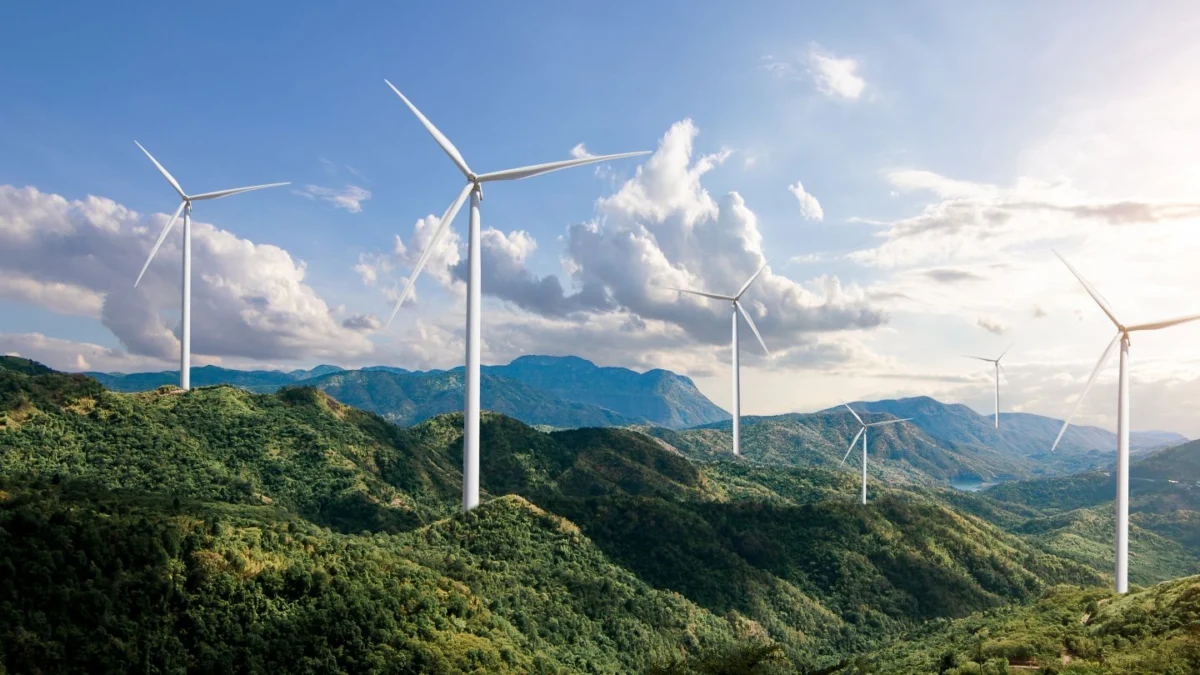
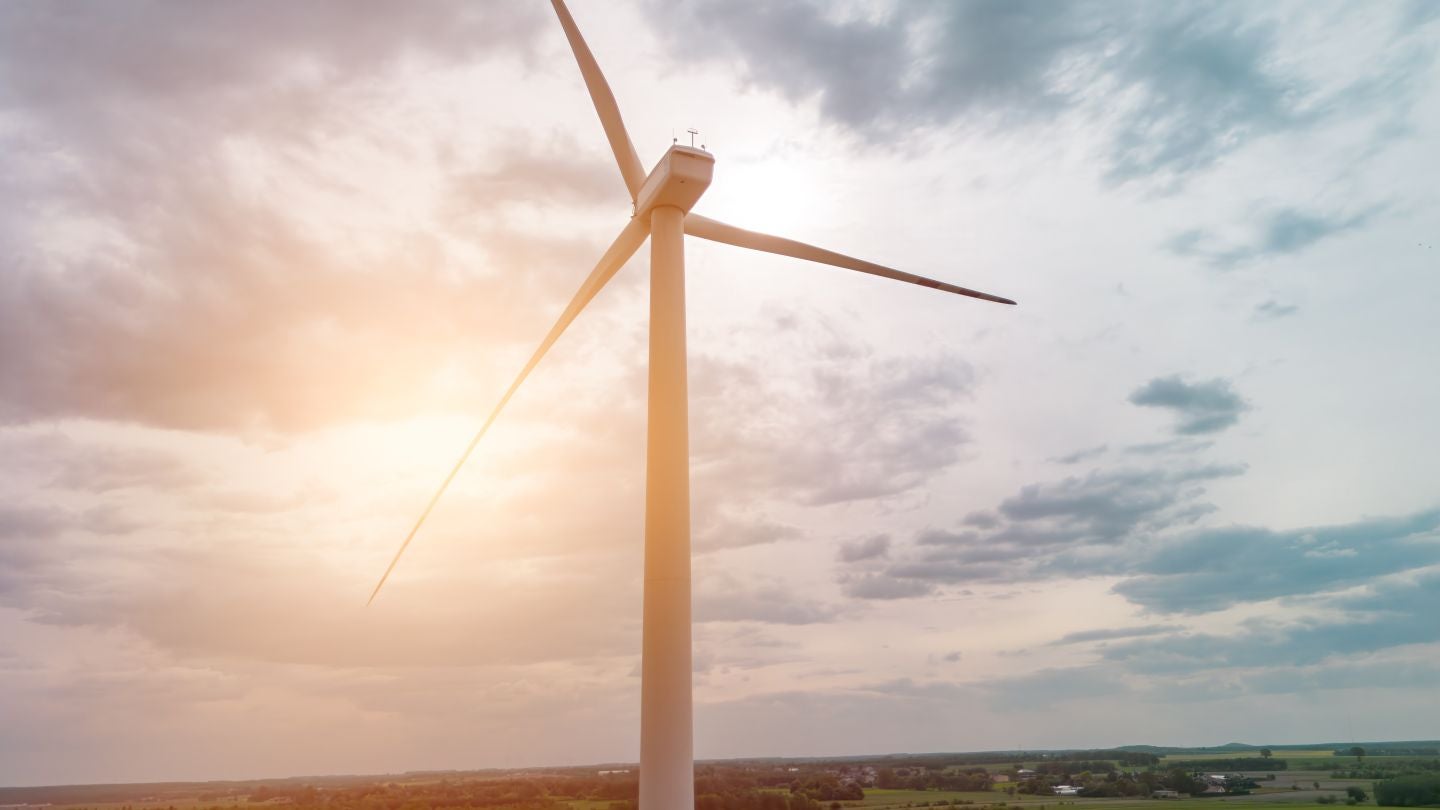
The four wind farms at the heart of this agreement are at varying stages of operational readiness. Three of these sites—Boarp, Dållebo, and Fågelås—are already fully operational, feeding clean electricity into the Swedish grid. The fourth and largest project, Fageråsen, remains under construction.
These facilities are critical to powering Amazon’s Swedish data centre hubs, which are strategically located in Eskilstuna, Katrineholm, and Västerås. According to official statements from Amazon, the additional capacity will be distributed across these three locations to accommodate the surging demand for cloud storage and high-performance computing services.
Chronology of Development and Acquisition
The path to this procurement strategy has been marked by complex financial maneuvers and partnerships with sustainable investment firms.
- December 2025: Eolus successfully finalized the divestment of the Fågelås, Dållebo, and Boarp onshore wind farms to Mirova, an affiliate of Natixis Investment Managers dedicated to sustainable finance.
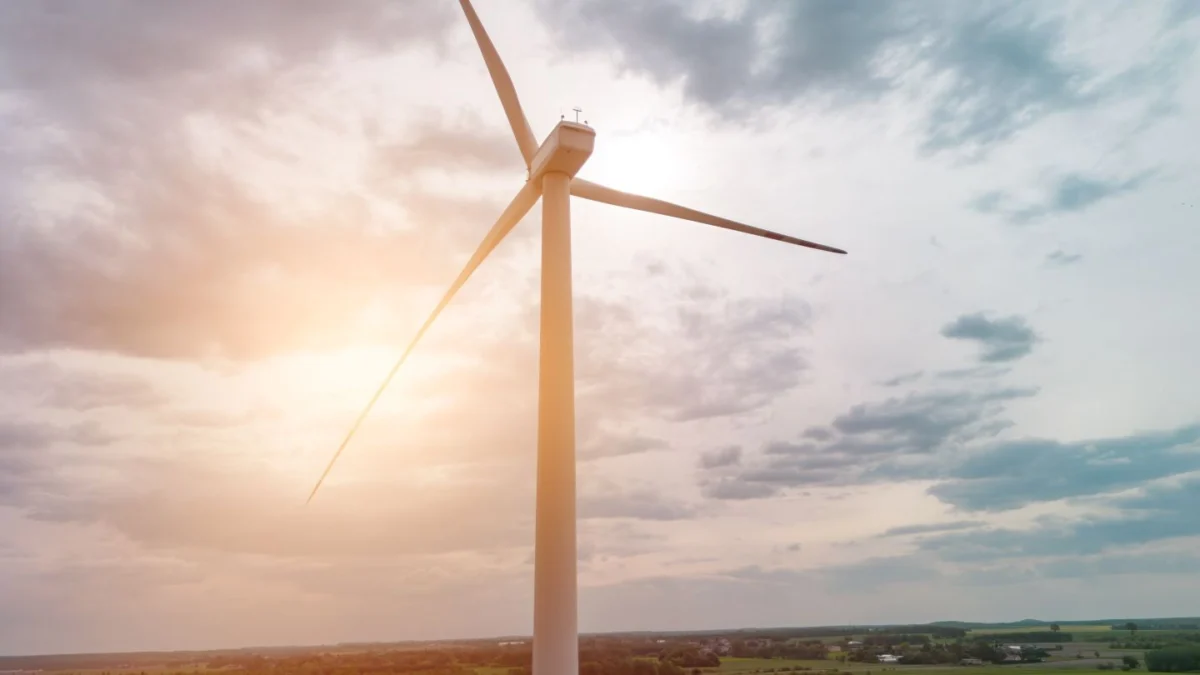
- Post-Acquisition Integration: Following the acquisition, Mirova assumed full ownership of the three sites. These farms are equipped with high-efficiency Vestas turbines and are currently governed by a 15-year PPA that accounts for a substantial portion of their annual power generation.
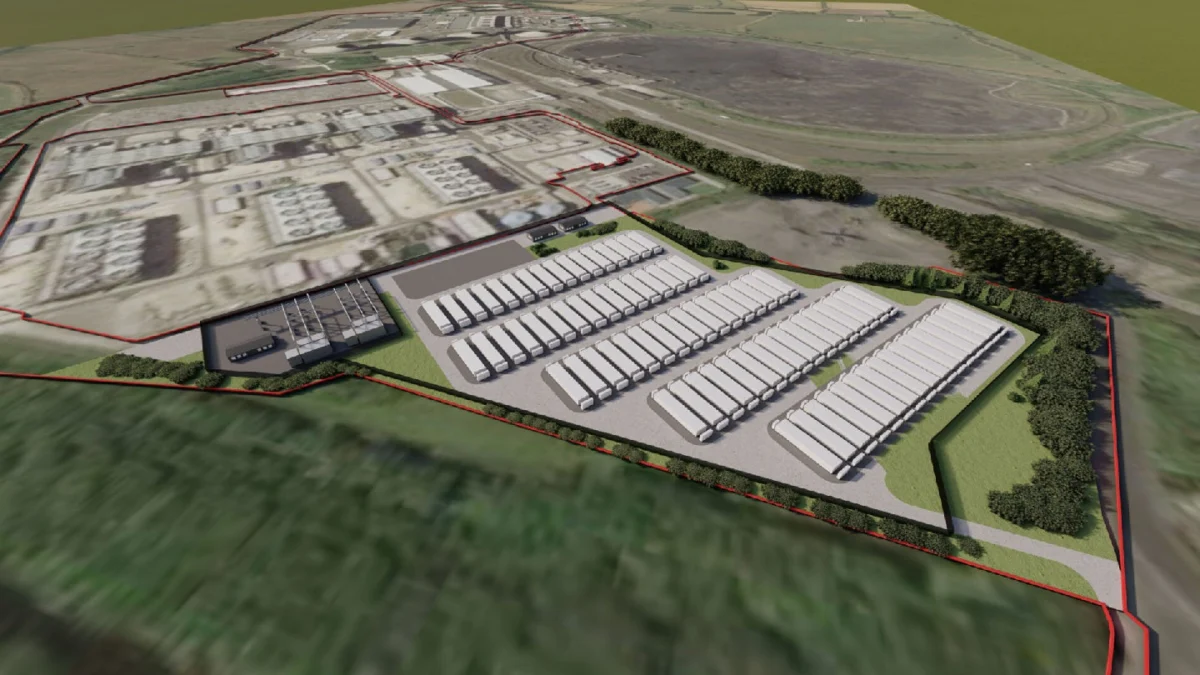
- Strategic Collaboration: Beyond the initial transfer of assets, Eolus and Mirova entered into a 15-year asset management agreement. The partnership also includes a forward-looking commitment to integrate battery energy storage systems (BESS) at each of the wind farm locations, a move designed to mitigate the intermittency issues inherent in wind power.
- August 2026: Amazon confirms the new supply deals, effectively securing the long-term output of these projects to bolster its Scandinavian operations.
Supporting Data: Scaling for the AI Era
The 1GW capacity threshold that Amazon is nearing in Sweden is not merely a corporate milestone; it represents a tangible contribution to the national energy transition. Independent estimates suggest that this volume of wind power could theoretically provide electricity equivalent to the annual consumption of more than 350,000 Swedish households.
Amazon’s global footprint in renewable energy is equally staggering. The company has invested in more than 700 renewable energy projects worldwide, boasting a combined capacity that exceeds 40GW. Within Europe alone, the company has backed over 260 projects. This consistent investment strategy helped Amazon claim the title of the largest private purchaser of fossil-free energy in Sweden throughout 2025.
The necessity for such massive energy procurement is driven by the energy-intensive nature of modern computing. As AI models become more sophisticated, the "training" and "inference" phases of machine learning require data centres that operate at higher power densities than ever before. By securing long-term PPAs, Amazon is effectively insulating itself from the volatile price fluctuations of the spot energy market while ensuring its carbon footprint remains aligned with its corporate sustainability goals.
Official Responses and Strategic Rationale
In an email statement regarding the agreements, Amazon emphasized that its investment is a response to the "growing power demand at the company’s data centres." The company noted that as the digital economy expands, the necessity to provide reliable, carbon-free energy becomes a fundamental requirement for infrastructure longevity.
While specific financial terms of the latest agreements remain confidential, industry analysts observe that such deals typically involve fixed-price contracts that provide the wind farm developers—such as Eolus and OX2—with the financial certainty needed to secure project financing, while providing Amazon with long-term cost stability.
The collaboration with Mirova and Eolus further highlights a trend of "integrated energy solutions." By pairing wind generation with battery storage, these developers are moving toward a more sophisticated model of power production that can provide base-load-like stability to the grid, a feature that is increasingly attractive to hyper-scale data centre operators.
Broader Implications for the Tech Sector
Amazon’s move is emblematic of a wider trend among "Big Tech" entities. Companies such as Microsoft, Google, and Meta have all embarked on similar journeys, seeking to monopolize or secure large-scale renewable energy assets.
The AI-Energy Nexus
The rapid acceleration of AI deployment is creating a "power crunch." As these companies strive to build out massive data centres, the availability of clean, affordable electricity has become a primary bottleneck. By securing nearly 200MW in a single set of deals in Sweden, Amazon is signaling that it intends to be a leader in this competitive landscape.
Impact on the Swedish Energy Market
For Sweden, the presence of such a massive corporate buyer acts as a catalyst for infrastructure development. The integration of battery storage at the Boarp, Dållebo, and Fågelås sites, in particular, points toward a future where renewable energy is not just generated, but actively managed. This improves the resilience of the regional grid and encourages further investment in Swedish green technology.
Sustainability and CSR
Beyond the technical and economic benefits, these agreements reinforce Amazon’s corporate social responsibility (CSR) narrative. In an era where investors and consumers alike are scrutinizing the environmental impact of digital services, demonstrating a clear, direct path to powering data centres with 100% renewable energy is essential for brand integrity.
Conclusion: A Blueprint for the Future
The acquisition of energy from the Fageråsen, Boarp, Dållebo, and Fågelås wind farms represents a sophisticated evolution in corporate energy procurement. By moving beyond simple energy credits and into long-term ownership and asset management partnerships, Amazon is ensuring its operations remain shielded from energy market volatility while simultaneously driving the global transition toward a decarbonized economy.
As the construction of the Fageråsen site progresses and the integration of battery storage across the portfolio takes hold, the Swedish energy landscape will continue to transform. Amazon’s commitment to reaching 1GW of capacity in the region serves as a clear indicator of the scale at which the world’s largest companies must operate to satisfy the voracious energy appetite of the next generation of computing technology. Whether this model of developer-operator collaboration becomes the standard for the rest of the industry remains to be seen, but for now, it stands as a robust template for sustainable industrial growth in the 21st century.