By Alice Broderick | June 18, 2026
As the summer solstice approaches, the lengthening days bring more than just warmth; they signal a prime window for the millions of Americans who find solace, recreation, and vitality along the nation’s waterways. Whether it is the rhythmic cadence of a kayak paddle hitting the water, the quiet anticipation of a morning fishing trip, or the simple, grounding act of sitting by a stream to listen to the cascading riffles, rivers are the lifeblood of the American experience.
However, beyond the recreational value lies a more fundamental truth: "Life Depends on Rivers." It is more than just a tagline for American Rivers; it is an ecological and economic reality. Our rivers provide the foundation for our drinking water, the irrigation for our food supply, and the critical habitats that sustain the biodiversity of the North American continent. As we celebrate National Rivers Month this June, we find ourselves at a pivotal juncture. While the past year has presented formidable threats to water quality and ecosystem integrity, it has also been a period of historic progress. By examining recent victories—from the dam removals that are reshaping the American landscape to landmark policy agreements—we can map a path forward for the protection of our most precious resource.
Main Facts: The State of Our Waterways in 2026
The health of a nation can often be measured by the health of its rivers. In the past 18 months, the United States has seen a paradigm shift in how we approach river management. The core philosophy driving recent success stories is "river reconnection"—the idea that by removing obsolete infrastructure, we can restore the natural flow regimes that sustain migratory fish, improve water quality, and mitigate flood risks.
Key milestones achieved over the last year include:
- The Reconnection Milestone: A record-breaking 100 dams were removed across 30 states in 2025.
- Hydrological Restoration: Nearly 5,000 miles of river corridors have been opened to free-flowing conditions.
- Legislative Triumphs: A historic $20 billion investment in Texas water infrastructure, signaling a bipartisan shift in how states prioritize climate and water resilience.
- Strategic Advocacy: The successful leveraging of the "America’s Most Endangered Rivers®" report to force federal action on the toxic pollution crisis in the Tijuana River.
Chronology of Progress: A Year in Review
The successes we celebrate today are the result of years of grassroots organizing, scientific research, and persistent advocacy. Below is a timeline of the major developments that have defined the river conservation movement from 2025 into mid-2026.
Spring 2025: Identifying the Crisis
In April 2025, the release of the America’s Most Endangered Rivers® report brought the Tijuana River’s public health crisis to the national stage. Ranked as the #2 most endangered river, the designation acted as a catalyst for immediate political pressure.
Summer 2025: The Shift in Federal Engagement
By mid-summer, the momentum generated by the report and local advocacy groups—including the Surfrider Foundation and Un Mar de Colores—led to a direct meeting between environmental leaders and EPA Administrator Lee Zeldin. This high-level engagement laid the groundwork for a bilateral agreement between the United States and Mexico to address the transboundary pollution that has long plagued border communities.
Autumn 2025: The Ballot Box Victory
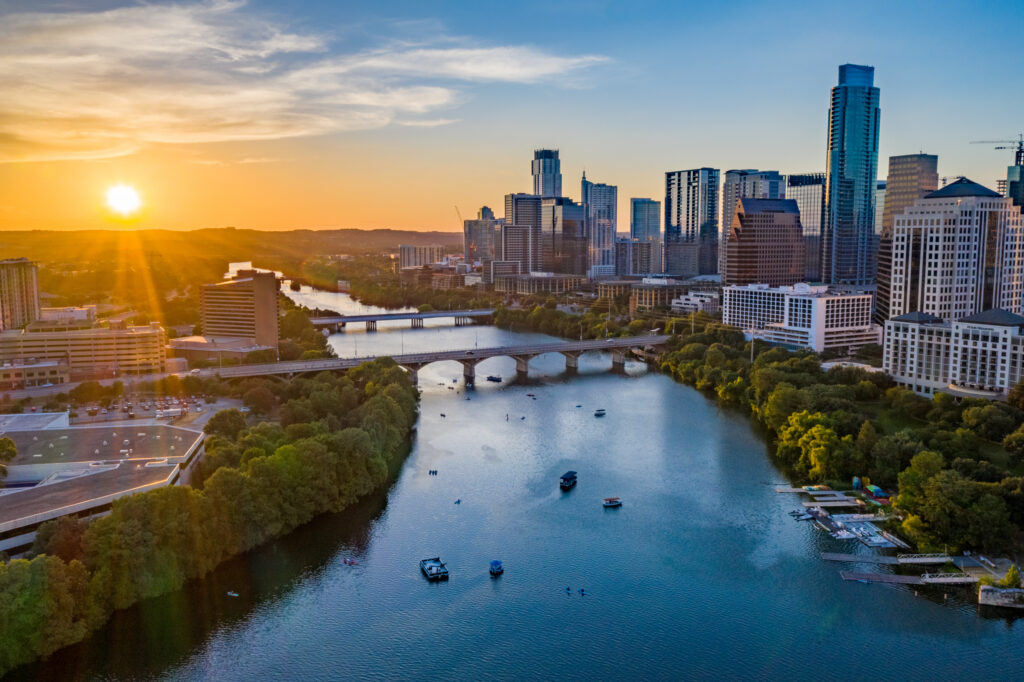
In November 2025, Texas voters provided a massive win for the environmental movement. By approving a ballot initiative that allocates $1 billion annually for 20 years toward water infrastructure and wetland restoration, Texas set a new national standard for state-level investment. This was not merely an environmental victory; it was a testament to the fact that water security has become a primary concern for voters across the political spectrum.
Winter 2026: The Milestone of 100 Dams
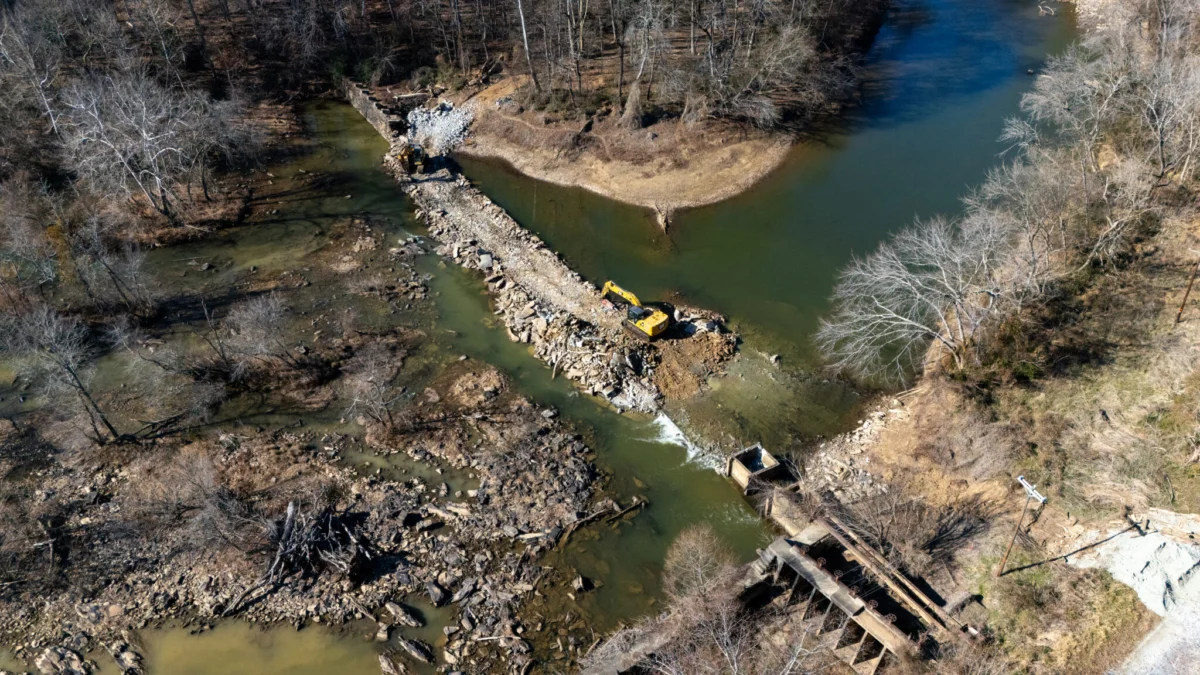
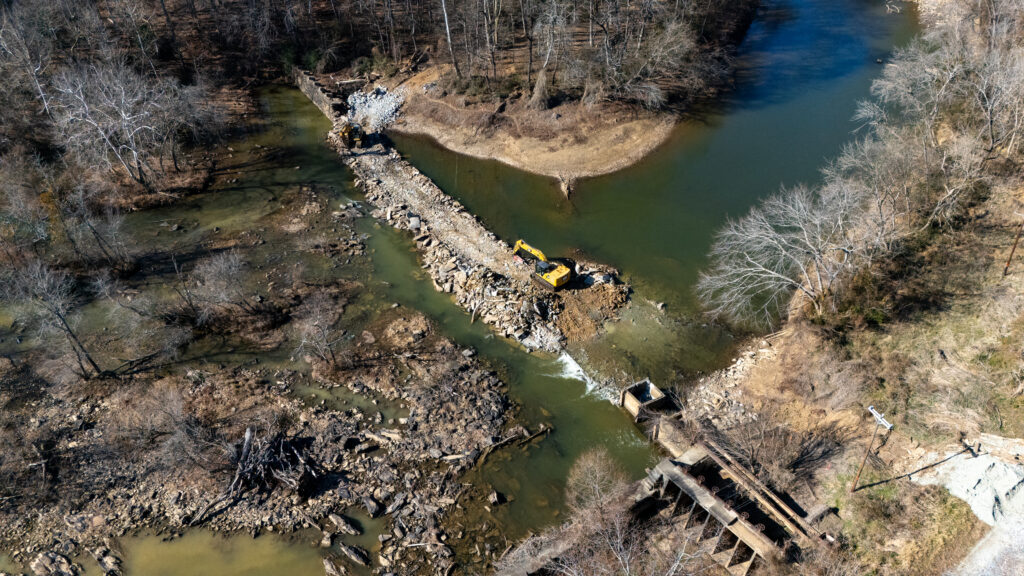
By the close of 2025, the U.S. had officially cleared the 100-dam removal mark. This achievement, culminating in projects like the Ramseur Dam removal on the Deep River in North Carolina, represented the largest single-year expansion of reconnected river miles in American history.
Early 2026: Urban Restoration
In February 2026, the completion of a major headwater wetland restoration in West Seattle served as a model for urban resilience. This project, focused on restoring the natural capacity of wetlands to filter runoff, highlights the potential for "nature-based solutions" to solve modern urban water challenges.
Supporting Data: The Impact of Dam Removal
The statistics behind the 2025 dam removal efforts provide a clear picture of the scale of this ecological transformation. By removing 100 structures across 30 states, the U.S. effectively reconnected 4,893 miles of river. This is not simply a matter of aesthetics; it is a critical intervention for ecological survival.
Dam removal facilitates:
- Sediment Transport: Dams trap essential sediment that is needed to maintain downstream riverbeds and coastal deltas.
- Thermal Regulation: Impounded water behind dams often heats up, creating hostile environments for cold-water fish like salmon and trout. Free-flowing water stays cooler, supporting biodiversity.
- Migration Paths: Many species, such as American eels and various salmonid species, require free passage to reach spawning grounds. Removing barriers is the single most effective way to restore these populations.
Official Responses and Strategic Advocacy
The success in the Tijuana River basin serves as a masterclass in modern environmental advocacy. By pairing the America’s Most Endangered Rivers® report with persistent, on-the-ground community leadership, advocates were able to bridge the gap between local health concerns and federal policy.
In a recent statement, environmental advocacy coalitions noted: "Strategic advocacy is not just about highlighting a problem; it is about providing the political cover for officials to act." The EPA’s engagement with the Tijuana issue demonstrates that when agencies are presented with clear data and a unified community front, the bureaucratic inertia that often stalls river recovery can be overcome.
Similarly, the Texas ballot measure involved an unprecedented coalition of groups—including the American Rivers Action Fund, the National Wildlife Federation Action Fund, and Texans for Opportunity. This bipartisan collaboration effectively reframed "water infrastructure" not as an environmental expense, but as an essential investment in the economic and physical safety of the state.
Implications for the Future: A Call to Action
As we move into the second half of 2026, the implications of these victories are clear: the movement for healthy, free-flowing rivers is gaining significant momentum. However, the work is far from finished. The threats of climate change, aging infrastructure, and industrial pollution remain constant.
The Urban Frontier
The Seattle wetland restoration project underscores a critical shift: moving beyond large-scale wilderness restoration to focus on urban headwaters. As climate change increases the frequency of extreme weather events, our urban centers need the natural "sponges" that wetlands provide to manage flood risks and filter pollutants.
Sustaining the Bipartisan Consensus
The success in Texas serves as a blueprint for other states. By focusing on "water resilience"—a term that encompasses flood control, drinking water safety, and economic stability—environmentalists can reach audiences that might otherwise be skeptical of traditional conservation arguments. The goal for the coming year is to replicate this success in other states, proving that "water wins" can become a consistent feature of the American electoral landscape.
A Personal Commitment
Reflecting on the importance of these waterways, it is vital to remember that policy is only as effective as the public support behind it. Every river restored is a victory for the communities that rely on it, but every river currently under threat requires a voice.
As we celebrate National Rivers Month, we encourage everyone to look at their local waterways not just as scenery, but as essential infrastructure. Whether you are advocating for local dam removal, participating in a river cleanup, or simply enjoying a day on the water, you are part of a larger, growing movement.
The progress made in the last year has been nothing short of extraordinary. From the quiet, rushing waters of the Deep River to the urgent, complex cleanup of the Tijuana, we have seen that when we act with the shared belief that "Life Depends on Rivers," we can rewrite the future of our planet. Let us carry this momentum into the summer and beyond, ensuring that for generations to come, our rivers continue to flow, thrive, and sustain us all.
To stay informed about the most important news affecting your water and rivers, sign up for our newsletter and join the growing community of river advocates across the nation.