In the remote, high-altitude canyons of the Peruvian Andes, the Marañón River carves a path through some of the most unforgiving terrain on the planet. For Sam Johnston—a veteran whitewater guide, instructor with Montana River Guides, and a specialist in spill response with the Whitewater Rescue Institute (WRI)—the river is not merely a venue for recreation; it is a masterclass in risk management and human fallibility.
In March 2026, Johnston and his team embarked on a self-supported kayak expedition through the headwaters of the Amazon. What began as a technical challenge in one of South America’s most committing whitewater corridors transformed into a profound meditation on safety, ego, and the physical degradation of decision-making.
The Incident: A Near-Miss in the Inner Gorge
The expedition’s most harrowing moment occurred not in the heart of a Class V rapid, but during a mundane pause for lunch. Deep within the Inner Gorge, where canyon walls restrict all movement and the nearest medical facility is over a hundred miles away, Johnston was navigating a boulder field following a portage of the daunting "Wasson’s Slide."

"I climbed up a cluster of boulders to scout the next stretch and put my right hand on a rock about the size of a washing machine," Johnston recounts. "It moved."
What followed was a split-second life-or-death scenario. As the multi-hundred-pound boulder broke loose and began a kinetic descent toward his teammate, Dayton—who was standing in the shallows below—Johnston’s warning cry was the only thing preventing a catastrophe. The boulder wedged into a secondary formation just inches from his friend. The incident served as a visceral reminder: in high-stakes environments, the most dangerous hazards are often those deemed "safe."
Chronology of the Marañón Expedition
The journey was marked by a series of escalating challenges that tested the limits of the team’s physical and mental endurance:

- Phase I: The Upper Canyon and Technical Navigation: The team began with intense scouting of the Upper Canyon. The focus was on identifying technical lines through stacked whitewater. Despite high-level expertise, the physical demands of portaging heavy, gear-laden kayaks over unstable granite in blistering heat set the stage for fatigue.
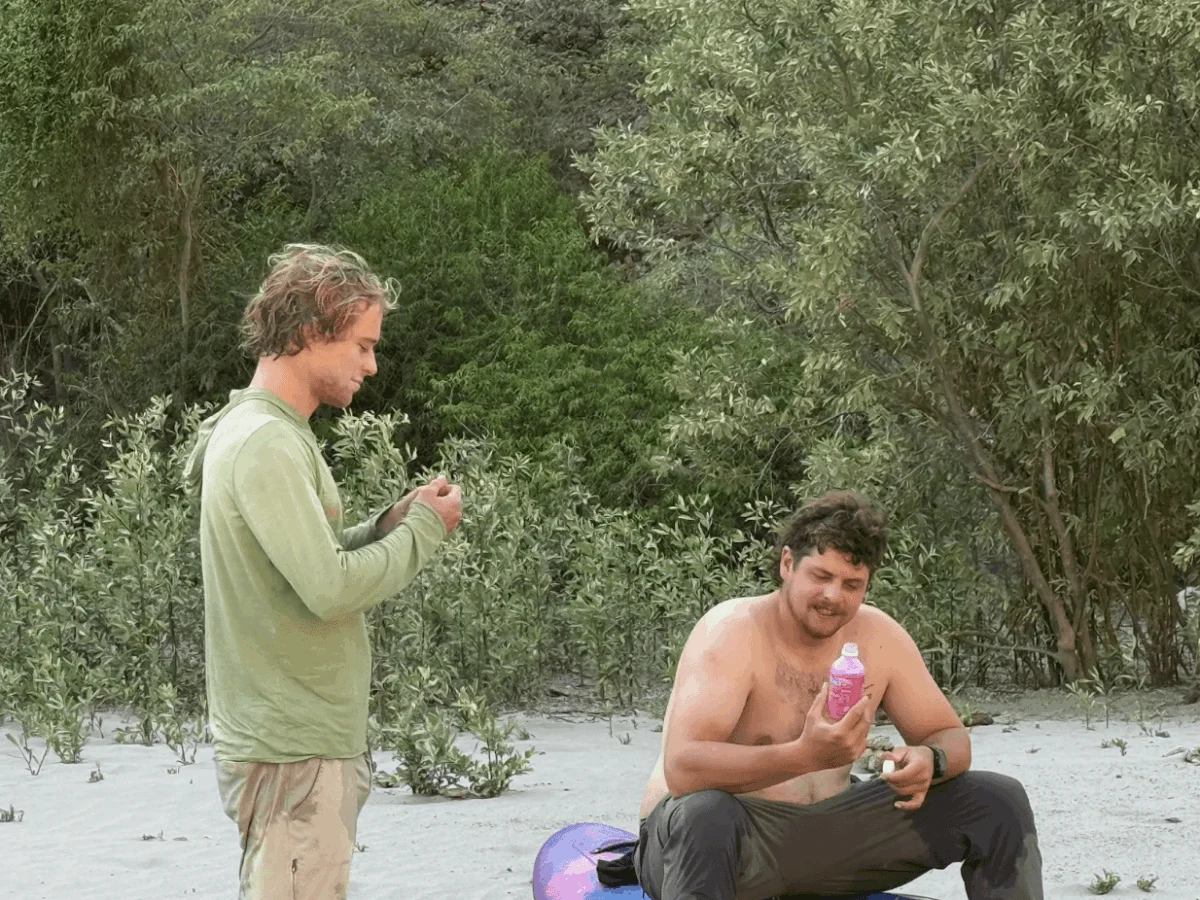
- Phase II: The Medical Crisis: Near the end of the Upper Canyon, three of the five expedition members fell violently ill. The team was forced to shelter under a bridge in the Ancash region, managing symptoms while attempting to source supplies. The procurement of local, unlabeled medication highlighted the thin margin between a self-supported expedition and a survival situation.
- Phase III: The Inner Gorge: This section represented the crux of the trip. Here, the team faced the reality of "commitment"—the inability to retreat. It was here that Johnston experienced a personal lapse in technique, flipping in a hole he identified as manageable, only to be reminded of the river’s unforgiving nature during his time underwater.
- Phase IV: The Samosera Challenge: Facing the largest whitewater of the trip, the team performed a psychological audit. By decoupling the desire to impress from the objective necessity of the maneuver, they successfully navigated the rapid, marking the emotional and technical peak of the expedition.
Supporting Data and Technical Frameworks
The expedition underscored five core tenets of swiftwater safety that remain universal, whether on the Amazon or the Clark Fork River in Montana.
1. The Perennial Scene Size-Up
Rescuers are trained that a "scene" is not a static object. It is a fluid environment. Johnston’s mistake—assuming a lunch spot was exempt from the hazards of the river—proves that situational awareness must be maintained during periods of rest. In rescue operations, the bank, the anchor points, and the downstream eddy are all part of the incident.
2. Cognitive Degradation
Data consistently shows that physical stressors—dehydration, caloric deficit, and sleep deprivation—drastically reduce executive function. Johnston notes that the version of himself navigating the river while ill was significantly slower and less reliable than the version that trained for the trip. This is why standardized checklists are mandatory; they compensate for the brain’s tendency to fail under biological pressure.

3. Containment vs. Hope
In professional rescue, "containment" is a calculated strategy involving upstream and downstream positioning. Johnston admits that in the Inner Gorge, his plan was closer to a "wish." A true containment plan requires precise knowledge of who is watching, the exact location of potential extraction points, and an understanding of the downstream consequences of every maneuver.
4. The Ego Current
Ego remains the most significant variable in preventable river accidents. By openly questioning his motivations for running the Samosera Rapid, Johnston highlights the need for radical honesty in extreme sports. When the primary motivator for a risky move is the fear of being perceived as the "weakest link," the probability of injury skyrockets.
5. Respecting the Natural Order
The river is not an adversary to be conquered. The "conquest" narrative is a dangerous fallacy that often leads to over-extension. Experienced rescuers understand that they are guests in a dynamic, high-energy system. Success is defined by the ability to read the environment and navigate it with minimal impact and maximum safety.

Official Perspectives: The WRI Methodology
The Whitewater Rescue Institute (WRI) emphasizes that technical skill is useless without the accompanying mental framework. According to WRI protocols, training is not a "one-and-done" achievement. The organization’s curriculum, which aligns with NFPA 1006 and 2500 standards, is built on the reality that skills decay rapidly.
"The only thing more dangerous than never taking a rescue course is taking one once and assuming you still remember it a decade later," says Johnston. This sentiment is echoed by agency partners, including the USCG and HAZWOPER-certified response teams, who utilize these same standards for industrial and flood-related spill responses.
Implications for Future Expeditioners and Rescuers
The implications of Johnston’s experience extend beyond the kayaking community. Whether in a recreational setting or a professional emergency response, the principles of incident management remain constant.

- Refresher Training: Organizations and individuals must prioritize recurring, live-water training. Simulated environments provide the necessary muscle memory and cognitive shortcuts that prevent panic.
- Systems-Based Decision Making: Relying on peer-reviewed protocols rather than "gut feelings" during moments of high stress is the hallmark of a professional.
- Psychological Audit: Teams must normalize the act of "calling off" a maneuver. The ability to identify one’s own ego-driven impulses is a vital component of team safety.
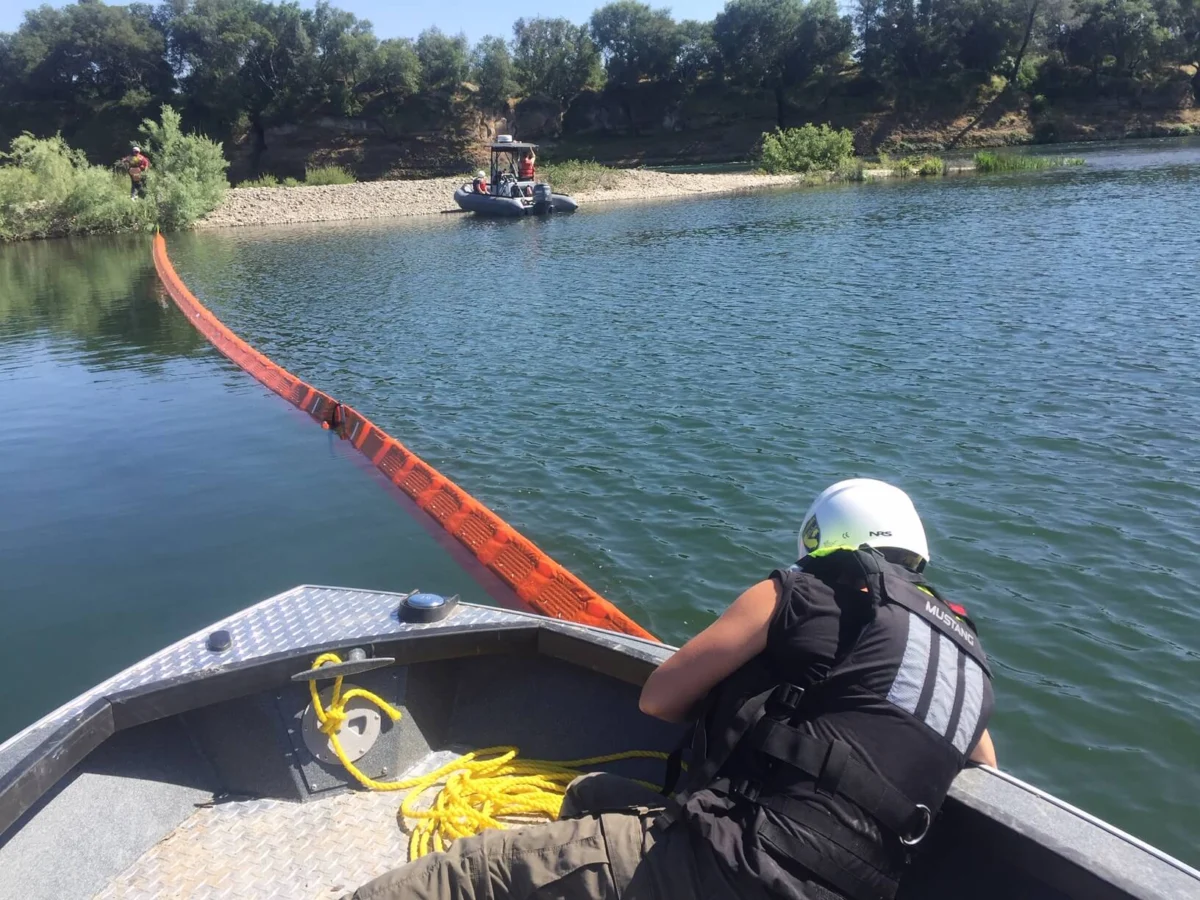
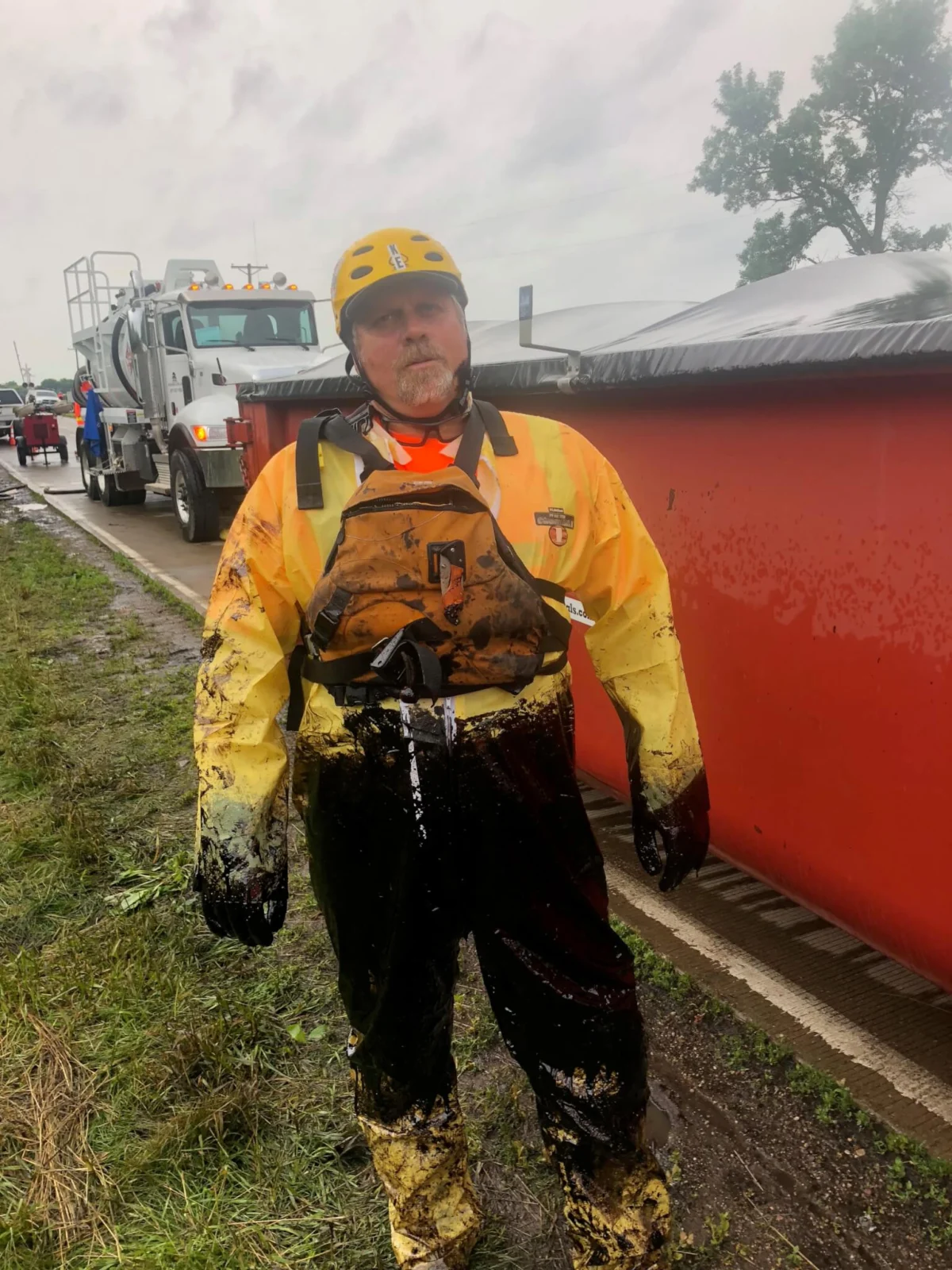
As Johnston prepares for the upcoming season on the Clark Fork, the Marañón expedition remains a touchstone for his instruction. It serves as a reminder that the environment is indifferent to the experience level of the participant. Whether managing a chemical spill in a municipal waterway or navigating the headwaters of the Amazon, the stakes are dictated by the water, not the location.
The Whitewater Rescue Institute continues to offer comprehensive training modules ranging from swiftwater and ice rescue to boat operations and fastwater spill response. For those working in high-risk environments, the lesson of the Marañón is clear: stay humble, keep the training current, and always treat every day on the water as if your life—and the lives of your team—depends on it.
For further information on current course schedules and professional certifications, please visit the Whitewater Rescue Institute website.