By Justin Hayes | May 29, 2026
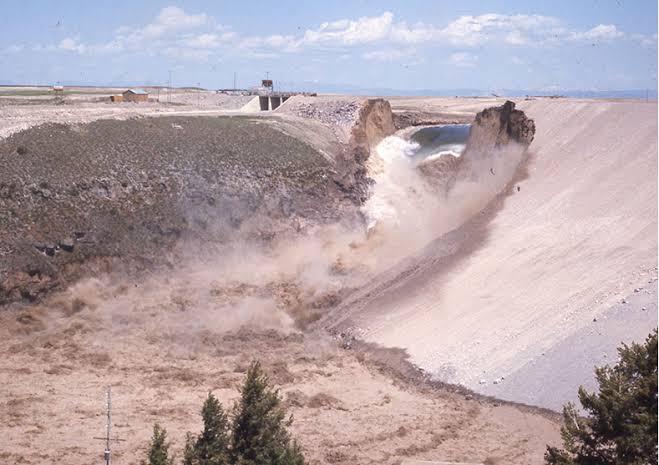
For the residents of eastern Idaho, the Teton River is more than a waterway; it is a symbol of resilience, a testament to the power of natural recovery, and the focal point of a heated debate over the future of the American West. On June 5, 1976, the Teton Dam—a massive engineering project designed to provide irrigation and flood control—suffered a catastrophic failure during its initial filling. The resulting deluge devastated downstream communities, forever etching the event into the cultural memory of the region.
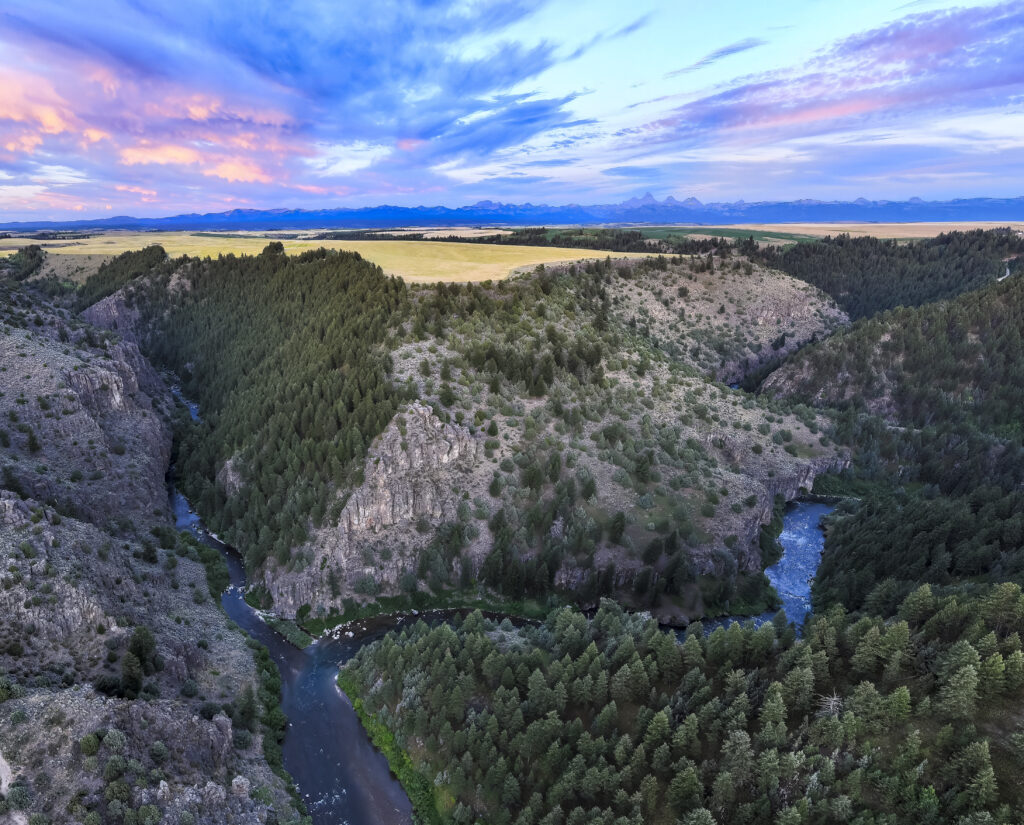
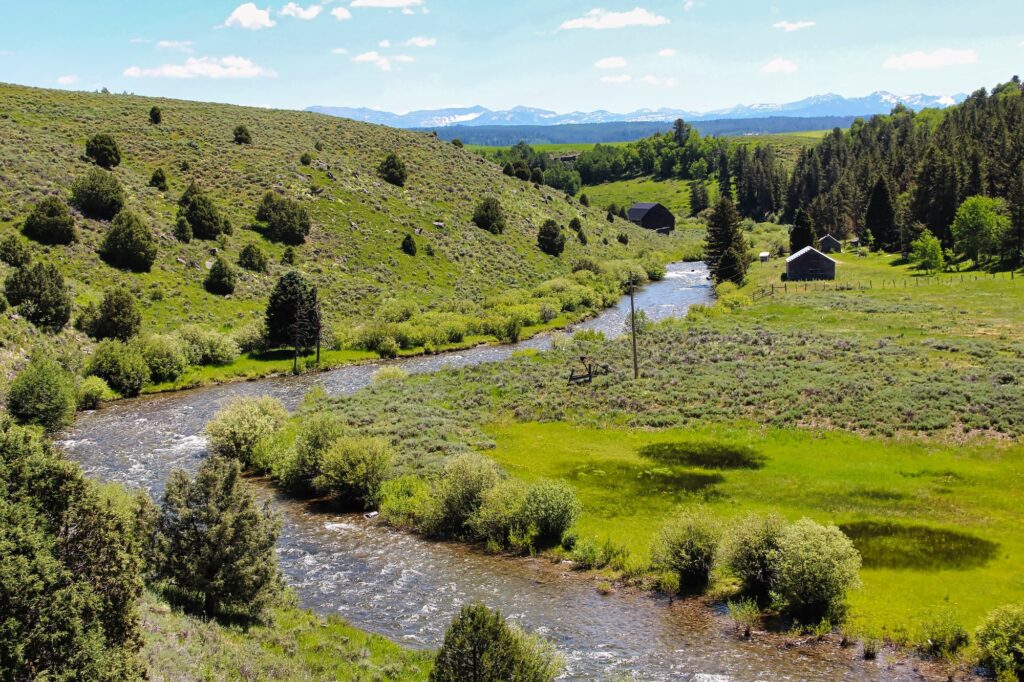
However, the narrative of the Teton River has evolved far beyond the tragedy of its dam. In the fifty years since that fateful day, the river has experienced an extraordinary ecological revival. Today, it stands as the only major river in eastern Idaho devoid of a large dam or reservoir system, a status that has allowed it to become a vital artery for the Northern Rockies. As debates regarding water security and infrastructure resurgence bubble to the surface, the Teton River serves as a living laboratory for a new, collaborative model of water management.
The Chronology of a Catastrophe and a Second Chance
To understand the current stakes, one must look at the timeline of the Teton’s transformation.
- 1970s: The Dam Era: The Bureau of Reclamation pushes for the construction of the Teton Dam, prioritizing agricultural expansion and power generation over the preservation of the canyon’s unique ecosystem.
- June 5, 1976: The "Day of Infamy" for the region. As the reservoir reaches capacity, internal piping within the embankment causes a breach. Within hours, the dam collapses, releasing 80 billion gallons of water. The flood leaves a path of destruction across the valley, claiming lives and livelihoods.
- 1980s–1990s: The Healing Begins: With the dam gone, the river begins the slow, arduous process of reclaiming its channel. Sediments shift, and the riparian habitat begins to re-establish itself.
- 2000s–2020s: The Era of Partnership: Conservation groups, including Friends of the Teton River and the Idaho chapter of Trout Unlimited, begin working with local farmers and irrigators. Instead of relying on large-scale storage, the focus shifts to water efficiency, aquifer recharge, and riparian restoration.
- 2026: The Crossroads: As pressure grows to "rebuild the dam," the community is forced to decide whether to embrace the lessons of the last half-century or return to an obsolete 20th-century model of infrastructure.
Supporting Data: An Ecological and Economic Asset
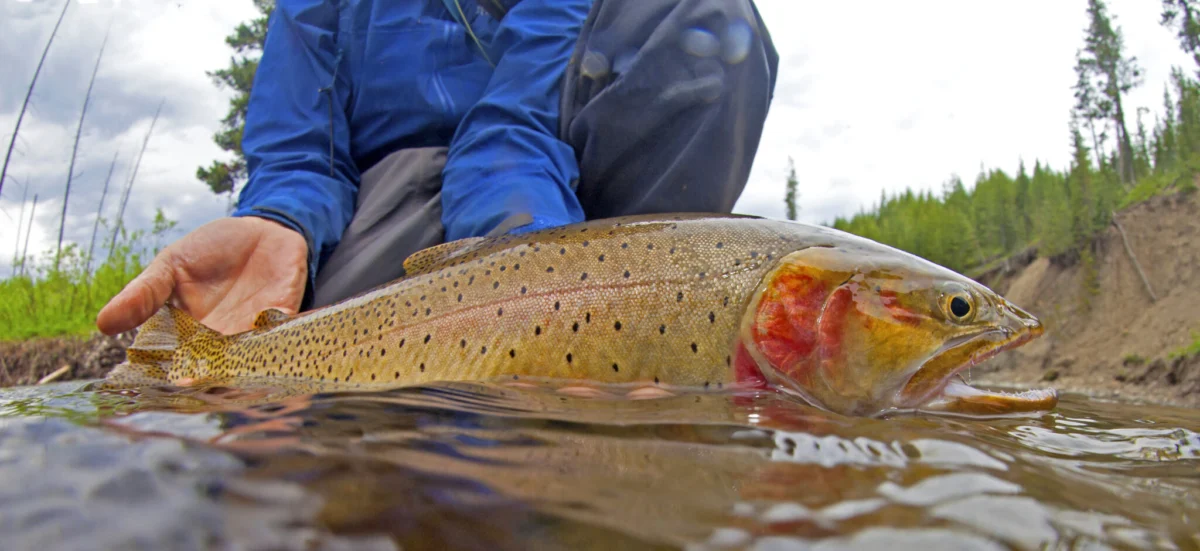
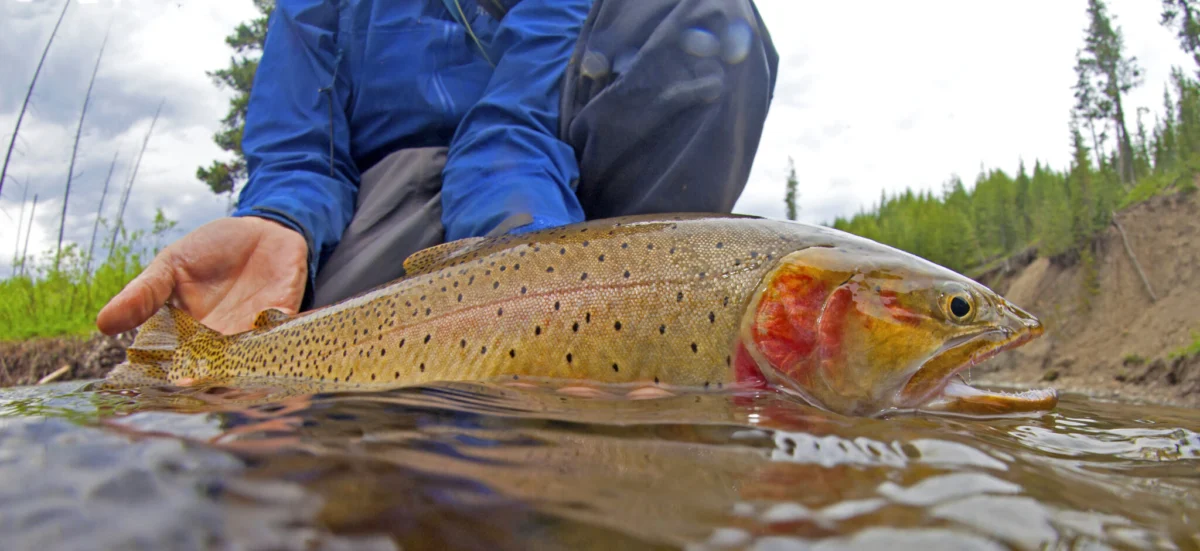
The Teton River is not merely an aesthetic treasure; it is an economic and biological powerhouse. The canyon provides essential cold-water habitat for the Yellowstone cutthroat trout, a species that acts as an indicator of the river’s overall health.
Data collected over the past decade indicates that the river’s free-flowing state provides:
- Biodiversity Stability: The absence of a dam allows for natural sediment transport, maintaining the gravel beds necessary for trout spawning.
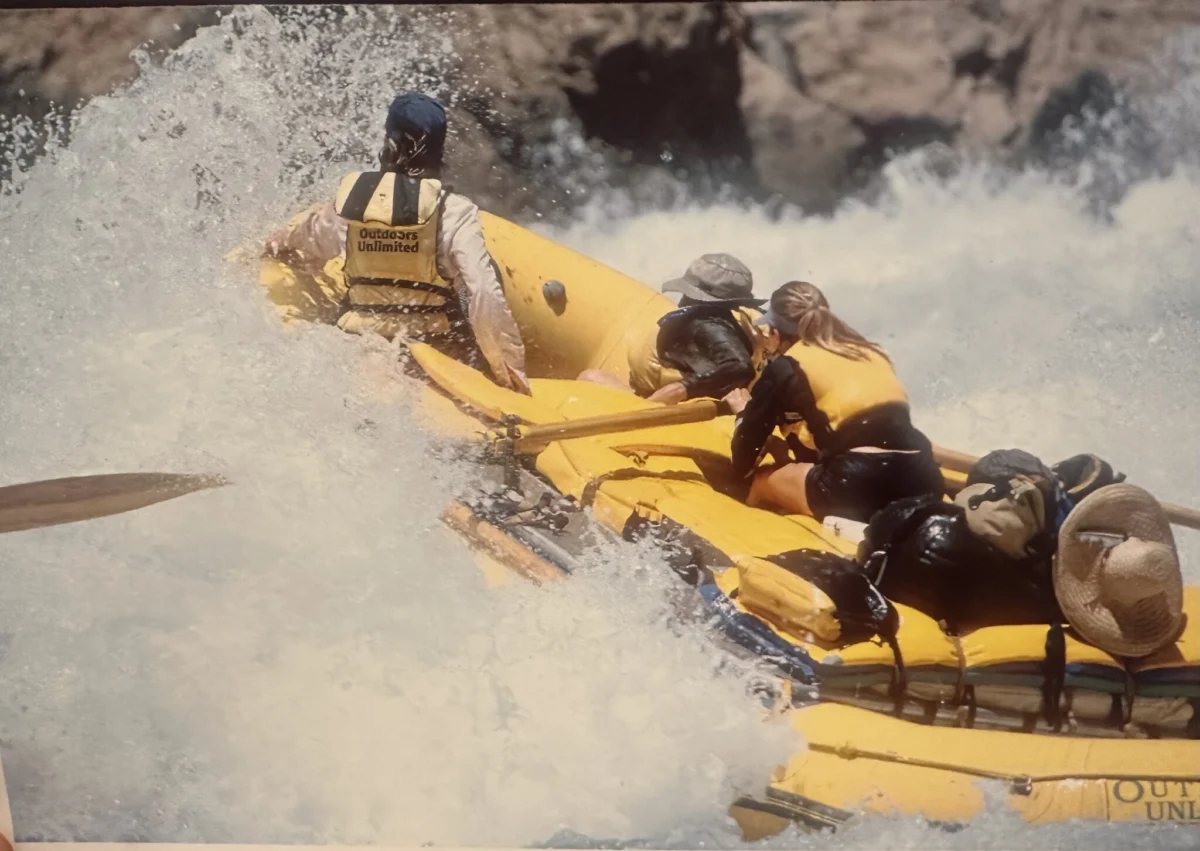
- Recreation Revenue: The river supports a robust angling, boating, and hunting economy that brings significant annual revenue to the Teton Valley, proving that a "wild" river has immense tangible value.
- Water Security via Efficiency: Unlike the 1970s, where "more water" meant "more storage," contemporary solutions rely on "smart water" management. By upgrading irrigation infrastructure and managing groundwater recharge, local stakeholders have found ways to sustain agriculture without needing to flood the canyon again.
The Collaborative Model: A Shift in the Western Paradigm
For generations, the "Western Water War" has been framed as a zero-sum game: it is either the farmers or the fish, the irrigators or the environmentalists. The Teton Valley has effectively dismantled this dichotomy.
Scott Bosse, Director of the Northern Rockies Region for American Rivers, highlights the success of these local collaborations in the documentary Second Chance. "What is happening in the Teton River Valley, where conservationists, farmers, and irrigators are coming together with innovative solutions, is a model for the West," says Bosse. "They are meeting each other’s needs without building big dams. It is a unique culture that’s been built, especially on the upper Teton, and I’d like to see it replicated."
This shift requires a move away from top-down engineering toward localized, bottom-up management. By focusing on the health of the watershed rather than the capacity of a reservoir, stakeholders have fostered a system where agriculture remains viable even in drought years, and the river continues to support its native wildlife.
The Implications: Why the Debate Matters Now
Despite the success of the last fifty years, the prospect of rebuilding the Teton Dam has been periodically revived by certain downstream interests. The argument typically centers on the desire for a "guaranteed" water supply for high-demand irrigation periods. However, those advocating for the dam often ignore the massive financial, environmental, and safety costs associated with such an endeavor.
The Risks of Re-damming:
- The Loss of Progress: Rebuilding the dam would inundate the canyon, destroying the riparian habitat that has taken five decades to restore. It would effectively undo the conservation investments made by taxpayers and private donors.
- Modern Uncertainty: In an era of climate change, the hydrological patterns of the 1970s are no longer reliable. Relying on a single, massive dam is a fragile strategy compared to a decentralized network of water efficiency and conservation projects.
- The Legacy of 1976: The catastrophic failure of the original dam serves as a permanent reminder of the limitations of human engineering against the volatile nature of the Teton’s geology.
The Path Forward
The implications for the region are clear: the community has a choice between a resilient, collaborative future and a rigid, high-risk past. If the Teton Dam were to be reconstructed, it would ignore the progress already being made through innovative approaches that prove healthy rivers and healthy communities can succeed together.
As Scott Bosse notes, the Teton River’s resurrection is a rare gift. "That river almost died in 1976. It’s had a resurrection. You don’t get many second chances in life, and you’ve got to seize them when you do."
Conclusion: A Call to Action
The Teton River represents the best of the American West: a landscape that has been allowed to heal, a community that has learned to cooperate, and an ecosystem that continues to thrive. Protecting the river is not just an act of environmentalism; it is an act of fiscal and social responsibility.
As the debate continues, it is imperative that policymakers, residents, and stakeholders look at the empirical evidence provided by the last fifty years. The Teton River has shown us that water security does not require the destruction of our most precious landscapes. It requires innovation, partnership, and the courage to choose a sustainable path over an outdated one.
The Teton River got a second chance. Now, it is up to the people of the Northern Rockies to ensure that this chance is not squandered.
For those interested in learning more about the ongoing efforts to protect the river, visit the Fishcamp Collab for Conservation to watch the short film "Second Chance" and learn how you can contribute to the preservation of this iconic waterway.