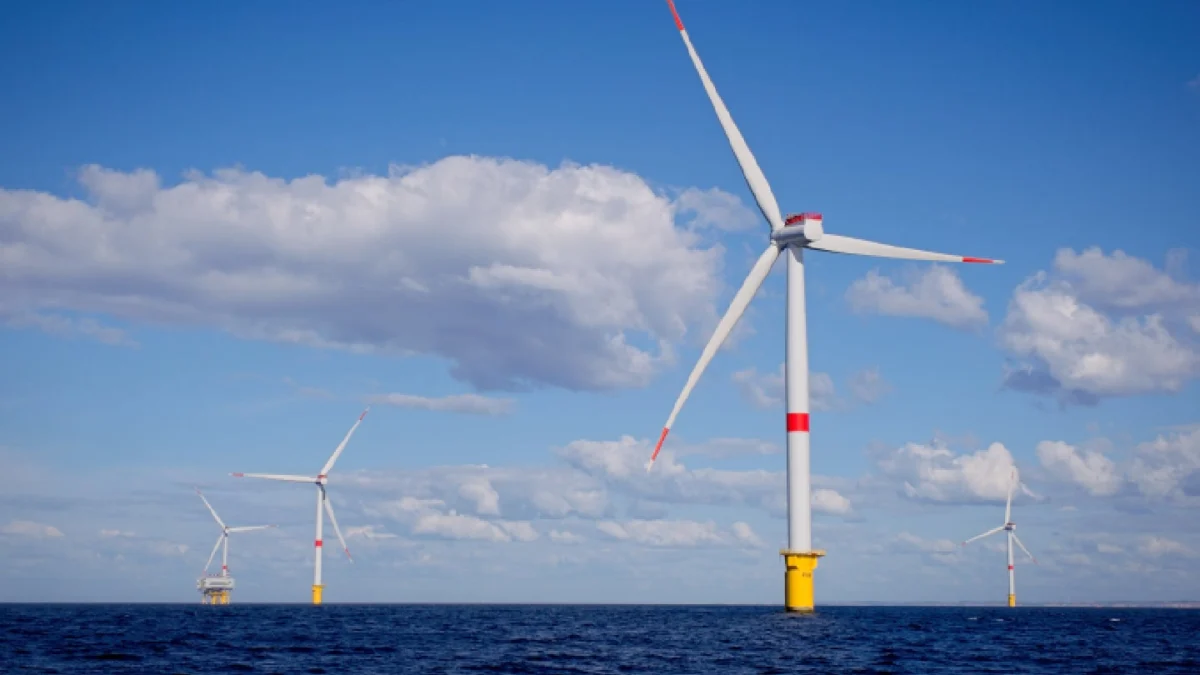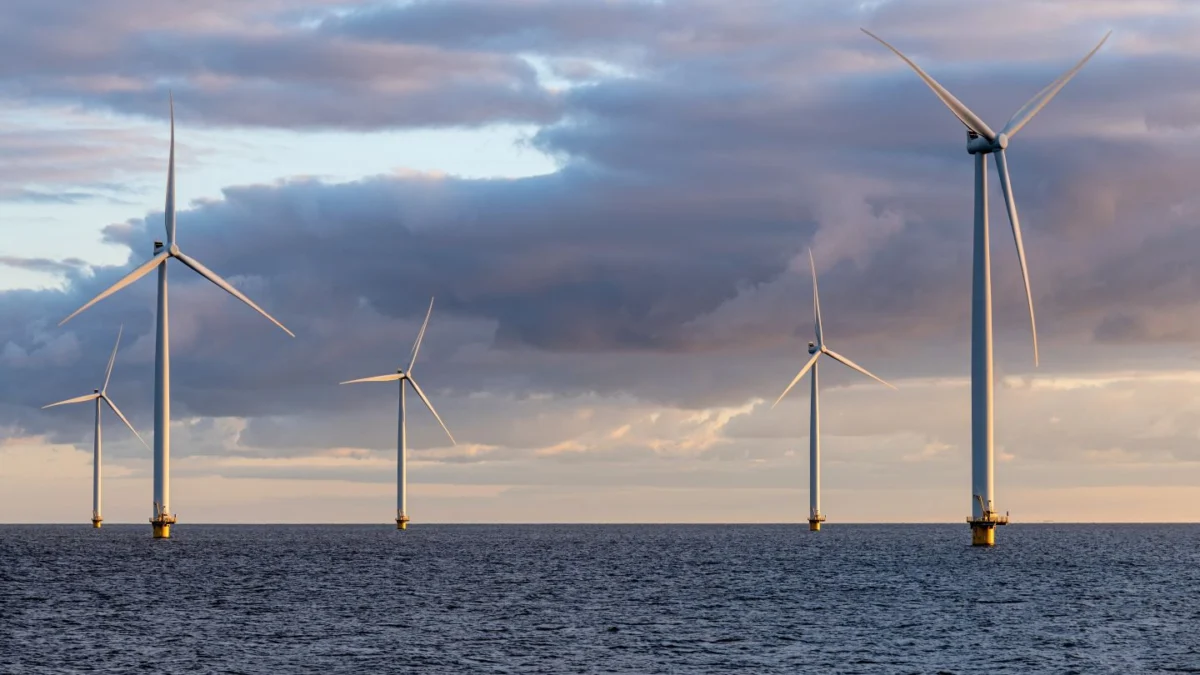
In a high-stakes confrontation between state climate policy and federal energy priorities, the State of California has launched a sweeping legal challenge against the Trump administration. At the heart of the dispute is the abrupt cancellation of a multi-billion-dollar offshore wind project off the Central Coast, replaced by a federal agreement that mandates the developer, Golden State Wind, redirect its capital into out-of-state fossil fuel ventures.
The lawsuit, filed by California Attorney General Rob Bonta in coordination with the California Energy Commission (CEC), alleges that federal authorities engaged in a “backroom buyout” that bypasses established legal procedures and threatens the state’s ambitious transition to renewable energy.
The Genesis of the Dispute: A $120 Million Pivot
The conflict centers on a leasehold within the Morro Bay Wind Energy Area, an offshore site that was the crown jewel of a landmark 2022 federal auction. Golden State Wind had originally secured the site with a $120 million bid, positioning itself as a cornerstone of California’s maritime renewable energy expansion. Beyond the lease fee, the developer had committed an additional $30 million toward localized workforce development, supply chain strengthening, and community support initiatives.
However, in April 2026, the Department of the Interior (DOI) dropped a bombshell: the termination of the lease. The official justification cited “national security concerns”—a broad rationale that the state claims masks a political pivot. Under the terms of the termination, the federal government agreed to reimburse Golden State Wind the $120 million it originally paid for the lease. The kicker, and the primary point of legal contention, is the requirement that the developer pivot its investment focus away from California’s coast and into fossil fuel projects outside the state’s borders.
Chronology of a Collapsing Partnership
The timeline of the project highlights the friction between state-level climate goals and shifting federal mandates:
- December 2022: The Bureau of Ocean Energy Management (BOEM) holds a historic offshore wind auction for the Morro Bay and Humboldt wind energy areas. Golden State Wind secures its lease, signaling a new era for Pacific Coast renewable power.
- 2023–2025: Extensive environmental reviews and negotiations with the Department of Defense (DoD) occur. The project clears various hurdles, with state officials believing the site is “de-conflicted” from military training operations.
- April 2026: The DOI abruptly terminates the lease, citing sudden national security concerns. The federal government enters into a settlement-like agreement with Golden State Wind to facilitate the payout and the pivot to fossil fuel investments.
- August 2026: California files a formal lawsuit, arguing the federal government exceeded its authority under the Outer Continental Shelf Lands Act and misapplied the Judgment Fund Act.
- Present: The CEC issues administrative subpoenas, seeking to uncover the internal communications that led to the abrupt reversal of the multi-year project.
Legal Arguments: Overstepping Federal Bounds
California’s legal strategy is two-pronged. First, it challenges the validity of the payout. The state argues that the $120 million reimbursement was facilitated via the Judgment Fund Act—a mechanism typically reserved for court-ordered settlements—despite there being no active litigation or adverse court judgment against the government prior to the payout. California contends this was a manufactured deal, not a legal necessity.
Second, the state argues that the Department of the Interior exceeded its statutory authority under the Outer Continental Shelf Lands Act. According to the filing, the federal government had already performed years of exhaustive due diligence alongside the Department of Defense. To suddenly claim “national security” without offering a transparent, evidence-based review process suggests an arbitrary and capricious decision-making process that violates the Administrative Procedure Act.
"The Trump Administration’s backroom buyout with Golden State Wind to stop offshore wind development in favor of gas and oil drilling is, unfortunately, a classic playbook for them to line the pockets of their Big Oil donors," Attorney General Bonta stated during a press conference following the filing.
The Economic and Environmental Stakes
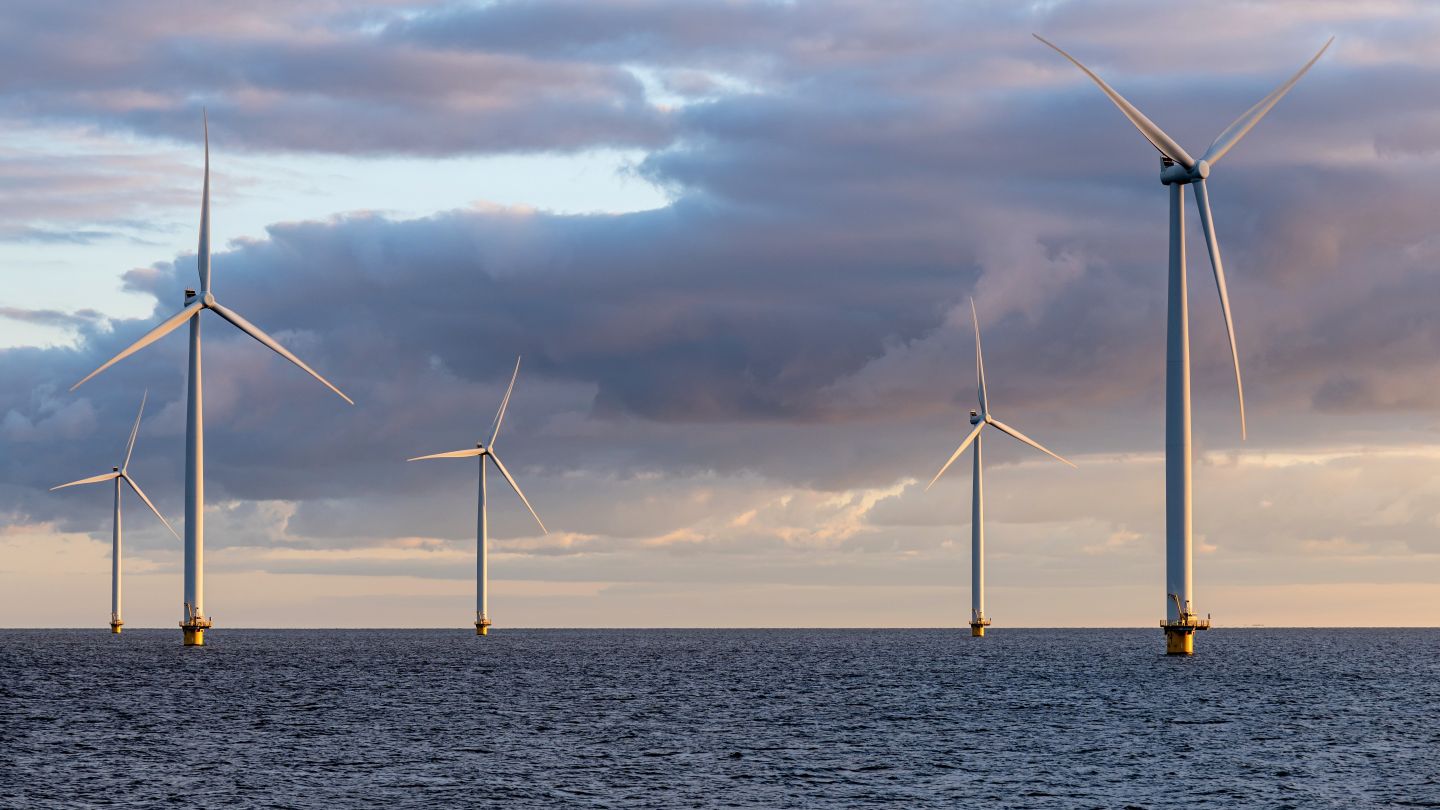
The implications of this cancellation extend far beyond the Morro Bay area. California’s 2045 mandate aims to develop 25GW of offshore wind power, a capacity sufficient to supply electricity to 25 million homes—roughly 13% of the state’s total energy demand.
Infrastructure and Job Losses
The state’s filing highlights the tangible economic damage already incurred. More than $100 million has been invested in port upgrades and transmission infrastructure specifically designed to accommodate the heavy-lift requirements of floating wind turbines. Furthermore, the state projects that the loss of the Morro Bay project jeopardizes over 174,750 high-paying, union-represented jobs that were expected to materialize during the construction and maintenance phases of the project.
The Climate Target Gap
With the removal of the Morro Bay lease, the path to the 25GW goal has become significantly more treacherous. The CEC warns that this cancellation creates a “chilling effect” on private investment. If developers perceive that federal leases can be revoked at the whim of changing administrations—and then redirected to competing energy sources—the cost of capital for future renewable projects will inevitably rise, potentially rendering the state’s climate targets unattainable.
Official Responses and the Road Ahead
The federal government has yet to provide a detailed rebuttal to the specific claims in the lawsuit, though spokespersons have previously maintained that national security overrides commercial energy interests in the Pacific theater.
Conversely, the state of California is doubling down. By issuing administrative subpoenas, the CEC is attempting to pull back the curtain on the negotiations between the DOI and Golden State Wind. They are specifically looking for evidence of coordination with fossil fuel industry lobbyists and documentation that contradicts the "national security" narrative.
"California will continue to aggressively fight back against the Trump administration’s outrageous abuse of taxpayer dollars to abandon offshore wind investments," Bonta emphasized. "We are talking about reliable clean energy that was ready to be brought online. Instead, the administration has chosen to prioritize the interests of the fossil fuel lobby over the long-term energy security of the American people."
Broader Implications: A Test of Federalism
This case is poised to become a landmark legal battle regarding the limits of executive power in energy policy. It tests whether the federal government, acting through the Department of the Interior, can unilaterally dissolve commercial agreements to redirect industrial capital toward specific, politically favored energy sectors.
If the court sides with California, it could establish a precedent that protects state-level renewable initiatives from sudden, politically motivated federal interference. If the court sides with the federal government, it will signal a significant erosion of the "regulatory certainty" that renewable energy developers have relied upon to commit billions of dollars to the energy transition.
For now, the Morro Bay wind project remains in legal limbo. The court’s decision on the request to halt the implementation of the agreement and restore the lease will serve as a bellwether for the future of the West Coast’s green economy. As the case proceeds, the spotlight remains on the intersection of national security, economic policy, and the urgent, often fractious, shift toward a decarbonized future.