The global race toward decarbonization has found a new focal point in the Taiwan Strait. Danish renewable energy giant Ørsted has officially unveiled plans for "Dadu 2," a massive offshore wind development in Taiwan that promises to significantly bolster the nation’s renewable energy capacity. With a proposed output of up to 2GW, the project marks a strategic milestone in Ørsted’s commitment to the Asia-Pacific market and aligns perfectly with Taiwan’s aggressive national policy to phase out fossil fuels in favor of a sustainable, green energy mix.
Main Facts: A Colossal Infrastructure Undertaking
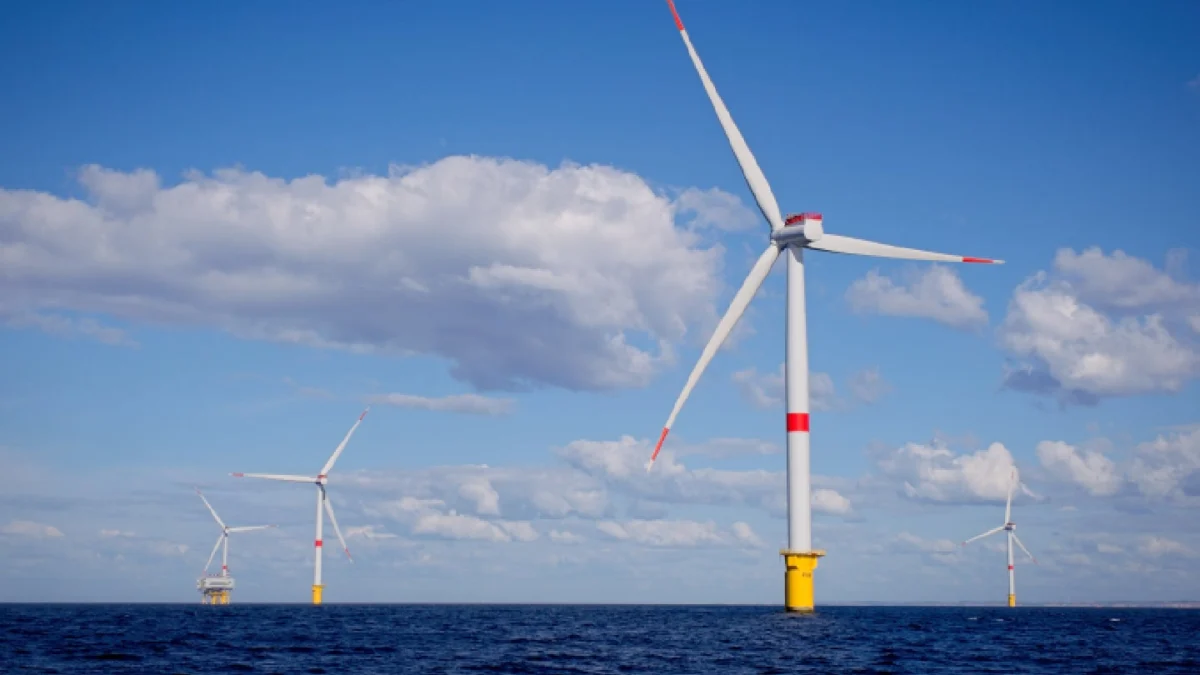
The Dadu 2 project is slated to occupy a substantial maritime territory of approximately 234.6 square kilometers. Situated in the Taiwan Strait, the site is positioned roughly 38 kilometers off the coast of Changhua County—a region that has already become a central hub for offshore wind development in Taiwan.
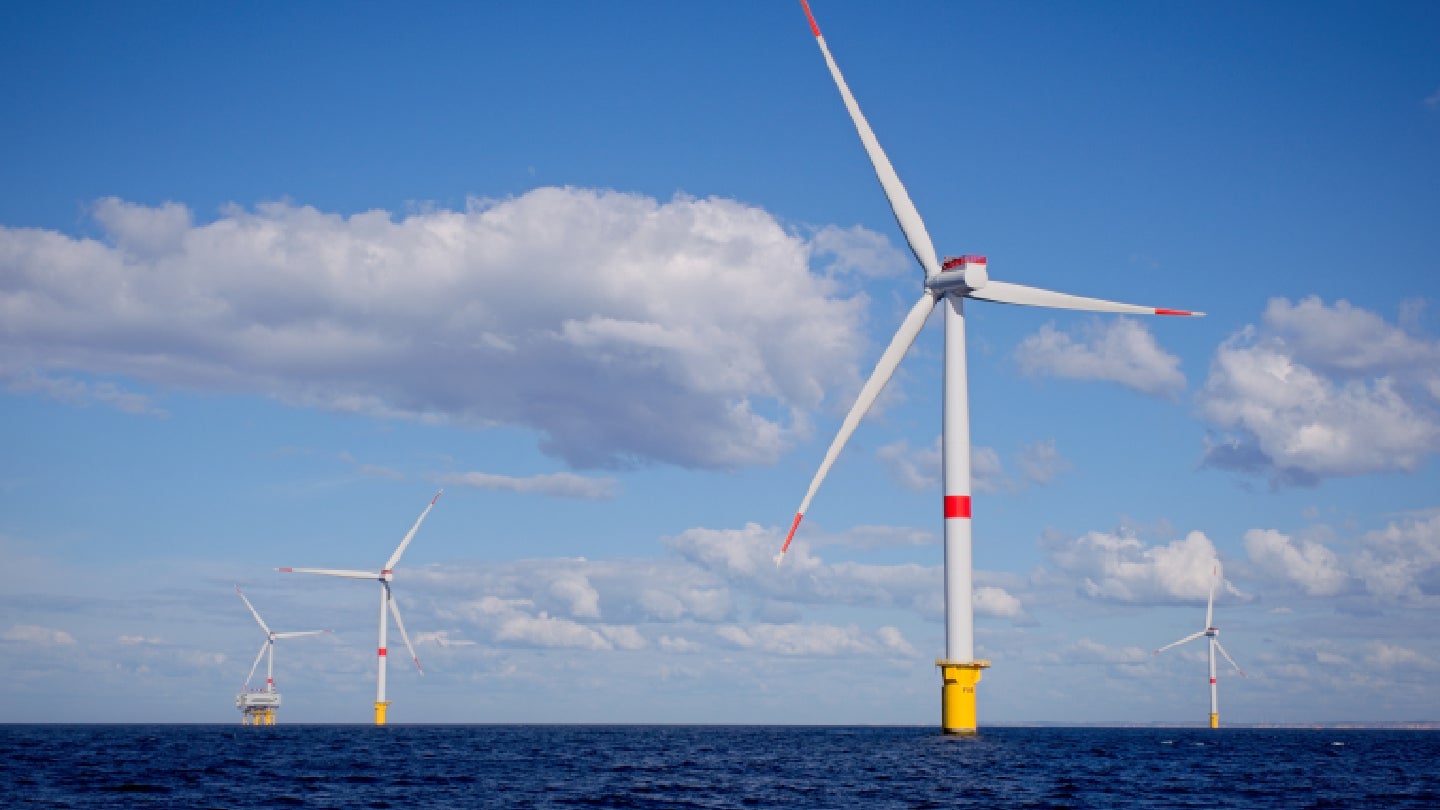
The technical specifications currently proposed for Dadu 2 highlight the sheer scale of modern offshore engineering. Ørsted is considering the installation of between 91 and 143 state-of-the-art wind turbines. To maximize power generation efficiency, the company is looking at turbine units with individual capacities ranging from 14MW to 22MW. These colossal structures, which dwarf earlier generations of wind technology, are designed to harness the consistent wind resources of the strait.
The project’s electrical infrastructure is equally significant. Export cables are expected to be routed to land north of the designated Changhua offshore wind cable corridor. Once reaching the shore, the electricity will be channeled through a dedicated onshore substation before being integrated into the grid facilities managed by the Taiwan Power Company (Taipower), ensuring that the clean energy is effectively distributed to the national grid.
Chronology: From Concept to Environmental Scrutiny
The development of Dadu 2 did not emerge in a vacuum; it is the culmination of years of strategic planning by Ørsted. The project follows the conceptualization of its predecessor, Dadu 1, a 924MW facility currently moving through the regulatory pipeline.
- Mid-2026: Ørsted formalizes the proposal for Dadu 2, initiating the environmental assessment phase.
- August 13, 2026: A critical public consultation meeting is held in Changhua County, marking a vital step in the transparency and social acceptance process required for large-scale infrastructure in Taiwan.
- Ongoing: The project remains in the environmental impact assessment (EIA) stage, where regulators, stakeholders, and local communities evaluate the potential ecological and socio-economic footprints of the construction.
- Future Milestones: Following the conclusion of the public consultation and environmental review, Ørsted expects to finalize the turbine selection, construction timelines, and procurement strategies.
The Dadu 1 project, meanwhile, has reached a critical junction, with its Environmental Impact Statement (EIS) recently completed and filed with the Ministry of Environment. The parallel development of Dadu 1 and Dadu 2 underscores Ørsted’s long-term investment strategy in the region.
Supporting Data and Technical Context
To understand the impact of Dadu 2, one must look at the technical requirements of modern wind farming. The use of 14MW to 22MW turbines represents a significant leap in energy density. By utilizing larger turbines, developers can reduce the number of foundations required, thereby minimizing the disturbance to the seabed and marine life.
Current proposals suggest the use of "jacket foundations"—a steel lattice structure that is robust and suitable for the water depths and soil conditions found off the coast of Changhua. This choice reflects the high level of technical rigor required to withstand the harsh conditions of the Taiwan Strait, including potential seismic activity and typhoon-level wind speeds.
The grid integration strategy is also a key area of focus. By coordinating with the Taiwan Power Company, Ørsted ensures that the Dadu 2 project is not merely an isolated generation site, but a fully functional component of the national grid. The reliance on existing or planned future grid facilities operated by Taipower is essential for maintaining grid stability as Taiwan moves away from traditional baseload power sources like coal and nuclear energy.
Implications for Taiwan’s Energy Mix
Taiwan’s energy policy has been defined by a need for rapid decarbonization and energy security. As an island nation with limited land for solar farms, offshore wind has become the primary pillar of its "Energy Transition" policy. The addition of a 2GW project like Dadu 2 is transformative.
- Grid Decarbonization: A 2GW plant, if fully operational, can provide a massive influx of carbon-free electricity, significantly reducing the country’s reliance on imported liquefied natural gas (LNG) and coal.
- Economic Growth: The project stimulates the local supply chain. From the assembly of turbine components to the maintenance and servicing of the offshore platforms, the project is expected to create thousands of jobs in the local maritime and engineering sectors.
- Regional Leadership: By hosting some of the world’s most advanced offshore wind projects, Taiwan is cementing its position as the premier offshore wind market in the Asia-Pacific region, attracting further international investment and expertise.
Ørsted’s Global Strategic Vision
While the Dadu projects command attention in Asia, Ørsted remains a global powerhouse. Their expertise is not limited to wind. Earlier this month, the company successfully launched the "Old 300 Storage" battery facility in Needville, Texas. This facility, now fully integrated into the Electric Reliability Council of Texas (ERCOT) grid, demonstrates Ørsted’s holistic approach to the energy transition: generating power through wind and solar and managing that power through advanced battery storage solutions.
The transition from the Texas project to the Dadu 2 project in Taiwan illustrates the developer’s diverse geographic and technological portfolio. Ørsted is applying lessons learned from their European wind farms—where they pioneered the offshore wind industry—to the unique environmental and regulatory landscapes of the US and Taiwan.
Conclusion: The Road Ahead
As the Dadu 2 project moves through the environmental assessment process, the focus will shift toward balancing engineering ambition with environmental stewardship. The public consultation process is a vital component of this, as it allows local residents and fishing communities to voice their concerns regarding maritime access and ecological impact.
For Ørsted, the path forward involves rigorous adherence to the Ministry of Environment’s standards. The successful deployment of Dadu 2 would not only be a triumph of renewable energy technology but also a testament to the viability of large-scale international collaboration in achieving global climate goals. As the final configurations are determined and the project nears the construction phase, Dadu 2 stands as a beacon of what the future of global energy infrastructure looks like: large, clean, and increasingly integrated into the very heart of national grids.
The coming months will be decisive. As the environmental review concludes and the project moves closer to financial close, the eyes of the global renewable sector will remain fixed on the Taiwan Strait, watching as Ørsted attempts to turn another 2GW of wind into a sustainable reality for millions of homes.