By Marjaana Toivonen | September 1, 2026
In the quiet, dew-drenched hours of a Finnish summer night, the agricultural landscape undergoes a transformation. While the sun sets and the day-active pollinators—the familiar bumblebees and honeybees—return to their hives and nests, a different world awakens. Or, at least, that is the theory. For the past eighteen months, I have been immersed in a research project aimed at answering a fundamental question for Finnish food security: what exactly is happening on our fields after dark, and does the nocturnal shift play a role in the yields we harvest?
As any researcher will tell you, science is rarely a linear path. It is characterized by a persistent, often frustrating, unpredictability. When I first set out to document the nocturnal pollination of agricultural crops, I operated under the optimistic assumption that these night-shift workers would be easy to find. The reality, however, has proven to be a much more complex puzzle.
The Motivation: Lessons from Abroad
My interest in this subject was sparked by a growing body of international research. Studies conducted in Central Europe and North America have increasingly highlighted the hidden importance of nocturnal pollinators—moths, beetles, and certain flies—in supporting crop yields. These creatures are not merely incidental visitors; in some ecosystems, they are vital for the fertilization of fruit and vegetable crops.
In Finland, however, the data has been sparse. We know a great deal about our daytime pollinators, but the "night crew" remains a largely unknown variable in our agricultural equation. I wanted to understand which nocturnal species roam our fields, what factors influence their population density, and, ultimately, how significant their contribution is to our food production.
Chronology of an Investigation: From Expectations to Evidence
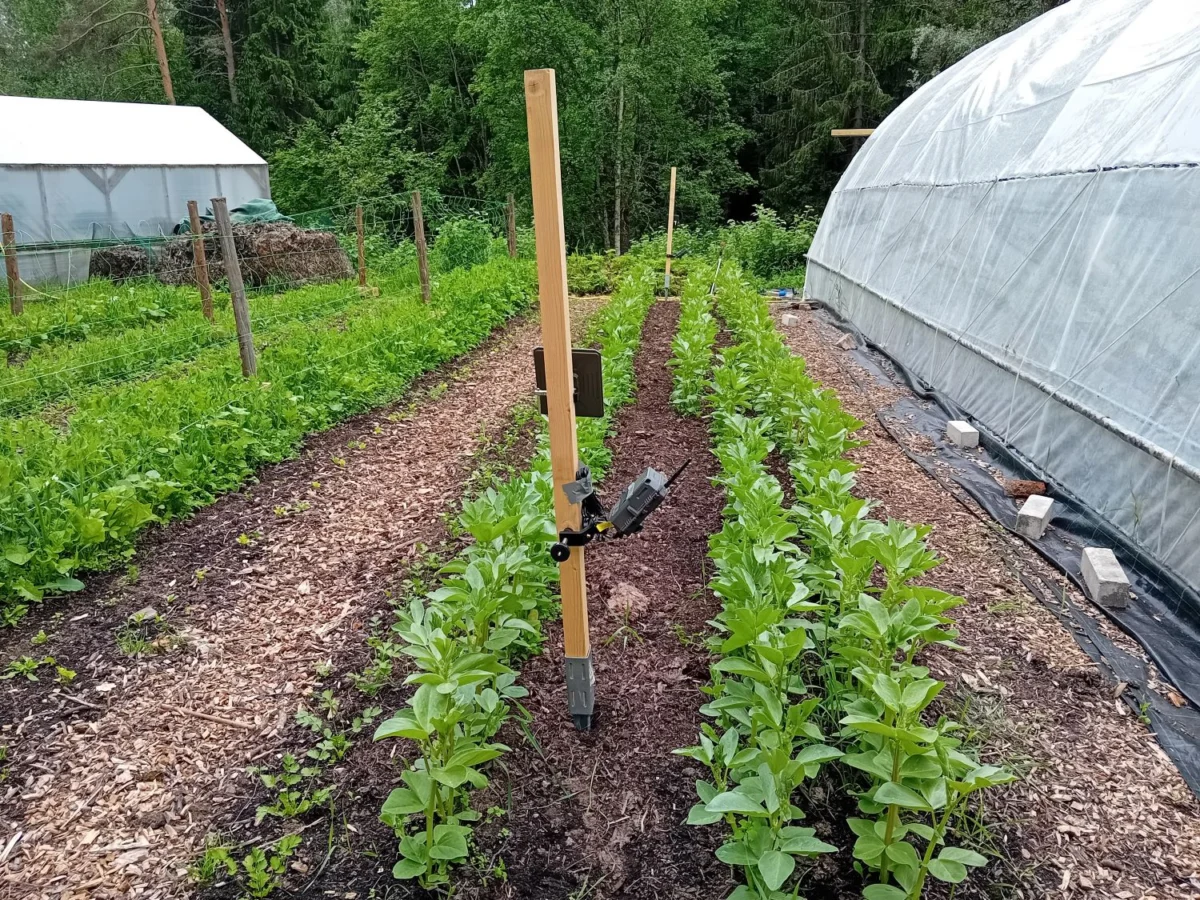
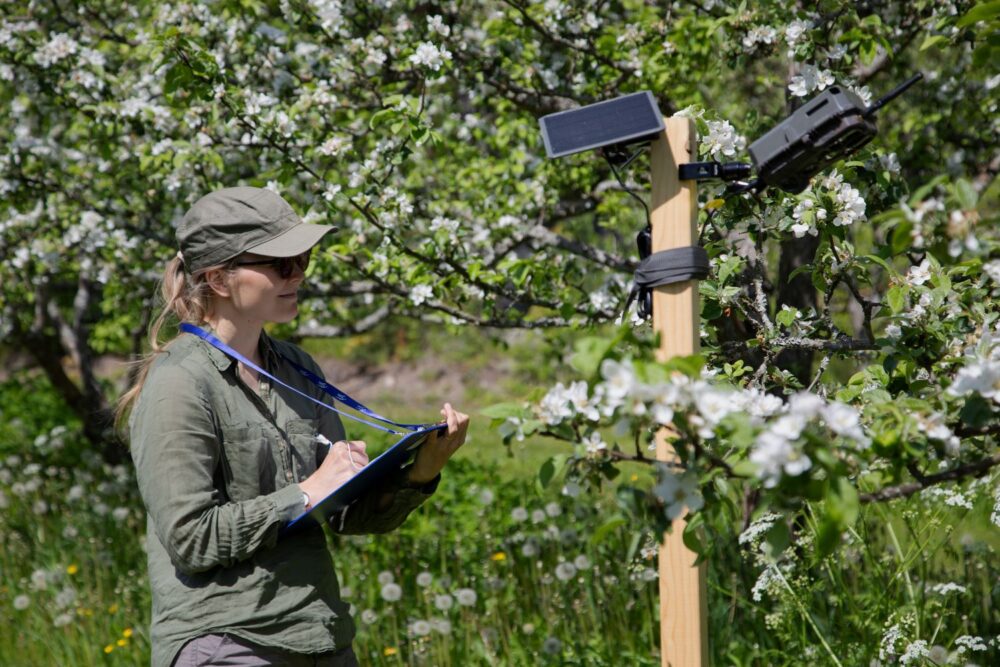
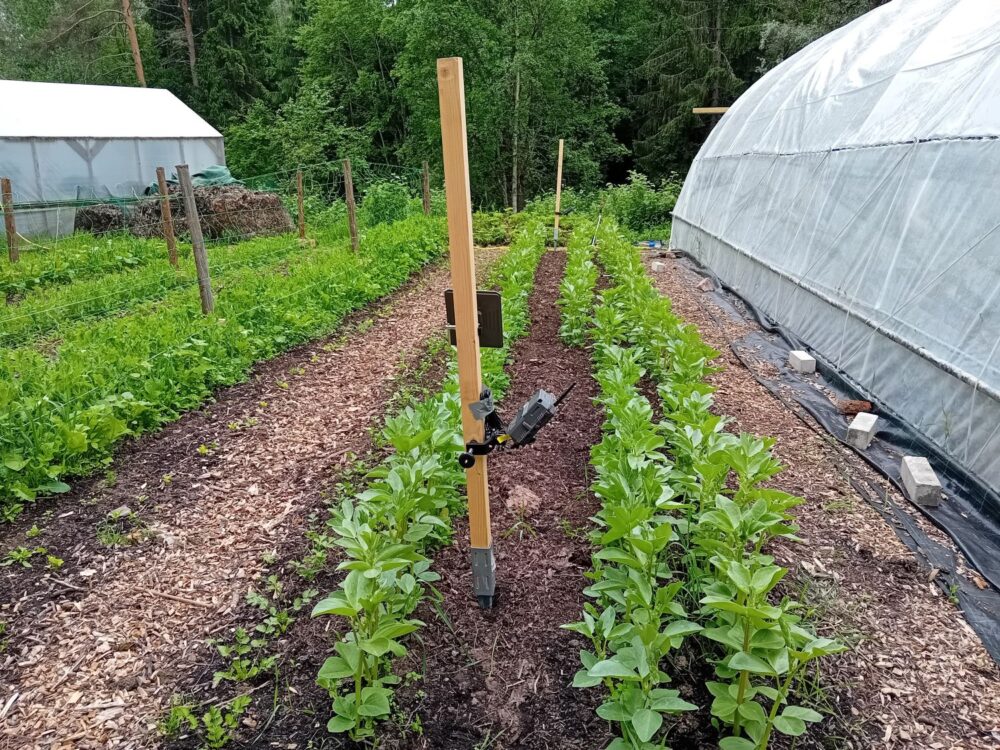
The project began with a deliberate choice: I did not want to spend my nights standing in cold, damp fields with a flashlight. Instead, my research partner, Paula Humberg, and I turned to technology. We opted for a remote monitoring approach, utilizing trail cameras to capture the interaction between pollinators and flowers.
Phase One: The Pilot Study
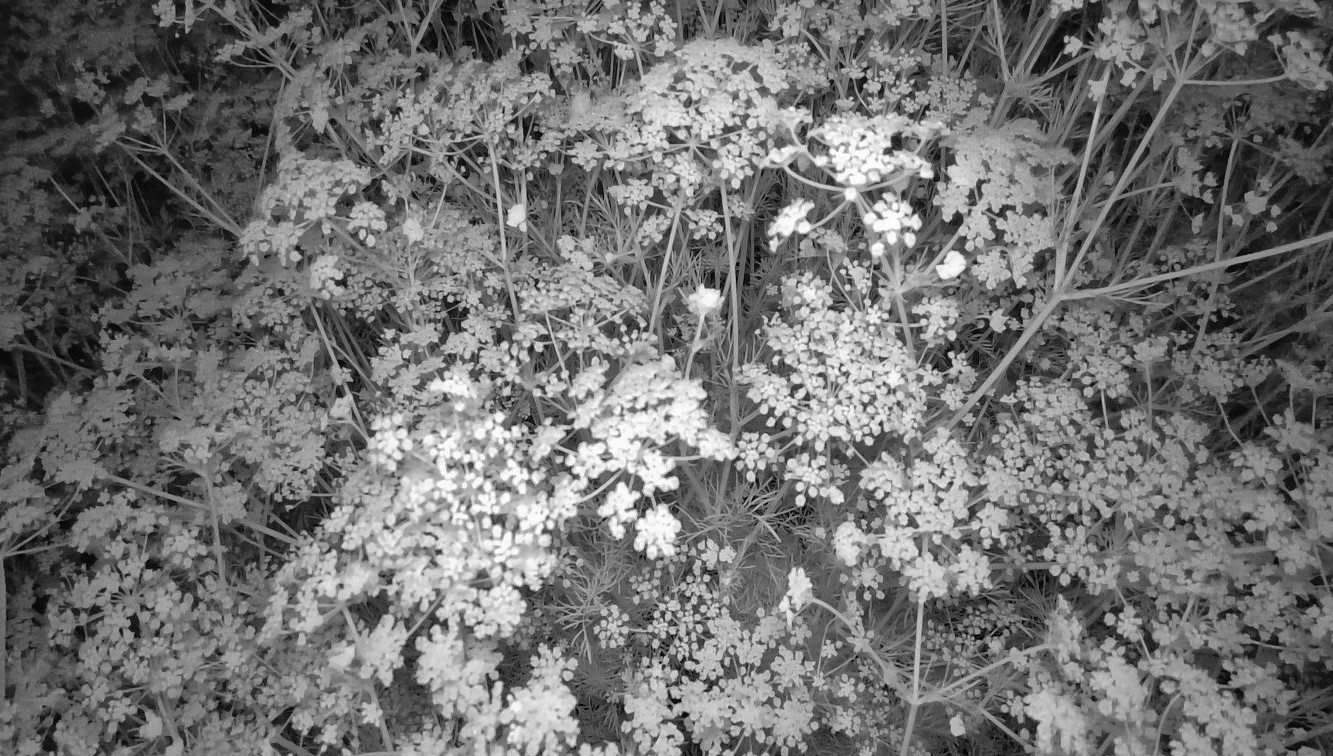
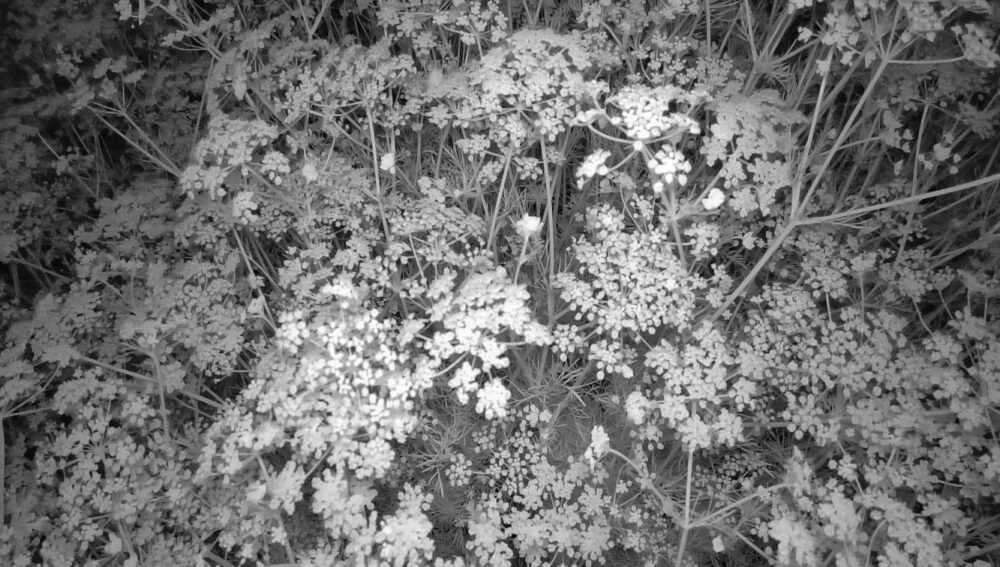
In May and June of last year, we deployed five high-resolution cameras to monitor the flowering stages of apple trees and caraway crops. The methodology was straightforward: the cameras were set to capture images every 10 seconds, 24 hours a day, throughout the entire blooming period.
The initial results were surprising, though perhaps not in the way we had anticipated. The camera-trap method proved highly effective for observing behavior, particularly in apple orchards. However, the data revealed a striking absence: our nocturnal pollinators were largely missing. The only moth captured on camera during the night hours appeared at 6:30 AM—hardly the middle of the night. Aside from a few lacewings drifting through the frame, the "night shift" appeared to be clocking out early.
Phase Two: A Broader Scope
Despite the lack of nocturnal activity, the pilot study yielded unexpected dividends. We discovered that our camera-based monitoring provided a much more comprehensive view of pollinator diversity than traditional field observations. Traditional counts, which rely on a researcher standing in a field for short, intermittent periods during the day, are prone to human error and bias. The cameras, conversely, captured the "invisible" pollinators—those small, silent insects that often go unnoticed by the human eye.
We found that the species composition of our fields changed significantly between early morning, midday, and evening. The cameras revealed that the "daytime" population is far more dynamic than we previously realized.
Supporting Data and Methodology
The shift from direct observation to automated monitoring has become a cornerstone of our methodology. By analyzing thousands of images, we have been able to map the temporal distribution of insect activity with a precision that was previously impossible.
The Value of Technology in Ecology
The use of trail cameras has allowed us to overcome the "observer effect," where the presence of a human in the field alters the behavior of the insects being studied. Furthermore, the ability to review the footage in slow motion or zoom in on specific floral structures has allowed us to identify smaller, less conspicuous pollinators that would otherwise be missed.
Our current data set, which now spans over ten different crop types, suggests that while some crops are buzzing with activity at dawn and dusk, the deep-night activity remains elusive. We are currently focusing our efforts on smaller, more biodiverse farms. We hypothesize that these environments, which offer a greater variety of nesting sites and food sources, are the most likely candidates to host a healthy population of nocturnal pollinators.
Implications for Finnish Agriculture
The central question remains: If we do not find significant nocturnal activity, what does that mean for Finnish farmers?
If our research ultimately confirms that nocturnal pollinators are scarce or non-existent in certain regions, it suggests that the "nocturnal pollination service" may be negligible in our specific climate. However, if we find that certain crops are reliant on these insects, the implications for agricultural policy are profound.
- Biodiversity Management: If we identify "pollinator hotspots" on farms, it could lead to new management practices designed to protect these habitats.
- Yield Optimization: Understanding which insects visit which crops at which times of day allows farmers to better time their pesticide applications to avoid harming beneficial species.
- Resilience: A more diverse pollinator community—both day and night—acts as an insurance policy for crop yields against the unpredictable effects of climate change.
Official Responses and Scientific Context
The broader scientific community in Finland has shown keen interest in this project. As agriculture faces increasing pressure to balance productivity with environmental sustainability, the role of ecosystem services like pollination is under the microscope.
Dr. Helena Väre, an agricultural entomologist not involved in the study, notes: "The beauty of this research lies in its willingness to challenge assumptions. We often borrow ecological models from warmer climates, but Finland’s short, bright nights present a unique environmental pressure. If the pollinators aren’t there, we need to know why—and we need to know what that means for our food security."
Looking Ahead: The Search Continues
As I look forward to the analysis of this summer’s images, I do so with a mix of curiosity and scientific humility. The research has already forced me to take a step back and recalibrate. We have expanded our scope from two crops to ten, covering everything from fava beans to various berry varieties.
If we find that nocturnal pollinators are indeed absent, we will have gained a vital piece of knowledge: we can stop looking for a service that isn’t there and focus our efforts on maximizing the efficiency of our daytime pollinators. If we find that they are present but previously overlooked, we will have unlocked a new understanding of our agricultural ecosystems.
Science, as I have learned, is rarely about proving your hypothesis correct. It is about the rigor of the search. Whether the nights in our fields turn out to be teeming with hidden life or remain silent, the data we collect will be a building block for a better, more sustainable future for Finnish agriculture.
The next few months of image analysis will be intensive, but the reward is the clarity that comes from objective observation. In the world of ecology, every blank space on a map is an invitation to explore. Even when the results are not what you expected, the process of discovery is, in itself, a significant contribution to our understanding of the natural world.