By Samuli Haapasalo
Published August 18, 2026 | Part of the "Year in Nature" series
At first glance, they are easily dismissed—nondescript, "grayish sparrows" that flit through the landscape with little fanfare. To the casual observer, the pipits (Anthus) are merely part of the background noise of the wild, blending seamlessly into the grasses, rocky outcrops, and stunted forests they call home. However, to look closer is to discover a vital ecological narrative. Without the persistent, rhythmic presence of these small birds, the vast, open spaces of the North would fall into a profound, unsettling silence.
Main Facts: The Essential Role of the Pipit
The pipits are members of the family Motacillidae, a group of small, ground-dwelling passerines that punch well above their weight in terms of ecological importance. Whether it is the Meadow Pipit’s (Anthus pratensis) characteristic "ist-ist" call echoing across a damp meadow, or the Northern Lapland-dwelling Red-throated Pipit’s (Anthus cervinus) sharp, drawn-out "psiii" whistle, these birds define the acoustic landscape of the Arctic and boreal zones.
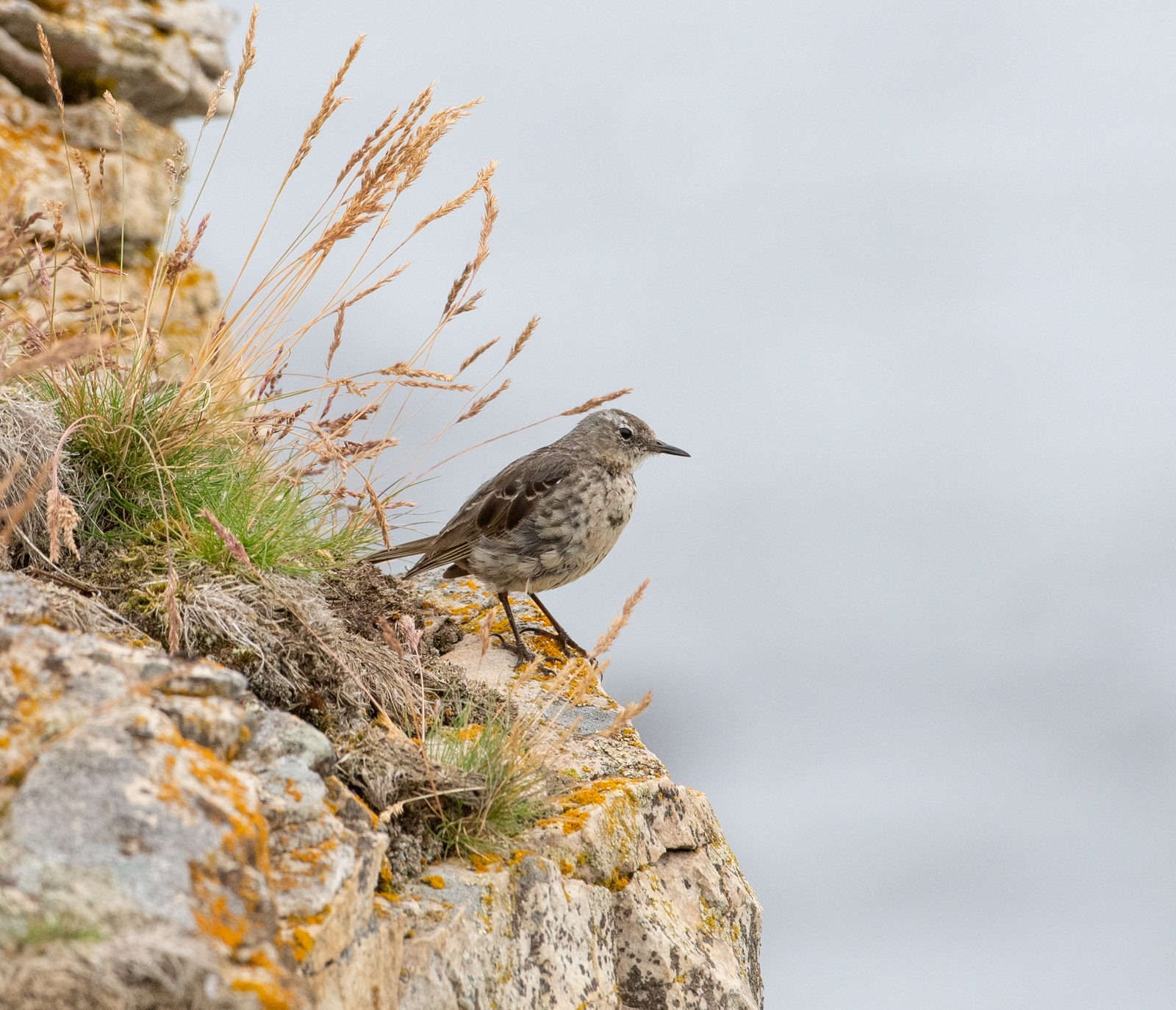
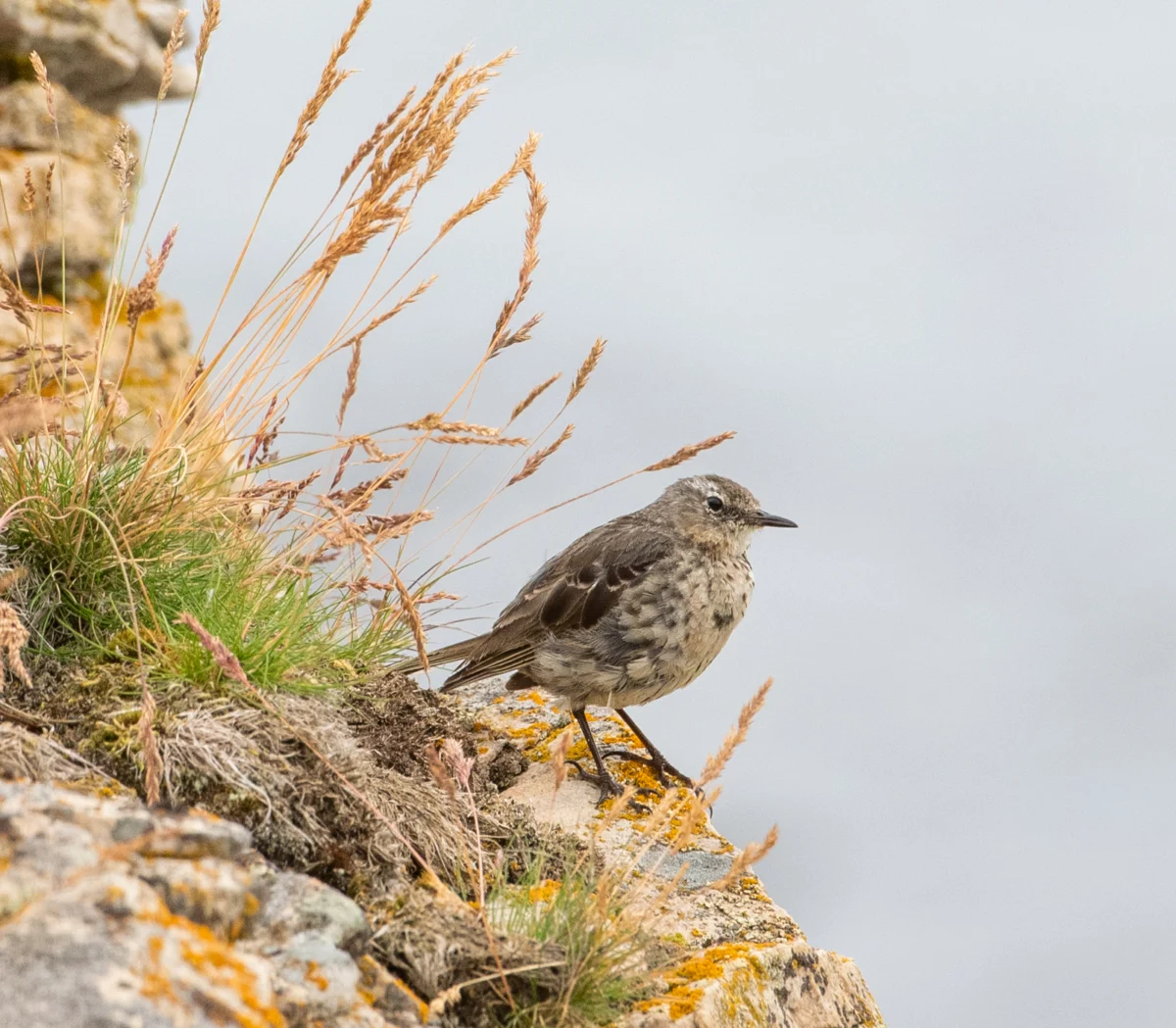
The Rock Pipit (Anthus petrosus), the focus of our recent observations at the Ekkerøy bird cliffs in Norway, is perhaps the most specialized of the group. Thriving in the harsh, wind-battered margins of the coast, it is a master of survival in environments that would daunt most other songbirds. Their presence is not just incidental; they are the avian anchors of the treeless tundra and the rocky shorelines, providing a constant indicator of environmental health in these fragile ecosystems.
Chronology: A Season of Observation at Varanger Fjord
Our recent series of expeditions, conducted between late July and mid-August 2026, focused on the Varanger Fjord region in Northern Norway. This area serves as a critical laboratory for understanding the distribution and behavior of various pipit species.
- Late July 2026: Initial surveys began at the Ekkerøy peninsula. The objective was to document the interaction between the Rock Pipit and the surrounding cliff-dwelling species, particularly the Black-legged Kittiwakes.
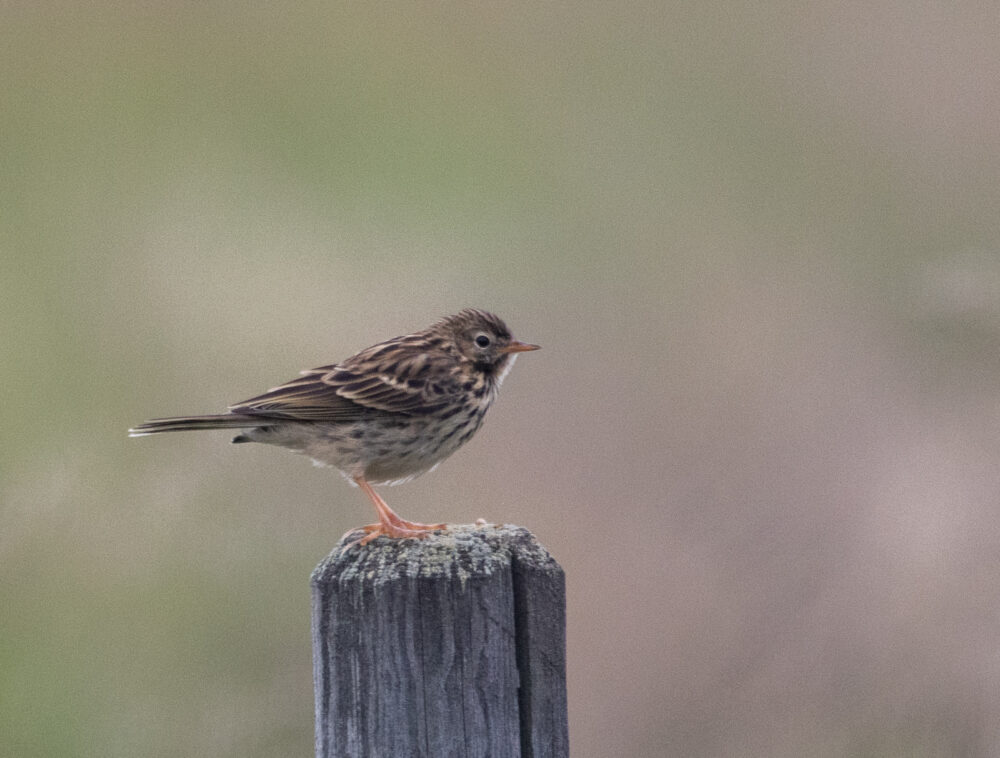
- Early August 2026: Systematic comparisons were made between the Rock Pipit and its more common cousin, the Meadow Pipit. By observing both species in close proximity—often separated by only a few meters of fencing or rock—we were able to isolate key identification markers.
- Mid-August 2026: Final synthesis of data from the Varanger region. The observations have confirmed that while the Rock Pipit remains a specialized breeder in northern coastal areas, its presence is increasingly tied to the stability of the cliff-side micro-habitats it occupies.
Supporting Data: Identification and Comparative Analysis
Distinguishing between pipit species requires a keen eye, as their plumage is often evolved for camouflage rather than display. When observing the Rock Pipit at Ekkerøy, several distinct field marks become apparent compared to the more ubiquitous Meadow Pipit:
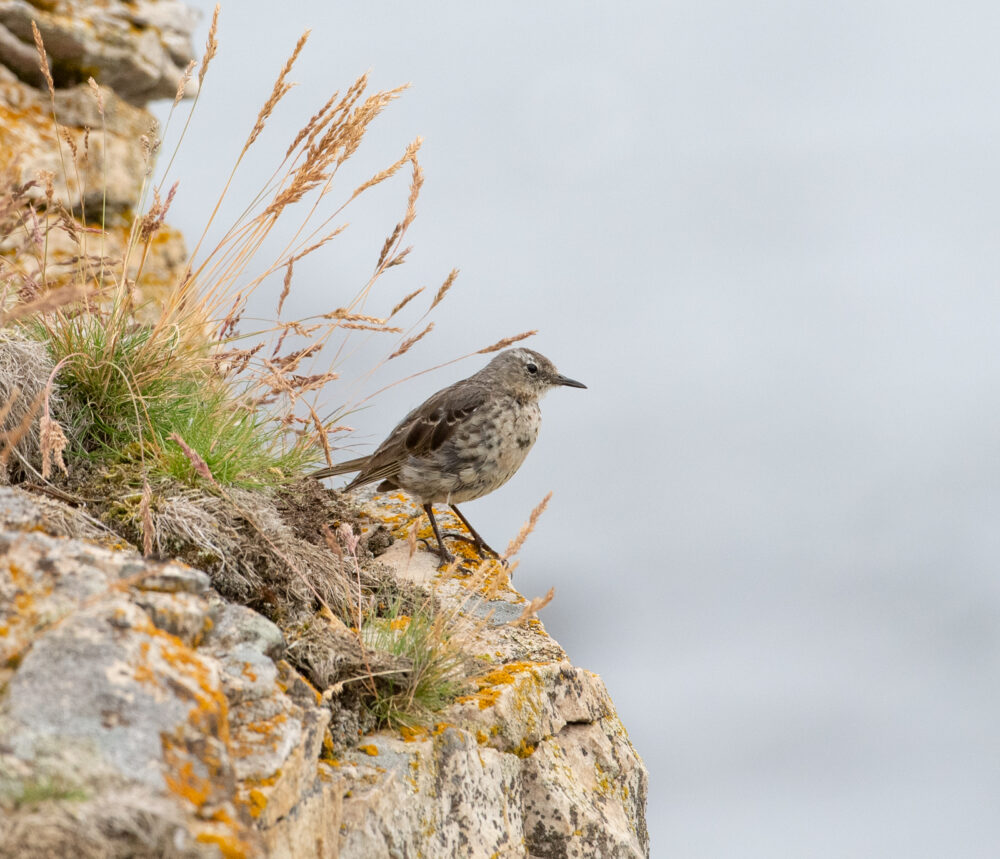
- Morphology: The Rock Pipit possesses notably longer, darker legs, an adaptation suited for navigating slippery, seaweed-covered coastal rocks. Its bill is also longer and more robust, reflecting a diet specialized for coastal invertebrates.
- Facial Markings: While the Meadow Pipit features a prominent, often clean eye-ring and clear facial patterns, the Rock Pipit’s eye-ring is faint, almost indiscernible, and the stripe behind the eye is less defined, creating a "blurrier" appearance that aids in camouflage against granite and basalt.
- Behavioral Niche: The Rock Pipit is one of the few passerines that successfully coexists with colonial seabirds. It maneuvers around the busy, noisy colonies of kittiwakes, utilizing the fringes of these areas to forage. This behavior is reminiscent of the Northern Wheatear, though the Rock Pipit is more strictly bound to the immediate shoreline.
Official Perspectives and Environmental Trends
The status of these birds is not static. Environmental experts have noted that the distribution of northern passerines is shifting. For example, the Snow Bunting—once a common sight across a broad range of open tundra—has seen its numbers decline, with many populations becoming increasingly localized.
Climate change acts as a primary stressor in these northern regions. As temperatures rise, the "tundra" habitat retreats or transforms, forcing species that depend on specific, cold-climate conditions to adapt or face fragmentation. Changes in wintering grounds further down the continent also play a significant role in the survival rates of migratory pipits. In Finland, the Rock Pipit, which nests on the rugged outer islands of the Gulf of Finland and the Bothnian Bay, has historically been sparse, though recent data suggest a slight, encouraging strengthening of the population.
Implications: Why the Pipit Matters
If we lose the pipits, we lose more than just a few species of small birds. We lose the "soundtrack" of the North. The disappearance of their aerial songs would mark a fundamental degradation of the northern wilderness.
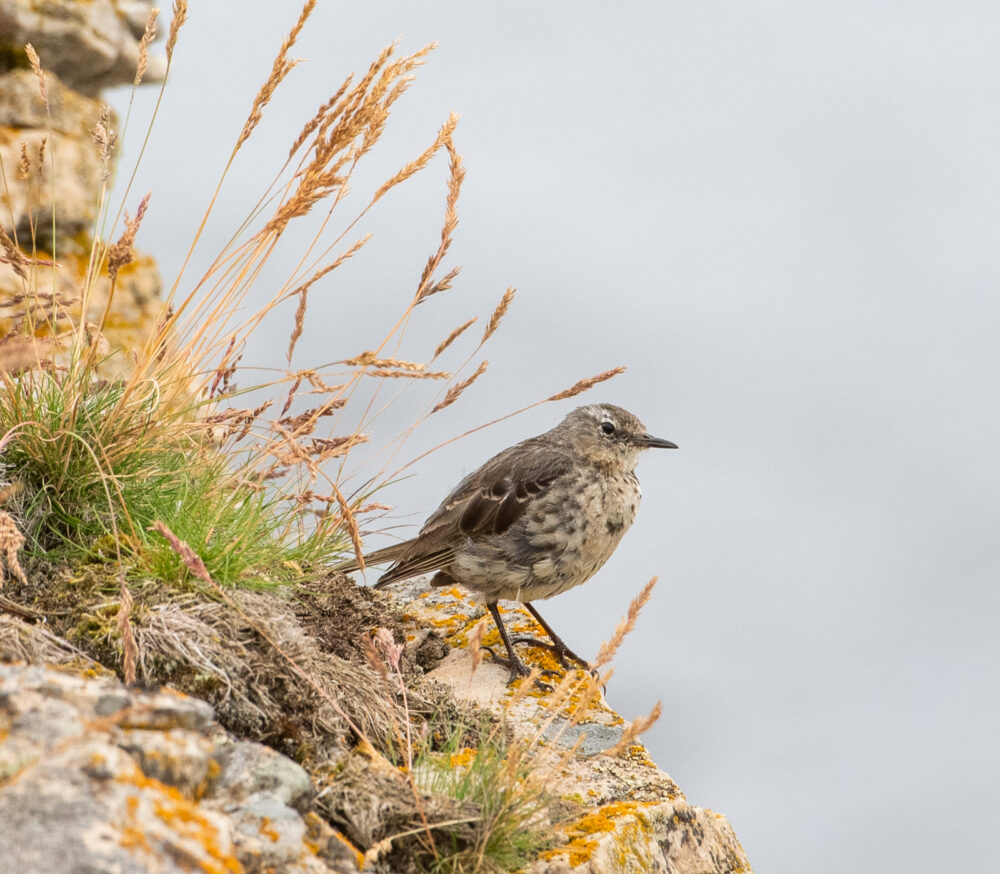
The reliance of the Rock Pipit on the edge of the world—the interface between land and sea—makes it an ideal bio-indicator. When the Rock Pipit thrives, it suggests that the coastal fringes remain productive and relatively undisturbed. Conversely, any decline in their numbers should serve as an early warning system for the health of our marine-terrestrial boundaries.
As we look toward the future, the importance of maintaining protected areas like those in the Varanger Fjord cannot be overstated. These regions are not just vacation spots for birdwatchers; they are vital refugia for species that have evolved to thrive in the margins. Protecting these habitats ensures that the "grayish sparrows" continue their quiet, vital work, maintaining the ecological balance of the North.
Conclusion
As our "Year in Nature" project concludes its segment on the Varanger Fjord, the lessons learned are clear: biodiversity is found in the details. By paying attention to the humble pipit, we gain a deeper appreciation for the resilience of nature and the interconnectedness of our northern ecosystems. Whether it is the sharp whistle of the Red-throated Pipit in the high fells or the cautious movements of the Rock Pipit on a storm-tossed cliff, these birds are the true, albeit quiet, masters of the North.
Samuli Haapasalo’s work continues as part of the "Year in Nature" series. For those wishing to support ongoing, high-quality nature journalism and environmental advocacy, we invite you to subscribe to "Suomen Luonto." Your support allows us to continue documenting the critical, often overlooked stories of our natural world.