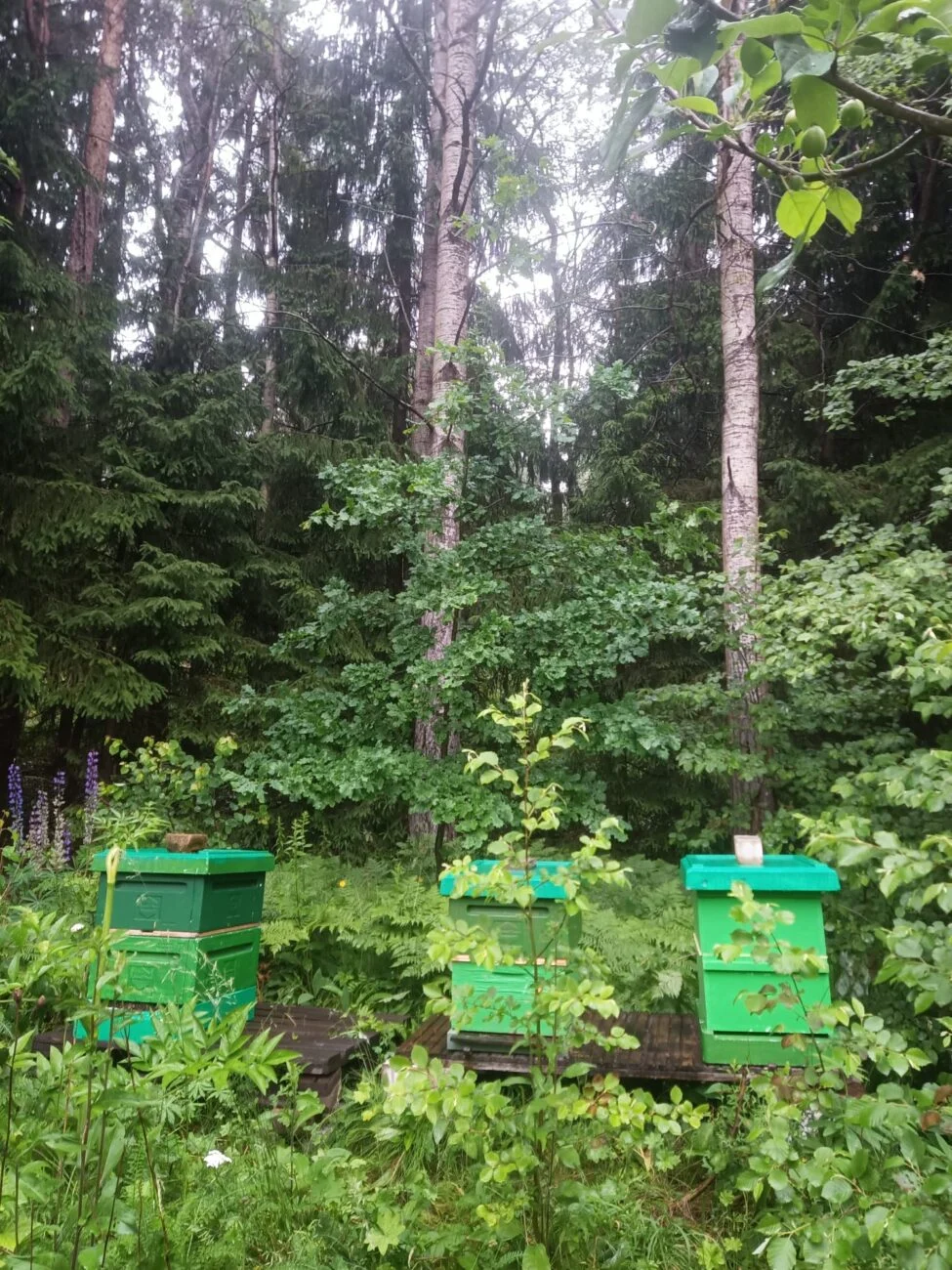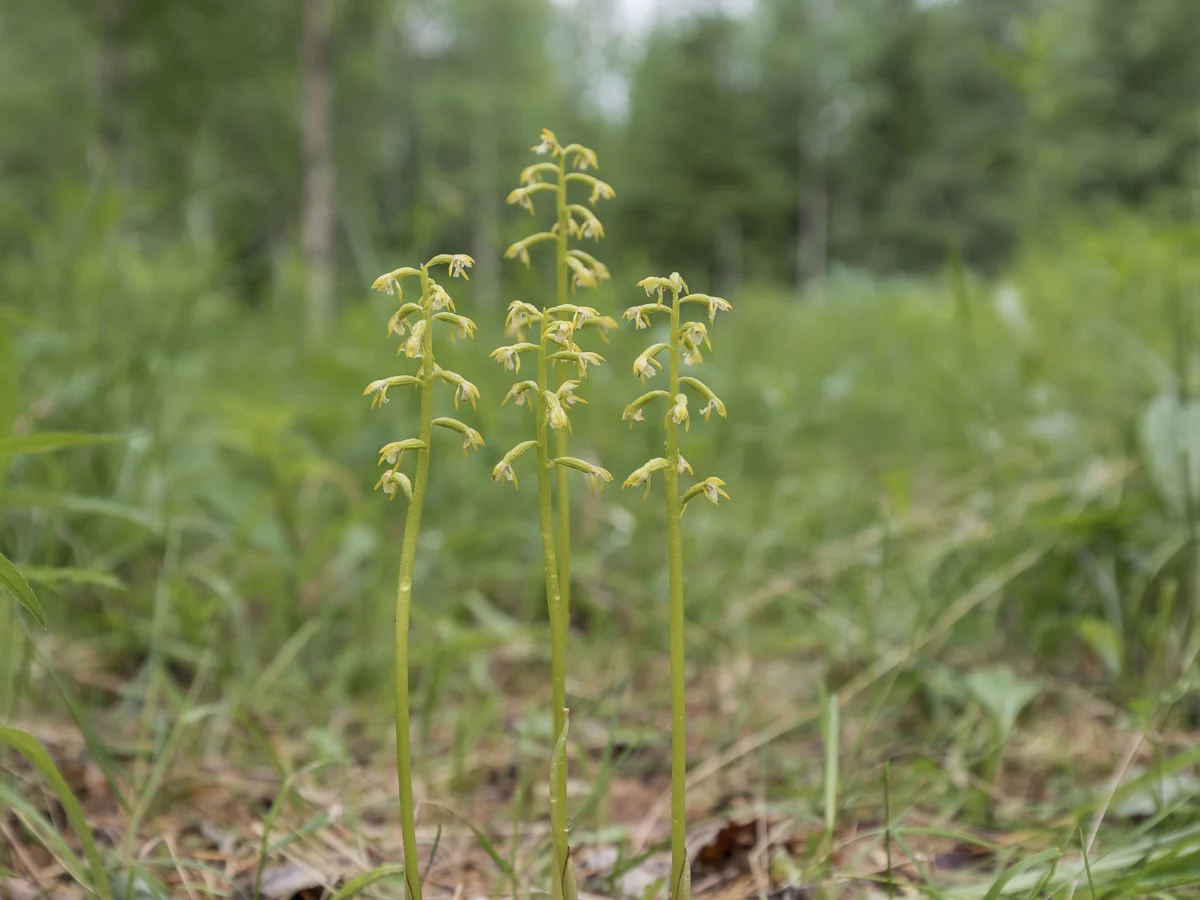
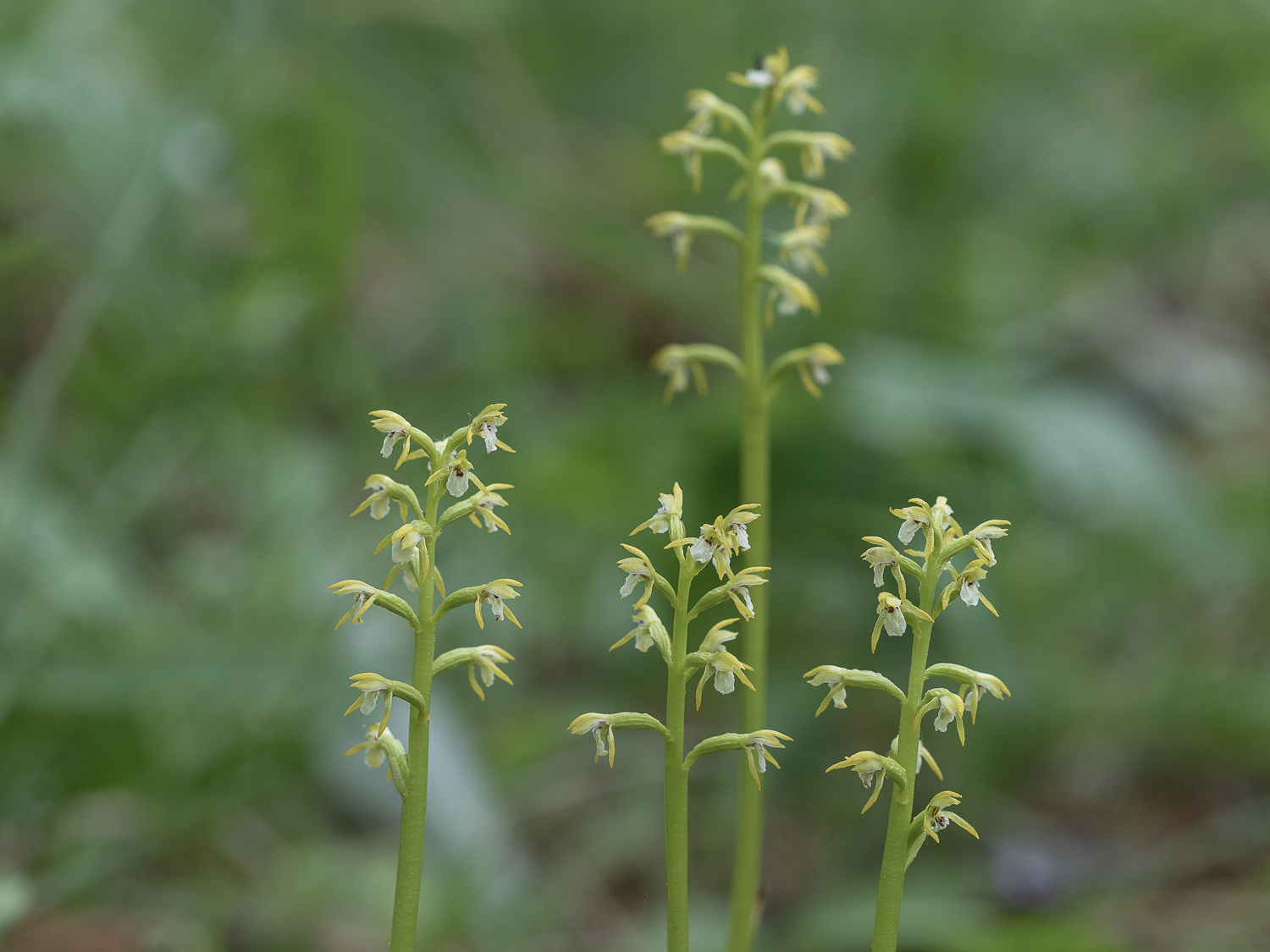
In the world of mystery novels, the discovery of a corpse is a grim cliché often relegated to the morning routine of a dog walker. For many, the quiet paths of the forest are synonymous with peace, not forensic investigation. However, for one nature enthusiast, a routine morning walk with their dog, Vekku, took an unexpected turn—not into the dark territory of crime fiction, but into the rare and ethereal world of botanical discovery. Tucked away on their private five-hectare property, they stumbled upon a cluster of flowers that defied the typical floral displays of the region: the coralroot orchid (Corallorhiza trifida).
What began as a singular, serendipitous find quickly unfolded into a deeper investigation. Further exploration of the site revealed nearly twenty individual specimens, scattered like hidden treasures across the landscape. In an era where biodiversity is increasingly threatened, the re-emergence of this delicate orchid serves as both a moment of profound joy and a sobering reminder of the fragility of our natural heritage.
The Botanical Enigma: Understanding the Coralroot
While the common garden-variety phalaenopsis orchids sold in supermarkets are known for their flamboyant, oversized petals, the coralroot orchid is a study in understated elegance. It is small, modest, and incredibly easy to overlook. Its allure lies not in ostentatious color, but in its scarcity and the mystery surrounding its life cycle.
The plant’s name is somewhat of a misnomer; it lacks a traditional root system. Instead, it relies on a coral-like rhizome—an underground stem that serves as the plant’s lifeblood. This unique structure, which inspired its scientific name Corallorhiza, is a testament to the plant’s specialized evolutionary path.
The coralroot is a myco-heterotroph, a fascinating biological adaptation where the plant derives its nutrients through a symbiotic relationship with soil fungi. Rather than relying solely on photosynthesis, the orchid essentially "plugs into" the root systems of neighboring trees—often spruce or birch—via these fungal networks. While the plant does develop a faint green hue as its seeds mature, indicating a limited capacity for photosynthesis, it remains primarily dependent on the subterranean world for survival. This dependency makes the coralroot a "ghost" of the forest: it can remain hidden beneath the soil for years, dormant and unseen, only to emerge and bloom when the precise environmental conditions are met.
A Chronology of Rarity: Ten Years of Silence
The appearance of the orchids on this specific plot of land was not a recurring event. The last time the residents of this property documented the presence of the species was on June 6, 2016. For nearly a decade, the orchids remained absent, despite the fact that the habitat had undergone no significant anthropogenic change.
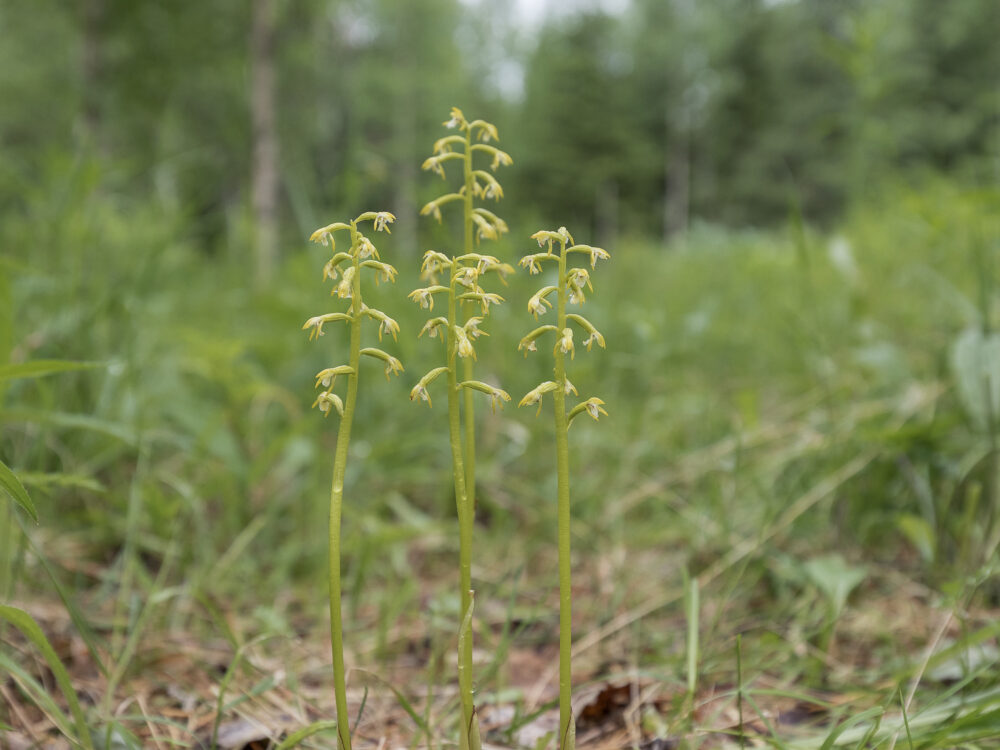
The re-emergence on June 10, 2026, was a marked departure from previous sightings. In 2016, the plants were found on a moist, birch-dominated meadow. This year, however, they appeared on the opposite side of the property, tucked into a grassy slope populated by young pines, a lone juniper, and a few stunted birches.
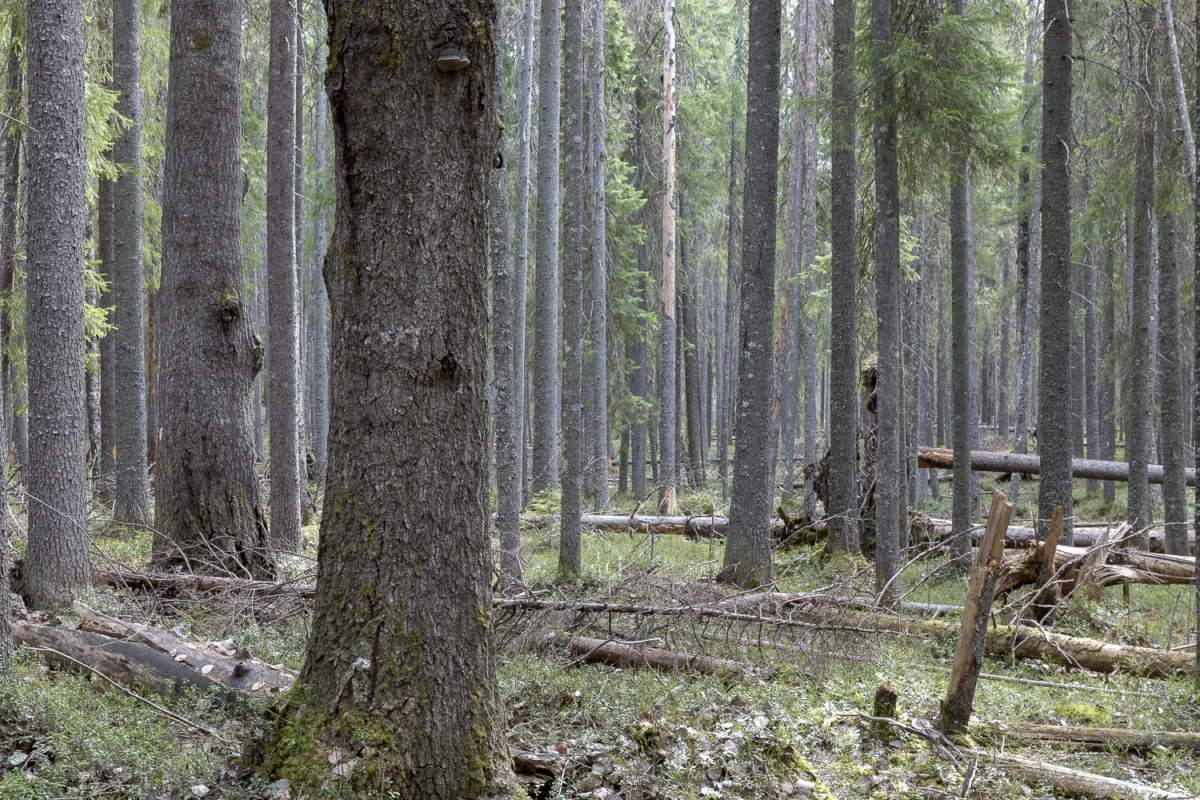
This shift in location highlights the unpredictable nature of the coralroot. Environmentalists, including noted nature writer and expert Risto Sulkava, point out that the species typically favors "korpi"—a type of damp, mossy coniferous forest. "Generally, it prefers slopes where flowing water maintains a thick, soft carpet of peat moss, and where small spruces provide the right amount of shade," Sulkava notes. The orchid thrives on nutrient-rich water, often indicating the presence of active groundwater flow. Finding them on a dry, grassy slope is a testament to the species’ adaptability and the complex, often hidden, ecological requirements that dictate their distribution.
The Looming Threat: Forestry and Biodiversity Loss
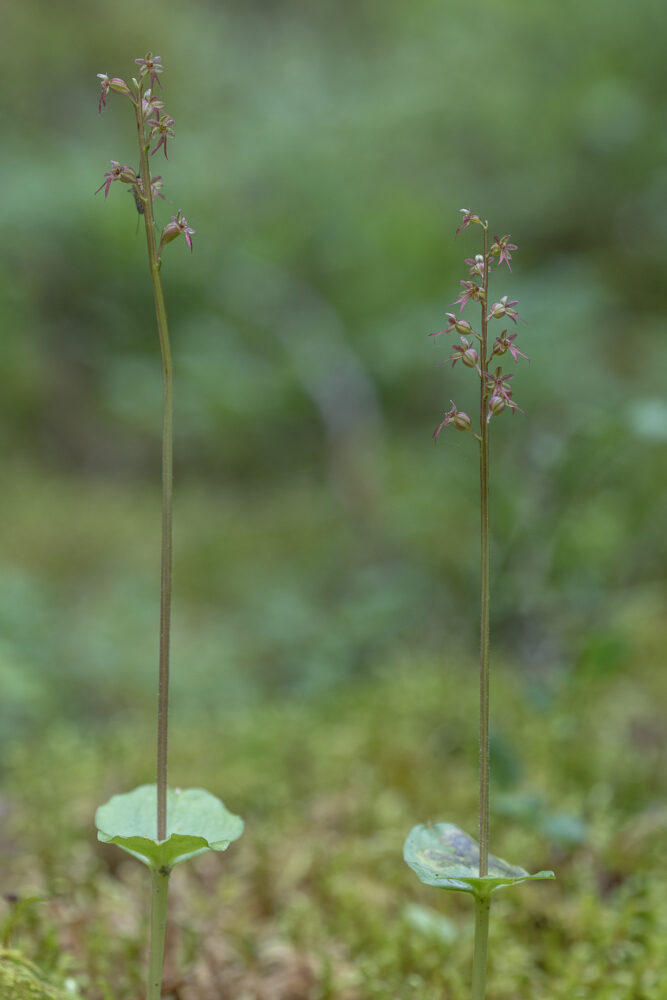
While the sight of the coralroot brings a flicker of hope, it is tempered by the grim reality of modern land management. Species like the coralroot, as well as the heart-leaved twayblade (Listera cordata) and the creeping lady’s-tresses (Goodyera repens), are highly sensitive to habitat alteration.
Modern forestry practices—specifically clear-cutting and the heavy mechanical tilling of soil—are catastrophic for these delicate orchids. Despite some field guides classifying the coralroot as "common," experts argue that this is a misleading assessment. The suitable habitats for these orchids have been systematically drained, logged, and churned up over the past century.
The implications are clear: as old-growth forests and damp, undisturbed korpi habitats disappear, the "ghosts" of the forest are being silenced. Even in areas where these plants were once documented, they are vanishing at an alarming rate.
Voices from the Field: The Testimony of Loss
The struggle to maintain these botanical rarities is a recurring theme in contemporary nature literature. In Elina Grundström’s book Black Orchid (Musta orkidea), the author interviews siblings Zoja and Tamara Pienimäki, residents of Lohjansaari, who have spent a lifetime observing the decline of Finnish flora.
The Pienimäkis, who are passionate about both exotic and native orchids, speak with sorrow about the loss of local species. They recount their experiences searching for the creeping lady’s-tresses, only to find that the spots they once visited have been marked for clear-cutting. "And we go berry-picking so often!" Zoja remarked. "The place where there might still be a little bit of the orchid left is already marked for logging."
Grundström’s book, published in 2013, serves as a historical marker for this decline. Since its publication, the scale of deforestation has only accelerated, raising the question: how much longer can these fragile species persist in a landscape fragmented by industrial forestry?
Implications for Conservation
The serendipitous discovery of the coralroot on a private estate is a microcosm of a larger conservation challenge. It highlights the importance of private land stewardship and the potential for small-scale preservation to act as a refuge for species that are losing their homes in state-managed or commercial forests.
- Habitat Connectivity: The movement of the coralroot across the property over a decade suggests that the species requires a mosaic of micro-habitats. Fragmented forests inhibit the spread of the fungal networks these plants rely on.
- The Role of Groundwater: The dependency on nutrient-rich groundwater flow underscores the need to protect wetlands and forest hydrology, not just the trees themselves.
- Policy and Practice: There is an urgent need to re-evaluate the impact of clear-cutting on the "understory" biodiversity. While large-scale timber production is an economic driver, the loss of non-commercial species, which are vital indicators of ecosystem health, remains an ignored cost.
Conclusion: Watching the Forest Floor
As we move forward into a climate-uncertain future, the small, hidden lives of plants like the coralroot serve as the "canaries in the coal mine." Their presence is a sign of a functioning, healthy, and undisturbed ecosystem. Their absence is a silent signal of a landscape in distress.
For the observer who found them, the experience was more than just a walk in the woods; it was a reminder of the fragility of the natural world. The coralroot does not demand attention, nor does it thrive on the stage of human activity. It simply persists, waiting in the damp darkness of the soil, hoping that the next time it chooses to emerge, the forest will still be there to receive it.
Protecting these species requires more than just acknowledging their beauty; it requires a fundamental shift in how we value the integrity of our forests. Every acre of untouched moss and every patch of undisturbed ground is a potential sanctuary for the ghosts of the forest. As the Pienimäkis noted, once these habitats are gone, they are not easily replaced—and the silence that follows is permanent.