In an era where youth sports are increasingly defined by competitive pressure and early specialization, the Finnish hockey club Juniori-KalPa is charting a radically different path. By formalizing their philosophy into a comprehensive "Sports Manual," the club is moving away from traditional win-loss metrics and toward a development-first model that prioritizes athlete retention, mental well-being, and long-term skill acquisition.
This shift, which aligns with national directives from the Finnish Olympic Committee and the Finnish Ice Hockey Association, represents a structural overhaul of how a professional-grade junior organization manages its daily operations.
Main Facts: The Core of the New Philosophy
The Juniori-KalPa "Sports Manual" is not merely a document; it is a cultural manifesto. At its heart, the manual emphasizes four key pillars:
- Versatility: Encouraging multi-sport participation and diverse movement patterns to prevent burnout and overuse injuries.
- Individualized Paths: Recognizing that every child progresses at a different rate, the club creates flexible structures that accommodate both elite-level aspirations and recreational goals.
- Data-Driven Well-being: Moving beyond the scoreboard, the club uses digital tools to monitor how children feel, their sense of safety, and their enjoyment of the sport.
- Operational Transparency: By codifying these values, the club ensures that every coach, parent, and player understands the "red thread" connecting their daily practice to the club’s long-term mission.
Chronology: From Informal Values to Structured Strategy
While the physical "Sports Manual" is a recent publication, the principles contained within it have been the bedrock of Juniori-KalPa’s operations for years.
- The Foundational Years: Juniori-KalPa operated with an implicit understanding of development-focused coaching, but lacked a centralized document to ensure consistency across different age groups.
- Alignment with National Standards: As the Finnish Ice Hockey Association released its updated "Player Path" and the Olympic Committee introduced the "Framework for Children’s Team Sports," the club realized they already had the cultural components in place.
- The Formalization Phase: Over the past two years, leadership synthesized these practices into the current Manual. This process was less about inventing new rules and more about "saneeraus" (restructuring/articulating) their existing, successful culture into a repeatable system.
- Implementation (2025-2026): The manual was rolled out, accompanied by digital tools like the Hockey Centre platform, which allows for real-time monitoring of both training quality and player feedback.
Supporting Data: Why the Old Way No Longer Works
The urgency behind this initiative is supported by a concerning national landscape. According to recent reports from the Finnish Olympic Committee, youth sports in Finland are at a crossroads. Key trends identified include:
- Declining Activity Levels: Fewer children are meeting the recommended daily physical activity requirements.
- Early Dropout Rates: Too many children exit organized sports before reaching their teenage years.
- Diminishing Motor Skills: A general decrease in fundamental movement skills due to a less active daily life outside of organized sport.
- The "Specialization Trap": Children are being pushed into specific sports at younger ages, which the evidence suggests is detrimental to both long-term athletic success and a lifelong relationship with physical activity.
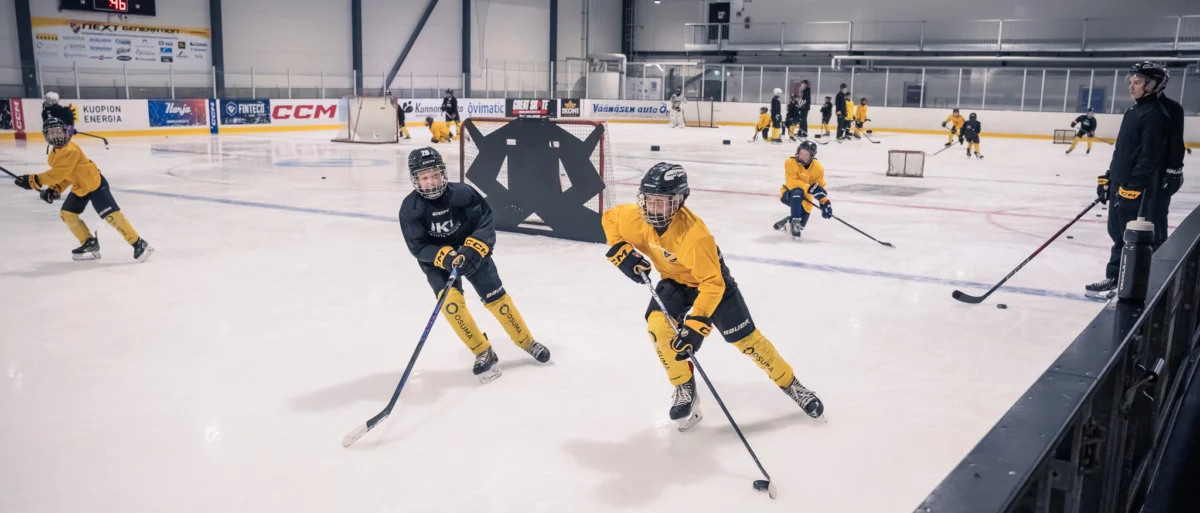
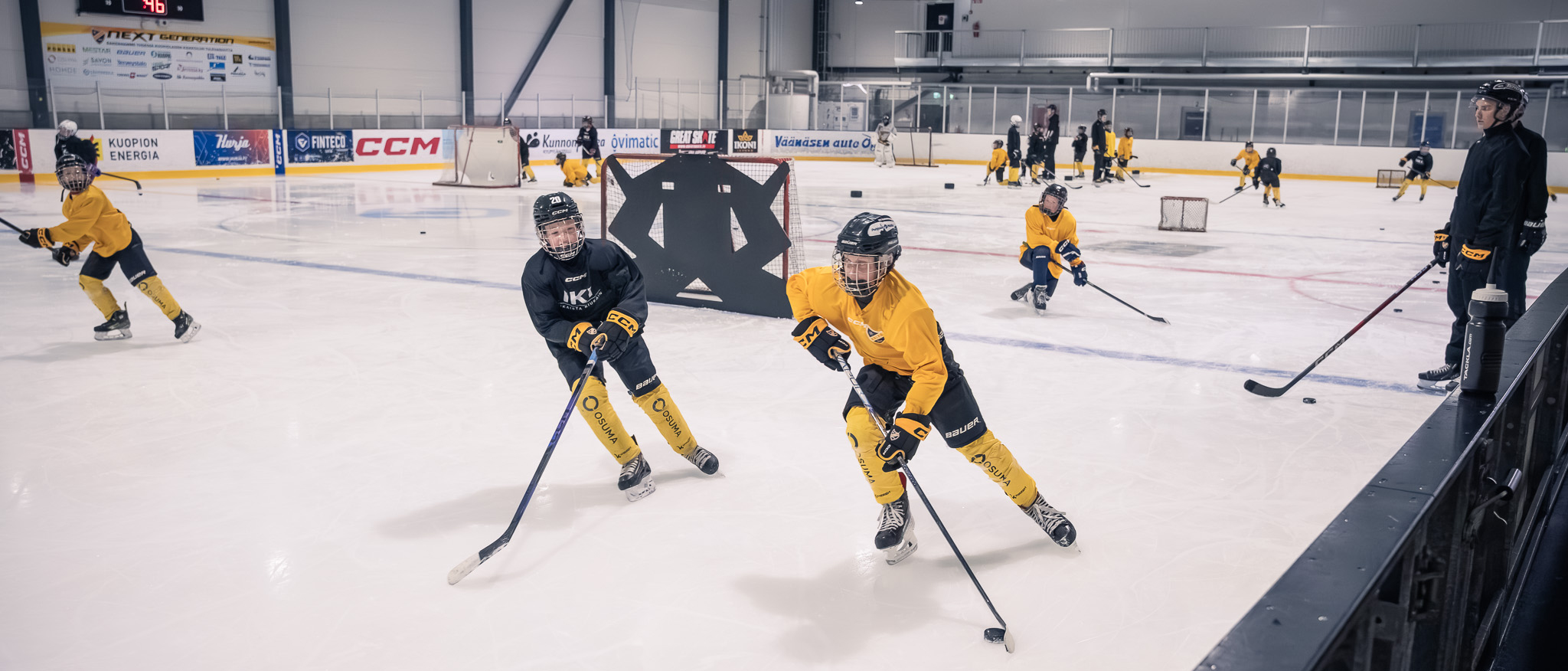
Juniori-KalPa’s approach directly counters these trends by prioritizing "active time" and "repetition through play," ensuring that the sport remains a source of joy rather than a source of stress.
Official Responses: Insights from Leadership
Benjamin Laurinkari, the Director of Junior Sports at the KalPa community, notes that the most significant hurdle was not changing the coaches’ minds, but giving them the language to express what they were already doing.
"The national framework helped us articulate, reinforce, and unify our operations," says Laurinkari. "Success in youth sports cannot be measured by trophies or league standings. We track if the kids are happy, if they feel safe, if they remain in the sport, and if they feel they are growing as individuals."
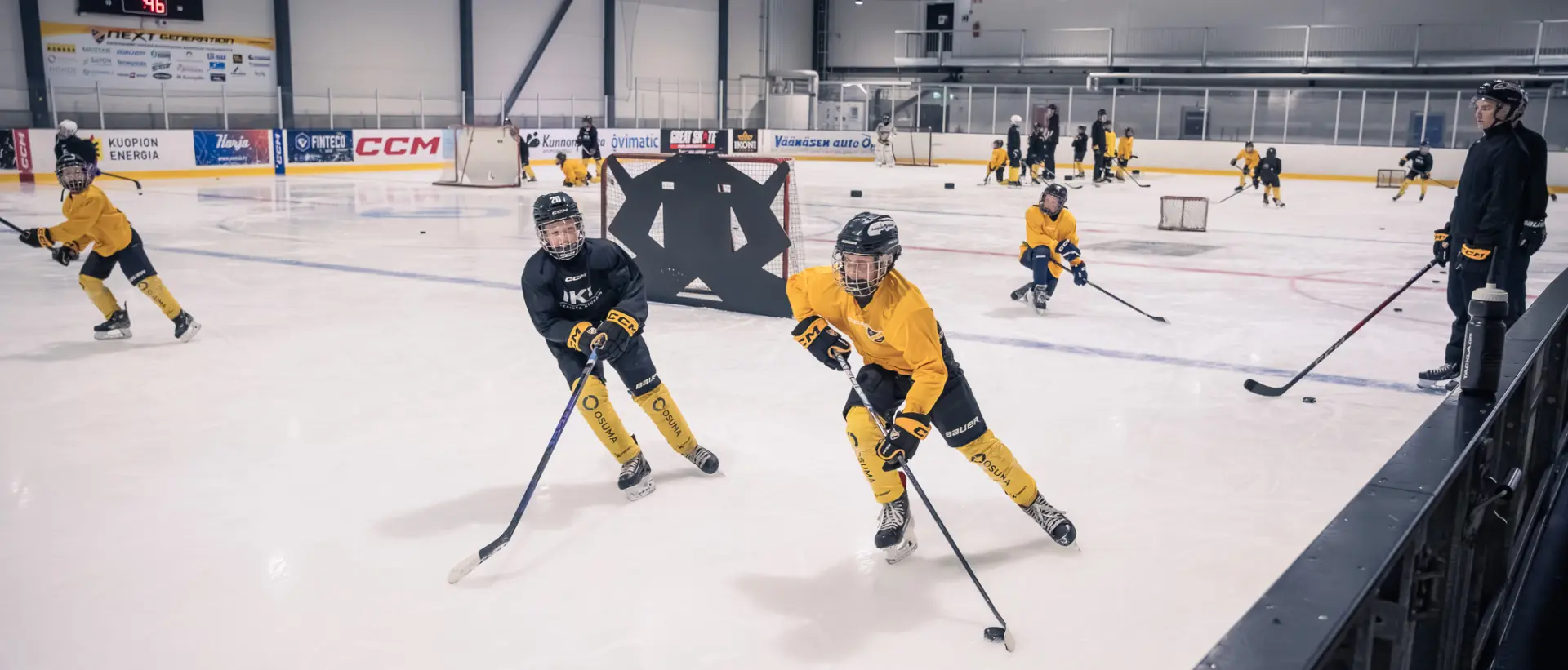
Olli Savikko, the Junior Manager for the Finnish Ice Hockey Association, has lauded Juniori-KalPa for their seamless adoption of these standards. "In Juniori-KalPa, the policy is not just a theory; it is fully integrated into the club’s structures," Savikko explains. "Quality in the rink is achieved when there is a clear goal, children have the puck for a large portion of the practice, and there is authentic, open interaction between the coach and the child."
Teemu Koljonen, the coaching manager for U10–U13 teams, highlights the impact of digital feedback loops. By using the Hockey Centre system, the club collects monthly feedback from children as young as 11. "Through this, we discovered that some children felt they weren’t receiving enough feedback. We immediately changed our protocols to ensure every child feels seen and heard," says Koljonen.
Implications: The Voices of the Future
Perhaps the most compelling evidence of the system’s success comes from the players themselves. Martta Kokkonen (11) and Otto Uimonen (11), participants in the 2026 summer camp, appreciate the opportunity to influence their own training.
"It feels good that they ask for our opinion," says Martta. "I’ve given feedback on how we could improve team spirit—doing more things as a whole team instead of always splitting into small groups."
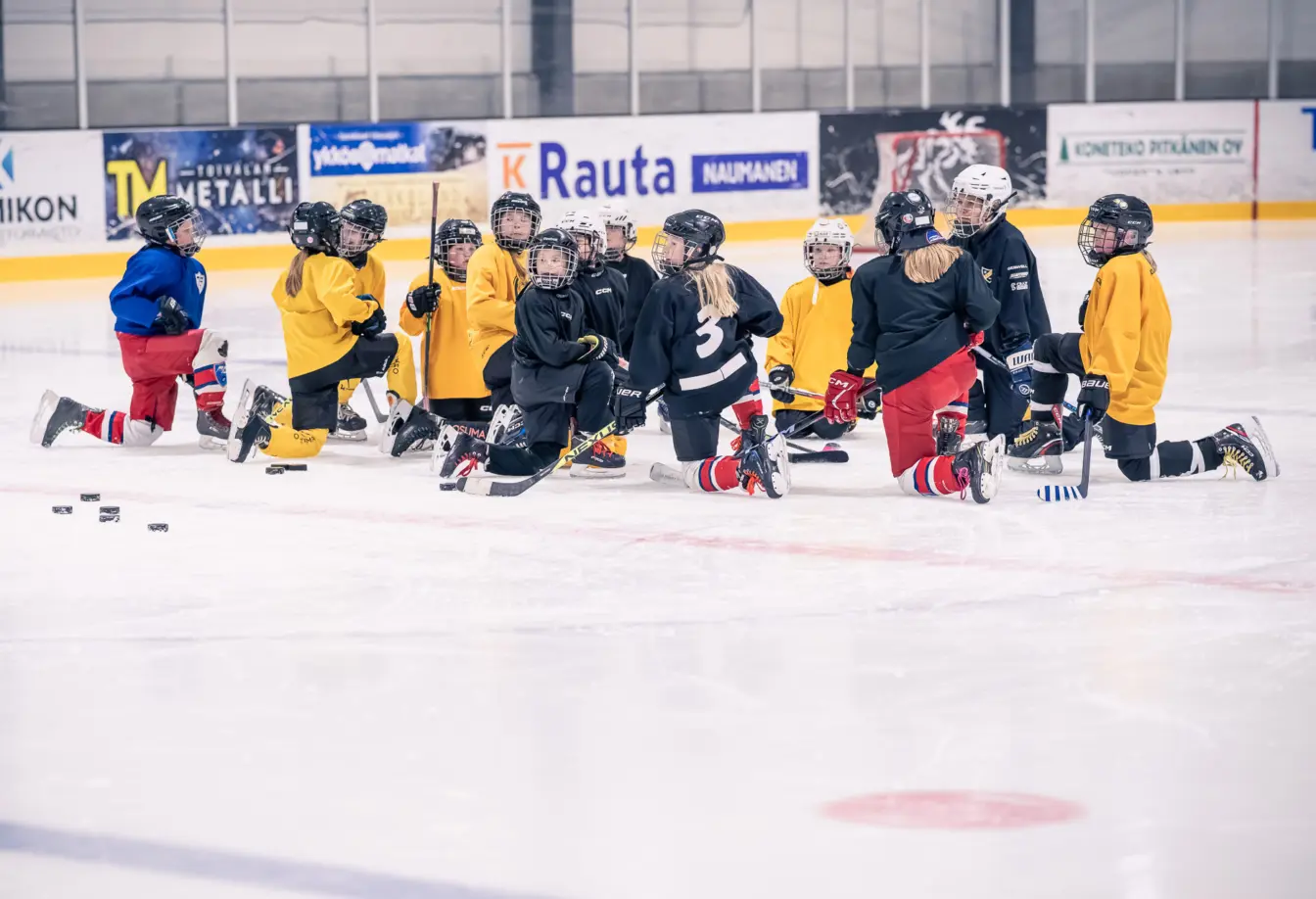
Otto adds, "I’ve suggested changes to our warm-up skates. It’s nice to know that what I say matters. Plus, I love that we focus on being sweaty and having fun with friends. If I could choose, I’d just like to learn more puck handling and skating technique, which is what we’re doing now."
The Road Ahead: A Model for National Change
The implications of Juniori-KalPa’s model extend far beyond the ice rinks of Kuopio. As the Finnish Olympic Committee and 40 national sports federations work to revitalize the culture of youth sports, the "KalPa Model" serves as a prototype for success.
The fundamental shift is away from the "miniature adult" model of sport—where children are treated as professional athletes in training—toward a "holistic development" model. By focusing on:
- High-Quality Interaction: Valuing the child’s voice as much as the coach’s instruction.
- The "Red Thread": Ensuring every practice session is linked to a long-term goal of growth, not just the next game’s outcome.
- Safety and Security: Creating an environment where a child feels secure enough to fail, experiment, and try again.
In conclusion, the Juniori-KalPa Sports Manual is a blueprint for the future of Finnish sports. By prioritizing the human experience of the athlete over the institutional need for results, the club is not only producing better hockey players but is fostering a generation of people who will view physical activity as a lifelong joy. As the sporting landscape continues to evolve, the "KalPa approach" stands as a testament to the fact that when you put the child first, the quality of the sport—and the results—naturally follow.