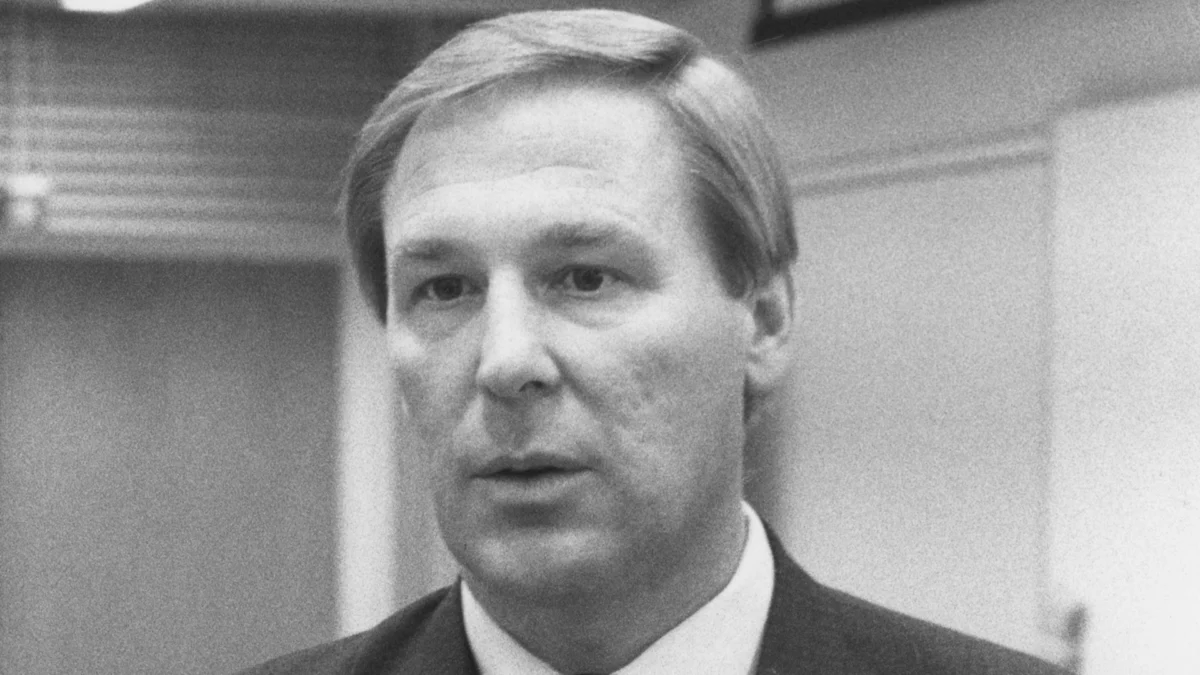
The Finnish sporting community is in mourning following the passing of Jouko Purontakanen, a visionary administrator who spent decades shaping the landscape of high-performance sports in Finland. Purontakanen, a transformative figure whose influence spanned from grassroots development to the pinnacle of Olympic management, passed away on June 3, 2026, at the age of 78.
As the long-time Secretary General of the Finnish Olympic Committee, Purontakanen was more than just an administrator; he was a strategic architect who modernized the structures governing Finnish athletics. His death marks the end of an era, leaving behind a legacy characterized by organizational rigor, successful event management, and an unwavering commitment to the success of Finnish athletes on the global stage.
The Life and Career of a Sporting Architect
Jouko Purontakanen’s journey into the upper echelons of sports administration began on the tracks of his local club, Raision Kuula, where he was an active track and field athlete. However, his true impact would be felt not on the field of play, but in the boardrooms and offices that facilitated the success of others.
Chronology of a Storied Career
Purontakanen’s career was defined by a steady ascent through the hierarchy of Finnish sports organizations, each role preparing him for the monumental tasks he would eventually oversee.
- 1971–1976: His professional career commenced at the young age of 23, when he was appointed Executive Director of SVUL:n Nuoret ry (the youth branch of the Central Sports Federation of Finland). It was here that he developed his foundational understanding of youth development and grassroots engagement.
- 1976–1985: He transitioned to the Suomen Suunnistusliitto (Finnish Orienteering Federation), serving as Executive Director. His tenure there was marked by a significant professionalization of the sport’s administrative framework.
- 1985–1987: He returned to the SVUL as the Director of the Sports Department, a role that gave him oversight of a broader portfolio of sports and prepared him for national leadership.
- 1987–1992: As the Managing Director and Secretary General of the Finnish Athletics Federation (SUL), Purontakanen became a household name in sports circles. This period was crucial in his development as a high-level executive.
- 1994: Perhaps the defining moment of his early career, he served as the Secretary General for the European Athletics Championships in Helsinki. The success of these games proved his capability to manage large-scale international events.
- 1997: Following the success of the European Championships, he was appointed Secretary General of the 1997 Ice Hockey World Championships in Finland. This cross-sport versatility solidified his reputation as a master of logistics and event execution.
- 1996–2012: Serving as the Secretary General of the Finnish Olympic Committee, he led the organization through 16 years of transition, innovation, and Olympic cycles.
The Olympic Legacy: 16 Years of Leadership
When Jouko Purontakanen assumed the role of Secretary General for the Finnish Olympic Committee in 1996, the organization was in search of a steady hand to guide it into the new millennium. He provided that stability and much more.
A Period of Medals and Momentum
During his tenure (1996–2012), Purontakanen oversaw four Summer Olympic Games and four Winter Olympic Games. Under his leadership, the Finnish Olympic team maintained a consistent presence on the podium, securing a total of 46 Olympic medals, including nine gold medals.
Beyond the raw medal count, Purontakanen’s era was defined by the modernization of athlete support systems. He was instrumental in advocating for better training facilities, improved sports medicine, and sustainable funding models. He understood that elite performance was not merely a product of talent, but of the environment provided by the administrative body.
Bridging the Gap Between Sports and Society
One of his most significant contributions was his ability to navigate the complex political landscape of Finnish sports. He bridged the gap between government funding, corporate sponsorship, and the needs of the individual athlete. His approach was pragmatic; he believed that sports success was a national asset, and he fought tirelessly to ensure that the Finnish Olympic Committee remained a robust, transparent, and efficient entity.
Professional Recognition and Honors
Purontakanen’s contributions did not go unnoticed by the state or the sporting community. His lifelong service to the Finnish sports movement earned him the prestigious title of Liikuntaneuvos (Sports Counselor) in 2011, a state-granted honor recognizing those who have made significant contributions to the development of physical culture and sports in Finland.
Furthermore, as recently as January 2026, the Finnish sports community honored him with a Lifetime Achievement Award at the annual Urheilugaala (Sports Gala). This award served as a poignant final tribute, acknowledging his decades of selfless service. Colleagues and peers in attendance noted that the reception he received was a testament to the respect he commanded across all disciplines, from individual winter sports to team-based summer athletics.
Official Responses and Tributes
The announcement of his passing has triggered an outpouring of tributes from leaders across the Finnish sports sector.
"Jouko was a giant," said a representative from the Finnish Olympic Committee. "He possessed an uncanny ability to see the ‘big picture’ without ever losing sight of the individual athlete. He was a mentor to a generation of sports administrators, and his influence will be felt in our hallways for many years to come."
Former athletes who competed during the "Purontakanen era" have also shared their memories. Many describe him as a "quiet force"—a man who rarely sought the spotlight himself, preferring instead to ensure that the athletes had everything they needed to perform at their best.
"He was the ultimate professional," noted a former Olympic medalist. "He didn’t just manage the committee; he cared about the integrity of the games and the future of Finnish sports. He was a bridge between the traditional values of the past and the modern demands of professional athletics."
Implications for the Future of Finnish Sport
As the Finnish Olympic Committee and the wider sporting community move forward, the loss of Jouko Purontakanen forces a moment of reflection on the standards he set.
The Standard of Excellence
Purontakanen leaves behind a blueprint for how sports organizations should operate. His emphasis on fiscal responsibility, long-term strategic planning, and, most importantly, the athlete-first mentality, remains highly relevant today. In an era where sports administration is becoming increasingly complex due to global competition and technological advancements, the foundational principles he championed—transparency, efficiency, and dedication—are more critical than ever.
A Mentorship Legacy
Perhaps his most lasting contribution is the cadre of leaders he mentored. Many of today’s top sports administrators in Finland began their careers working under Purontakanen. His style—characterized by calm under pressure and an analytical approach to problem-solving—has been passed down to those who now steer the course of Finnish sports.
Closing the Chapter
The passing of Jouko Purontakanen is not merely the loss of a former official; it is the closing of a chapter in the history of Finnish sports. From the tracks of Raision Kuula to the international Olympic stage, he demonstrated that a life dedicated to the service of sport is a life of profound impact.
While the medals and the events he organized are a part of the historical record, his true legacy lies in the countless athletes whose lives were improved by the structures he built, and the colleagues he inspired to reach for excellence. As Finland looks toward the next generation of Olympic success, the principles fostered by Jouko Purontakanen will undoubtedly continue to serve as a guiding light.
The Finnish Olympic Committee has announced that a memorial event will be held later this month to celebrate his life and contributions, inviting the sporting community to pay their respects to a man who truly gave his life to the games he loved.