In a significant move for the future of Finnish physical activity and professional sports, the Finnish Olympic Committee has issued a formal endorsement of the government’s latest budgetary decisions. Following the conclusion of the cabinet’s budget retreat, it has become clear that the state is pivoting toward a more structured approach to sports infrastructure, international event hosting, and the promotion of a healthier, more active citizenry.
While the announcement is being hailed as a milestone for the sector, industry experts are closely monitoring the fine print, noting that while central funding for facilities is increasing, broader fiscal pressures on municipalities could create a complex landscape for local sports development.
Main Facts: A Financial Injection for Active Living
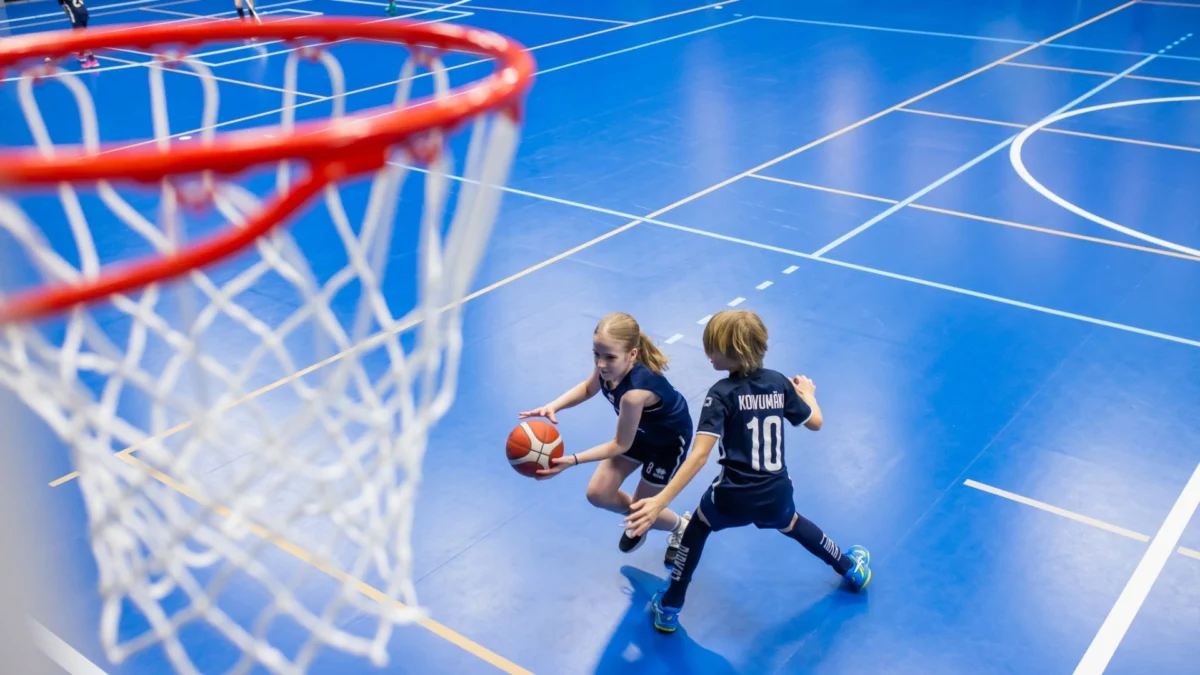
The core of the government’s announcement centers on a revitalized commitment to the physical foundations of Finnish sports. The most notable headline is the restoration of the state’s grant level for sports facility construction to 30 million euros for the upcoming fiscal year. This represents a 15-million-euro increase—a crucial intervention designed to address the mounting "repair debt" that has plagued municipal sports facilities across the nation for the better part of a decade.
Beyond construction, the government has addressed the "everyday" side of physical activity by announcing an increase in the maximum limit for sports and culture vouchers (e-passi/Smartum) starting in 2026. By incentivizing employers to provide greater wellness support, the government hopes to lower the barrier to entry for inactive demographics and sustain the habits of current enthusiasts.
Finally, the budget includes a strategic policy shift: the formal adoption of a long-term, coordinated strategy for hosting international sporting events, moving away from fragmented, ad-hoc bids toward a unified national approach.
Chronology: The Road to the Budget Retreat
The path to these decisions was not instantaneous. It follows months of intense lobbying and public discourse regarding the declining state of Finnish sports infrastructure.
- Q1 2026: Sports organizations and the Olympic Committee present data to the Ministry of Education and Culture detailing the rapid degradation of local swimming halls, ice rinks, and outdoor arenas.
- Q2 2026: Economic forecasts suggest a tightening of public finances, leading to fears that sports would be hit by blanket austerity measures.
- Early September 2026: The government gathers for its annual budget retreat. Stakeholders emphasize that sports investment is not merely a leisure expense but a preventative health measure that lowers long-term social welfare costs.
- Late September 2026: The government unveils the finalized budget, prioritizing the 30-million-euro facility grant and a new framework for international event procurement.
Supporting Data: Addressing the "Repair Debt"
The urgency behind the 15-million-euro boost is rooted in structural necessity. According to independent audits conducted over the last 18 months, the backlog of maintenance projects for Finnish sports facilities has reached a critical threshold.
Many facilities built during the urban expansion period of the 1970s and 1980s are now facing systemic failures in ventilation, heating, and structural integrity. Without state-level intervention, municipalities—many of which are already grappling with demographic shifts and tax revenue volatility—would have been forced to close these facilities permanently.
Furthermore, the decision to raise the cap on employer-provided wellness benefits is supported by health data indicating that "sedentary work syndrome" costs the Finnish healthcare system hundreds of millions of euros annually. By increasing the utility of these vouchers, the government aims to nudge the workforce toward more frequent, low-intensity activity, which is statistically proven to reduce absenteeism and improve mental health outcomes.
Official Responses: Perspectives from the Olympic Committee
Petri Keskitalo, the Vice CEO of the Finnish Olympic Committee, has been the primary voice articulating the sports sector’s perspective. In his official statement, Keskitalo characterized the budget as a "pragmatic and necessary" step forward.
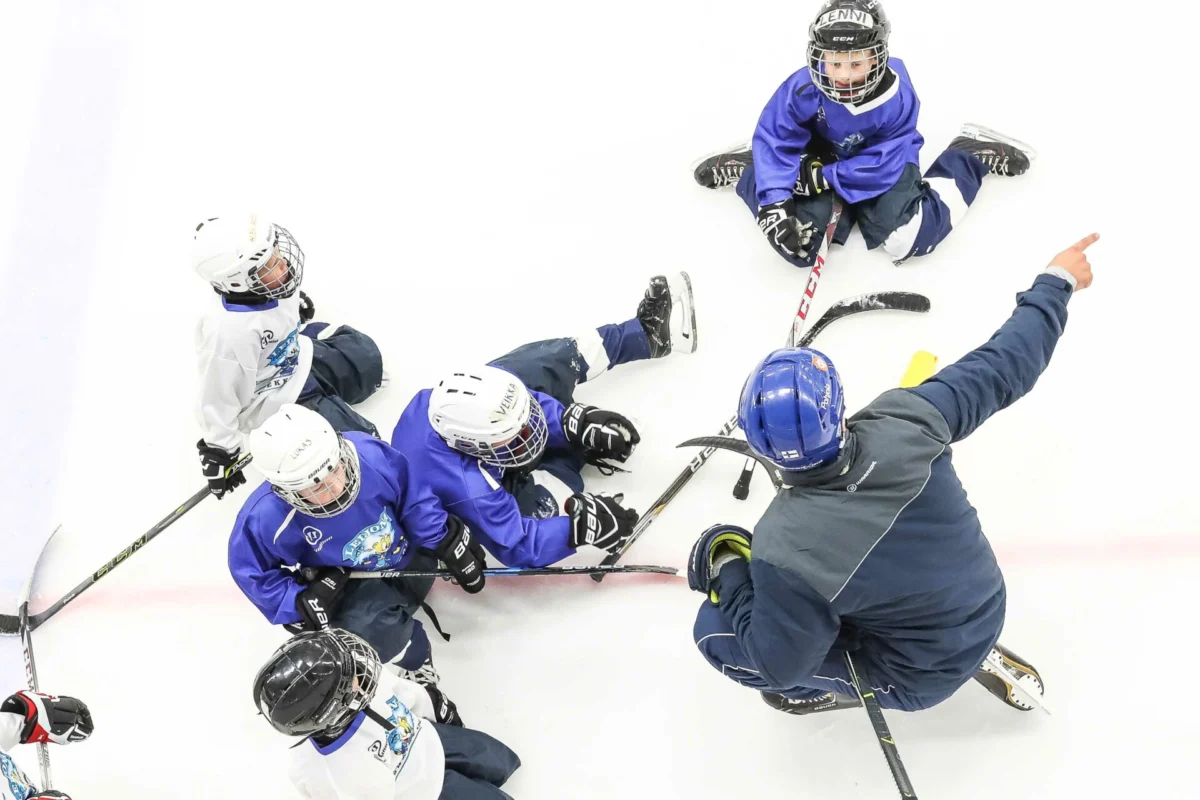
"Sports facilities are the heartbeat of Finnish activity," Keskitalo noted during a press briefing. "Whether it is a child attending their first hockey practice or an elite athlete training for the European Championships, the quality of our infrastructure determines our success. The decision to restore the 30-million-euro grant is not just a financial number; it is a signal that the state recognizes the intrinsic link between accessible infrastructure and national well-being."
Regarding the new policy on international events, Keskitalo emphasized the economic multiplier effect. "Finland has the organizational talent and the social stability to host world-class events. However, we have lacked a sustained, state-backed ‘event policy.’ By moving toward a coordinated strategy, we are not just hosting games—we are investing in our international brand, boosting tourism, and stimulating the local economy."
Implications: The Dual-Edged Nature of Fiscal Policy
While the news is overwhelmingly positive, the Finnish Olympic Committee remains cautious regarding the broader economic climate. The most significant concern involves the reduction of municipal state subsidies by 110 million euros.
The Municipal Dilemma
Municipalities are the primary operators of sports facilities in Finland. Even with a 15-million-euro increase in state grants for construction, the underlying budget cuts to the municipal sector could create a "funding gap." If local governments are forced to choose between essential services—such as social care or education—and the maintenance of sports centers, there is a risk that the new state grants will simply be used to patch holes rather than innovate or expand.
The Future of Event Security
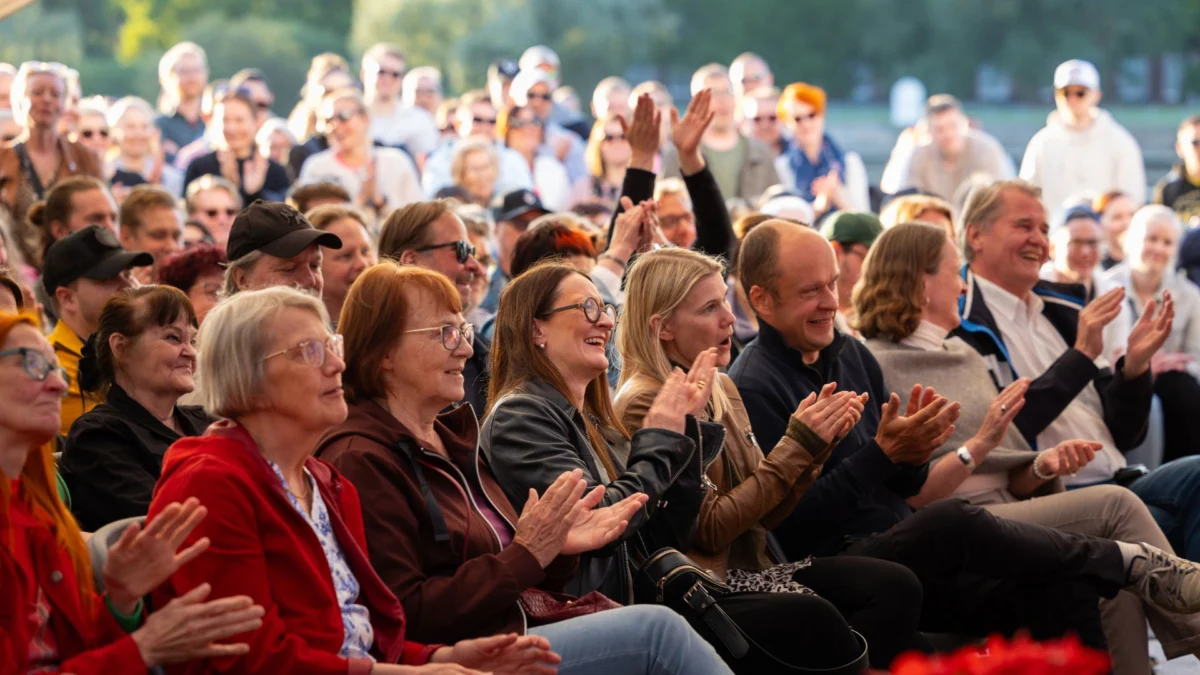
Another critical implication is the government’s promise to investigate and improve katsomoturvallisuus (grandstand/event security). This is a direct response to rising concerns over crowd safety at high-attendance events. The government’s intent to collaborate with sports clubs and event organizers is a positive development, but the implementation will be challenging. Striking a balance between creating a welcoming, open, and "fan-friendly" environment while adhering to increasingly strict safety regulations is a delicate task that will require significant logistical cooperation.
Long-Term Strategic Outlook
The shift toward a "long-term, impactful" event strategy marks a departure from the previous, more reactive model. If successful, this could see Finland becoming a regular destination for the IIHF World Championships, international track and field meets, and perhaps even larger, multi-sport continental events. The economic impact could be substantial, provided that the initial investments in infrastructure are managed efficiently.
Conclusion: A Balanced View
The Finnish government’s latest budget represents a sophisticated, albeit challenging, approach to the sports sector. By securing the physical infrastructure and providing a clear path for future international events, the state has provided a much-needed foundation for growth.
However, the "true" impact of these decisions will be determined by how municipalities navigate their own budgetary constraints. If the 15-million-euro infusion is treated as a supplement rather than a replacement for local investment, the next few years could see a significant revitalization of Finnish sports.
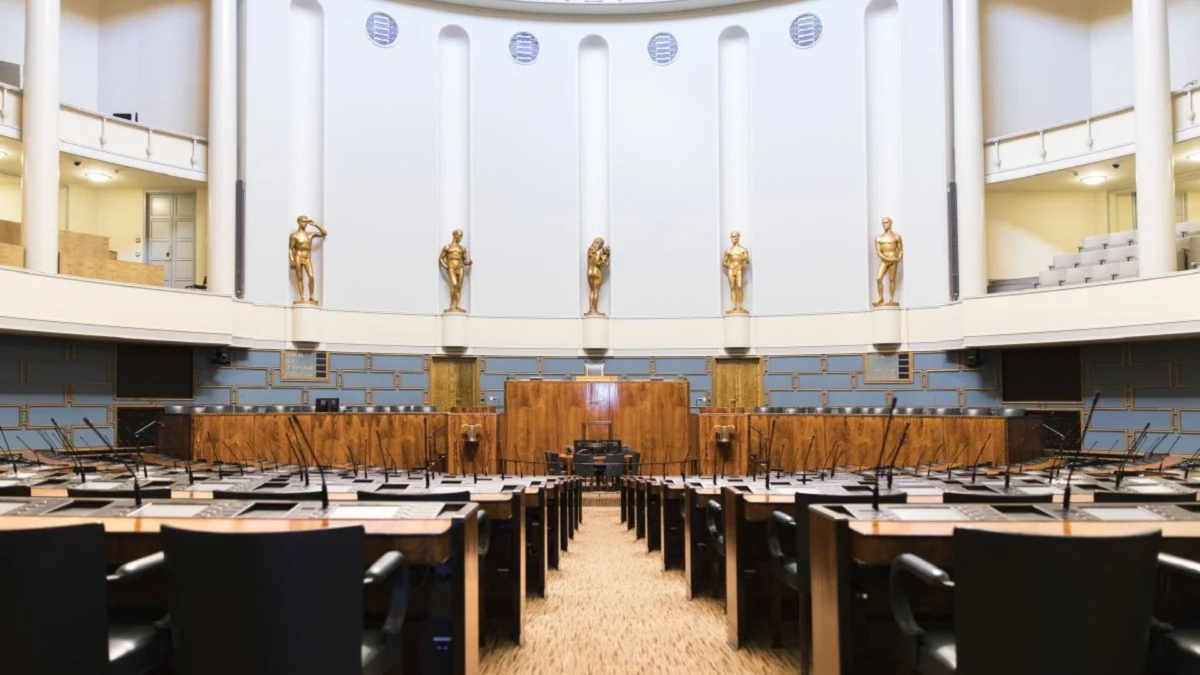
The Finnish Olympic Committee’s cautious optimism reflects the reality of the situation: the policy direction is correct, the funding is improved, but the execution at the local level will remain the ultimate test of these reforms. As the country looks toward 2026 and beyond, the focus will shift from the legislative halls in Helsinki to the ice rinks, gyms, and stadium boards across the country, where the real work of building a healthier, more competitive Finland continues.