In an era where the landscape of youth sports is undergoing a profound structural shift, the Football Association of Finland (Palloliitto), in close collaboration with the Eerikkilä Sport & Outdoor Resort, has taken a bold step toward redefining the developmental pathway for 10-year-old athletes. Now in its third year, the Huuhkaja- and Helmaripolku (Eagle-Owl and Northern Star Path) initiative serves as a flagship model for how organized sports can prioritize individual growth, joy, and technical proficiency over rigid competition structures.
The two-day development event, which brings together 50 teams from across Finland, is far more than a simple tournament. It is a pedagogical experiment designed to place the child at the center of the game. By moving away from traditional match structures and emphasizing adaptive play, the organizers are seeking to reverse the trends of early specialization and premature dropout that have plagued youth sports in recent years.
A Shift in Philosophy: Challenging the Status Quo
For decades, the standard format for youth football has been defined by strict regulations: set field dimensions, mandatory referee presence, and a singular focus on match outcomes. However, the leadership at Eerikkilä and the Football Association of Finland recognized that these "frames" often hindered the very development they were meant to support.
"We are, by nature, very accustomed to specific frameworks and rules," explains Antti Kekkonen, Manager of Football Services at Eerikkilä Sport & Outdoor Resort. "Stepping away from those can feel difficult at first. But if we consider 10-year-old children, rules certainly have their place, but they must be adapted to suit the child’s world."
The core philosophy behind the current iteration of the program is to foster a "self-driven" approach to the game. By modifying rules and formats, the organizers aim to support the "children throwing themselves into the game" theme, emphasizing that playing should be an insightful and inspiring experience. The ultimate goal is to strengthen a child’s sense of self-efficacy—the belief that they are capable of navigating challenges on their own.
Chronology: The Evolution of the 10-Year-Old Developmental Path
The journey toward this current model did not happen overnight. It is the result of a long-term developmental process integrated into the broader Finnish youth football coaching curriculum.
- Initial Conceptualization: The Football Association of Finland, working alongside coaches and regional clubs, identified a need for a more holistic developmental event. The focus shifted from "winning the tournament" to "creating an environment for growth."
- The Pilot Phase: In previous years, the program began testing smaller-scale modifications, such as introducing multiple game formats within a single event to see how players adapted to varying spatial requirements.
- The 2025 Milestone: By last year, the most radical shift—the removal of traditional referees—had been fully integrated. What once sounded "confusing" to parents and coaches alike quickly proved to be a masterstroke in fostering child autonomy.
- The 2026 Current State: This year’s event represents the third year of full implementation, solidifying the program as a permanent fixture in the Finnish football calendar. The program now reaches 50 teams, creating a nationwide ripple effect in how coaches and parents view youth participation.
Supporting Data: Why Format Matters
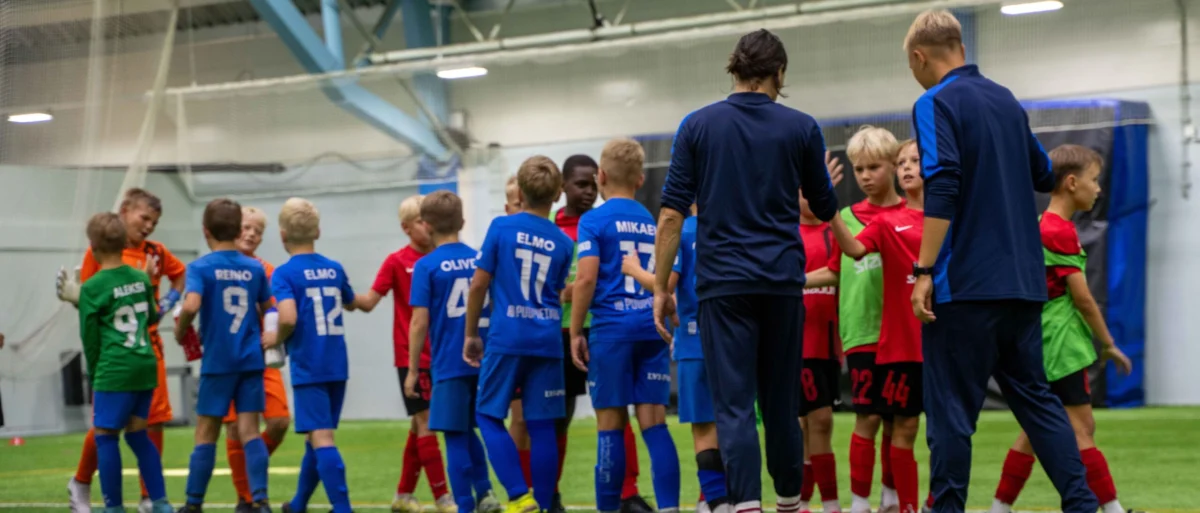
The brilliance of the current program lies in its structural diversity. Coaches no longer rely on a "one-size-fits-all" approach to field size or team numbers. Instead, the program uses a mix of 7-vs-7 and 4-vs-4 matches, often played simultaneously.
The Dynamics of Spatial Awareness
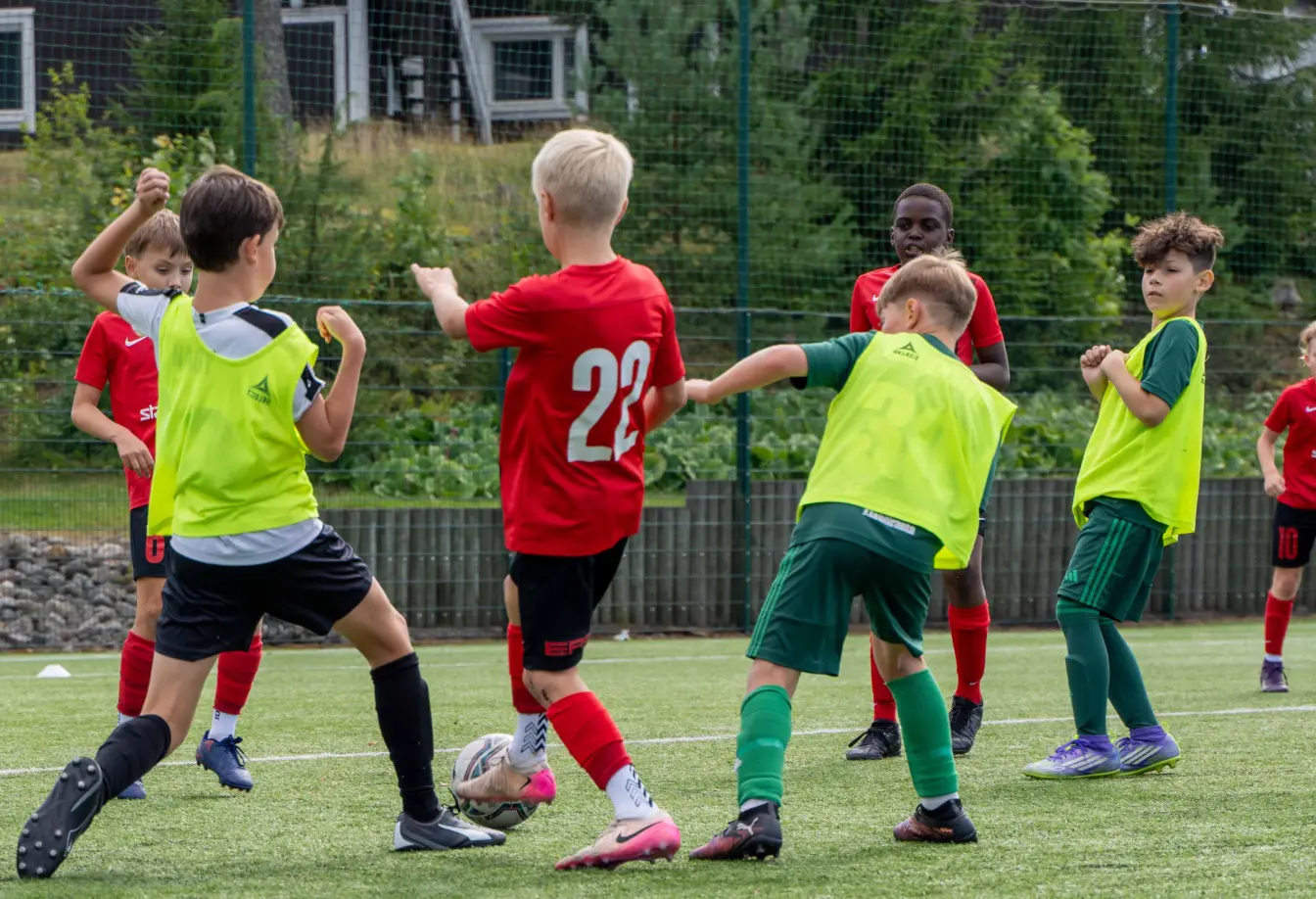
"A team might play their first match on a larger field and then move to a smaller pitch for the next game," Kekkonen notes. "This forces the players to constantly adapt their decision-making. 4-vs-4 games are played side-by-side, meaning one team is essentially managing two fields at once, while the players on the sideline engage in guided 1-vs-1 drills rather than sitting on a bench."
This approach addresses a critical issue in youth sports: the "dead time" spent on the bench. By ensuring that every child is constantly engaged—whether in a match or in active, ball-focused training—the program maximizes the number of touches and technical repetitions each player receives.
The "Referee-Free" Experiment
One of the most discussed aspects of the event is the absence of external referees. According to Jani Tulehmo, Head of Children’s Coaching Development at the Football Association of Finland, this was initially met with skepticism. However, the data from the pitch suggests that children are far more capable than adults give them credit for.
"It became apparent very quickly that children resolve various situations very cleverly," says Kekkonen. "By last year, we hardly heard any questions about why there wasn’t a referee. The games have rolled along beautifully on their own terms."
Official Responses: Insights from Leadership
The leadership team behind Huuhkaja- ja Helmaripolku remains committed to the idea that competition is necessary, but it must be reframed.
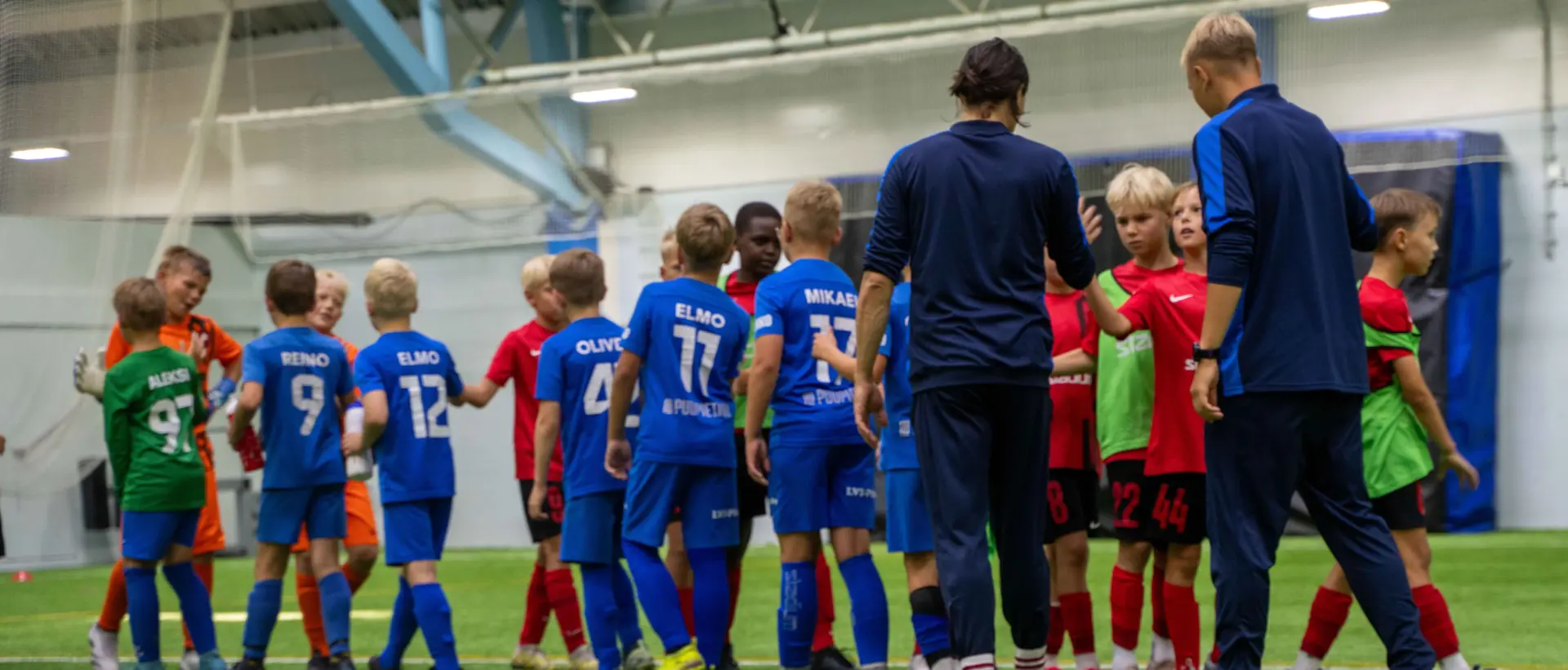
"In every game, there is competition, and we play to win, but we do not play for rankings," says Jani Tulehmo. "The goal is player development. We are avoiding the scenario where players sit on the bench and wait. We want to provide different stimuli and game actions. The bigger pitch emphasizes full-speed running, ball carrying, and defending large spaces, while the smaller pitch focuses on quick decision-making, finishing, and defensive pressure."
The feedback from coaches has been overwhelmingly positive. They report that the variety of formats allows them to see players in different lights, identifying individual strengths and specific areas for growth that might remain hidden in a traditional, static game environment.
The Role of the Family: Educating the Support System
A crucial component of the event is the inclusion of families. The program organizers realized that if the culture of youth sports is to change, the parents must be on board.
During the event, specialized sessions are held for parents to discuss the reality of growing into a football player and an athlete. These sessions cover:
- The Importance of Multisport Activity: Challenging the myth that specialization must start at age 10.
- Total Activity Loads: How daily choices and lifestyle factors contribute to a child’s overall physical health.
- Independent Practice: Encouraging children to play on their own time, without the pressure of a coach or parent watching every move.
By educating the parents, the program ensures that the lessons learned on the pitch—independence, self-governance, and a love for the game—are carried over into the home environment.
Implications: A New Direction for Finnish Sports
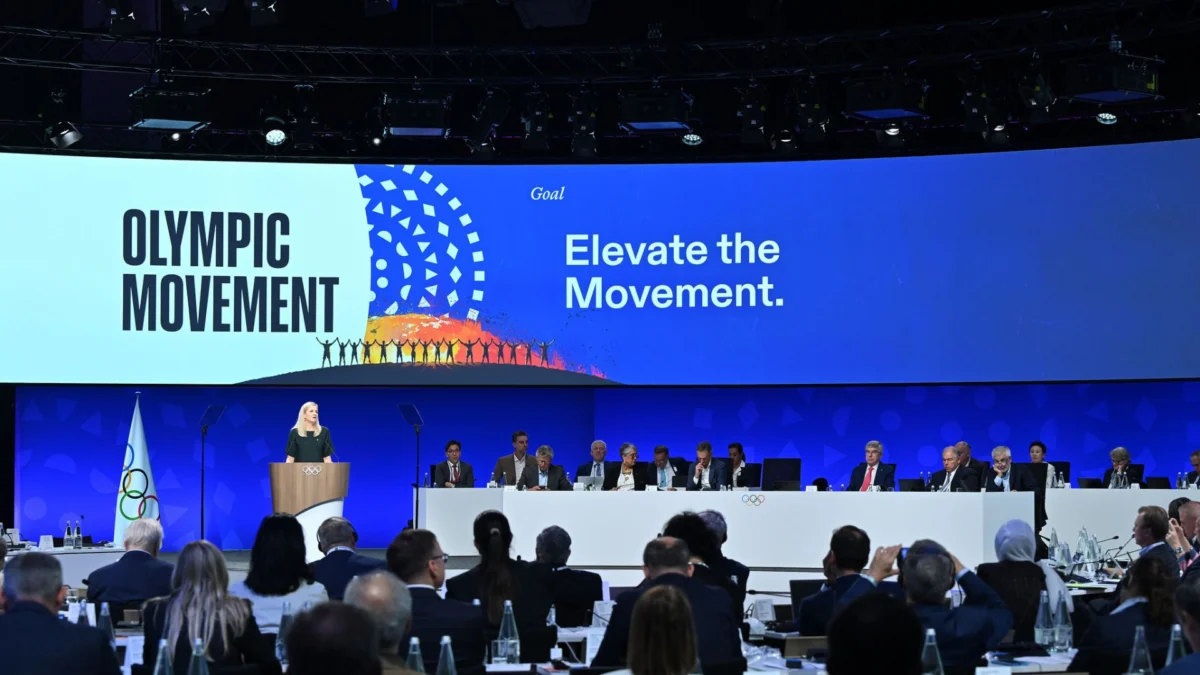
The initiative arrives at a pivotal moment. The Finnish Olympic Committee and various national sports federations have noted that the state of youth sports is in a "rupture point." Participation rates are declining, and children are dropping out of organized sports earlier than in previous generations. Furthermore, due to a decrease in overall daily movement, the fundamental motor skills of children have weakened.
"None of these trends are positive in the light of research data," the Committee notes. "Whether we are looking at establishing a healthy lifestyle, learning motor skills, or creating a high-performance career, the current trajectory is unsustainable."
The Huuhkaja- and Helmaripolku event is a direct response to this crisis. By fostering an environment where:
- Children have autonomy: Making their own calls on the field builds confidence.
- Engagement is prioritized: Removing bench time keeps children physically active and mentally sharp.
- Holistic education is provided: Including parents ensures a supportive ecosystem around the child.
Looking Toward the Future
The goal is to ensure that every Finnish child finds the joy of sports. The Football Association of Finland, alongside its 40 partner federations, is aiming to create a future where children can participate, belong, dream, and practice in their own way.
As the program continues to grow, its success serves as a blueprint for other sports. The message is clear: if we want children to stay in sports, we must respect their developmental stage. We must offer them the chance to solve problems, the space to run, and the freedom to play without the constant shadow of adult-imposed pressure.
In the end, the success of the Huuhkaja- and Helmaripolku 10-year-old development event isn’t measured in trophies or tournament wins. It is measured in the laughter of the players, the intensity of their training, and the newfound confidence of young athletes who are learning that they are the primary architects of their own success.
By continuing to refine these "bold experiments," Finland is proving that the future of elite sports doesn’t start with professional standards—it starts with the simple, unadulterated joy of the game. The path ahead is clear: more touches, more independence, and a renewed commitment to the child as a whole person, not just a player on a roster. Through this transformation, the Football Association of Finland is not just developing better players; it is nurturing a generation that will carry the love of movement and the spirit of the game well into their adulthood.