Introduction: A Journey Beyond the Map
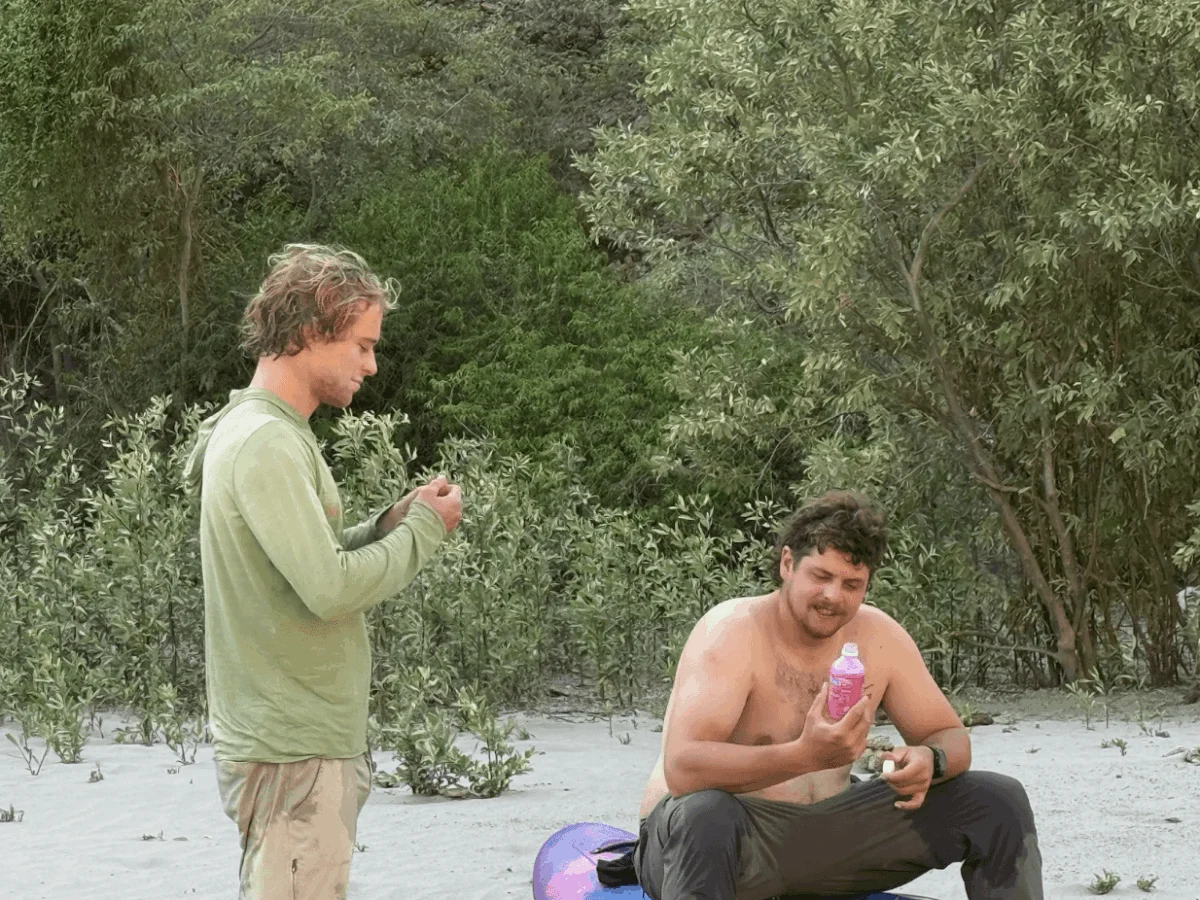
For most, India is a concept—a distant, vibrant land of contrast. For professional river guides Mike and Cody, however, India became a visceral, high-stakes classroom. Recently returning from an immersive expedition in Northern India, the duo embarked on a journey that combined rigorous professional whitewater training with a profound cultural pilgrimage. By partnering with the instructors at the Hannibal Outdoor Center, they sought not only to navigate the legendary Ganges River but to understand the complex, often contradictory standards of the rafting industry in a country where the river is considered a living deity.
Main Facts: Navigating the Sacred and the Sublime
The expedition was defined by the sheer scale of the landscape. Northern India does not merely present mountains; it presents the Himalayas—a geological titan that dwarfs human endeavor. Even in the “foothills,” Mike and Cody found themselves operating at elevations between 8,000 and 12,000 feet, surrounded by villages that cling to the steep, craggy slopes of the world’s highest range.
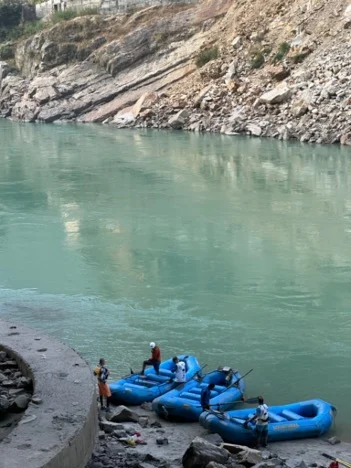
The primary objective was the Ganges (Ganga), a river of immense spiritual significance and physical power. During their descent, the team estimated the flow at a staggering 40,000 cubic feet per second (cfs). For context, this volume creates a hydraulic environment that is both awe-inspiring and perilous, demanding a level of respect that transcends standard Western rafting protocols.
Chronology: From the Foothills to the Holy Banks
The trip unfolded as a multi-stage immersion, transitioning from technical training to cultural engagement:
- Phase 1: Professional Integration. The team began by embedding with local guides from the Hannibal Outdoor Center. This was a critical component of the trip, allowing Mike and Cody to study how Indian rafting professionals mitigate risk on some of the most dynamic water in the world.
- Phase 2: The Ganges Run. The primary whitewater descent provided a masterclass in high-volume river navigation. The scale of the Ganges is dictated by the massive snowmelt of the Himalayas, resulting in a river that is as relentless as it is beautiful.
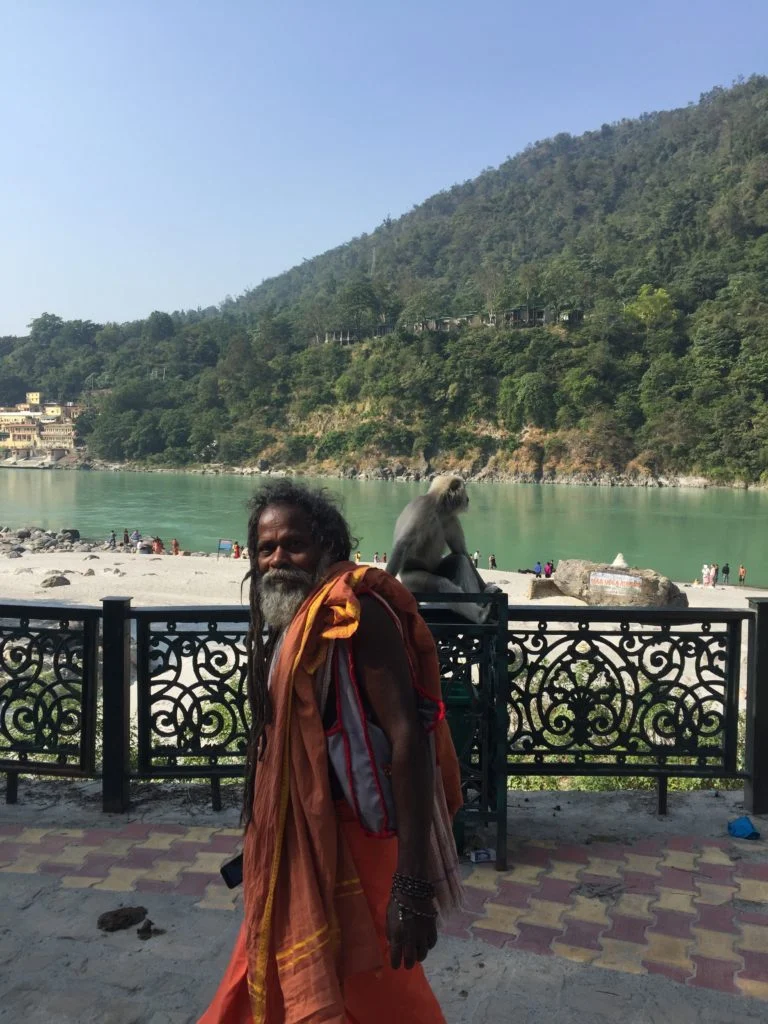
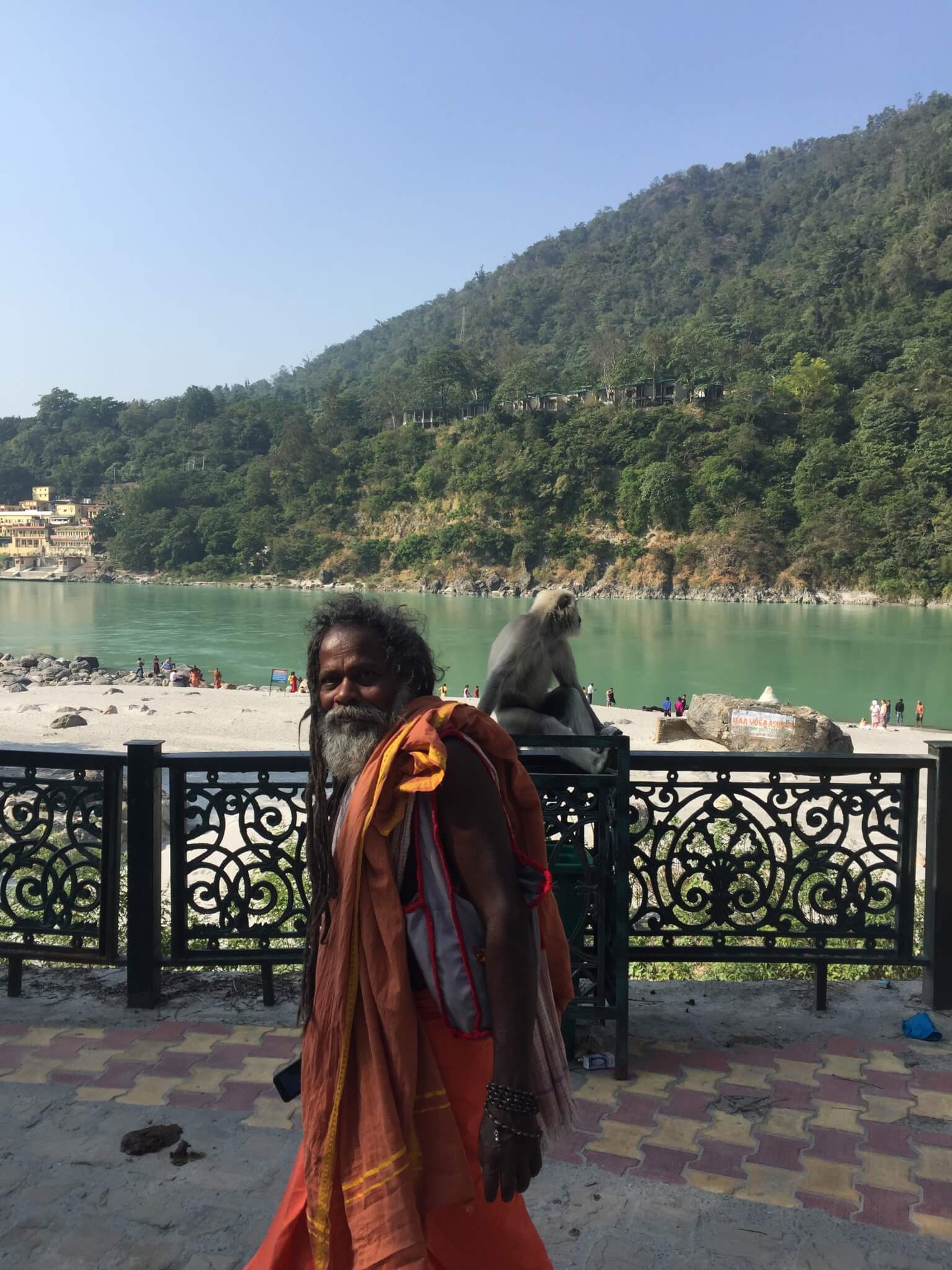
- Phase 3: The Haridwar Immersion. Following their time on the water, the pair traveled to Haridwar, one of the seven holiest places in Hinduism. Here, they witnessed the daily Ganga Aarti and the mass spiritual cleansing that takes place at the river’s edge.
- Phase 4: Overland Exploration. Recognizing that a country of India’s size cannot be understood solely from the water, the pair utilized the country’s vast train network and local rickshaws to traverse the landscape, observing the intersection of rural agriculture and rapid industrial development.
Supporting Data: A Landscape of Extremes
To understand the environment in which Mike and Cody operated, one must look at the data surrounding the region:
- Geography: The Himalayas act as the world’s water tower. The rivers flowing from these peaks are characterized by extreme seasonal fluctuations. A flow of 40,000 cfs is not uncommon, yet the technical challenges are compounded by the extreme vertical relief of the surrounding terrain.
- Demographics: India is home to approximately 1.4 billion people—roughly one-fifth of the human population. This density is reflected in the sheer number of pilgrims encountered at river access points.
- Linguistic Diversity: While Hindi is the most spoken language, India is a mosaic of over 3,000 languages and dialects, creating a logistical and cultural environment that is perpetually in flux.
- Wildlife: The region serves as a biodiversity hotspot. The expedition reported encounters with, or knowledge of, a range of fauna including wild elephants, various monkey species, and cobras—all of which thrive in the pockets of wild space that remain amidst human encroachment.
The Dual Identity of the Ganges: Sacredness and Pollution
Perhaps the most jarring aspect of the expedition was the juxtaposition of reverence and environmental degradation. The Ganges is arguably the most worshipped river on the planet, yet it serves as a primary drainage artery for a massive, industrializing population.

Mike and Cody noted that the very river used for ritual purification is simultaneously burdened by untreated human waste and industrial runoff. This paradox is central to the Indian experience. Pilgrims travel hundreds of miles to submerge themselves in the water, believing in its eternal purity, even as downstream sections of the river face critical ecological challenges. The team observed firsthand that the beauty of the Himalayan vistas is often framed by the realities of landfills and waste management issues that have yet to catch up with the nation’s rapid economic growth.
Official Perspectives and Industry Standards
The collaboration with the Hannibal Outdoor Center provided a unique look at how professional whitewater standards are evolving in India. Unlike the highly regulated, litigious environments of North American whitewater guiding, the Indian industry relies heavily on a combination of traditional knowledge and international safety standards adopted by local pioneers.
According to the guides involved, there is a strong emphasis on "instinctual navigation." Because the river is viewed as a living entity, the local relationship with the water is less about "conquering" a rapid and more about "negotiating" passage. This cultural nuance adds a layer of complexity to the training, as Western guides must balance their technical safety protocols with the spiritual and local practices of the Indian river community.

Implications: The Future of Adventure Tourism
The expedition highlighted several key implications for the future of adventure travel in South Asia:
- Sustainable Tourism: The rapid growth of the Indian outdoor industry necessitates a robust approach to environmental protection. As more international paddlers visit the Ganges, the responsibility falls on the local and global guiding community to advocate for cleaner river practices.
- Cultural Sensitivity: For Western professionals, the trip served as a reminder that the river is not merely a venue for sport. The presence of pilgrims, temples, and funeral rites along the banks requires a level of decorum and respect that goes beyond standard "Leave No Trace" principles.
- Infrastructure as Experience: The team’s preference for trains and rickshaws highlights a shift in how modern explorers view travel. The journey between the destination is often as significant as the destination itself. The train network, in particular, offers a window into the "heroic subsistence agriculture" and the raw, unfiltered reality of Indian life that one cannot see from a high-altitude flight or a luxury coach.
Conclusion: A Returning Call
For Mike and Cody, the trip was a transformative experience that recalibrated their understanding of both whitewater and the human condition. They describe the country as "overwhelming" in every sense—a place where the beauty of the Himalayas meets the grit of human survival, and where every river bend offers a new lesson in geography, theology, or sociology.
Despite the intensity of the experience and the logistical hurdles, the pair left with a sense of profound admiration. The resilience of the people, the depth of the culture, and the sheer majesty of the landscape have left an indelible mark. As they return to their routines in the States, the conversation has already shifted to their next visit. India is not a destination one visits once; it is a complex, living puzzle that demands repeated engagement. For those who seek the "wild," there is perhaps no greater classroom on Earth.