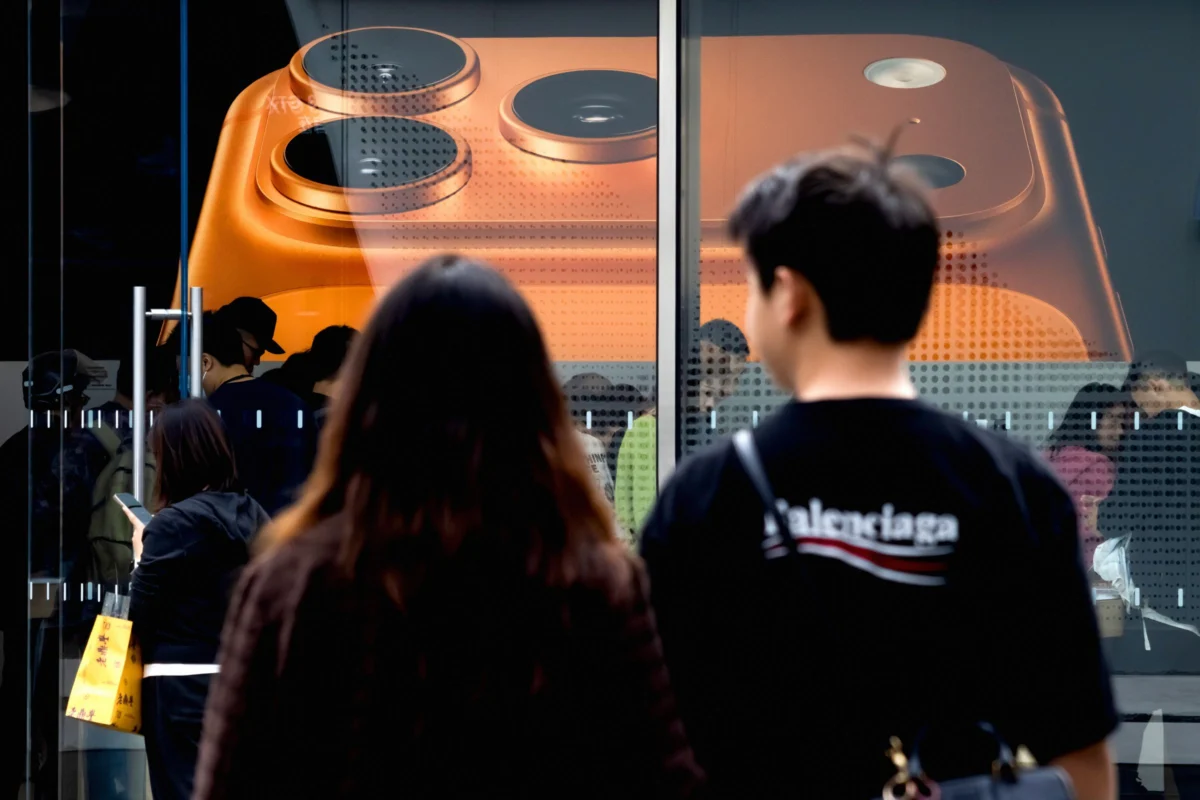
For nearly two decades, the month of September has been synonymous with a singular ritual: Apple’s grand unveiling of its latest iPhone lineup. It is a well-oiled machine of marketing precision, typically featuring a tiered reveal that spans from the accessible base-model handsets to the high-performance, high-margin "Pro" variants. However, as the tech industry braces for the September 9 "Surprise and Shine!" event, it has become increasingly clear that the status quo is being abandoned.
This year’s event, occurring under the stewardship of a new CEO, marks more than just a change in leadership; it signals a fundamental restructuring of how Apple brings its flagship technology to market. As global supply chains buckle under a persistent memory shortage and inflation forces a re-evaluation of consumer electronics pricing, Apple is opting for a "premium-first" strategy, fundamentally altering the rhythm of its product lifecycle.
The Chronology of Change: From Uniform Launch to Seasonal Staggering
Traditionally, Apple has launched its entire iPhone ecosystem simultaneously in the fall to capture the massive demand of the holiday shopping season. By releasing every model—from the budget-friendly entry-level device to the top-tier Pro Max—at once, the company ensured that customers at every price point were integrated into the new hardware cycle.
This year, that predictability is being discarded. According to multiple industry analysts and supply chain leaks, the September 9 keynote will focus exclusively on the upper echelon of the new hardware. Attendees and viewers of the livestream should expect the debut of the iPhone 18 Pro and iPhone 18 Pro Max.
Most significantly, the industry is bracing for what could be the company’s most ambitious hardware pivot yet: the unveiling of Apple’s first foldable device. Rumors have swirled for years regarding a folding iPhone, and industry indicators suggest this event will finally pull back the curtain on a product designed to compete with the high-end folding handsets from Samsung and Google.
The departure from tradition becomes clear when one looks at the spring of 2027. Instead of a secondary "SE" launch or minor accessory updates, the company is expected to push the base-model iPhone 18 to a spring release. This strategy likely includes the introduction of an iPhone 18e—a budget-conscious iteration—and potentially a second-generation iPhone Air, a device aimed at the ultra-thin, high-portability market. By separating these launches, Apple is effectively creating two distinct "seasons" for its hardware, a move that Wall Street believes is designed to smooth out revenue spikes and maintain consistent interest throughout the fiscal year.
Supporting Data: The Memory Crisis and the Cost of Innovation
The primary driver behind this strategic pivot is a severe and persistent global memory shortage. As the complexity of modern smartphones increases—demanding more RAM for generative AI tasks and higher-capacity storage for high-definition media—the underlying cost of components has skyrocketed.
Apple, like its competitors, has not been immune to these macroeconomic pressures. In June, former CEO Tim Cook publicly acknowledged that the company would need to adjust its pricing structures to account for these rising manufacturing costs. This is not merely a localized issue; it is a systemic challenge facing the entire consumer electronics sector.
Nabila Popal, a senior director of data and analytics at IDC, describes this shift as a calculated move toward "premiumization."
"Our assumption is that they’re going to be launching three models in the fall, the premium side of the models of the 18 series," Popal explains. "Then the mid/budget devices will be launched in the spring."
The logic is sound from a financial perspective: by clustering the most expensive, high-margin devices in the fall, Apple maximizes revenue during the Q4 holiday surge. By moving the more price-sensitive devices to the spring, the company avoids the sticker shock that would come from trying to push an entry-level phone with significantly inflated pricing during the same event as its luxury handsets.
Official Responses and Economic Outlook
The industry at large is watching closely, with experts divided on whether this trend represents a permanent shift or a temporary response to supply chain volatility. Shawn DuBravac, chief economist at the Global Electronics Association, offers a perspective that balances short-term consumer pain with long-term technological optimism.
"Throughout the history of time, the deflationary pressures of technology have always flowed to the consumer," DuBravac says. "I’m confident that will be the case again. It just will take some time for the markets to solidify."
DuBravac argues that while we are currently in a cycle of price increases, the eventual normalization of supply chains and the maturation of manufacturing processes—particularly for complex technologies like folding screens—will inevitably drive costs down. However, for the average consumer, this "eventual" normalization feels distant. Currently, the foldable market is experiencing record-high price points, with Samsung’s 2026 Galaxy Z range and the Google Pixel 11 Pro Fold establishing a new, elevated price floor. Analysts speculate that the upcoming Apple foldable could command a price tag near $2,000, placing it firmly in the "ultra-premium" category.
Implications: The Subscription Future and the Ownership Debate
As Apple pivots toward a higher-end, higher-priced strategy, it is also changing how it gets these devices into the hands of consumers. Recognizing that a $2,000 device is out of reach for many, the company has ramped up its focus on financing and leasing models.
In July, Apple introduced a comprehensive iPhone leasing program. This service allows consumers to pay a recurring monthly fee to access the latest hardware, with the ability to swap the device for the next model upon release. While this lowers the barrier to entry, it has sparked intense debate among ownership advocates.
Critics argue that this model marks the final stage of transforming the iPhone from a piece of property into a service-based utility. By moving toward a subscription-heavy ecosystem, Apple risks alienating users who value the traditional model of purchasing and owning their hardware outright. This shift aligns with Tim Cook’s broader, long-term vision for Apple: to turn every product, from the watch on your wrist to the phone in your pocket, into a perpetual revenue stream through integrated software and hardware services.
The Human Element: Is "Premiumization" Sustainable?
The "premiumization" of the smartphone market presents a social question as much as an economic one. As the gap between the flagship iPhone 18 Pro Max and the entry-level devices continues to widen, we may be witnessing the creation of a tiered digital society.
Apple’s strategy suggests that they are banking on the fact that their most loyal customers—the "Pro" users—are less price-sensitive and more invested in the ecosystem than ever before. By focusing on these users, Apple can maintain its margins even as manufacturing costs remain high. Yet, the risk remains that by pushing the base-model releases to the spring, the company may inadvertently dampen the excitement that typically permeates the entire brand during the September keynote.
Conclusion: A New Era for Cupertino
The September 9 event will serve as a bellwether for the future of Apple. The shift away from a unified product launch, the adoption of a luxury-first release schedule, and the acceleration of subscription-based hardware leasing all point to a company that is no longer satisfied with being a volume-driven manufacturer. Instead, Apple is positioning itself as a provider of exclusive, high-tech luxury services.
Whether this strategy will resonate with a global consumer base facing economic uncertainty remains to be seen. What is certain, however, is that the era of the predictable, uniform annual iPhone upgrade is ending. In its place, we are entering a new, more fragmented, and significantly more expensive chapter of mobile technology—one where the device is not just a tool, but an ongoing subscription to the future of the Apple ecosystem. As the world watches on September 9, the question will not just be about the hardware, but about whether the consumer is willing to pay the price of admission for a brand that is increasingly redefining the meaning of "premium."