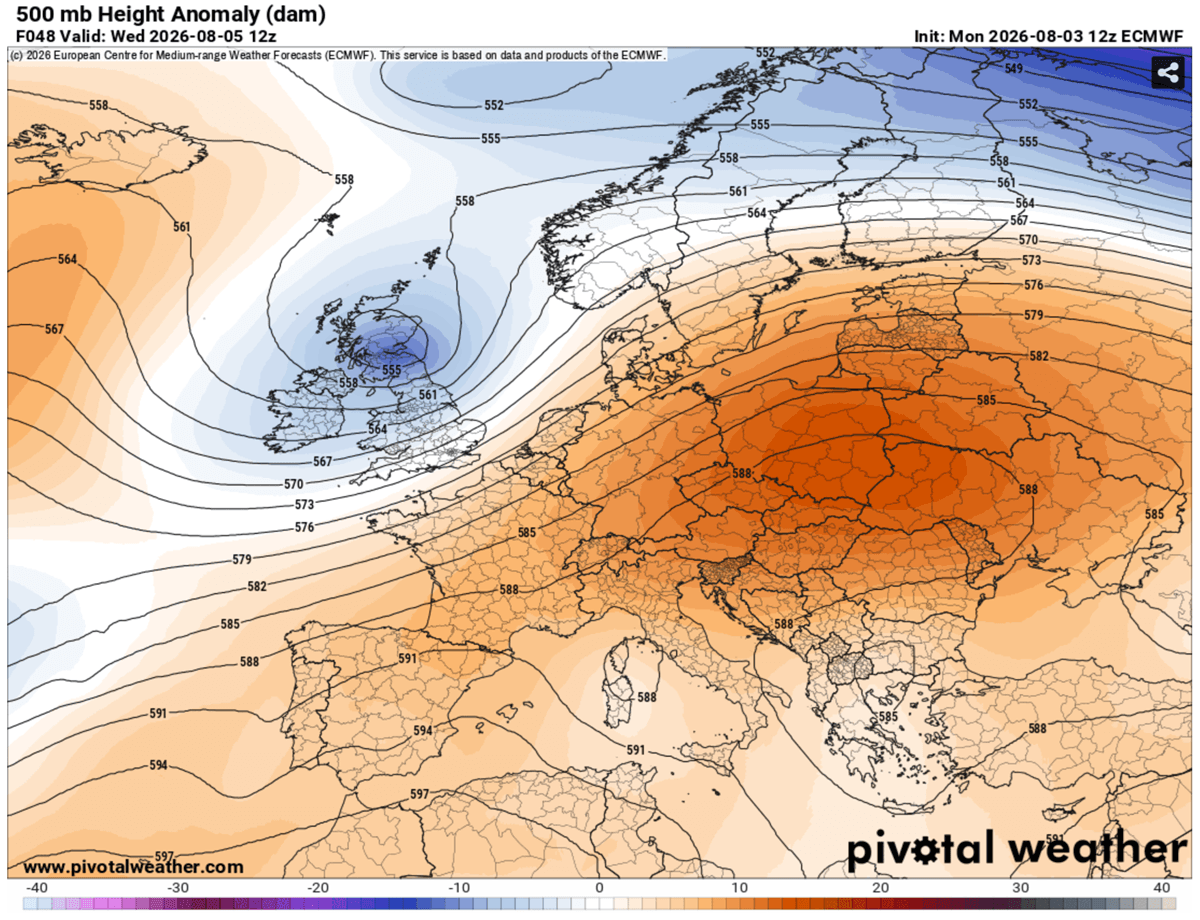
A high-amplitude, upper-level atmospheric ridge is currently locked over Central Europe and the Balkan Peninsula, acting as a massive, immobile thermal engine. This meteorological phenomenon, characterized by a persistent "Heat Dome" synced with an Omega block pattern, is driving a multi-week heatwave that shows no sign of immediate collapse. As North African air masses surge northward, thermal anomalies are reaching the 99th percentile, pushing daytime temperatures toward a blistering 43°C. For millions across Italy, Hungary, Croatia, Serbia, and the surrounding regions, the first week of August has become a test of endurance against an unrelenting atmospheric siege.

The Atmospheric Engine: Anatomy of a Heat Dome
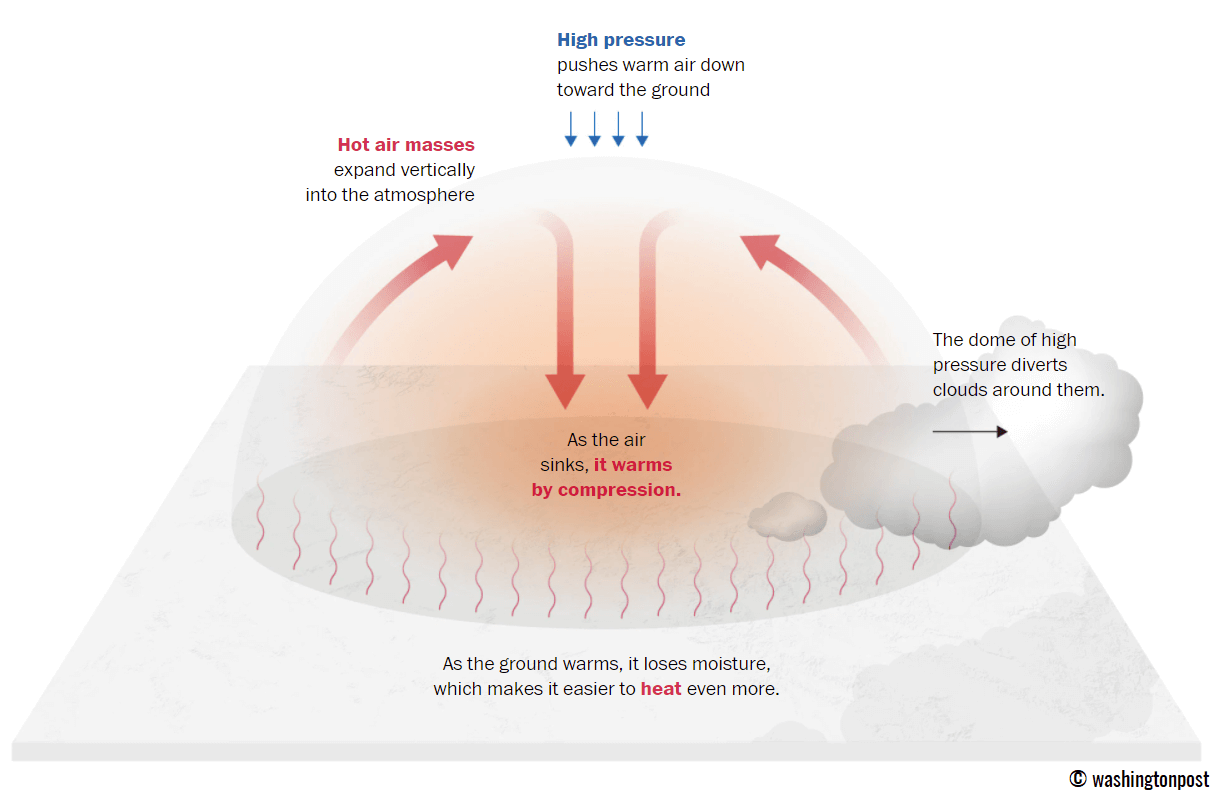
The primary driver of this crisis is a stagnant, high-pressure system parked directly over the heart of the continent. Meteorologists describe this as a "Heat Dome"—a term that has become increasingly synonymous with record-breaking, multi-continental climate events.
Functioning much like a lid on a boiling pot, the heat dome traps warm air at all altitudes. As the high-pressure system dominates, it forces sinking air to compress and warm the lower troposphere. This process, known as adiabatic heating, causes temperatures to skyrocket in low-lying areas such as the Po Valley and the Pannonian Basin. Unlike standard summer weather, which might fluctuate with passing fronts, this blocking pattern is remarkably stable, trapping heat and preventing the standard circulation of cooler air. As this system remains "parked" over the continent, the lack of wind and cloud cover accelerates soil moisture loss, further exacerbating the drought conditions already plaguing much of the region.
Chronology of the Heat Surge: A Week of Extremes
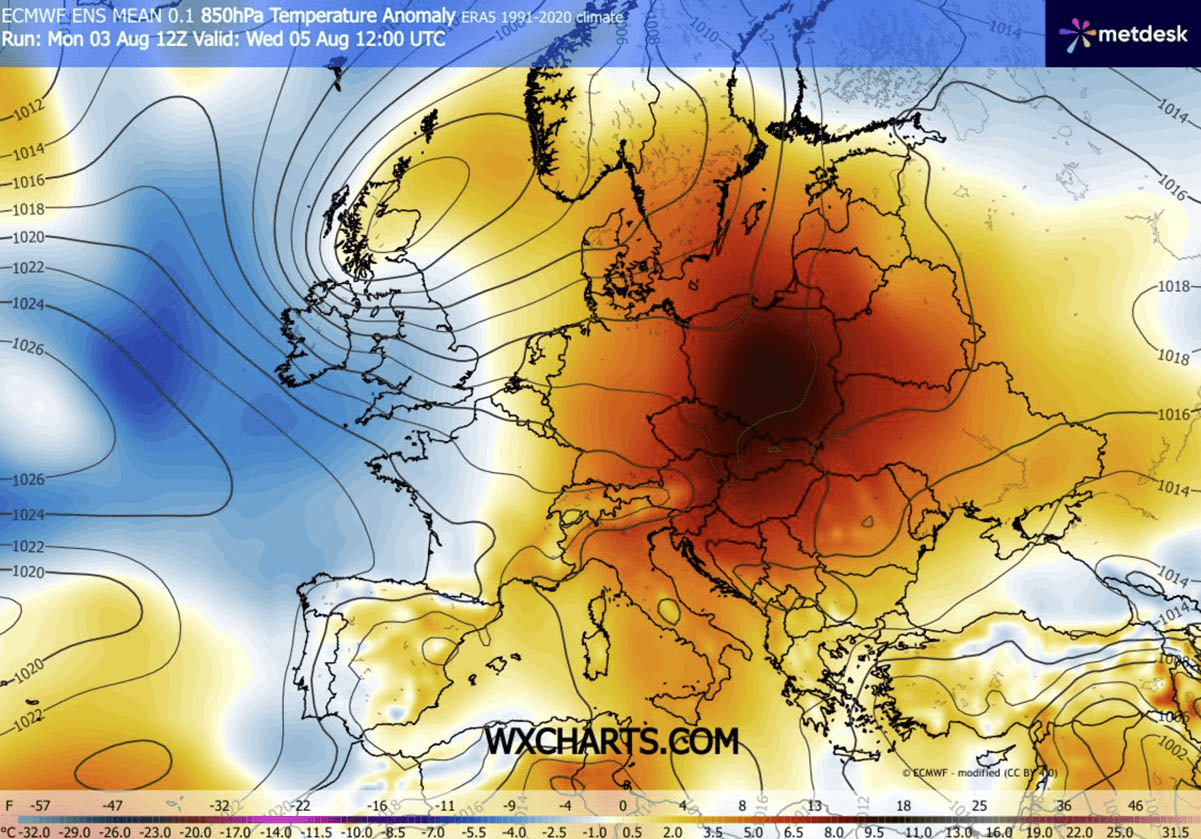
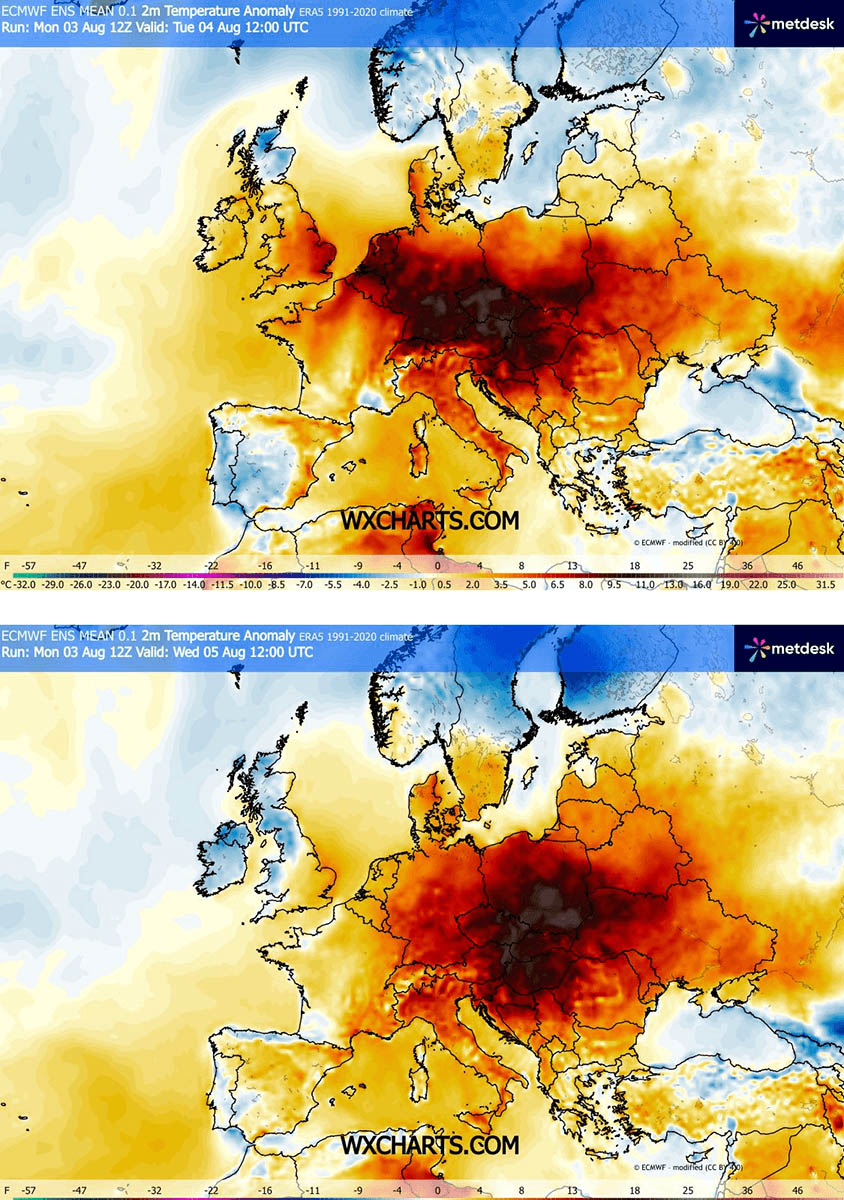
The progression of this heatwave is methodical, moving from west to east as the atmospheric ridge elongates.
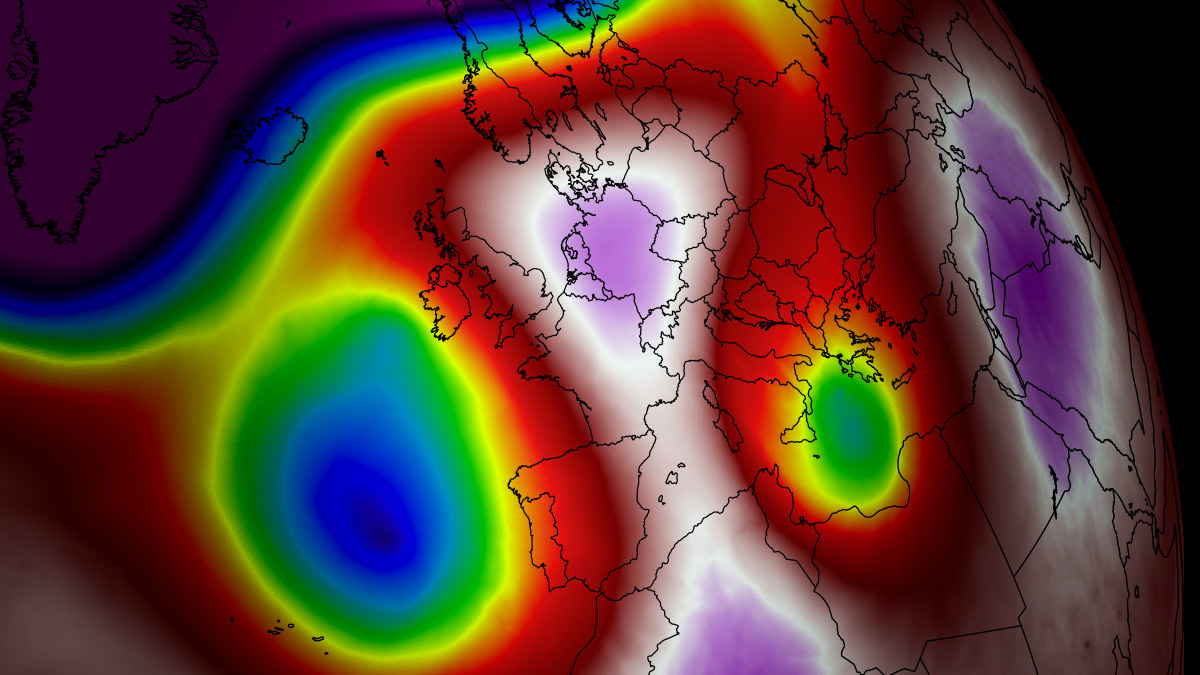
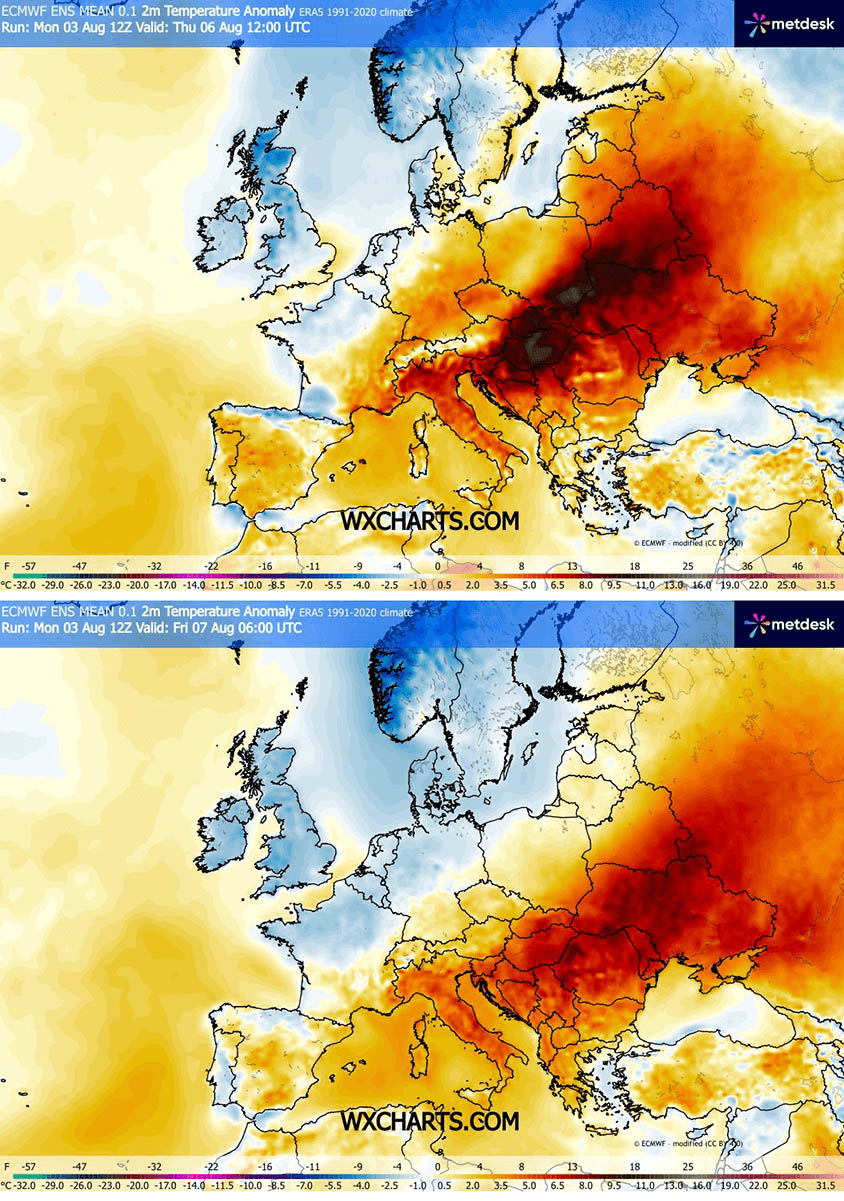
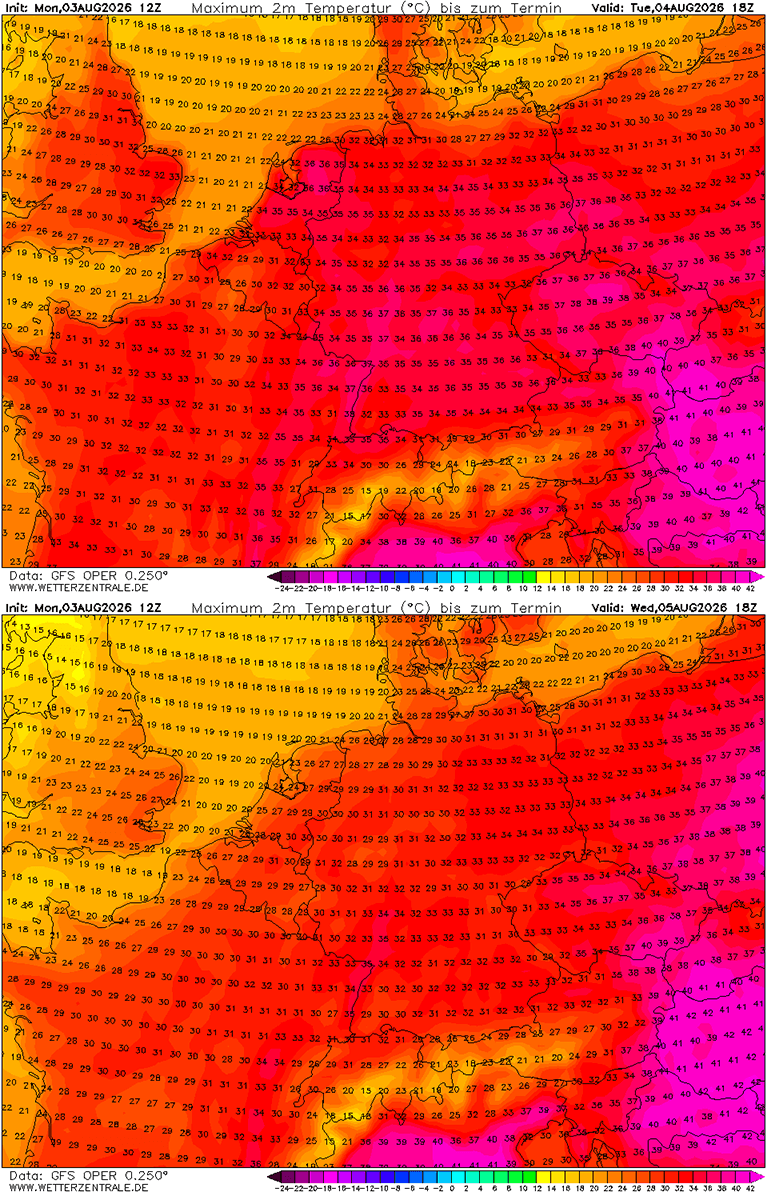
- Tuesday and Wednesday: The ridge’s initial intensity focused on Germany, the Czech Republic, and Eastern Austria. Temperatures in these regions climbed steadily, with mercury hitting between 36°C and 40°C. By Wednesday, the core of the anomalous air mass began its eastward migration, shifting the peak intensity toward Poland, Slovakia, and eventually the northern reaches of the Balkans.
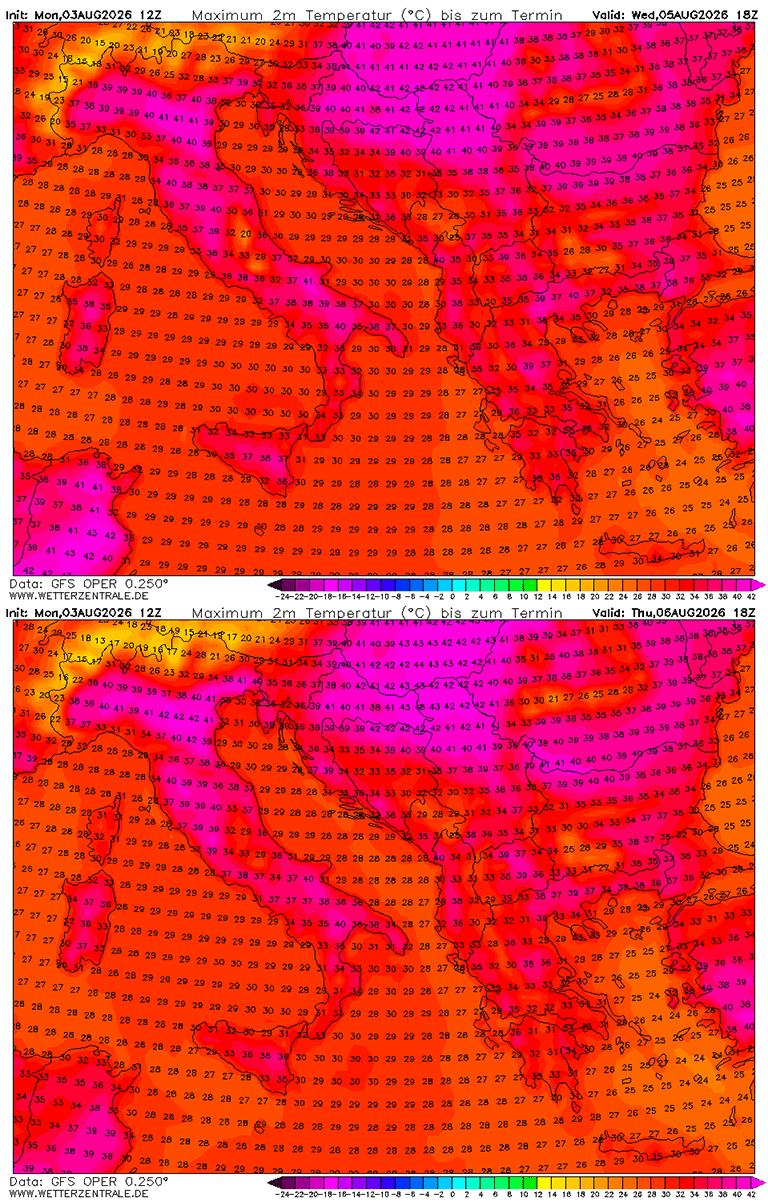
- Thursday: This day marked a critical inflection point. As the dome continued its eastward expansion, Croatia, Serbia, and Romania bore the brunt of the heat. Forecast models indicated peak temperatures reaching 43°C in the heart of the Pannonian plains, making it the most dangerous period for these specific nations.
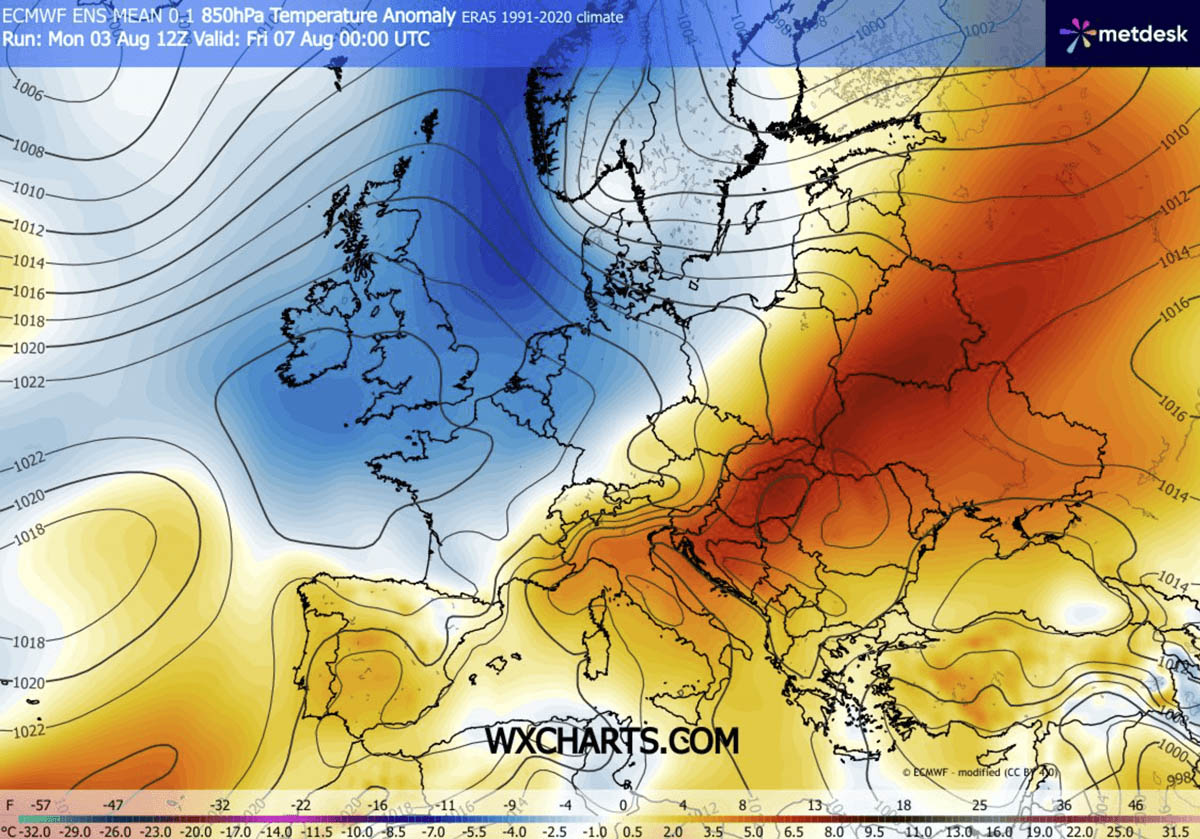
- Friday and Beyond: The thermal surge is expected to encompass Bulgaria, Greece, and portions of western Russia. While some western regions, including the Benelux and parts of Germany, may see marginal relief due to maritime air intrusion from the Atlantic, the eastern half of the continent remains firmly under the dome’s influence.
The "Tropical Night" Crisis: Why Recovery is Impossible
Perhaps the most dangerous aspect of this current event is not the daytime high, but the total absence of nocturnal relief. Urban centers across the Balkans and Central Europe are reporting "tropical nights," where temperatures refuse to dip below 24°C to 26°C.
For the human body, the overnight period is essential for biological recovery. Without the standard cooling-off period provided by nighttime, the body’s core temperature remains elevated, leading to cumulative physiological stress. This is particularly lethal for the elderly, individuals with pre-existing respiratory or cardiovascular conditions, and urban populations living in "heat islands"—areas dominated by concrete and asphalt that absorb heat during the day and radiate it back into the environment throughout the night.
Implications for Public Health and Infrastructure
The health implications of such sustained heat are severe. Medical professionals are bracing for a spike in cases of heat exhaustion, which, if left untreated, can rapidly progress to heat stroke—a life-threatening condition where the body’s thermoregulatory system fails.
Heat Index and Humidity
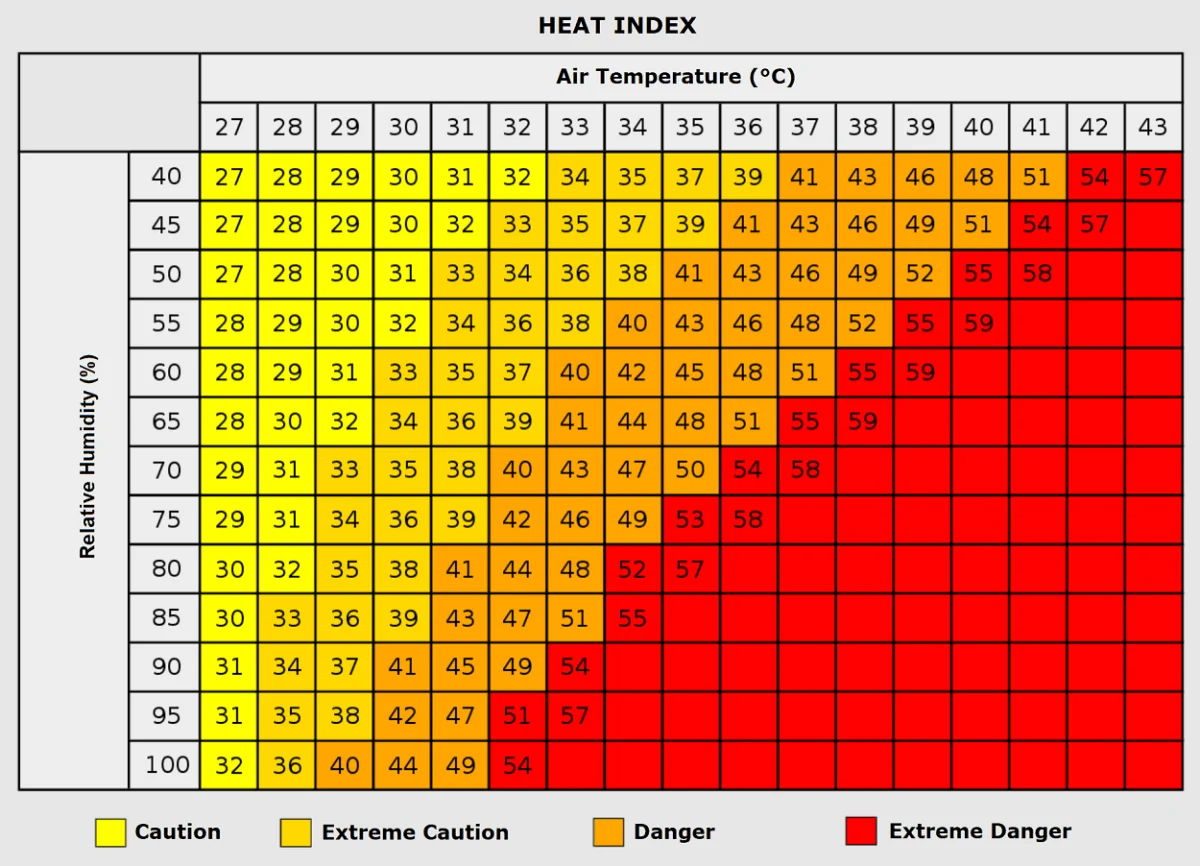
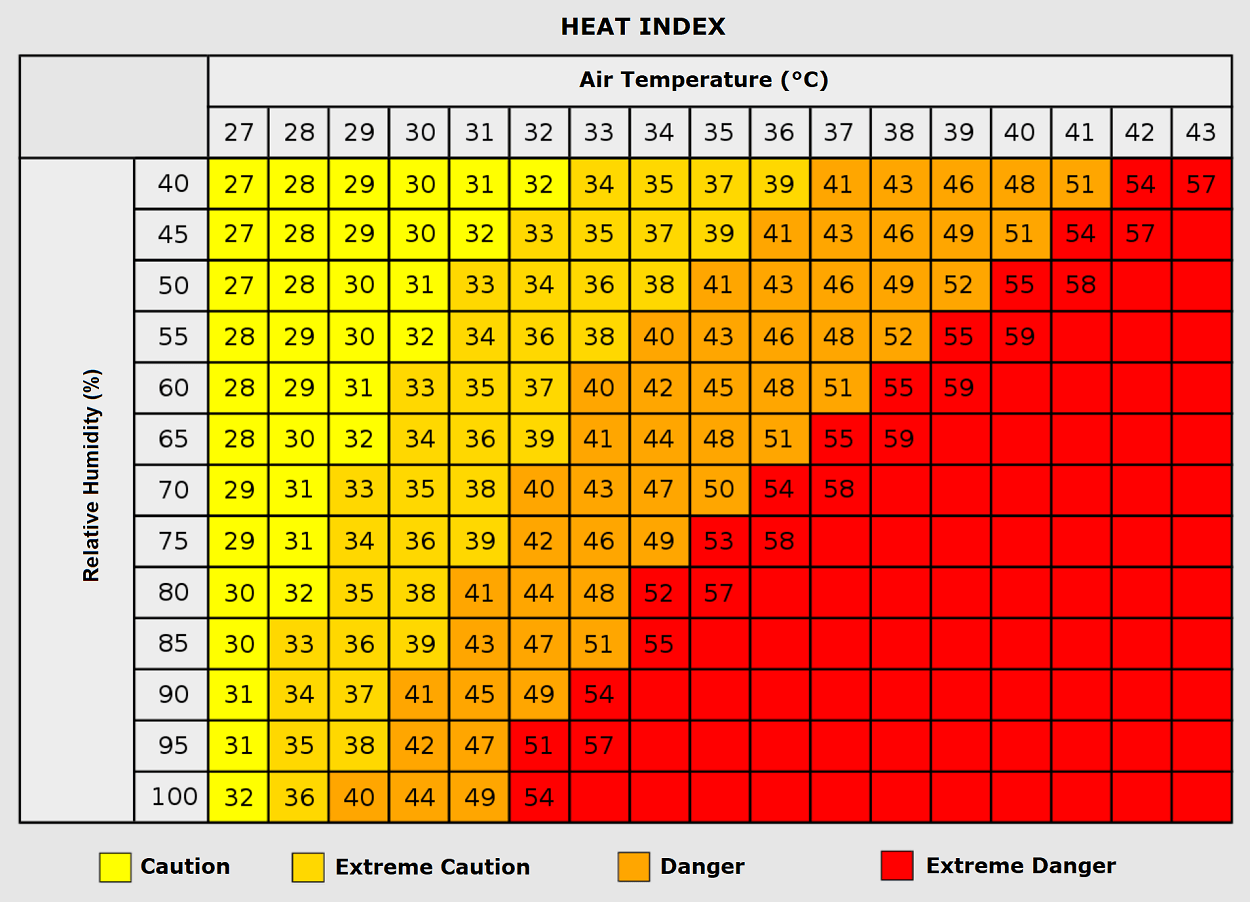
Meteorologists are increasingly emphasizing the "Heat Index"—a measurement that accounts for both ambient temperature and relative humidity. Even at moderate temperatures, high humidity prevents sweat from evaporating, which is the body’s primary cooling mechanism. When temperatures hover at 35°C with humidity levels exceeding 60%, the "perceived" temperature can climb toward 50°C. This combination of heat and humidity is linked to higher rates of strokes, myocardial infarctions (heart attacks), and acute respiratory distress.
Economic and Agricultural Impacts
Beyond the immediate human toll, the economic implications are mounting. The agricultural sector is facing an existential threat. The combination of scorching temperatures and lack of precipitation is accelerating soil moisture depletion, threatening the harvest of essential crops in the Pannonian Basin—the "breadbasket" of Central Europe.
Furthermore, the power grid is under unprecedented strain. The need for constant air conditioning, combined with the decreased efficiency of power plants operating in extreme heat, creates a precarious situation for national utility providers. In cities with older, heat-trapping architecture, the reliance on electricity for survival is pushing grids to their operational limits.
Fire Weather: A Landscape Under Siege
The western Balkans and southern Europe are currently at the highest possible alert level for wildfires. The combination of dry, continental winds and a lack of moisture in the vegetation creates "explosive" conditions. A single spark, whether from a discarded cigarette, a lightning strike, or agricultural machinery, can ignite a blaze that spreads with terrifying speed. Firefighting agencies across the region are currently operating on maximum mobilization, as the risk of catastrophic forest fires remains elevated through at least the end of the week.
Looking Ahead: A New Dome on the Horizon?
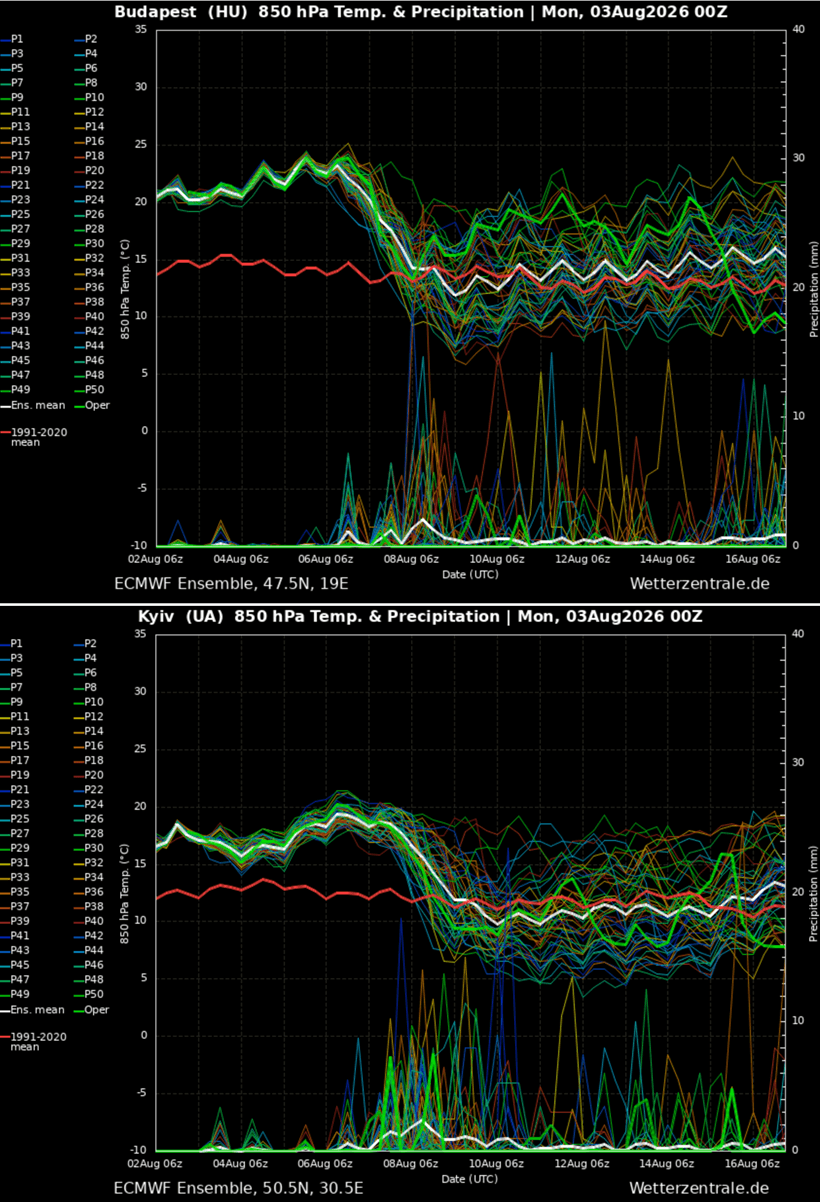
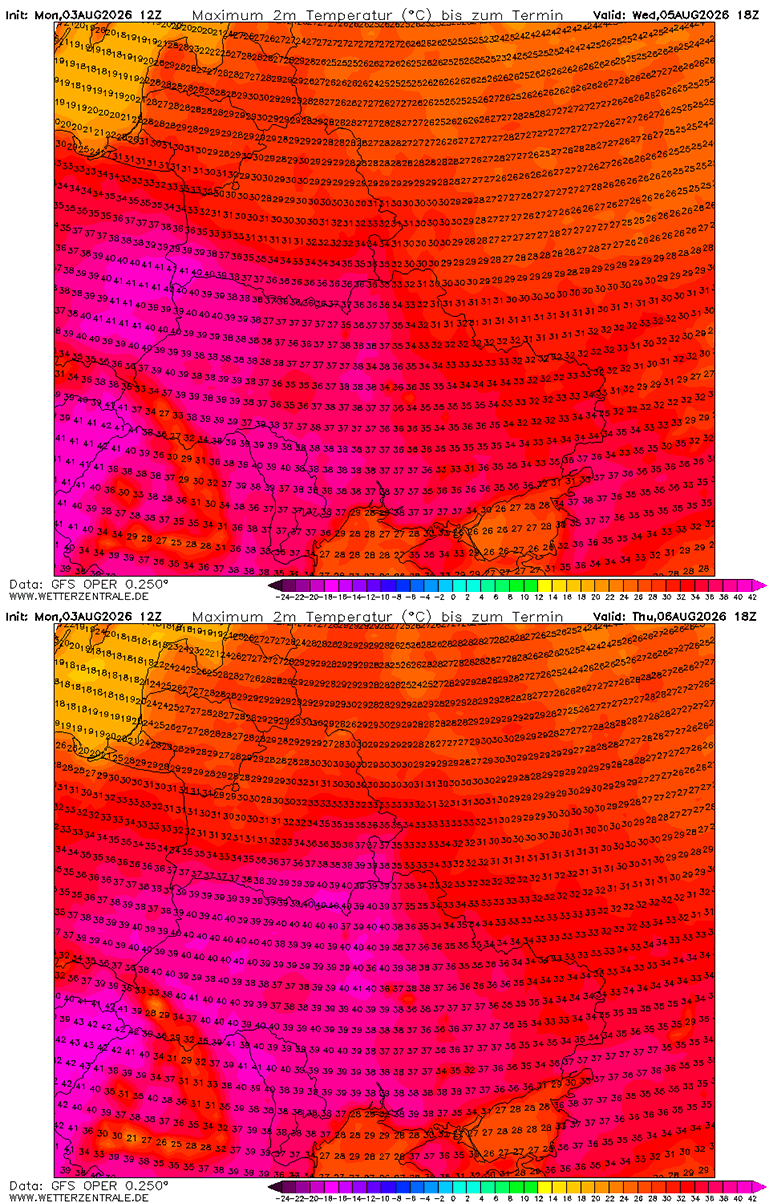
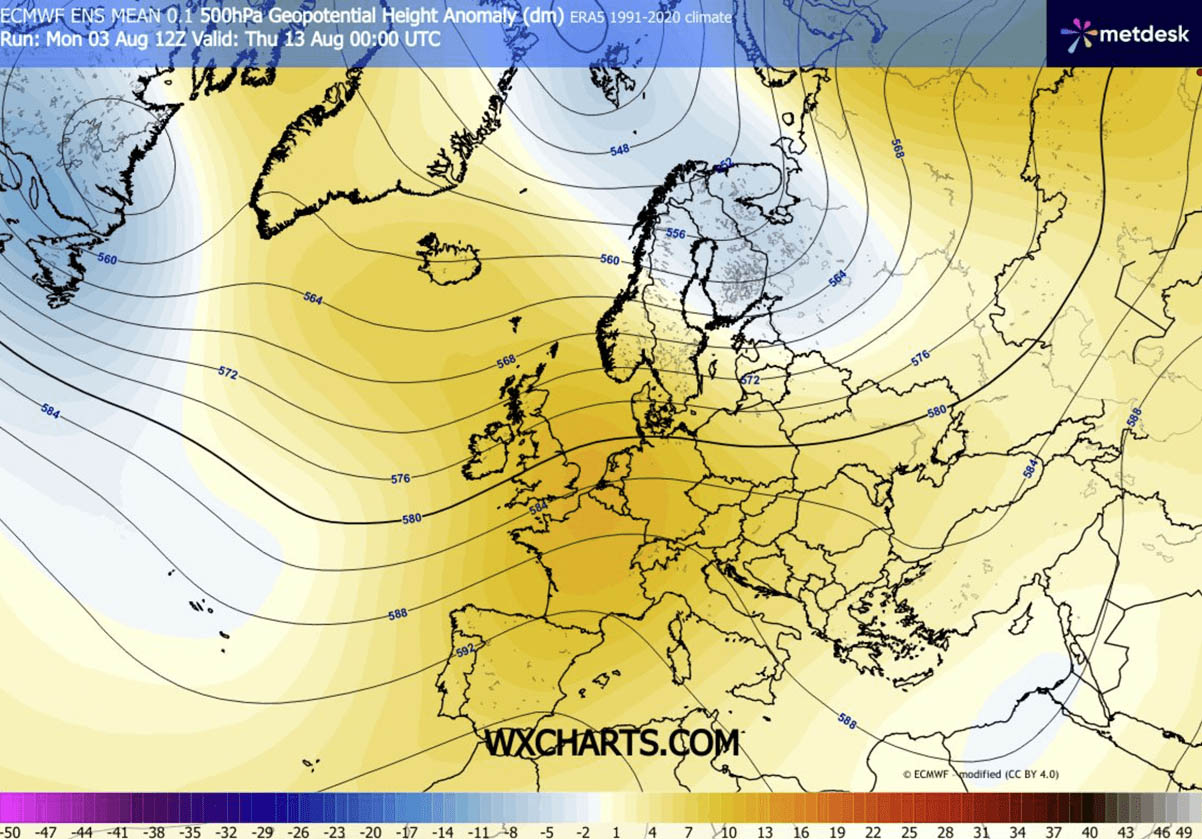
While the current heat dome is expected to collapse over the Balkans by the end of the weekend, long-range ensemble models suggest little room for optimism. There is a strong consensus among meteorologists that a new, secondary ridge may begin to build over Southwestern and Western Europe by the middle of next week.
Should this secondary system materialize, it would mark a shift in the heatwave’s center of gravity toward Portugal, Spain, France, and eventually the British Isles. If these projections hold, Europe could find itself in a near-continuous state of thermal emergency through the middle of August. Climate scientists are studying these recurring patterns to determine the extent to which these specific blocking formations are being amplified by wider global atmospheric changes.
Conclusion: A New Normal?
The current weather event serves as a stark reminder of the vulnerability of modern infrastructure to extreme thermal events. As the atmosphere continues to trap heat through these stable "Omega blocks," the traditional summer seasonal norms are being rewritten. Governments and public health officials are increasingly tasked with not only managing the immediate crisis but also developing long-term strategies for "heat-resilient" urban planning and agricultural adaptation.
For now, the advice from regional authorities remains consistent: limit outdoor exposure, maintain high hydration levels, check on vulnerable neighbors, and monitor official meteorological updates as the situation evolves. As the core of the heat dome shifts toward Eastern Europe, the focus turns to the resilience of those in the path of the coming peak.