The Baltic coast of Estonia, a region often overshadowed by its historic capital of Tallinn, offers a surprisingly rich tapestry for the dedicated entomologist. While many travelers flock to the medieval charm of the Old Town, a recent expedition conducted as part of the Finnish Entomological Society’s spring excursion revealed that just a short ferry ride across the Gulf of Finland lies a landscape teeming with biodiversity—a veritable sanctuary for insects that are rare or entirely absent on the northern side of the sea.
This report documents the second day of that expedition, following a night of preparation and a hearty breakfast that fueled our team’s search for elusive coleoptera and crustacean life.
Main Facts: The Intersection of Geology and Biology
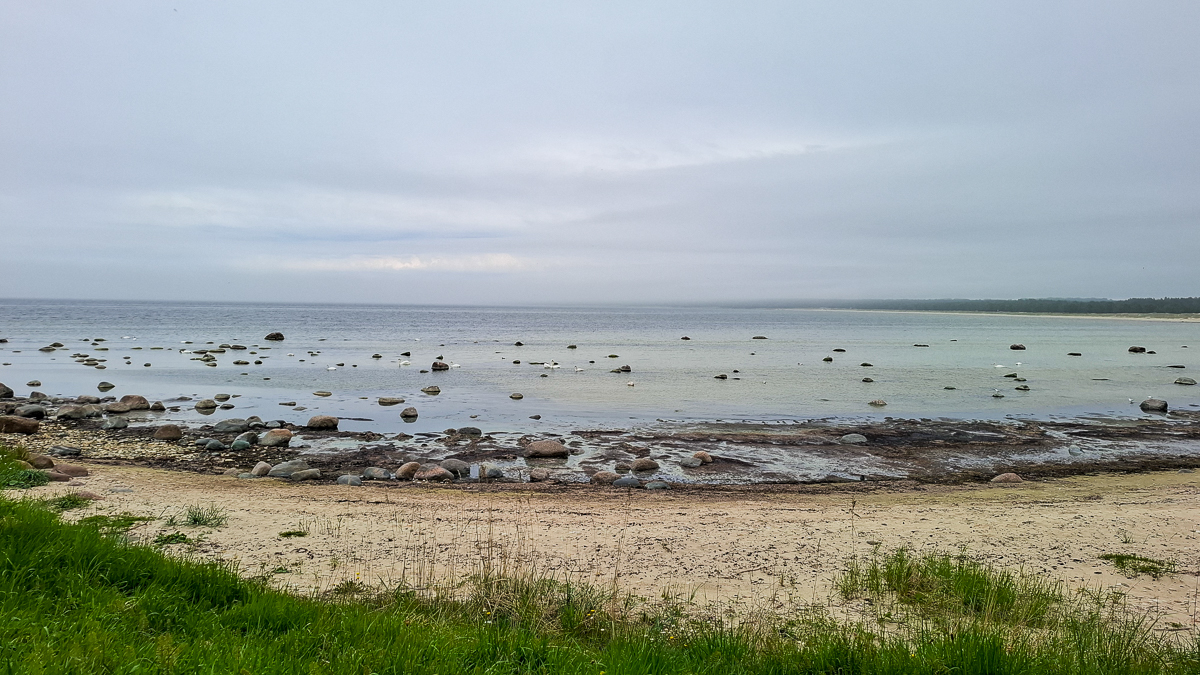
The Estonian coast, particularly the northern shoreline, is defined by the Baltic Klint—a massive limestone escarpment. This geological feature is not merely a scenic backdrop; it is the fundamental driver of the region’s ecological diversity. The erosion of limestone creates unique micro-habitats, ranging from steep, treacherous cliff faces to nutrient-rich, sediment-heavy coastal zones.
The day’s primary objective was to survey three distinct environments: the so-called "Secret Beach" (Salarand), the imposing cliffs of Türisalu, and the biologically vibrant shores of Vääna-Jõesuu. Each location presented a different set of challenges and opportunities for documentation, particularly regarding how fluctuating spring temperatures impact insect activity levels.

Chronology of the Expedition
The "Secret Beach": A Study in Desolation
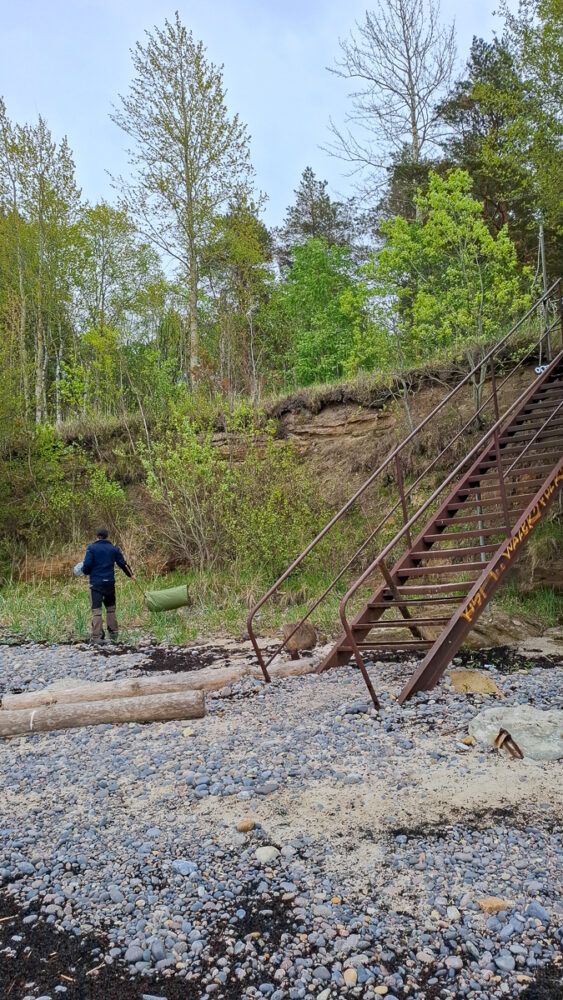
Our morning began at Salarand, or the "Secret Beach." Contrary to the idyllic connotations of the name, the reality was stark and industrial. Access to the shoreline was provided by a series of rusted, precarious metal stairs that would likely be condemned under standard safety protocols in Finland.
Upon descending, the atmosphere shifted. A foul-smelling stream, evocative of sewage, trickled toward the sea, and the beach itself was largely devoid of vegetation. The landscape was dominated by massive slabs of limestone, some the size of passenger cars, which had recently calved from the cliff face above. Among the debris of stone, one could see the remnants of saplings being crushed by the shifting earth.
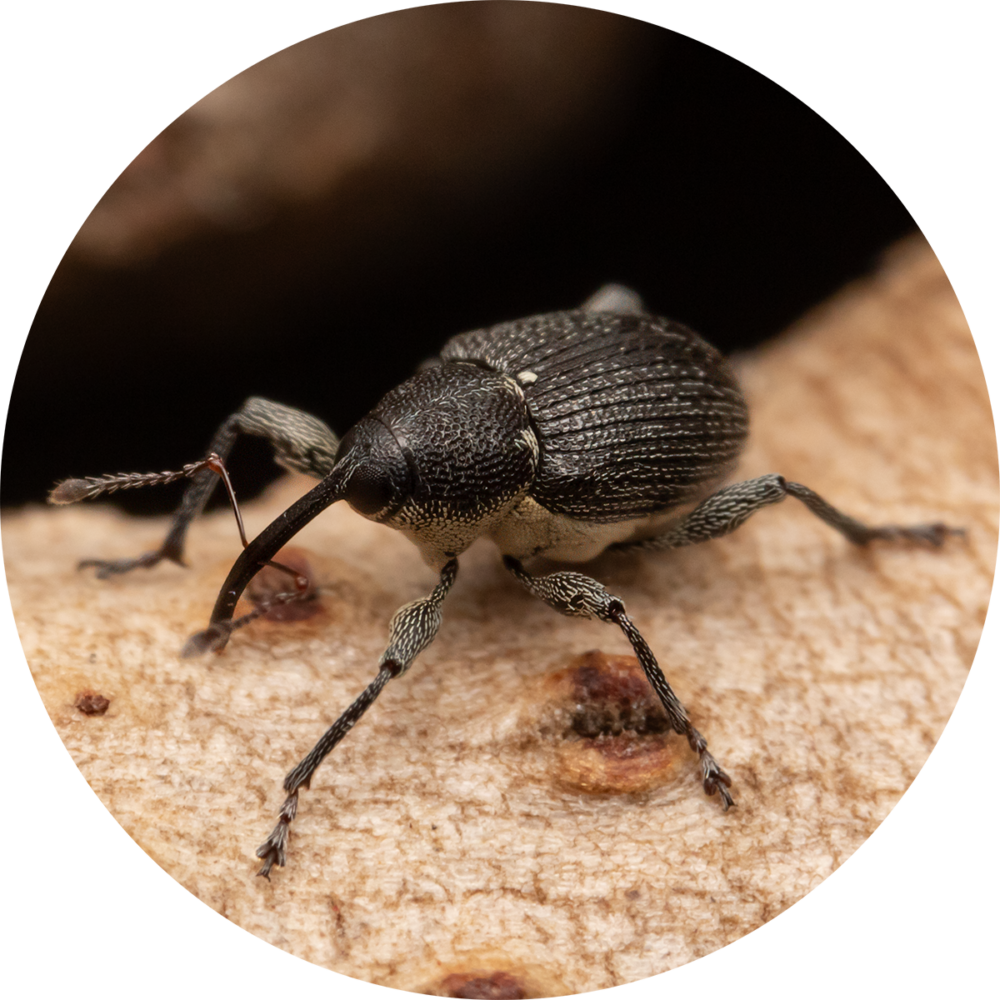
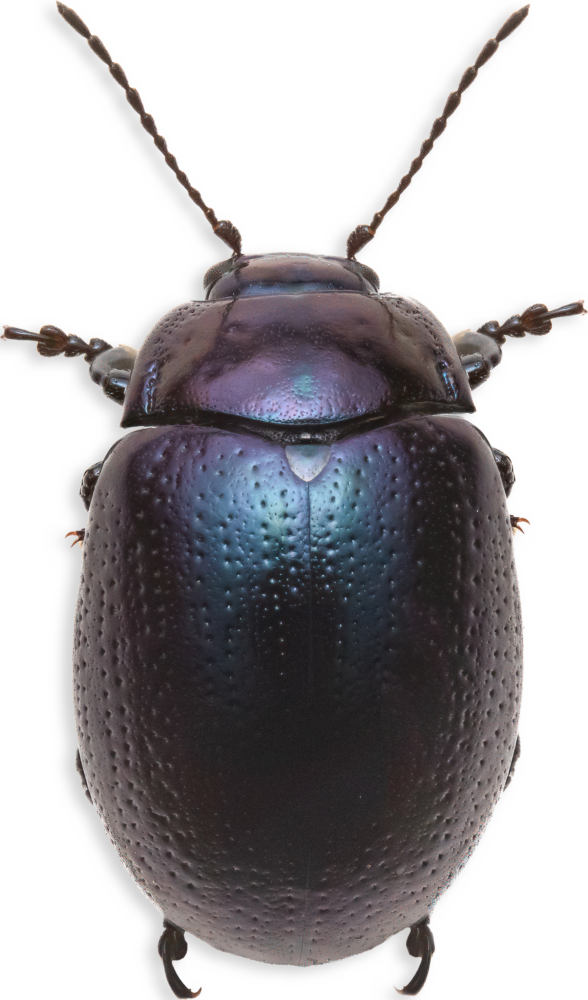
Despite the initial disappointment, the excursion proved its worth through the discovery of the Willow Weevil (Archarius salicivorus). Found on a willow bush near the parking area, this small beetle is common in the Nordics, yet its intricate, comical appearance under a macro lens offered a moment of triumph for the team. The larvae of this species are particularly fascinating; they reside within gall formations on willow leaves, often displacing the original inhabitant of the gall in a ruthless display of biological competition.
The Perils of Türisalu
Following the shoreline, we reached the Türisalu lookout—a site famous for its sheer, 30-meter vertical drop into a rocky abyss. While the site is a popular tourist destination, it is marked by a somber reality: the presence of memorial markers for those who have lost their lives at the cliff’s edge.
This location served as a grim reminder of the instability of limestone geology. These cliffs may appear solid, but they are subject to constant, unpredictable erosion. The psychological weight of the location, combined with the physical danger, dictated a cautious approach to our survey.
The Biodiversity of Vääna-Jõesuu
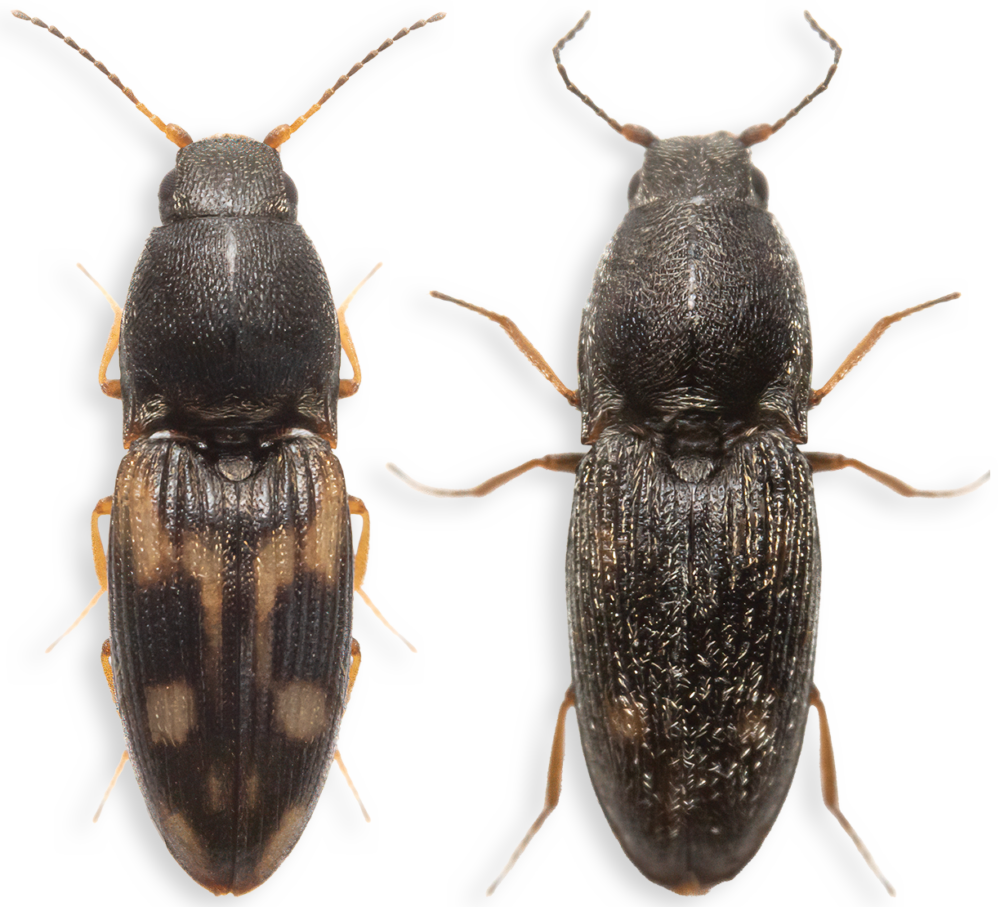
In contrast to the desolation of the cliffs, the Vääna-Jõesuu beach proved to be a goldmine. The sand here was alive with Negastrius click beetles. These tiny insects, measuring only a few millimeters, are vital bio-indicators. Their presence confirms the ecological health of the river deltas and sandy shorelines, as they feed on algae and thrive in stable, undisturbed environments.
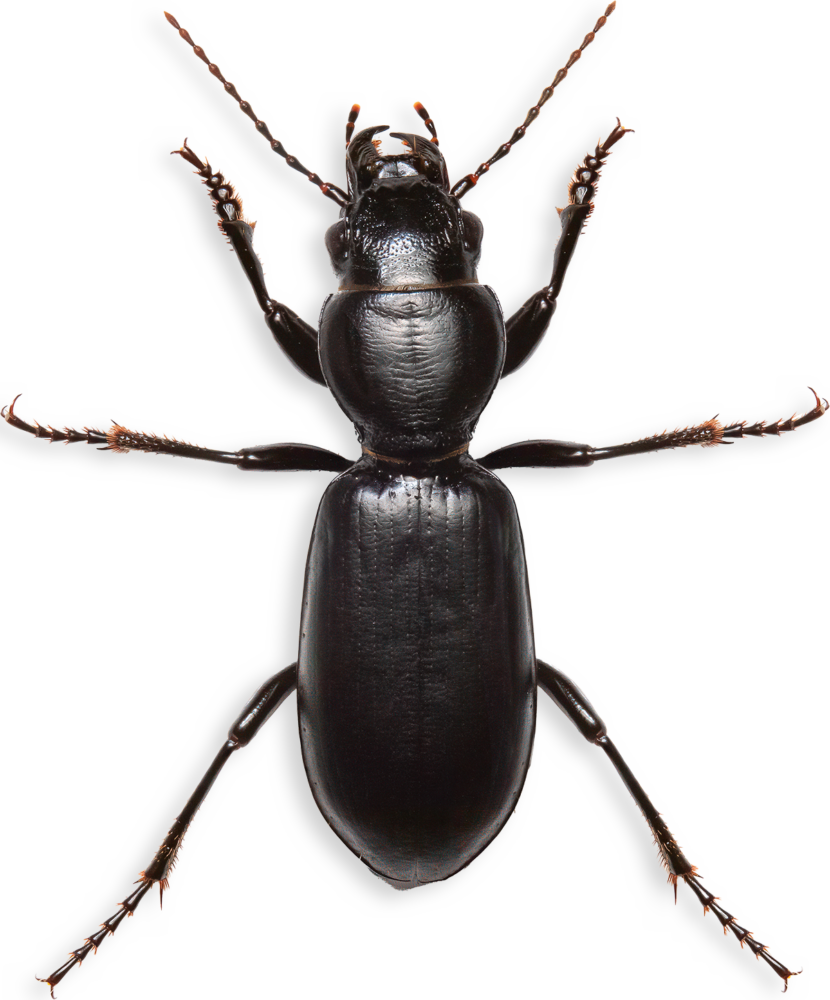
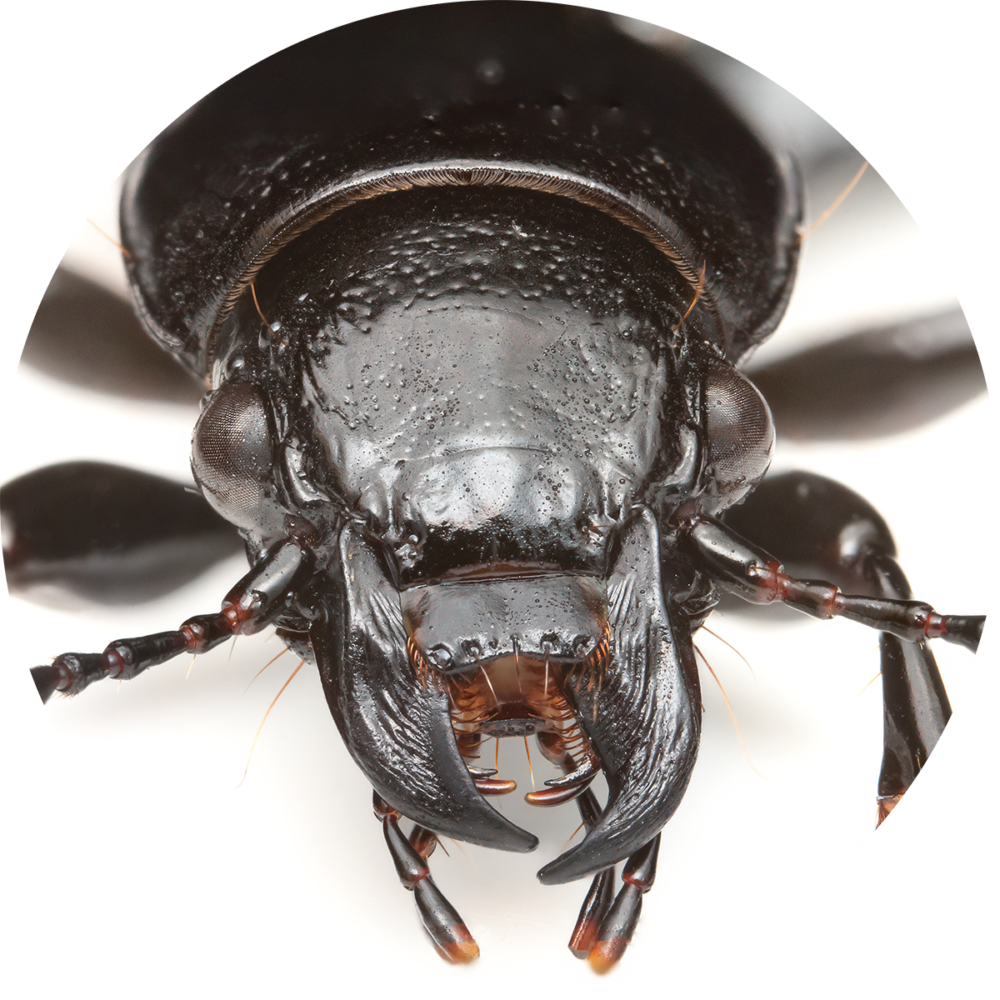
The most exciting find of the day occurred under the stones of this beach: the Great Ground Beetle (Broscus cephalotes). These predatory giants, often exceeding two centimeters in length, are formidable hunters. Unlike the smaller species we encountered, these beetles are equipped with powerful, specialized mandibles that allow them to dismantle the armored shells of woodlice and ants. Their unique method of digestion—secretory enzyme injection—and the curious presence of sand grains in their stomachs (likely used as a grinding mechanism) provided a masterclass in evolutionary adaptation.
Supporting Data: The Case of the "Mythical" Woodlouse
One of the most significant moments of the trip involved the documentation of a specific crustacean. While exploring the shoreline, I collected a specimen that initially stumped me. Upon consulting with expert Matias Oksanen, a collaborative effort began to identify the organism.
The specimen was identified as the Armadillidium zenckeri, a species often referred to in enthusiast circles as the "mythical creature of the surf." This woodlouse is a habitat specialist, restricted to low-lying marshes, coastal meadows, and damp maritime environments.
The identification process highlights the necessity of modern, community-driven science. By cross-referencing our physical observations with global databases like iNaturalist, we were able to confirm that the specific patterns on the creature’s tergites (segments) were a perfect match for A. zenckeri. This discovery was a retrospective victory, as it clarified that I had actually encountered the same species years prior on the northern coast of Saaremaa, though at that time, my identification skills had failed to recognize the rarity of the find.
Official Responses and Ecological Implications
The regional ecological health of the Estonian coast is currently a subject of interest for conservationists, particularly as tourism pressure increases. The Keila waterfall, which we visited later in the day, illustrates the tension between geological preservation and human traffic. As a site of immense geomorphological value, the constant movement of tourists near the unstable limestone lip poses a risk to both the visitors and the fragile cliff structure.
Biologists note that the areas surrounding these waterfalls are critical for riparian insect life, including stoneflies and various aquatic microorganisms. However, as noted during our visit, the intense "tourist bustle" makes detailed scientific observation nearly impossible. There is a growing consensus among local experts that while the Estonian coast is a biodiversity hotspot, its "hidden" treasures—the insects and invertebrates—require designated zones where human foot traffic is restricted to prevent the destruction of these delicate micro-habitats.
Conclusion: A Landscape of Constant Change
The final stop at the Pakri lighthouse, situated at the edge of the peninsula, underscored the transient nature of the Baltic coast. The original 18th-century lighthouse had to be abandoned and eventually lost to the sea because the limestone cliff beneath it simply eroded away.
While the cold, biting winds from the Gulf of Finland ultimately curtailed our insect netting efforts that evening, the day was a success. We had documented new species for our records and refined the photographic data for others.
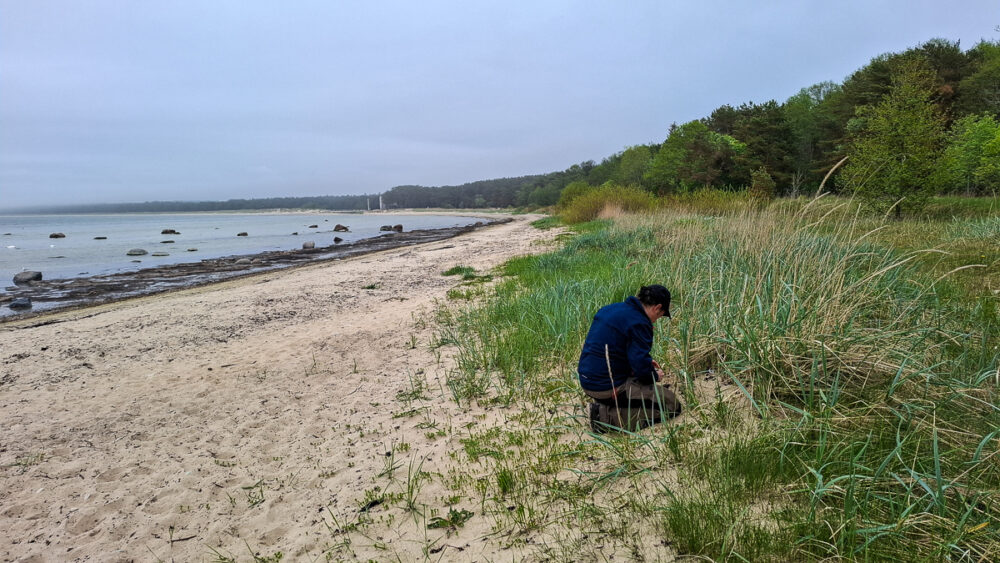
As the spring progresses and temperatures rise, the Estonian coast will continue to emerge from its winter dormancy. The lessons learned on this trip—that even the most desolate-looking rock slab or the most common-looking woodlouse can harbor profound biological stories—serve as a reminder of the importance of persistent, detailed field observation. The Baltic is not merely a body of water separating two nations; it is a shared ecosystem that, for the patient observer, reveals wonders in every grain of sand and every crevice of limestone.